


19th Century Spelter Figure
These 19th century spelter figure examples offer accessible sculptural grace and decorative presence for the home.
19th Century Spelter Figure
A 19th century spelter figure is a decorative sculpture cast primarily from a zinc alloy, frequently finished to resemble bronze, gilt or silver. Buyers search for these pieces to acquire period decorative art that mimics expensive bronze without the heavy metal cost.
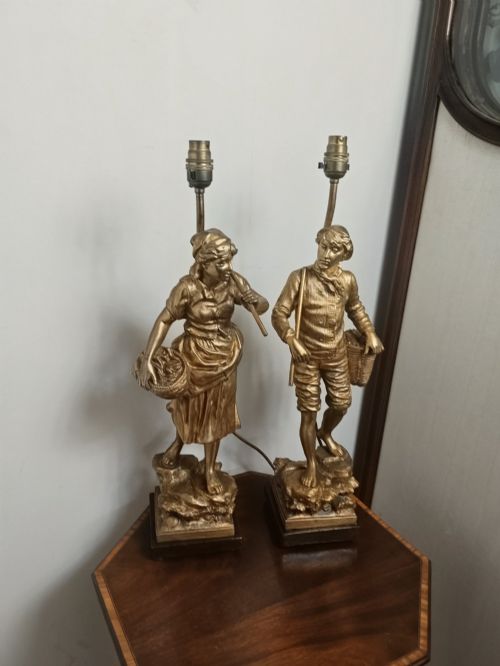
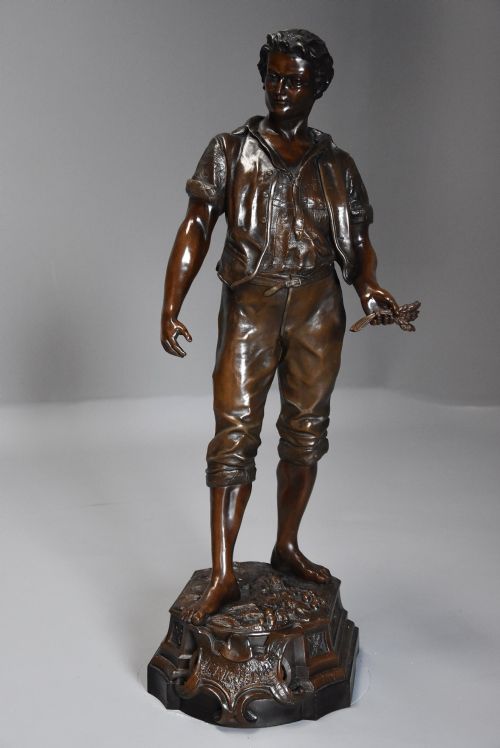
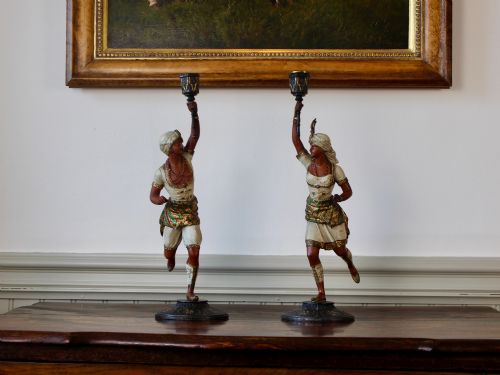
The objects appearing on this page span diverse forms, including standalone statues, table lamps, clock garniture sets and figural candlesticks. French workshops dominate the selection, producing character studies of farm labourers, cavaliers, soldiers, water carriers and animals.
Subjects range from realistic depictions of rural workers to romanticized historical figures, Orientalist portrayals and flowing Art Nouveau women. Most examples date from the later decades of the nineteenth century through to the turn of the twentieth century.
Materials and construction
To disguise the grey base metal, artisans applied chemical patinas, cold paints, or thin layers of gilt, silver and bronze finish. Many figures were mounted onto turned wooden bases or fitted with plinths made from marble and alabaster.
Listings feature works from the Victorian period through to Art Nouveau, utilising materials like marble, alabaster and gilt bronze finishes.
Judging quality
The integrity of the surface finish dictates visual appeal, with well-preserved patination, subtle cold painting or intact gilding lifting a piece above tired, flaking examples. The choice of base material, such as substantial marble rather than simple turned wood, also signals ambition in the original manufacture.
E Rousseau·F Milliot·Auguste Moreau
The 19th Century Spelter Figure Glossary
- Spelter
- A zinc alloy used extensively in the nineteenth century as an economical alternative to bronze. It provides a lightweight base for decorative sculptures and household items.
- Bronzed metal
- A surface finish applied to base metals to simulate the rich brown appearance of traditional bronze. This coating catches light across the raised details of the casting.
- Clock garniture set
- A decorative ensemble comprising a mantel clock flanked by matching ornaments such as urns or figural candelabras. These sets dominated Victorian mantelpieces.
- Cold painted
- A technique where paint is applied to a metal object without subsequent heat firing. This method allowed for delicate, multicoloured details on garments and skin.
- Gilt
- A thin layer of gold or gold-coloured finish applied to the surface of a metal object. It imparts a bright, reflective quality to decorative figures and lamp bases.
19th Century Spelter Figure: Frequently Asked Questions
What is spelter metal?
Spelter is a zinc-based alloy that foundries utilised widely during the Victorian era for affordable decorative sculptures. It melts at lower temperatures than bronze and takes fine surface detail well.
Because the metal is relatively soft, objects made from it require careful handling to prevent bending or surface damage over time.
How do I care for my figure?
Dust these sculptures gently with a dry, soft cloth to protect the delicate surface patinas and cold painted details. Avoid using commercial metal cleaners or abrasive polishes, which strip away historical finishes.
Keep the pieces away from direct sunlight and damp environments to preserve the integrity of the metal and any attached wooden or marble bases.
How do I spot a signature?
Sculptors and foundries often stamped or cast names directly into the base or lower drapery of the metal during production. Look closely around the lower edge of the figure for incised signatures.
Names such as Auguste Moreau or F Milliot indicate the original designer or modeler associated with the workshop edition.
Were these always lamps?
Many figures were cast purely as decorative statues or mantel ornaments rather than lighting fixtures. Workshop designs sometimes lent themselves to later conversion into table lamps.
Original figural candlesticks and purpose-built lamp bases also appear, designed to hold candles or early electrical fittings while displaying sculptural art.