



19th Century Specimen Table
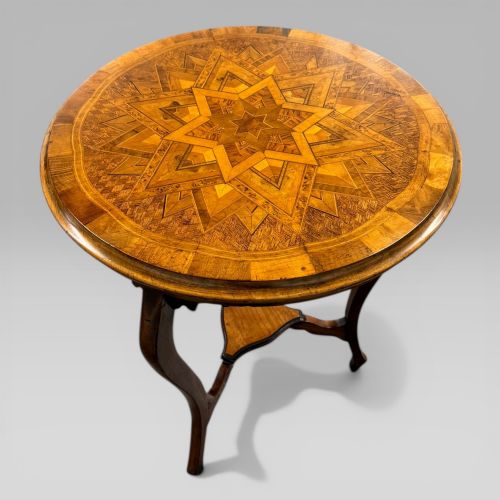
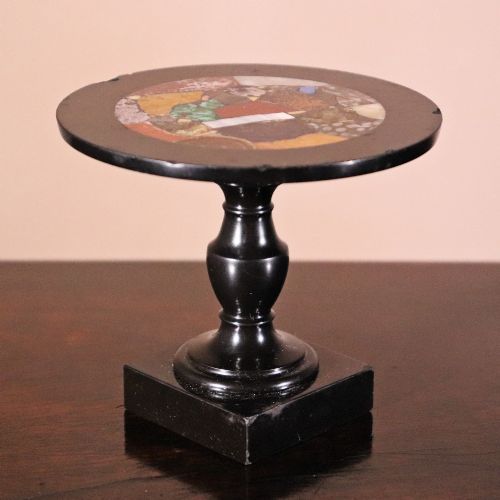
A 19th century specimen table brings together meticulous geometric timber work or polished mineral mosaics to showcase the natural world in domestic furniture.
19th Century Specimen Table
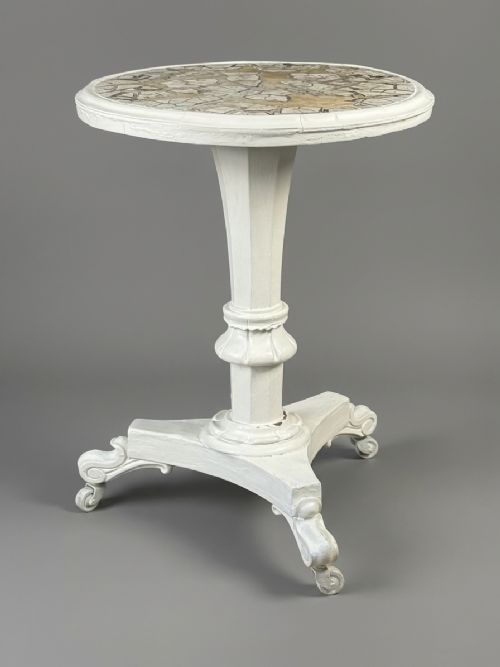
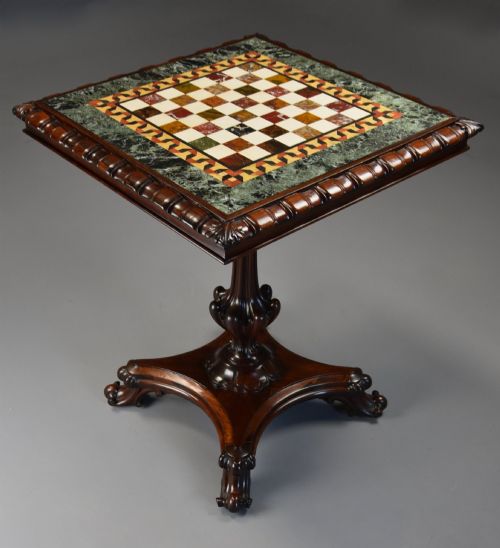
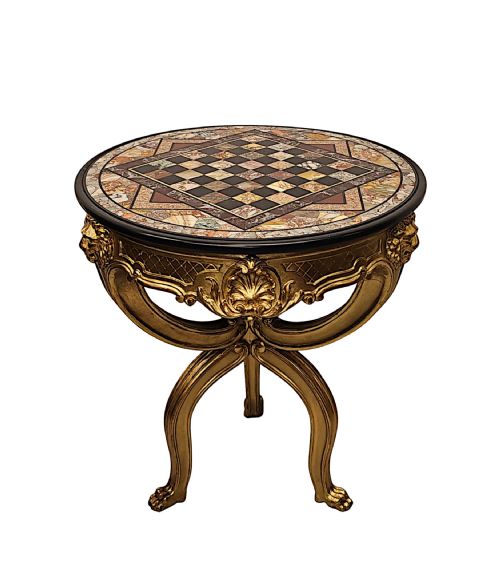
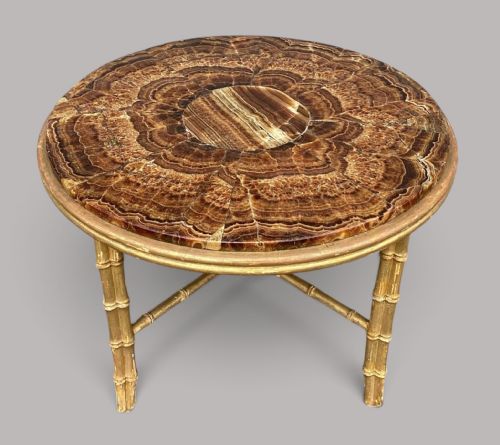
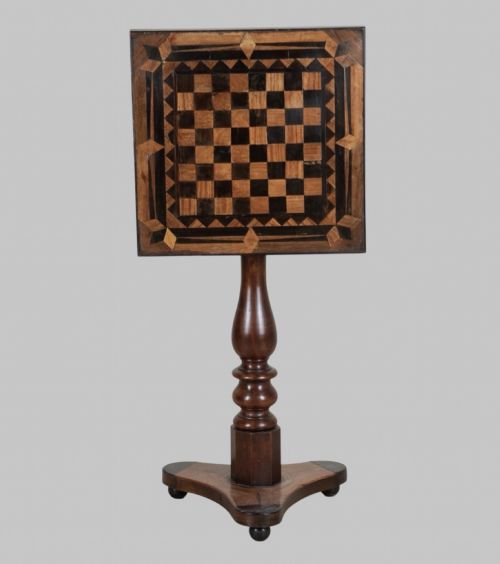
A 19th century specimen table typically takes the form of an occasional, centre, or games table designed to display a deliberate collection of diverse woods, marbles, or stones. These pieces range from modest occasional stands to grand pedestal tables intended as the focal point of a principal room.
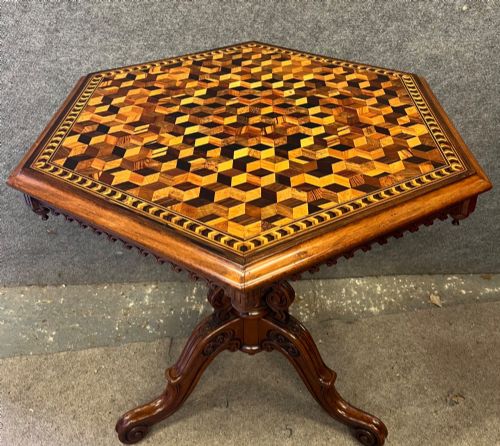
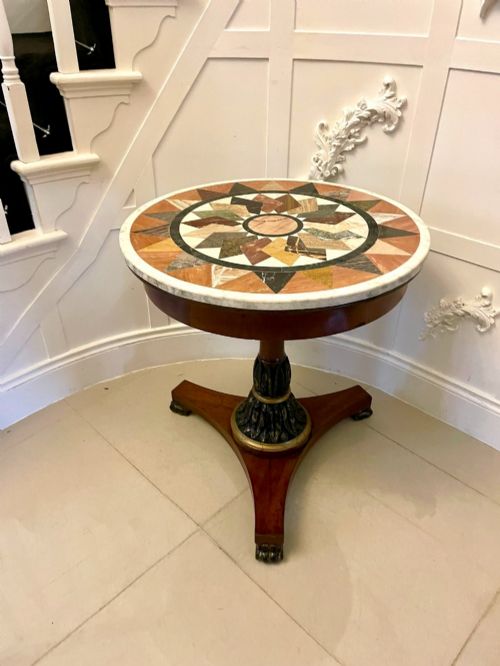
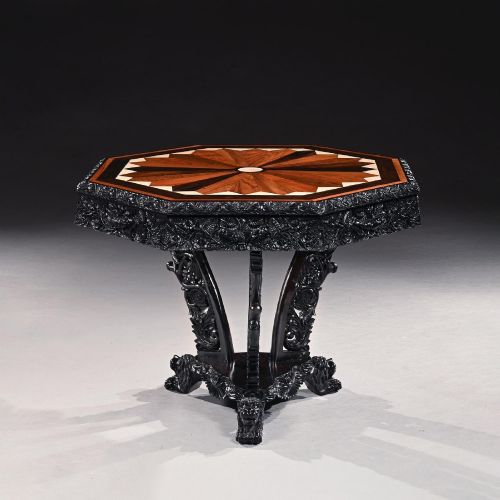
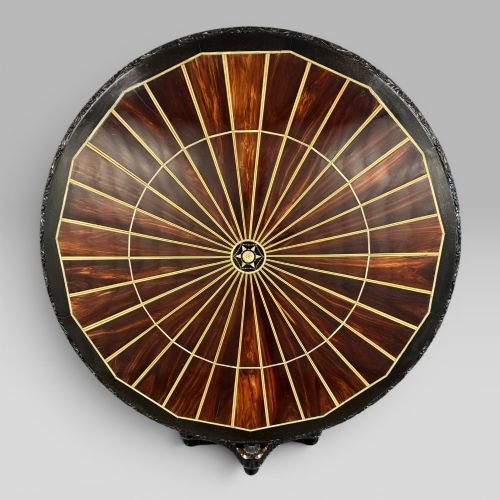
Makers utilised regional and exotic materials to create geometric patterns, sunburst motifs, or intricate topographical arrangements across the tabletop surface. Examples frequently emerge from English workshops, colonial outposts such as Ceylon and New Zealand, and continental centres like Italy and France.
The category also encompasses smaller side tables, lamp tables, and chess boards where the upper surface remains the primary vehicle for material display. Surviving examples reflect the Victorian, Regency, William IV, and Georgian eras through their underlying structural timber and base design.
Materials and construction methods
Cabinetmakers constructed the supportive frames of a 19th century specimen table using dense structural hardwoods such as mahogany, walnut, rosewood, oak, and ebony. These sturdy bases often incorporate pedestals, tripod legs, or carved columns to support the heavy inlaid top.
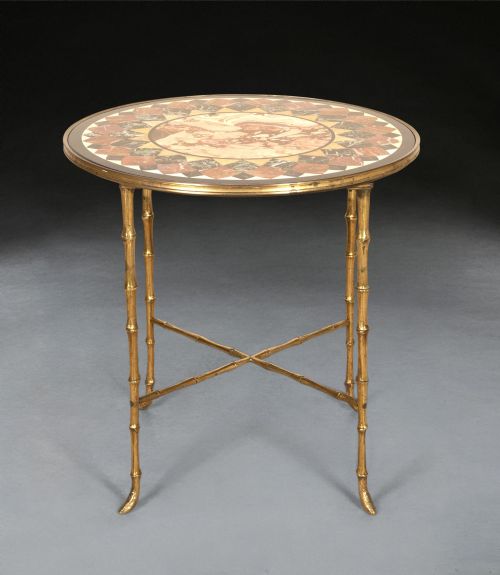
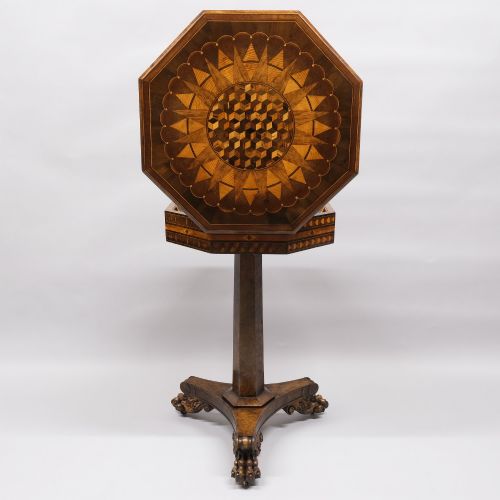
The defining tabletops utilise precise parquetry, marquetry, or stone mosaic techniques, assembling hundreds of tiny pieces of specimen wood, specimen marble, and occasionally pietra dura. Craftsmen fitted these fragments meticulously together on a rigid sub-base to form complex pictorial or geometric designs.
19th Century Specimen Table Retail Price Guide 2026
Typical asking prices for 19th century specimen table among the pieces listed under this phrase on Sellingantiques today, from the lower quarter to the upper quarter. They describe what is for sale here now, not the wider market.
Regional variations span English workshops, French creations, Italian pietra dura panels, and colonial productions from New Zealand and Ceylon.
Evaluating craftsmanship and execution
Quality in a 19th century specimen table rests upon the precision of the joinery and the sheer variety of identifiable materials gathered within the mosaic top. Finer examples display tight, seamless geometric alignment where wood grains or mineral veins complement rather than clash with one another.
The artistic ambition of the layout distinguishes standard production from exceptional work, particularly in pieces featuring radial sunbursts, pictorial inlay, or documented regional production from notable makers. The stability of the sub-frame and the retention of original polished surfaces further elevate the standing of an individual table.
James Shoolbred·Ralph Turnbull·Anton Seuffert·Woodley family·William Norrie
The 19th Century Specimen Table Glossary
- Specimen wood
- Timber selected and arranged to display a wide variety of distinct natural colours and grain patterns from different tree species. These are meticulously cut and fitted together.
- Pietra dura
- An Italian mosaic technique utilising precision-cut and fitted highly polished coloured stones to create pictorial images. It appears frequently on Florentine tabletop panels.
- Parquetry
- Geometric mosaic woodwork formed by fitting small veneer blocks together to create repeating patterns. It provides the rigid surface decoration seen on many occasional tables.
- Marquetry
- The art of applying thin veneers of different woods to a structural panel to form decorative pictures or ornamentation. It differs from parquetry through its pictorial scope.
- Centre table
- A freestanding piece of furniture finished on all sides so it can occupy the middle of a room rather than sit against a wall. These often feature elaborate specimen tops.
19th Century Specimen Table: Frequently Asked Questions
How do I care for a specimen wood top?
Keep wooden surfaces away from direct sunlight and extreme humidity changes to prevent the tiny inlaid joints from drying and lifting.
Apply a minimal amount of appropriate paste wax periodically and buff gently with a soft cloth to maintain the polished finish without building up residue.
Were these tables used for dining?
Most surviving examples functioned as occasional, centre, or display furniture rather than heavy dining surfaces. Their intricate stone or timber mosaic tops were intended for visual appreciation and light social use.
Using them for games like chess or simply placing decorative objects upon them preserves the delicate veneer and mosaic work from unnecessary wear.
How can I tell a Regency table from a Victorian one?
Regency pieces often display classical restraint, incorporating rosewood, brass inlay, and saber legs influenced by ancient Roman and Greek design. Their proportions tend to remain linear and architectural.
Victorian examples frequently showcase heavier walnut or mahogany frames, bolder pedestal bases, and more exuberant floral or geometric specimen arrangements reflecting industrial-era manufacturing confidence.
What is the difference between marble and specimen marble?
Standard marble tabletops consist of a single solid slab of quarried stone, often in plain white or a uniform coloured variety. Specimen marble tops combine numerous distinct mineral fragments, such as fossiliferous stones or coloured marbles, assembled into geometric or patterned compositions.