

19th Century Shelves
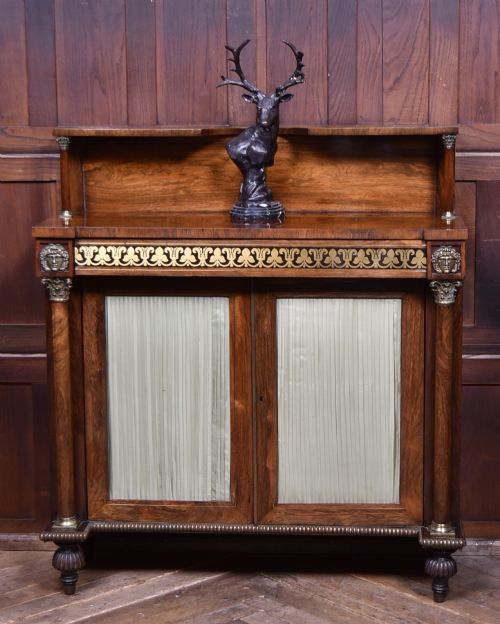
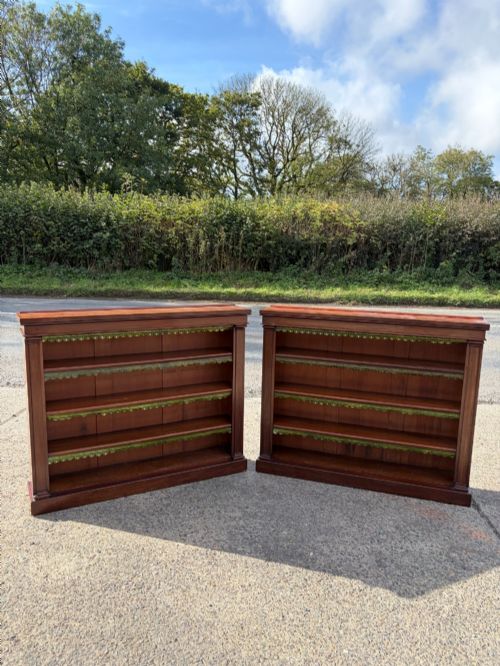
When you search for 19th century shelves, you encounter wall units, hanging tiers, and open bookcases built to hold books and display ornaments.
19th Century Shelves
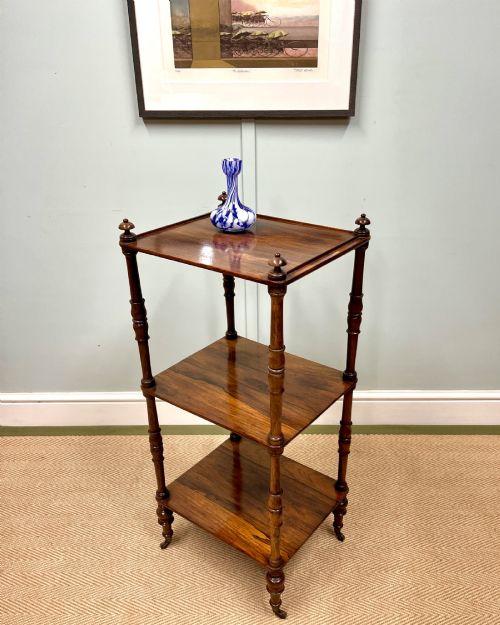
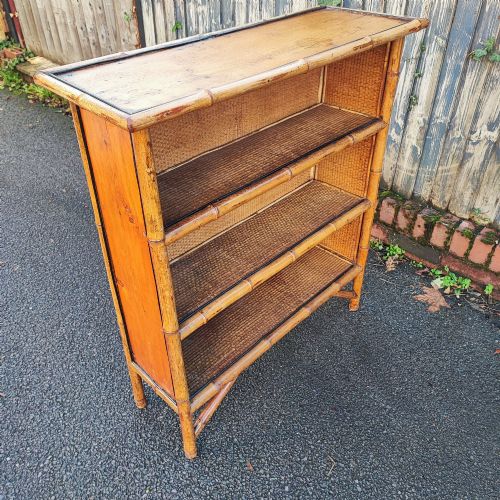
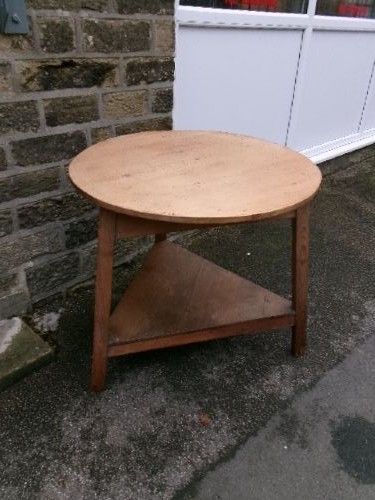
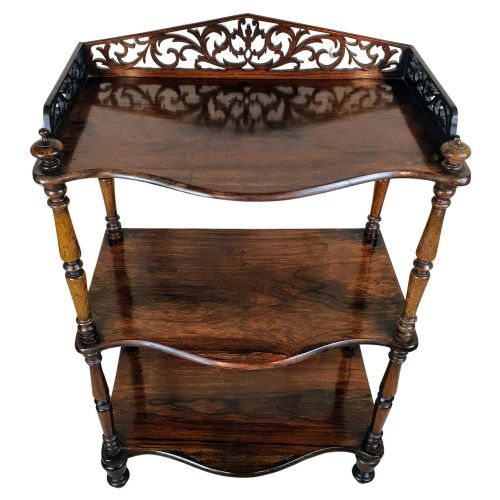
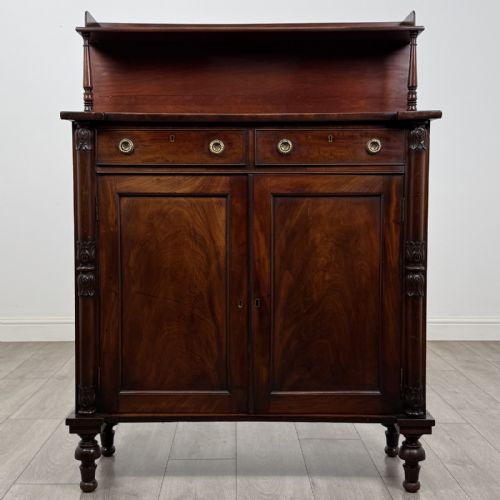
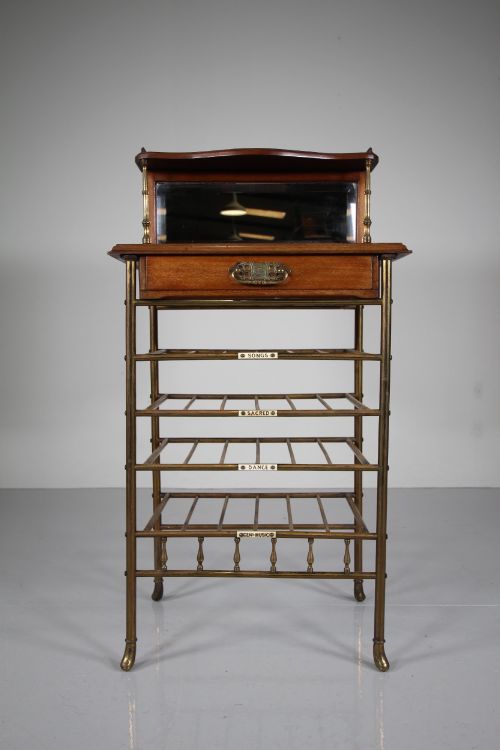
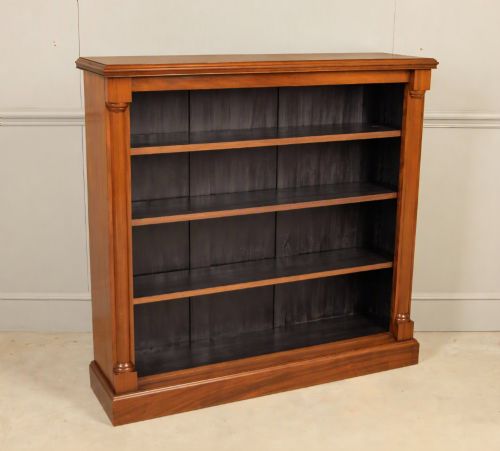
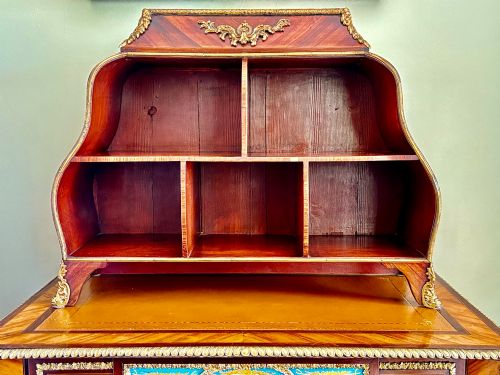
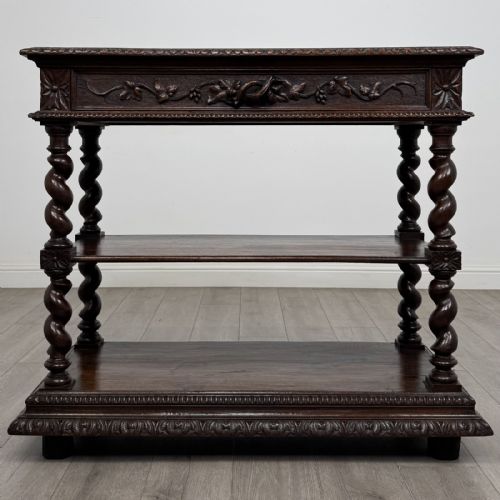
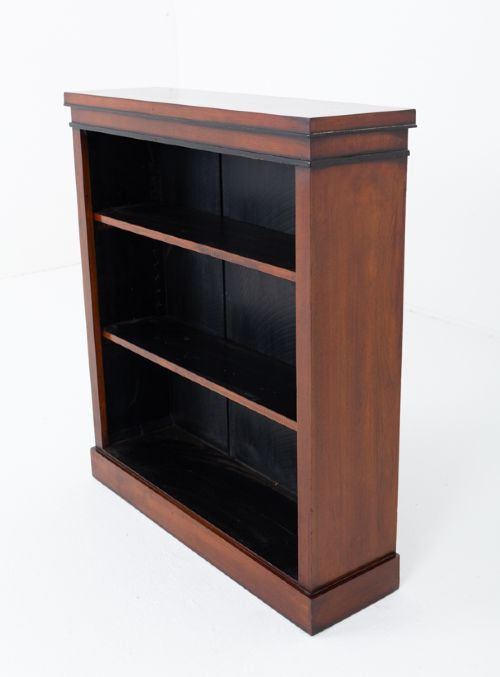
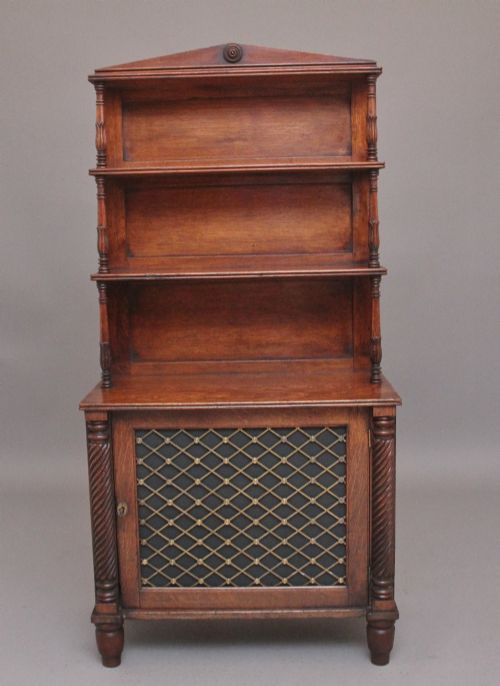
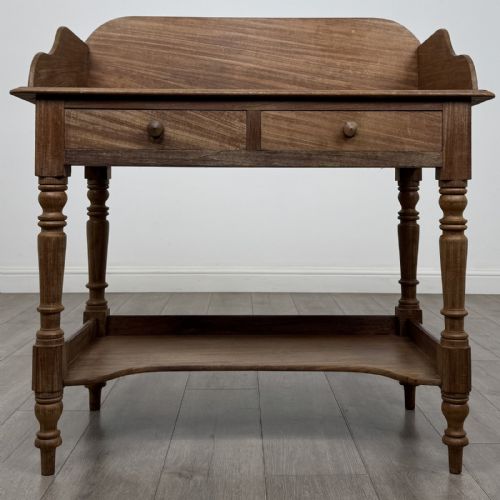
When you search for 19th century shelves, you are looking at wall-mounted racks, hanging tiers, and freestanding bookcases originating from the Victorian, Regency, and Georgian periods. These pieces include mahogany wall shelves, walnut waterfall designs, and pine kitchen racks intended for domestic storage and display.
You are most likely to meet mahogany wall shelves and open bookcases across this selection, alongside rosewood and oak variants. The forms range from simple tiered wall boards to complex waterfall bookcases and glazed display cabinets.
The regional variety spans English workshops, French provincial houses, and Scandinavian pine pieces. They reflect domestic interiors where horizontal surface area was essential for books, ceramics, and small ornaments.
What varies in quality
The distinction between standard domestic items and finer pieces lies in timber selection and timber grain uniformity. Superior examples utilise dense, well-figured mahogany or burr walnut with matching veneer panels across the entire elevation.
Construction detail separates workshop standards, observable in the thickness of shelf boards, the precision of housing joints, and the retention of original brass hardware. Pieces with adjustable shelf mechanisms and uncompromised backboards command greater regard.
Proportion and decorative restraint dictate the success of the design, where carved brackets, applied mouldings, and gallery rails integrate harmoniously rather than appearing heavy or disproportionate.
19th Century Shelves Retail Price Guide 2026
Typical asking prices for 19th century shelves among the pieces listed under this phrase on Sellingantiques today, from the lower quarter to the upper quarter. They describe what is for sale here now, not the wider market.
One set of nineteenth century apothecary shelves still retains the original paper labels tucked inside the drawer interiors.
Gabriel Viardot·Johnstone and Jeanes·Charles a Orleans·Brockbanks and Atkins·Henry Marc
The 19th Century Shelves Glossary
- Waterfall bookcase
- A tiered shelving unit where each successive shelf steps back from the one below, creating a cascading profile. This form appeared frequently in mahogany and rosewood during the nineteenth century.
- Whatnot
- A freestanding open piece of furniture with multiple tiers used for displaying ornaments and books. These units typically feature turned supports and corner posts.
- Chiffonier
- A low cabinet with shelves or a raised back, developed during the Regency and Victorian periods for storage in smaller reception rooms. They often combine cupboard space below with open display shelves above.
- Ormolu
- Gilded bronze mounts applied to furniture edges, feet, and friezes for decorative effect. This technique was common on French and high-status British pieces.
- Potboard dresser
- A kitchen or dining room base unit incorporating an open lower shelf for storing heavy crockery. These sturdy vernacular pieces were constructed from pine, oak, or elm.
19th Century Shelves: Frequently Asked Questions
How do I hang antique wall shelves?
Wall shelves from this period require secure fixings into wall studs or masonry using appropriate screws through the original backboard holes or mounting brackets.
Because these timbers are heavy, modern hollow-wall anchors may fail under the combined weight of the wood and books.
Were these shelves meant for books?
Many nineteenth century shelves served multiple purposes, holding ceramic ornaments, sheet music, and decorative plates alongside bound volumes.
Wall-mounted variations often supported lighter items or specific collections like apothecary jars and tea caddies.
How do I tell Regency from Victorian shelves?
Regency pieces tend to feature cleaner architectural lines, lighter proportions, and simpler brass inlay or rosewood banding.
Victorian items often display heavier carving, darker walnut or oak timbers, and more elaborate bracket supports.
Can I adjust the shelf heights?
Certain open bookcases and wall units include traditional wooden ratchets or brass strip supports allowing height adjustment.
Fixed shelves remain standard on simpler wall-hanging tiers and earlier vernacular pieces.