
Regency Open Shelving
Regency open shelving brings practical display and architectural timber into a room, offering accessible tiered storage that suits both period and modern interiors.
Regency Open Shelving
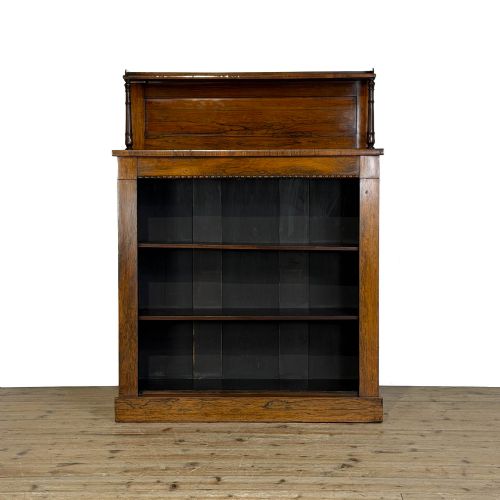
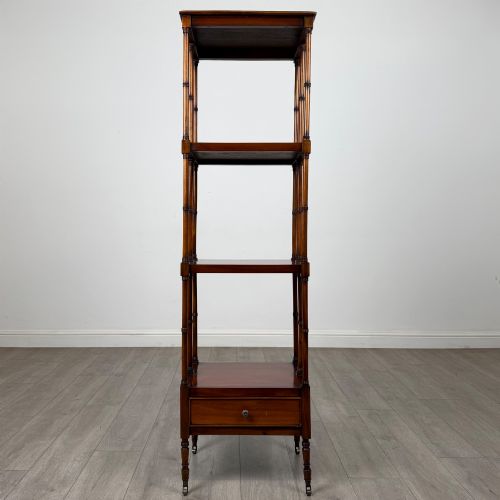
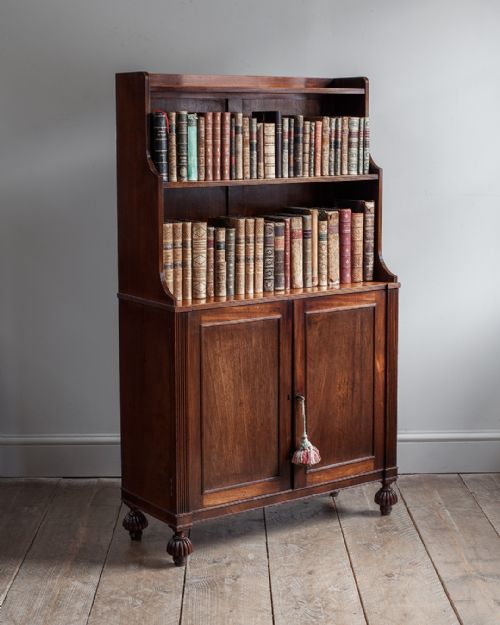
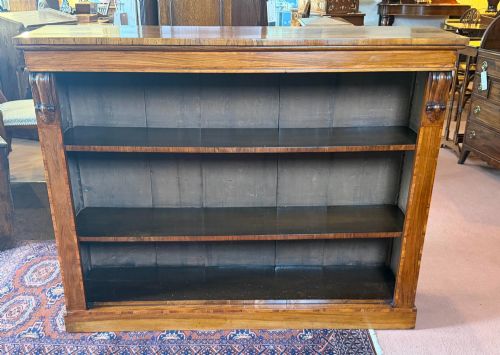
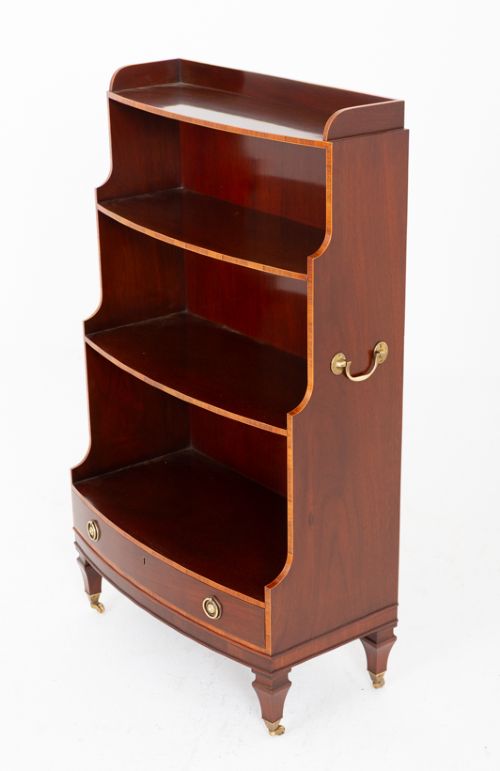
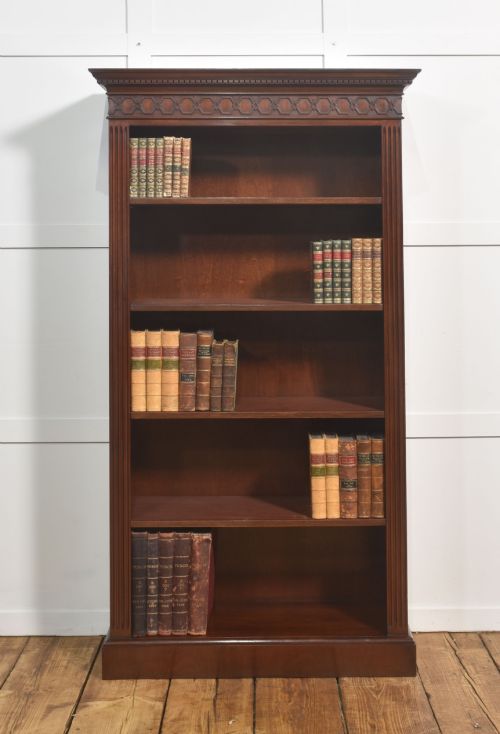
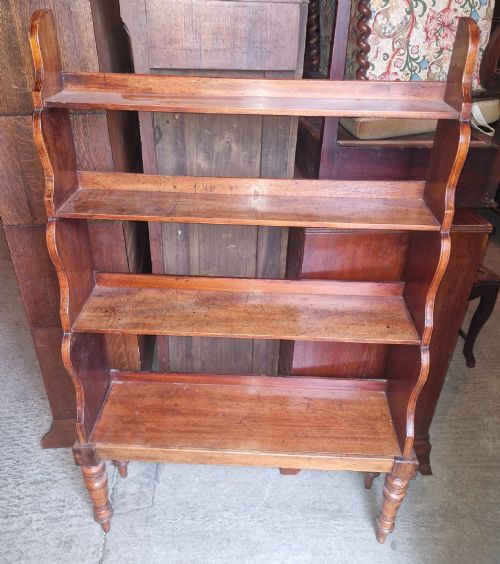
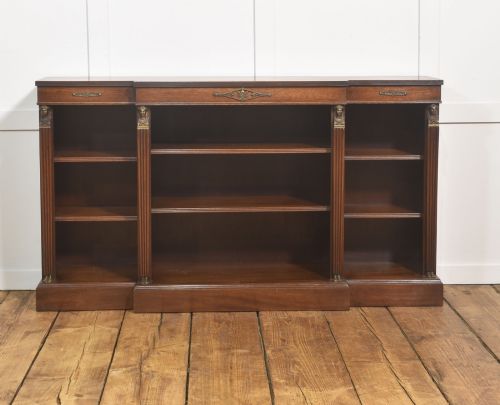
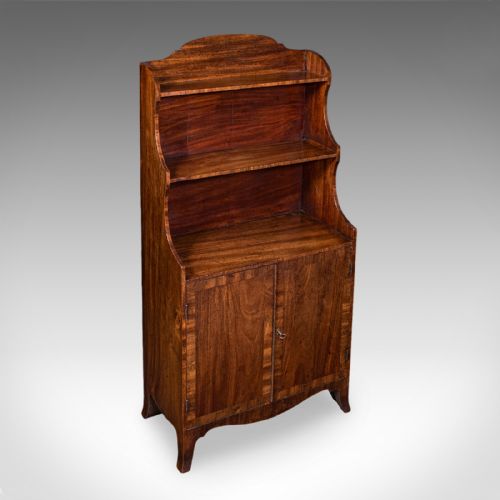
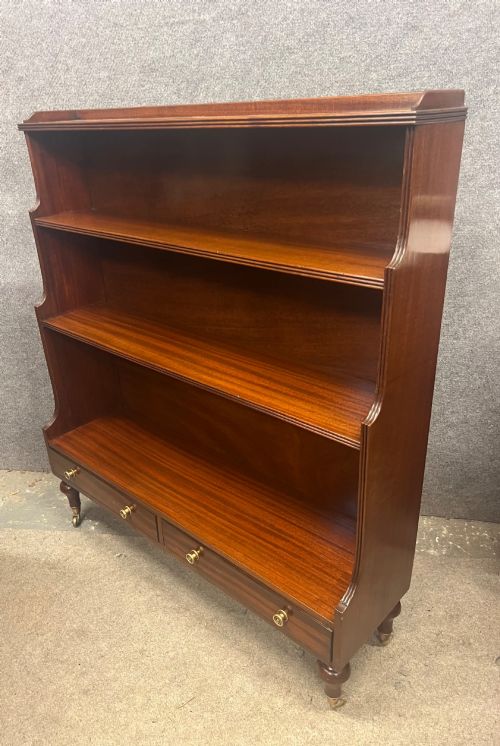
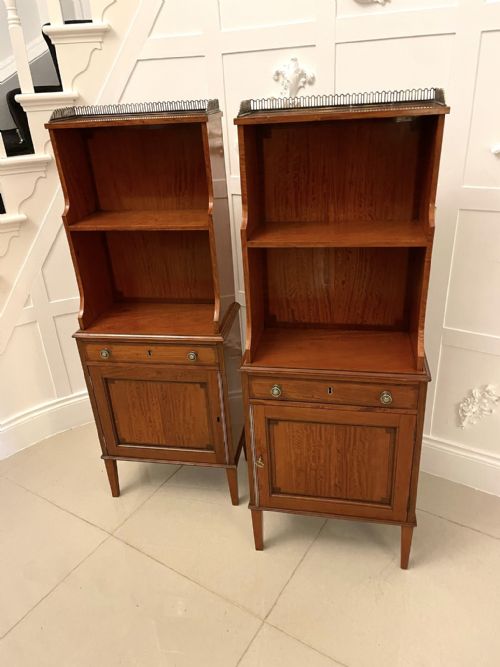
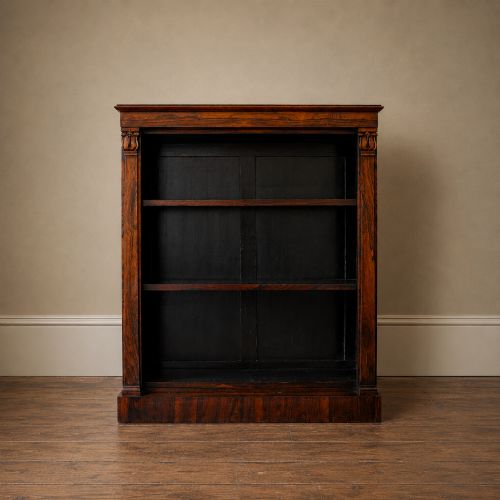
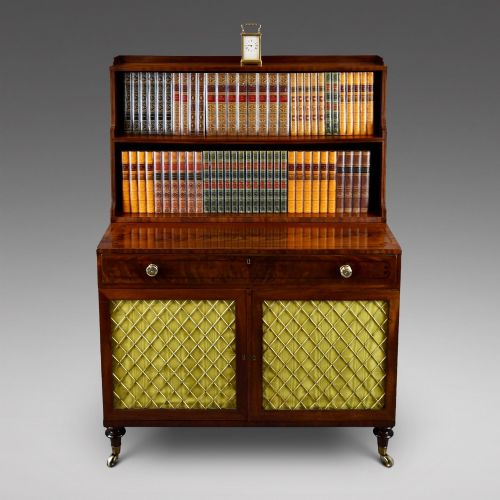
When you search for regency open shelving, you encounter a variety of multi-tiered furniture designed to hold books and display objects without enclosing them behind doors. The listings frequently feature freestanding mahogany and rosewood bookcases, alongside tiered whatnots, waterfall bookcases, and breakfront library pieces.
The pieces span the nineteenth century and later revivals, with genuine Regency examples sitting alongside William IV, Victorian, and twentieth-century interpretations. Mahogany and rosewood dominate the selection, often taking the form of graduating shelves supported by turned columns or side panels.
Smaller formats such as dwarf bookcases and petite chiffoniers appear alongside substantial breakfront units. Buyers also find occasional pine and painted pine pieces, alongside satinwood and birdseye maple variations in the wider archive of open shelving.
The Distinction in Manufacture
Quality in these open units rests on the selection of timber grain, the crispness of turned columns, and the integration of brass details. Superior pieces display matched flame mahogany or figured rosewood veneers that wrap cleanly around edges and sides without awkward joints.
Structural integrity also separates standard items from finer examples, visible in the stability of graduating tiers and the precise movement of adjustable shelf supports. Maker attribution, such as work linked to Gillows, signals elevated standards in joinery and material selection.
Regency Open Shelving Retail Price Guide 2026
Typical asking prices for regency open shelving among the pieces listed under this phrase on Sellingantiques today, from the lower quarter to the upper quarter. They describe what is for sale here now, not the wider market.
Listings feature eighteenth-century Georgian roots through to 1930s revivals, spanning mahogany, rosewood, oak, pine, and marble.
Gillows
The Regency Open Shelving Glossary
- Waterfall bookcase
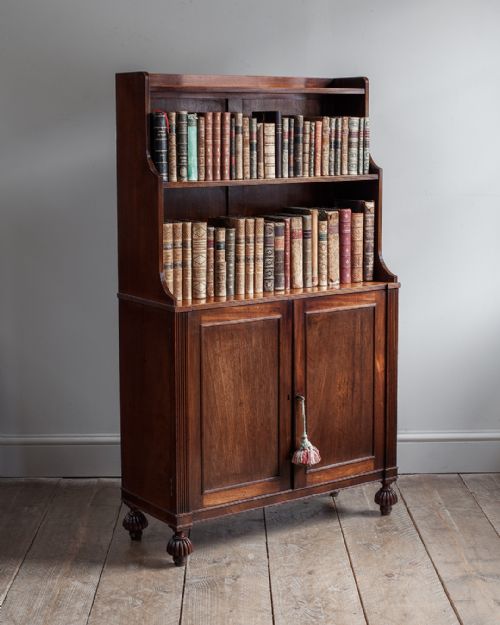
- A tiered shelving unit where each level steps back progressively from bottom to top, creating a cascading profile. This form gained popularity during the Regency period for displaying small volumes and ornaments.
- Breakfront
- A large cabinet or bookcase where the central section projects forward from the flanking wings. This architectural arrangement creates depth and visual rhythm in library furniture.
- Ormolu
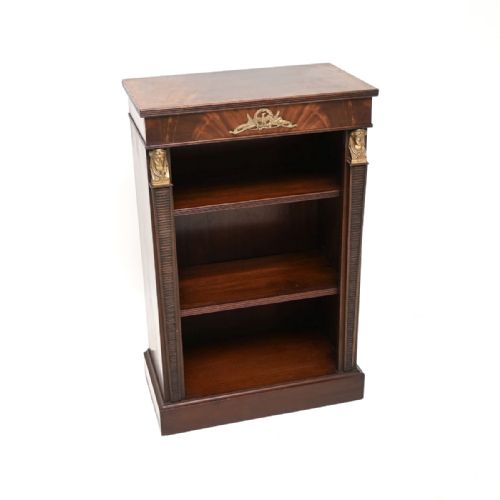
- Gilded bronze used for decorative mounts, feet, and gallery rails on fine furniture. It provides a bright metallic contrast against dark timbers like mahogany and rosewood.
- Dwarf bookcase
- A low open bookshelf designed to sit beneath dado height or windows. These low proportions keep sightlines open in a room while offering practical storage.
Regency Open Shelving: Frequently Asked Questions
What is regency open shelving?
Regency open shelving encompasses bookcase forms, whatnots, and tiered display units designed without doors during the early nineteenth century and subsequent revival periods.
These pieces use timbers such as mahogany and rosewood, often featuring adjustable shelves and brass inlay suited to both functional libraries and display spaces.
How do you style an open bookcase?
Open bookcases suit rooms where books and decorative objects require accessible display rather than enclosed storage. Their open sides allow light to pass through, making them effective for dividing spaces or placing against panelled walls.
Grouping items by height and colour on the graduating shelves helps balance the visual weight of mahogany and rosewood frames.
Are shelves usually adjustable?
Many period and revival open bookcases feature adjustable shelving systems supported by wooden bearers or brass ratchets. This adaptability allowed libraries to accommodate varying book sizes over generations of use.
Checking the interior pilasters reveals whether the shelving mechanism is an original period feature or a later alteration.
How do you distinguish a whatnot?
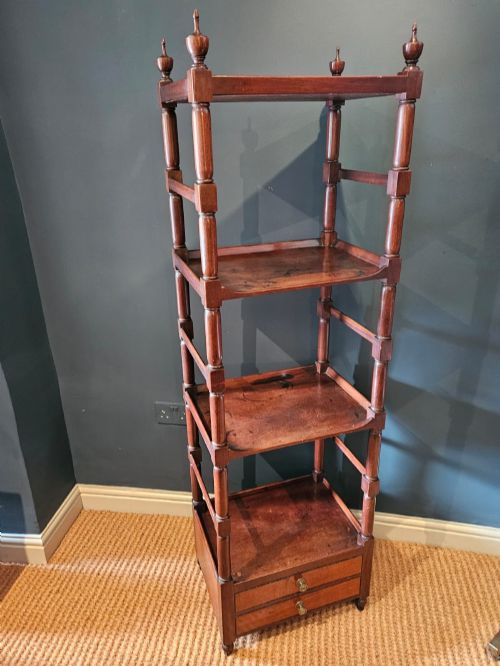
A whatnot is a multi-tiered open stand specifically designed for displaying ornaments, ceramics, and small books rather than heavy folio volumes. They feature slender turned uprights supporting several stacked platforms.
While bookcases focus primarily on reading material, whatnots prioritise tiered display surfaces and occasionally incorporate small drawers or cupboard sections at the base.