


19th Century Sevres Urns
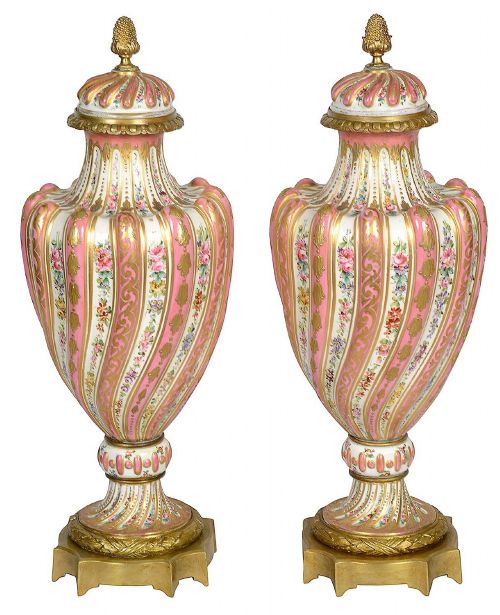
These 19th century sevres urns combine porcelain and ormolu mounts to bring French decorative brilliance directly to your interior.
19th Century Sevres Urns
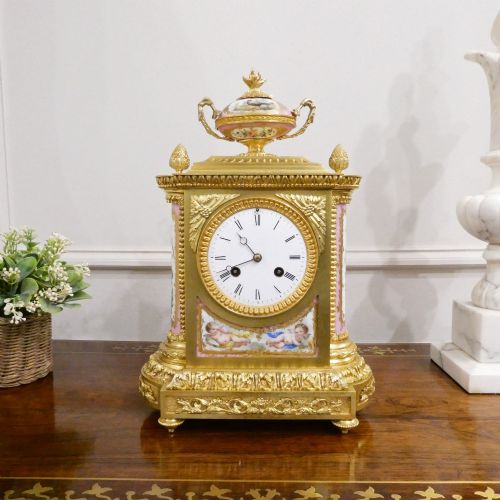
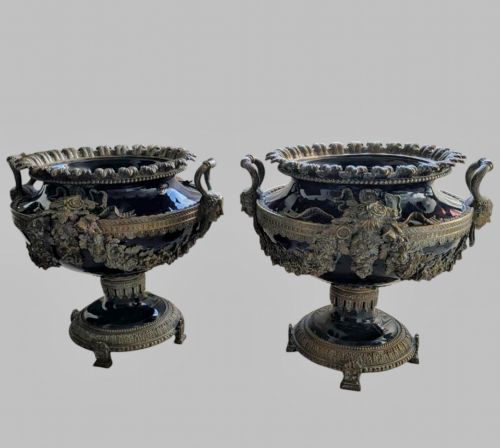
When searching for 19th century sevres urns, you encounter decorative vessels, lidded vases, and mantel clocks created across France during the 1800s. These pieces reflect revival aesthetics including Rococo Revival, Napoleon III, and Louis XVI styles.
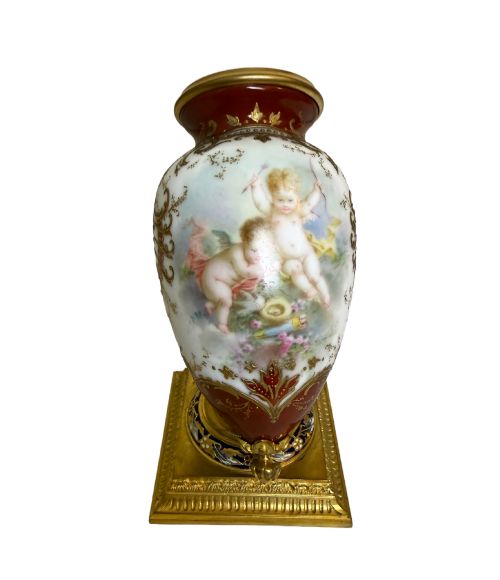
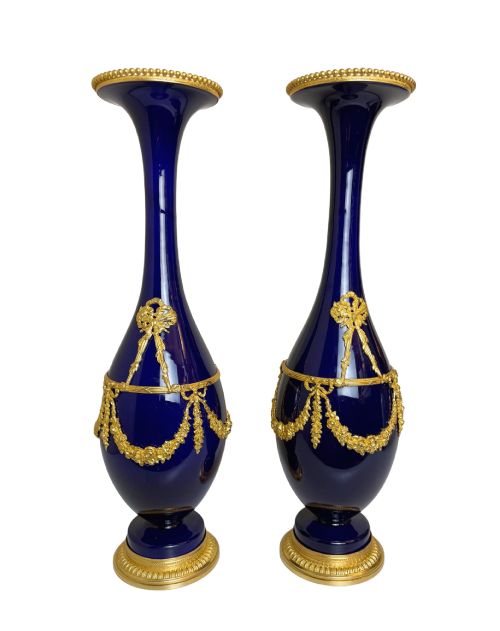
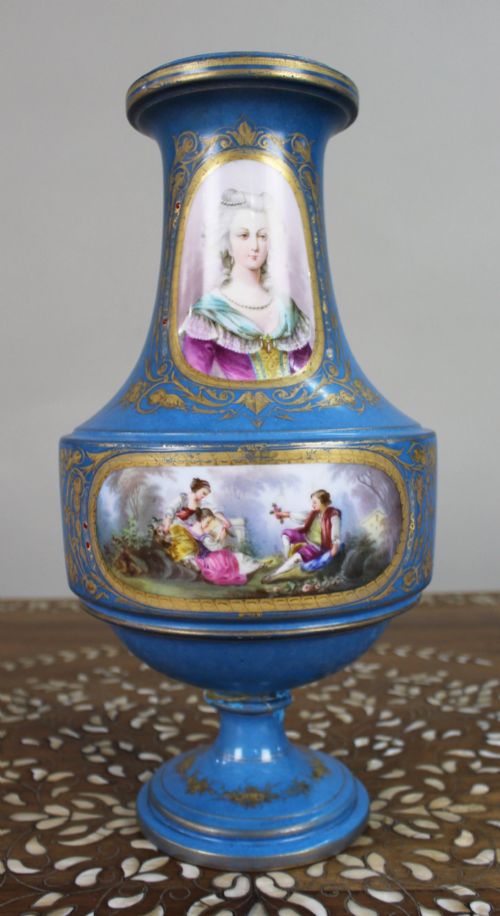
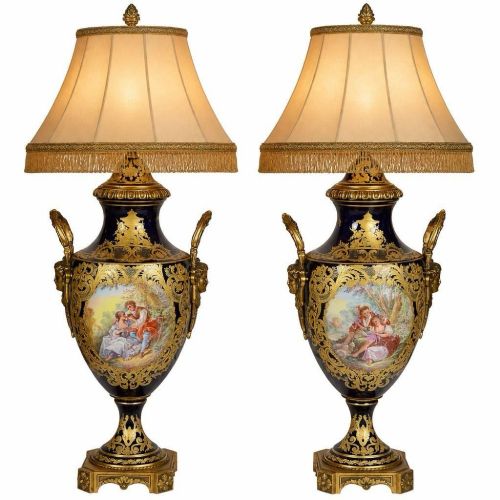
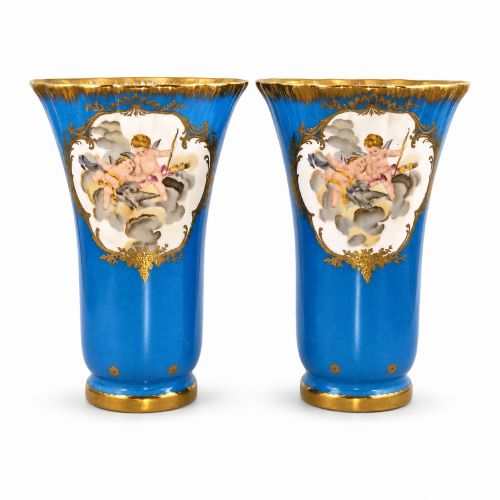
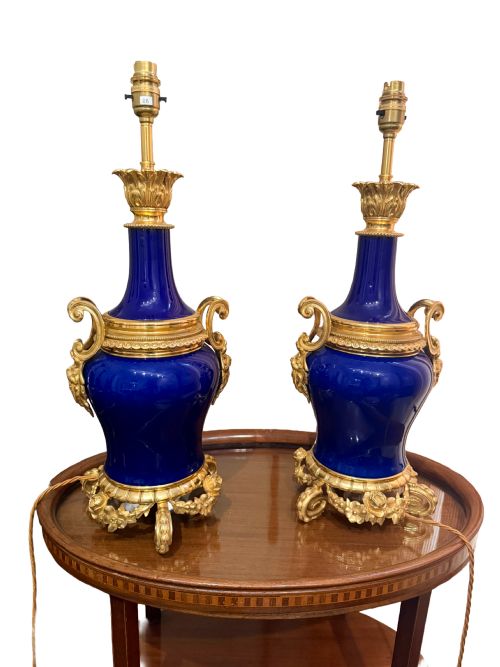
The most common versions on this page are pairs of porcelain vases and lidded urns decorated in blue or pink hues with gilt metal and ormolu mounts. Makers such as Jean-Baptiste Delettrez and Samson Paris contributed to this rich tradition.
Beyond standard vases, the selections include table lamps, jardinieres, and clock garniture sets. These objects translate the luxury of French chateau interiors into substantial decorative centrepieces.
How they were made
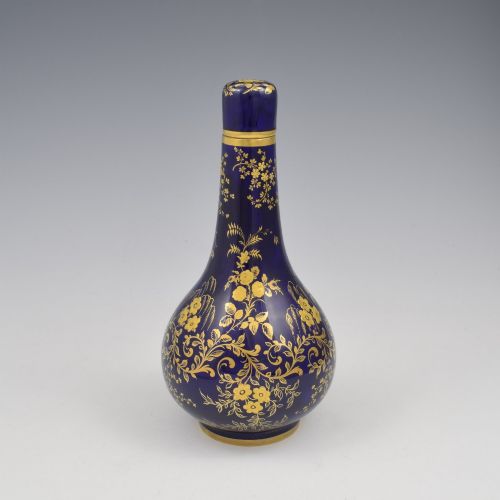
Makers shaped porcelain bodies by hand before applying rich cobalt, bleu celeste, or pink ground colours. Artisans then painted detailed scenes and floral motifs onto the ceramic surfaces.
Foundry workers cast ormolu, gilt bronze, and gilt metal mounts to frame the porcelain vessels. Gold leaf finishes and enamel details complete the decorative hardware attached to the ceramic bodies.
Listings feature porcelain, ormolu, gilt bronze, and glass across French Rococo Revival, Napoleon III, and Louis XVI styles.
What varies in quality
The precision of the ormolu casting separates standard decorative items from superior examples. Crisp chiselling on the gilt bronze mounts indicates skilled foundry work.
Hand-painted details on the porcelain surface dictate the artistic tier of each piece. Superior items display careful brushwork and deep cobalt or bleu celeste glazes.
Jean-Baptiste Delettrez·Samson Paris
The 19th Century Sevres Urns Glossary
- Ormolu
- Gilt bronze mounted onto decorative objects. This technique uses mercury amalgamation to bond gold to a bronze base, producing a rich golden lustre.
- Bleu Celeste
- A bright sky blue glaze colour popular on porcelain pieces. This tone characterises many French decorative urns from the period.
- Garnish
- A matching set of decorative objects, typically comprising a clock flanked by vases or urns. These sets coordinate materials across a mantelpiece.
- Jardiniere
- A decorative ceramic or metal pot designed to hold plants. These pieces often share the porcelain and ormolu palette of related urns.
19th Century Sevres Urns: Frequently Asked Questions
How were sevres urns used?
These pieces served primarily as decorative ornaments on mantelpieces, tables, and cabinets within wealthy nineteenth-century drawing rooms.
Some variants functioned as table lamps or jardinieres, combining ornamental appeal with practical household utility.
How do I identify a 19th century piece?
Examine the style of the ormolu mounts and the depth of the porcelain glaze. Revival aesthetics such as Louis XVI and Rococo patterns dominate pieces from this era.
Check the base and mounts for manufacturing marks or signs of nineteenth-century foundry techniques.
Where should I place an urn at home?
Display pairs symmetrically on sideboards, mantels, or console tables where their gilt mounts and painted porcelain catch the light.
Ensure stable placement away from high-traffic edges, as these ceramic and bronze items are heavy and delicate.
What is the difference between sevres and sevres style?
Actual Sevres pieces originate directly from the French royal porcelain manufactory. Sevres style items are produced by other makers or factories emulating that aesthetic.
Both categories utilise similar porcelain bodies, bleu celeste glazes, and ormolu mounts characteristic of nineteenth-century French taste.