
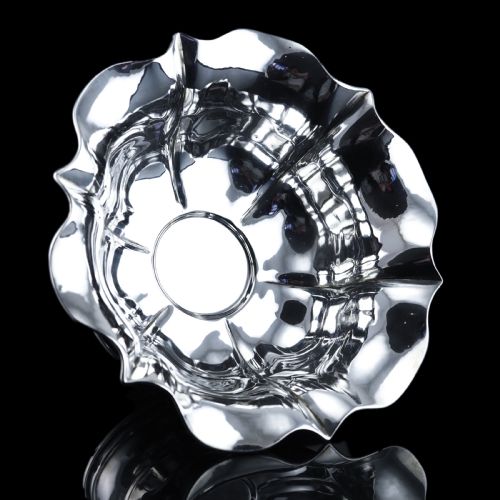


19th Century Serving Dish
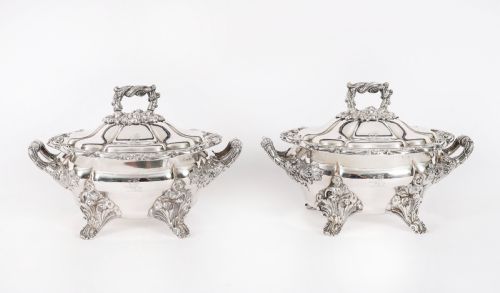
When you seek a 19th century serving dish, you step into a world of porcelain platters, earthenware meat plates, and silver-plated tureens meant for generous dining tables.
19th Century Serving Dish
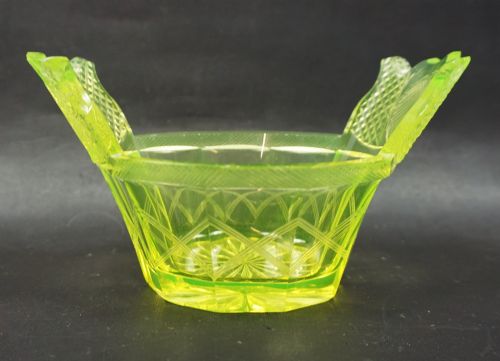
A 19th century serving dish encompasses a wide variety of domestic vessels designed for presenting food, from large platters and meat plates to lidded sauce tureens and lazy susans. The pieces found here span the Georgian, Regency, and Victorian eras, originating from English potteries, European porcelain houses, and Asian export workshops.
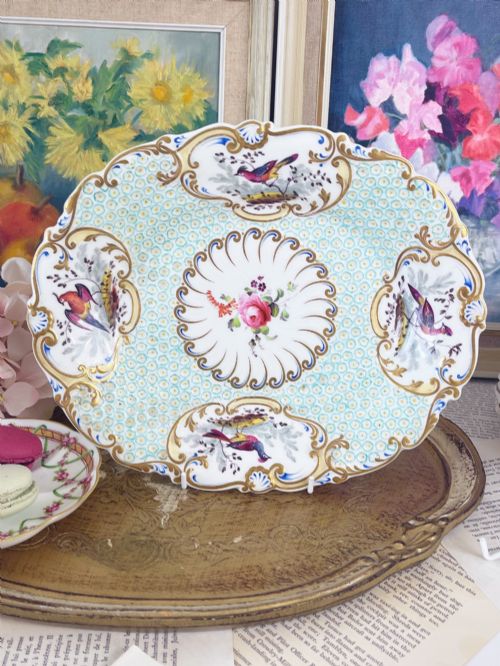
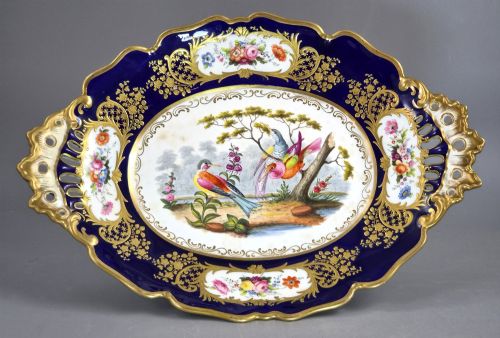
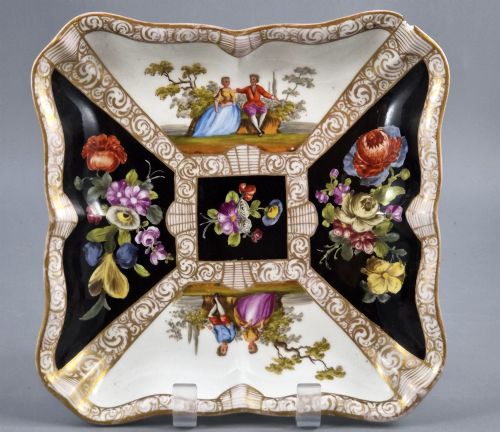
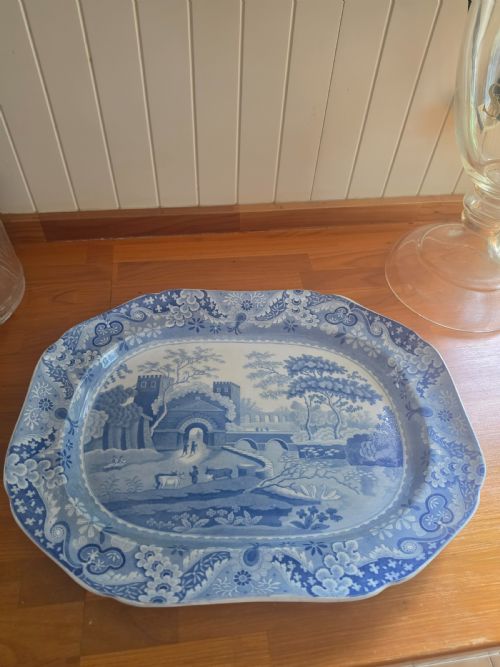
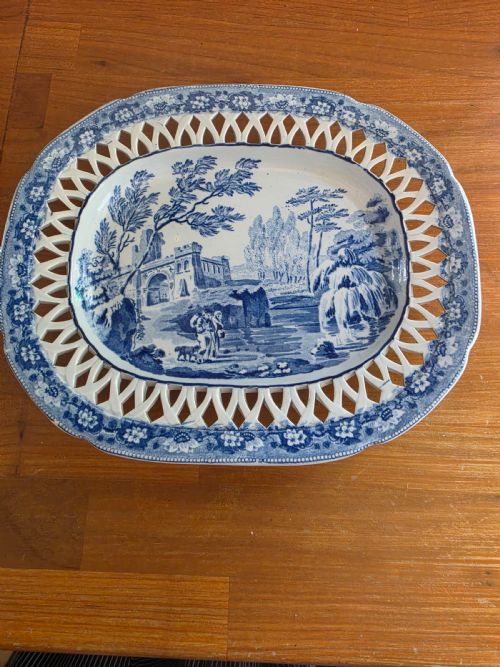
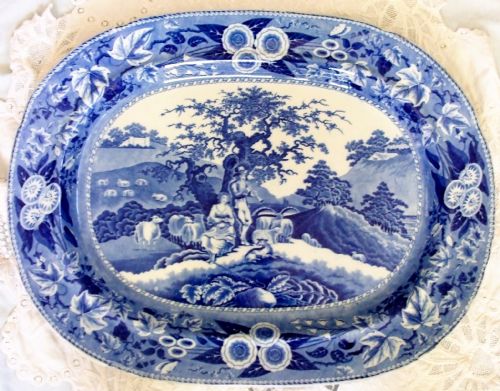
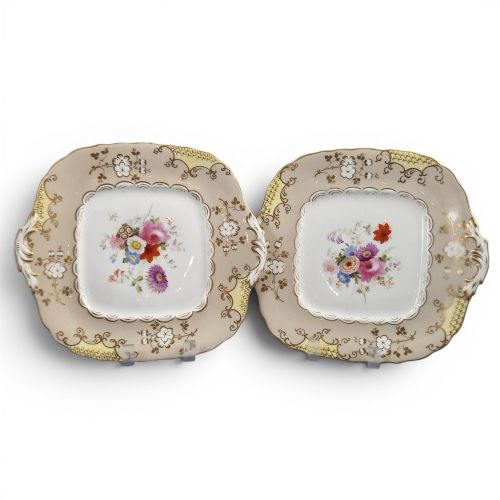
The most common items on this page are blue and white transfer-printed earthenware meat platters and hand-painted porcelain dessert dishes. Alongside these ceramic forms, buyers frequently encounter silver plate, enamel, and turned wood utensils created for formal dining settings.
Materials and Techniques
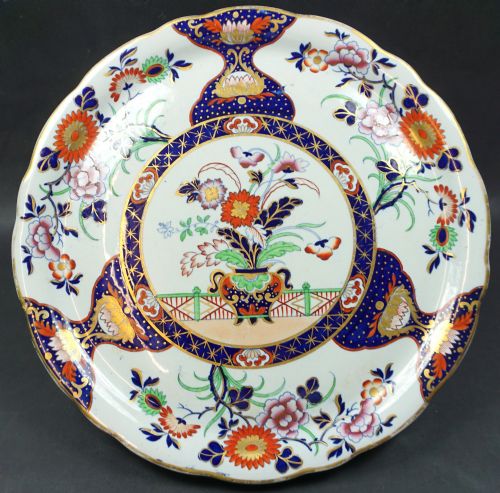
Potters of this era shaped their wares using earthenware, ironstone, and fine porcelain, often applying rich cobalt blue transfer prints or hand-painted botanical and avian scenes under a glossy glaze. Metal pieces relied on Old Sheffield plate or solid silver, while specialised items incorporated gilding, gold leaf, and vibrant enamelwork.
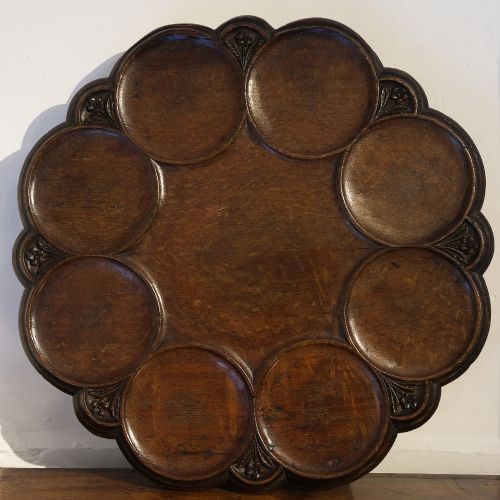
Woodworking techniques also contributed to the dining table, utilising turned oak and walnut to construct sturdy serving accessories like lazy susans and treen bowls. Across all materials, craftsmanship emphasised durability for daily use combined with decorative refinement.
Listings feature earthenware, porcelain, and silver plate across Georgian, Regency, and Victorian periods.
Markers of Distinction
The distinction between ordinary utility wares and exceptional pieces rests upon the crispness of the transfer print, the complexity of hand-painted details, and the prestige of the maker. Renowned factories such as Spode, Coalport, and Minton achieved superior clarity in their transfer patterns and finer translucency in their porcelain bodies.
Preservation of surface decoration, minimal glaze wear, and intact original components like lids or matching stands elevate certain examples. Additionally, artistic ambition - such as intricate Rococo Revival moulding or elaborate hand-coloured Watteau scenes - separates standard table items from collector pieces.
H & R Daniel·Coalport·Meissen·Spode·Davenport·Hicks & Meigh·Rockingham Pottery·William Bennett·Mann & Co·Minton·Henry Wilkinson·Flight Barr & Barr·Masons·Tiffany & Co·Samson·Copeland & Garrett
The 19th Century Serving Dish Glossary
- Transfer printing
- A decoration technique where an engraved copper plate transfers a design onto tissue paper, which is then pressed onto the ceramic body before glazing. This method allowed for intricate, repeating pictorial scenes in blue and white.
- Old Sheffield plate
- A composite material made by fusing a thin sheet of silver to a thicker copper base, common in dining wares before modern electroplating. It is identified by the subtle show of copper along edges where the silver layer thinned.
- Ironstone
- A heavy, durable type of earthenware patented in the early nineteenth century to imitate Chinese porcelain. It resists chipping and provided a reliable canvas for colourful enamel patterns.
- Tureen
- A deep, covered vessel designed for serving soups, sauces, or stews at the table. These often rested on matching ceramic platters or metal stands.
- Treen
- Small handmade wooden household objects and utensils turned on a lathe. Common examples include bowls and serving trays fashioned from walnut or oak.
19th Century Serving Dish: Frequently Asked Questions
How were these dishes used originally?
These vessels held large joints of meat, seasonal vegetables, desserts, or sauces during multi-course nineteenth-century meals. Platters managed heavy roasts, while lidded tureens kept gravies and soups warm at the dining table.
As dining habits evolved, many of these utilitarian items transitioned into decorative display pieces or retained a role in modern festive entertaining.
How do I care for antique ceramic dishes?
Wash ceramic serving pieces gently by hand using mild detergent and warm water. Avoid soaking antique pottery or porcelain, particularly pieces with old glazes or delicate hand-painted enamel.
Keep them away from dishwashers and sudden temperature changes to protect the historic body and surface decoration from cracking.
How can I tell the period of a piece?
Dating relies on factory marks stamped or painted on the underside, stylistic cues like Regency shapes or Victorian Rococo Revival moulding, and the specific tones of blue transfer prints. Examining the weight of the ceramic and the style of hand-painted botanical or figural scenes also points toward a decade.
Comparing the maker's recorded active years helps narrow the window of manufacture.
Can I still use these for food?
Many nineteenth-century ceramic and silver-plated dishes remain stable for serving dry foods or fruit. However, some early glazes may contain trace materials that discourage heavy culinary use with acidic items.
Inspect the surface condition for any deep crazing or structural repairs before utilising them at your dining table.