




19th Century Samson Porcelain
These pieces of 19th century samson porcelain offer collectors exact and elaborate revivals of earlier ceramic traditions produced in Paris.
19th Century Samson Porcelain
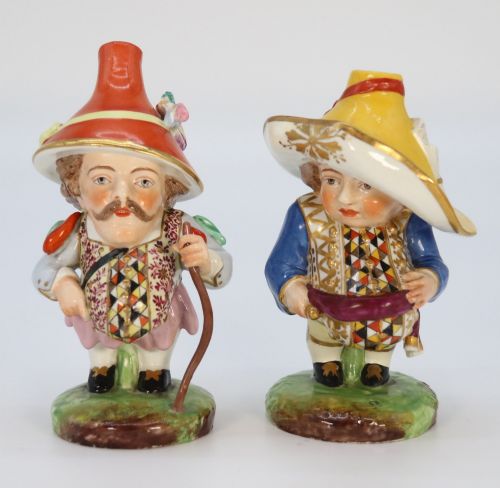
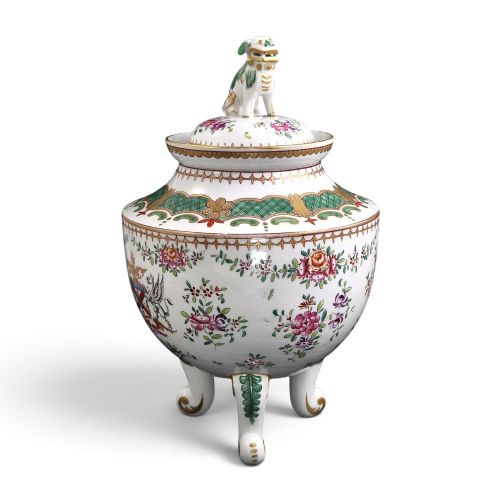
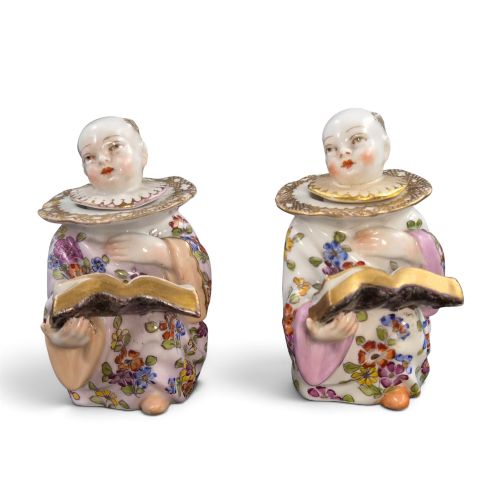
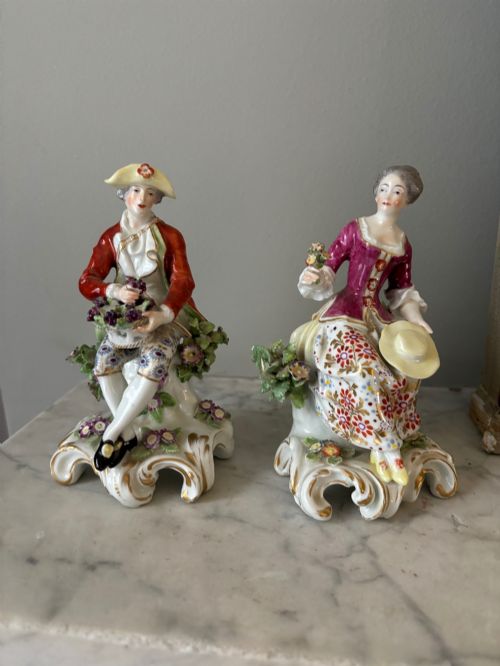
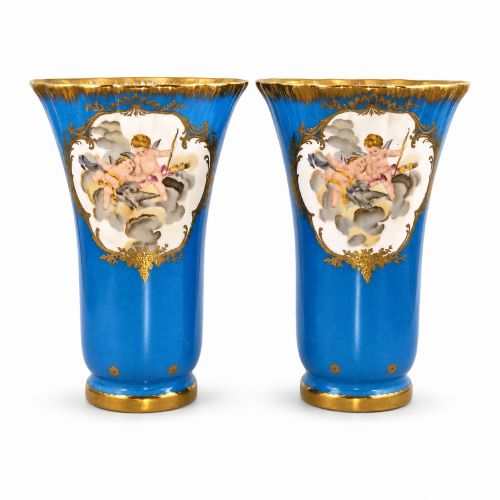
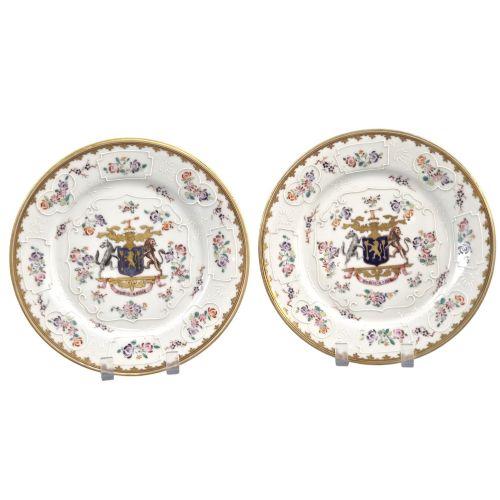
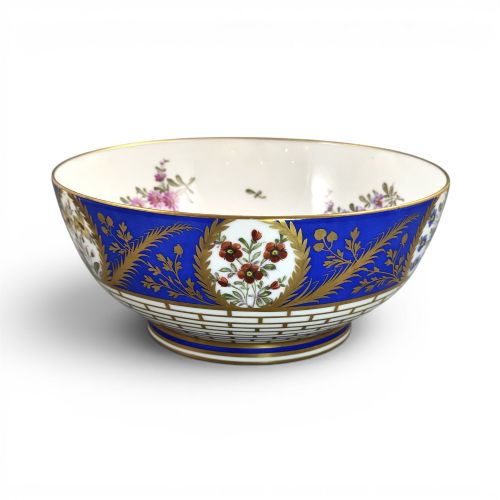
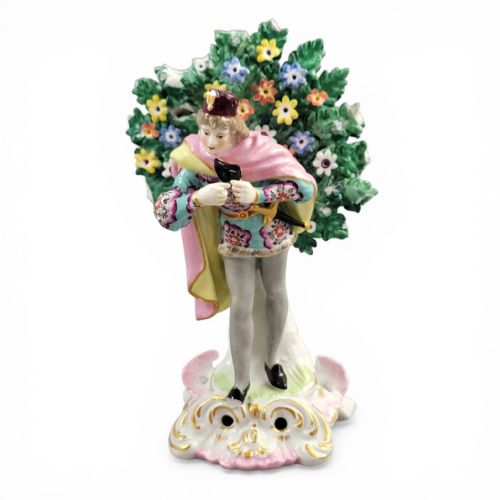
When searching for 19th century samson porcelain, collectors encounter pieces produced by the Parisian firm Edmé Samson et Cie, known for creating meticulous interpretations of historic ceramics. The selection most frequently includes decorative figures, vases, armorial plates, and bowls inspired by earlier factories such as Chelsea, Derby, and Sèvres, alongside styles like Chinoiserie and Famille Rose.
The firm also produced elaborate figural groups, jardinières, and candelabra mounted in ormolu, reflecting the broader 19th-century French taste for historical revival. These objects were conceived as skilled homages to earlier wares rather than straightforward forgeries, often bearing distinct marks or variations that signaled their true origin to knowledgeable buyers.
How They Were Made
Production relied on hard-paste porcelain shaped through moulding and hand-finishing, followed by meticulous hand-painting using polychrome enamels and gold leaf. Artisans applied raised white enamel and gilding to accentuate decorative motifs, often pairing the porcelain bodies with cast gilt bronze or ormolu mounts.
Firing techniques achieved the specific glaze effects seen in copies of Bleu Céleste grounds and Chinese export styles. The combination of detailed modelling in figures and precise armorial painting required advanced ceramic chemistry and skilled brushwork.
Materials recorded across the inventory include porcelain, hard-paste porcelain, enamel, gold leaf, gilt, gilding, and ormolu.
What Varies in Quality
Quality in 19th century samson porcelain depends on the precision of the modelling and the crispness of the hand-painted details. Finer examples display delicately rendered facial expressions on figures and deeply saturated enamels on armorial or Chinoiserie vessels.
The integration of secondary materials such as ormolu mounts and gilt bronze also influences the standard of a piece. Superior objects maintain sharp definition in both the porcelain body and the applied metalwork without blurring or misalignment in the decorative scheme.
Edmé Samson·Edmé Samson et Cie
The 19th Century Samson Porcelain Glossary
- Hard-paste porcelain
- A dense, vitrified ceramic composed of kaolin and petuntse fired at high temperatures. It forms the durable white body typical of these French revival pieces.
- Ormolu
- Gilded bronze mounts applied to furniture and porcelain vessels. This technique adds structural weight and decorative richness to vases, candelabra, and centrepieces.
- Bleu Céleste
- A bright turquoise blue ground colour developed at the Sèvres factory. Samson frequently adopted this hue for decorative vases and trays in the Sèvres taste.
- Famille Rose
- A palette of opaque enamel colours dominated by pink, introduced to Chinese porcelain in the 18th century. Samson used this style extensively for punch bowls and armorial plates.
- Bocage
- An open, leafy background of foliage and flowers modelled behind porcelain figures. It appears frequently in English-style shepherd and allegorical groups.
19th Century Samson Porcelain: Frequently Asked Questions
What is samson porcelain?
Samson porcelain refers to items produced by the Edmé Samson et Cie workshop in Paris during the nineteenth century. The firm specialised in recreating historic ceramic styles from factories like Chelsea, Derby, and Meissen.
These pieces were intended as high-quality decorative tributes and reproductions of earlier collector pieces rather than deceptive counterfeits, though they are now collected in their own right.
How do I identify a samson piece?
Identification often relies on recognising the characteristic painting style, paste composition, and specific revival motifs employed by the Parisian workshop. Many items carry distinct marks that mimic earlier factories while incorporating subtle differences.
The presence of characteristic French gilding and ormolu mounts on English-style figural groups also points directly to the Samson production methods.
Were these porcelain items used daily?
Most of these objects served primarily decorative purposes within nineteenth-century interiors, functioning as mantel garnitures, cabinet pieces, or table centrepieces. Vases, armorial plates, and figural groups were designed to display wealth and refined taste.
Some functional items such as soup tureens, punch bowls, and inkwells were produced, but their survival in pristine condition suggests careful handling.
How do I care for gilt porcelain?
Care requires gentle dusting with a soft, dry cloth to protect delicate hand-painted enamels and gold leaf details. Moisture and harsh cleaning agents should be avoided to prevent degradation of the gilt bronze mounts and porcelain surfaces.
Displaying pieces away from direct sunlight helps preserve the vibrancy of the polychrome enamel colours over time.