
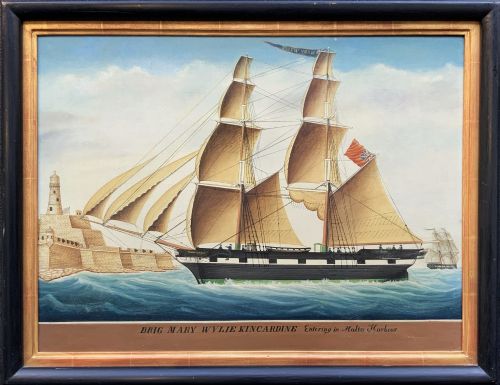
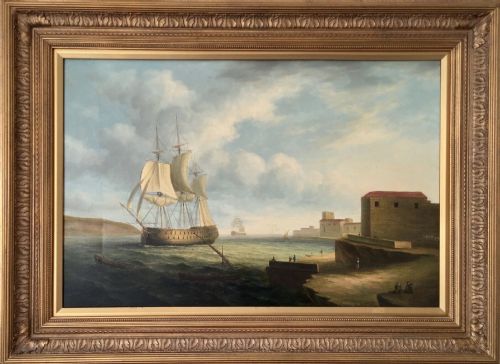
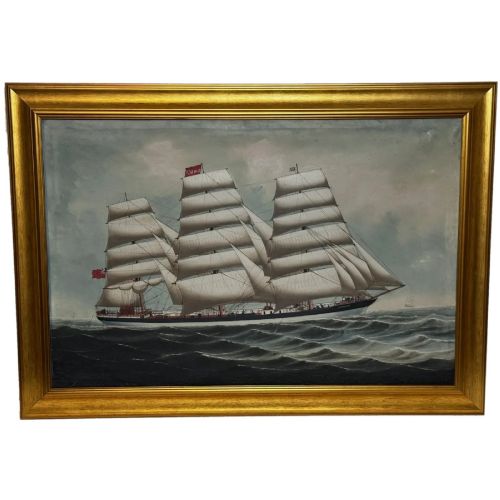
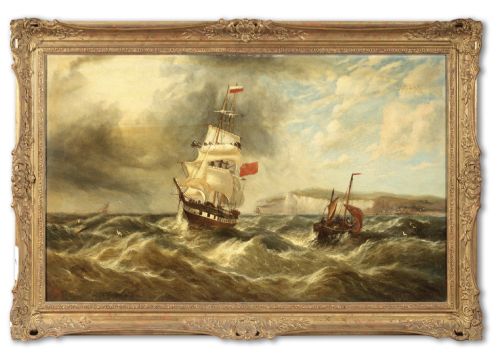
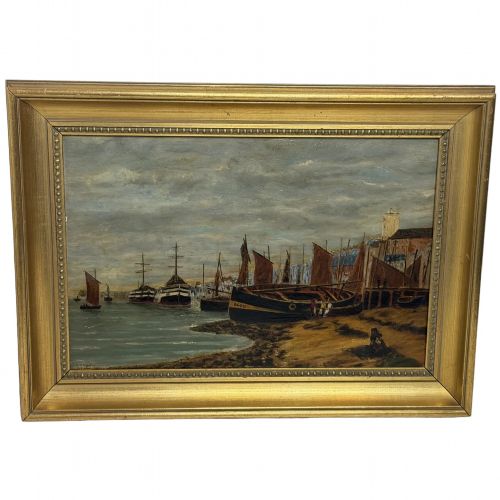


19th Century Sailing Vessel
These 19th century sailing vessel works capture maritime history through oil paintings, watercolours, and detailed dioramas that collectors prize for their nautical heritage.
19th Century Sailing Vessel
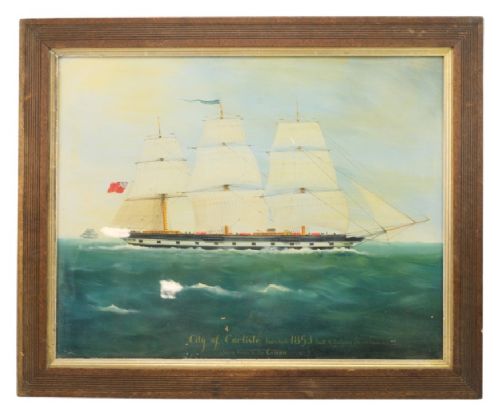
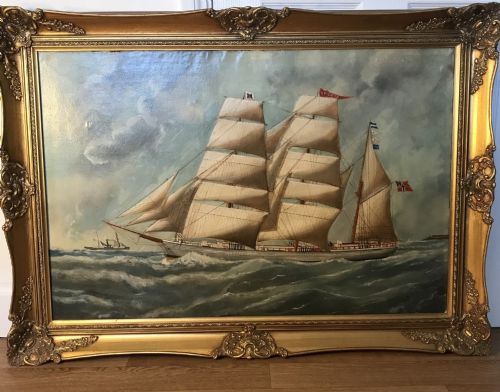
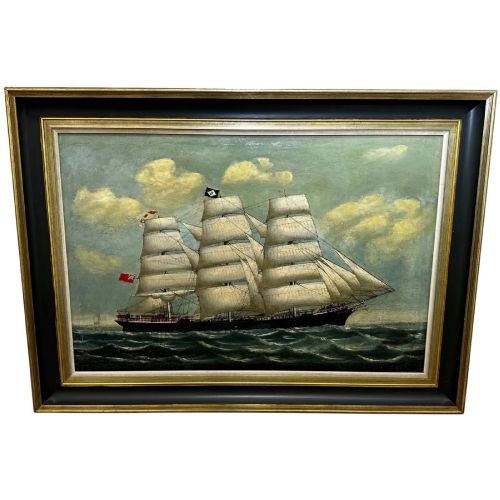
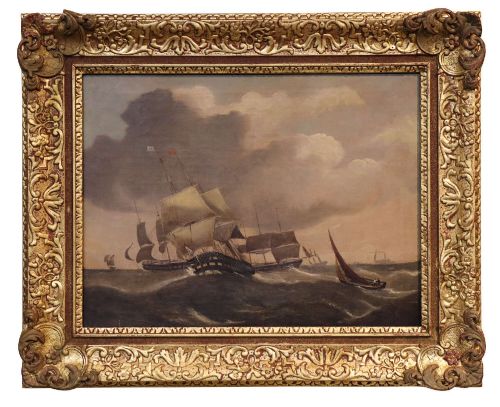
Most pieces date from the Victorian period, portraying specific vessels such as named clippers, warships, and fishing boats near harbours or lighthouses. These works document maritime subjects ranging from busy ports like North Shields to open ocean scenes.
Buyers encounter both fine art paintings by listed marine artists and folk art dioramas utilising straw work or wood. The category spans framed watercolours, lithographs, and decorative models housed in glass cases.
How they were made
Painters applied oil paint or watercolour onto canvas, paper, or panel to capture the movement of waves and rigging. Many works utilise traditional framing in wood, giltwood, or oak.
Model makers and folk artists constructed dioramas using wood, canvas, and straw work enclosed within glass display cases. Artisans rendered maritime details meticulously to portray specific ships and rigging accurately.
What varies in quality
Quality rests upon the artist's command of maritime anatomy, including the correct depiction of rigging, hull proportions, and atmospheric sea conditions. Works by documented marine painters demonstrate superior handling of light on water and vessel movement compared to anonymous school pieces.
Condition and medium preservation influence desirability, particularly in oil paintings retaining vibrant pigments and watercolours free from excessive fading. Cased dioramas and models vary according to the intricacy of the straw work or wooden construction and the original glass housing.
Reginald Arthur Borstel·John Rose Miles·Lai Fong·Charles William Adderton·William Frederick Settle·Samuel Owen·Marie-Edouard Adam·Ebeneezer Colls·Gustave De Breanski·Joseph Heard·Paul Jean Clays·Richard Ball Spencer·George Stainton·Thomas Bush Hardy
The 19th Century Sailing Vessel Glossary
- Barque
- A sailing vessel with three or more masts having the fore and mainmasts square-rigged and the mizzenmast fore-and-aft rigged. This rig was common for 19th-century merchant shipping.
- Clipper
- A very fast nineteenth-century merchant sailing ship with three masts and a square rig. These vessels are frequently depicted racing or operating on trade routes.
- Diorama
- A three-dimensional scene enclosed in a glass case, often featuring model sailing ships set against painted backgrounds. Maritime examples sometimes incorporate straw work.
- Marine art
- Artistic representation of ships, maritime scenes, and coastal views. This genre includes oil portraits of specific vessels and watercolour sketches.
- Watercolour
- A painting method in which the paints are made of pigments suspended in a water-based solution. Artists utilised this medium extensively for sketching ships at sea.
19th Century Sailing Vessel: Frequently Asked Questions
How do I identify a ship portrait?
Artists often inscribed the name of the vessel on the canvas, within the composition, or on the frame. These works focus centrally on a named ship, sometimes showing it in multiple positions or outside a specific harbour.
Makes and registries from the period help confirm the identity of merchant barques, clippers, and warships recorded by marine painters.
What is a cased diorama?
A cased diorama is a three-dimensional maritime display enclosed within a wooden and glass box. Model ships or straw work vessels are set against painted sea and sky backgrounds.
These pieces protected delicate construction from dust and damage while displayed in homes or offices during the Victorian era.
How should I display maritime art?
Oil paintings and watercolours require placement away from direct sunlight to prevent fading of pigments and degradation of paper or canvas. Framing in period wood or giltwood complements the maritime aesthetic.
Cased models and dioramas need stable surfaces where vibrations will not damage internal rigging or delicate components.
Are ship models contemporary to the ships?
Many model ships and dioramas date from the 19th century, created as woolwork pictures, straw work displays, or scale models. Training models were also produced for navigational and educational use.
Examining the materials, casework, and construction techniques helps determine whether a model dates from the sailing era it depicts.