






Green Sea Canvas Painting
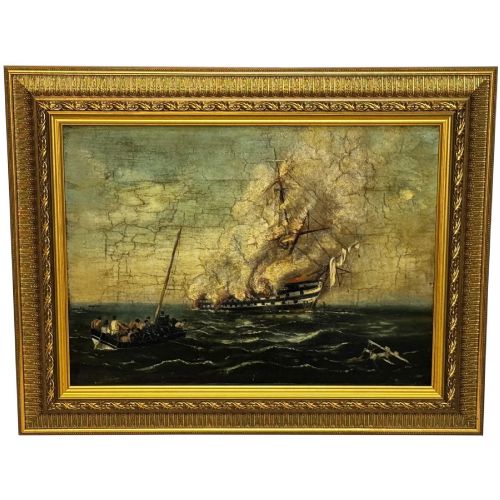
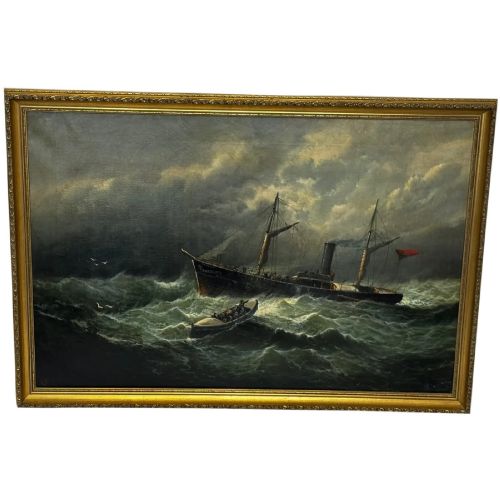
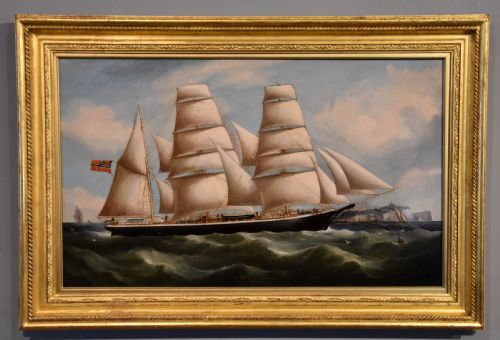
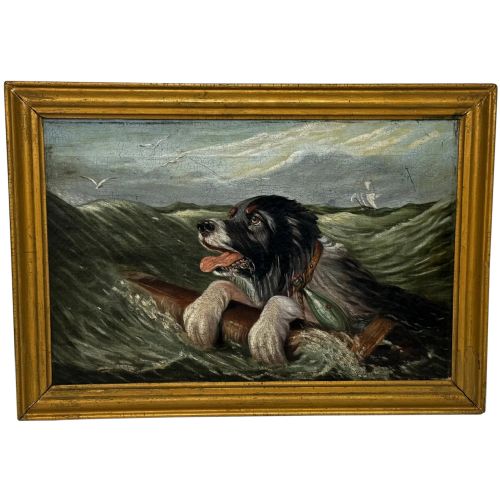
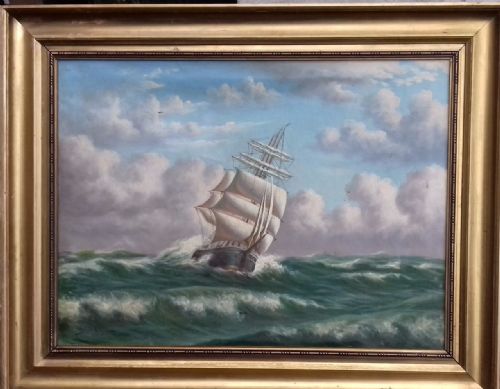
A green sea canvas painting captures turbulent tides and coastal atmospheres through oil on canvas, bringing the moody power of the ocean directly into a room.
Green Sea Canvas Painting
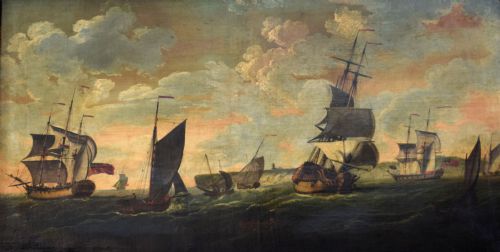
A green sea canvas painting focuses primarily on maritime scenes, coastal views, and rough waters rendered in oils. The pieces available here span from mid eighteenth-century works up to modern British and post-nineteen-sixties compositions, reflecting a wide chronological range.
The subjects range from Victorian marine rescues and Dutch fishing boats to named schooners and quiet coastal landscapes. Buyers will find works attributed to named artists alongside indistinctly signed impasto canvases.
Most examples originate from nineteenth-century maritime traditions, showing historical vessels, rocky seascapes, and moonlit shores. These oil paintings function as striking wall art centred around coastal and nautical themes.
How they were made
The foundational support for these artworks is woven canvas stretched over wooden frames or applied to board. Artists built up the surface using oil paint, occasionally employing thick impasto techniques to give texture and movement to stormy green waves.
Many of the older works feature gilt or gold leaf frames that complement the rich pigments of the marine scenes. The application of oil paint allowed creators to capture subtle shifts in light on the water and atmospheric coastal haze.
The selection includes works spanning the eighteenth, nineteenth, and twentieth centuries, executed in oil on canvas or board.
What varies in quality
The distinction between standard works and superior examples lies in the handling of light, depth, and maritime detail within the oil paint. Masterful brushwork brings the movement of a green sea and the rigging of a ship to life with distinct conviction.
Provenance and attribution also divide the selection, as canvases tied to known painters or specific historical vessels carry greater documentary interest. The preservation of the original canvas and the harmony of the framing further elevate certain pieces above anonymous works.
William Broome·Richard B. Spencer·V Dybdal·William Savage Cooper·Walter Meegan·Charles Martin Powell·Alastair Flatterly·Francis Holman
The Green Sea Canvas Painting Glossary
- Canvas
- A heavy woven fabric used as the primary support surface for oil paintings. It is typically stretched tightly across a wooden frame before the artist begins.
- Impasto
- A technique where oil paint is laid thickly on the canvas, standing out in relief from the surface. This method adds tangible texture to painted waves and clouds.
- Gilt
- A thin layer of gold or gold-like material applied to wooden frames. It enhances the visual weight and period character of the presentation.
- Maritime
- Pertaining to the sea, shipping, and navigation, forming the core subject matter of these coastal artworks. These scenes often depict historic vessels and dramatic weather.
- Newlyn School
- An art movement associated with Cornwall that focused on plein air painting and coastal life. Works from this tradition capture authentic local fishing and maritime activities.
Green Sea Canvas Painting: Frequently Asked Questions
How do I identify a nineteenth-century marine painting?
Nineteenth-century marine paintings often feature specific vessel types like three-masted schooners, frigates, or Dutch fishing boats rendered in oil on canvas. Examining the style of the rigging, the clothing of any figures, and the preparation of the canvas helps place the work in this period.
The framing and any historical signatures or attributions also provide clues to the era. Works from this time frequently document specific maritime events or named ships.
Where should I hang a coastal oil painting?
These oil paintings suit spaces where the deep green tones of the sea can complement the room's interior. Placing them away from direct sunlight protects the oil pigments and the canvas from fading over time.
A sturdy wall is essential to support the combined weight of the canvas, wooden stretcher, and often heavy gilt frame.
How do I care for an oil painting on canvas?
An oil painting on canvas requires a stable indoor environment with minimal fluctuations in humidity and temperature. This prevents the canvas from slackening and the oil paint from cracking.
Dusting should be done very gently with a soft, dry brush, avoiding any moisture or chemical cleaners on the painted surface.