

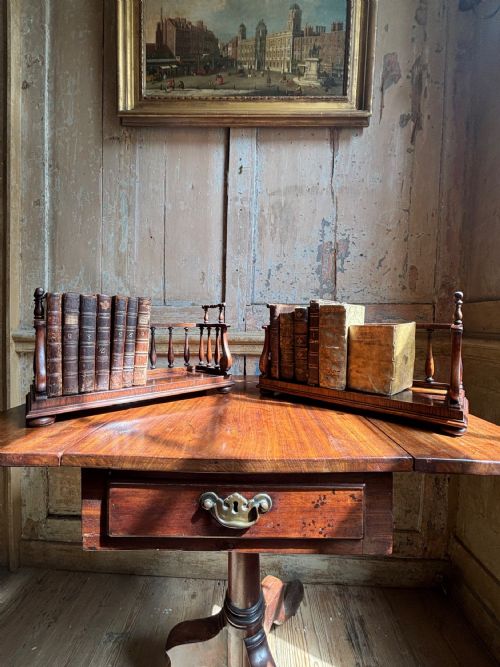
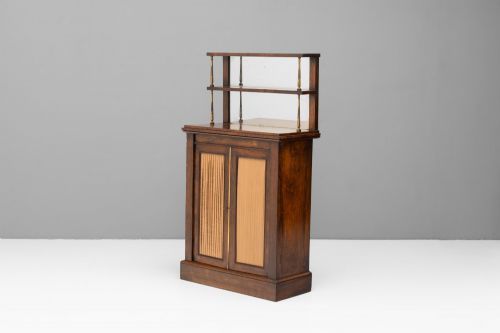
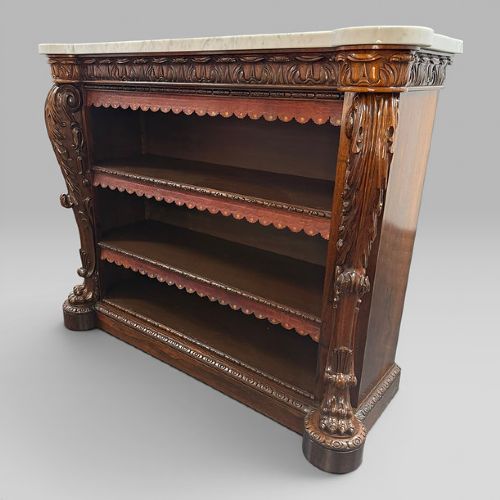
19th Century Rosewood Shelves
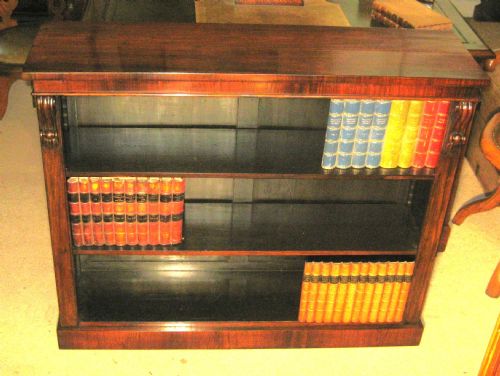
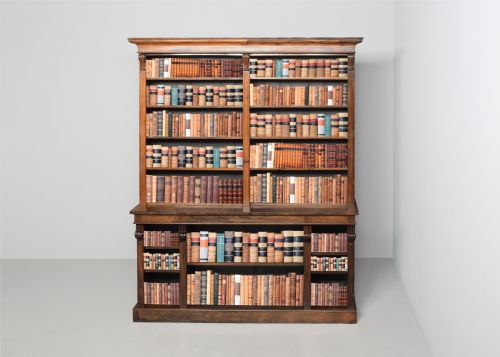
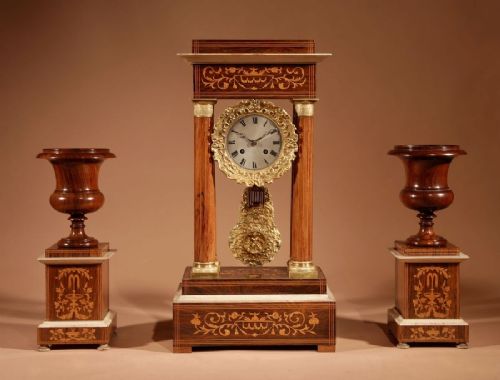
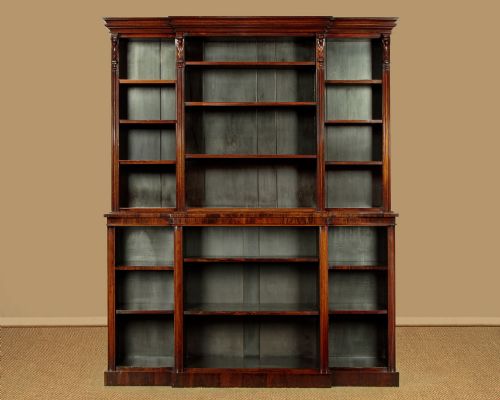
These 19th century rosewood shelves bring deep timber grain and refined joinery to a room, offering practical display space for books and objects.
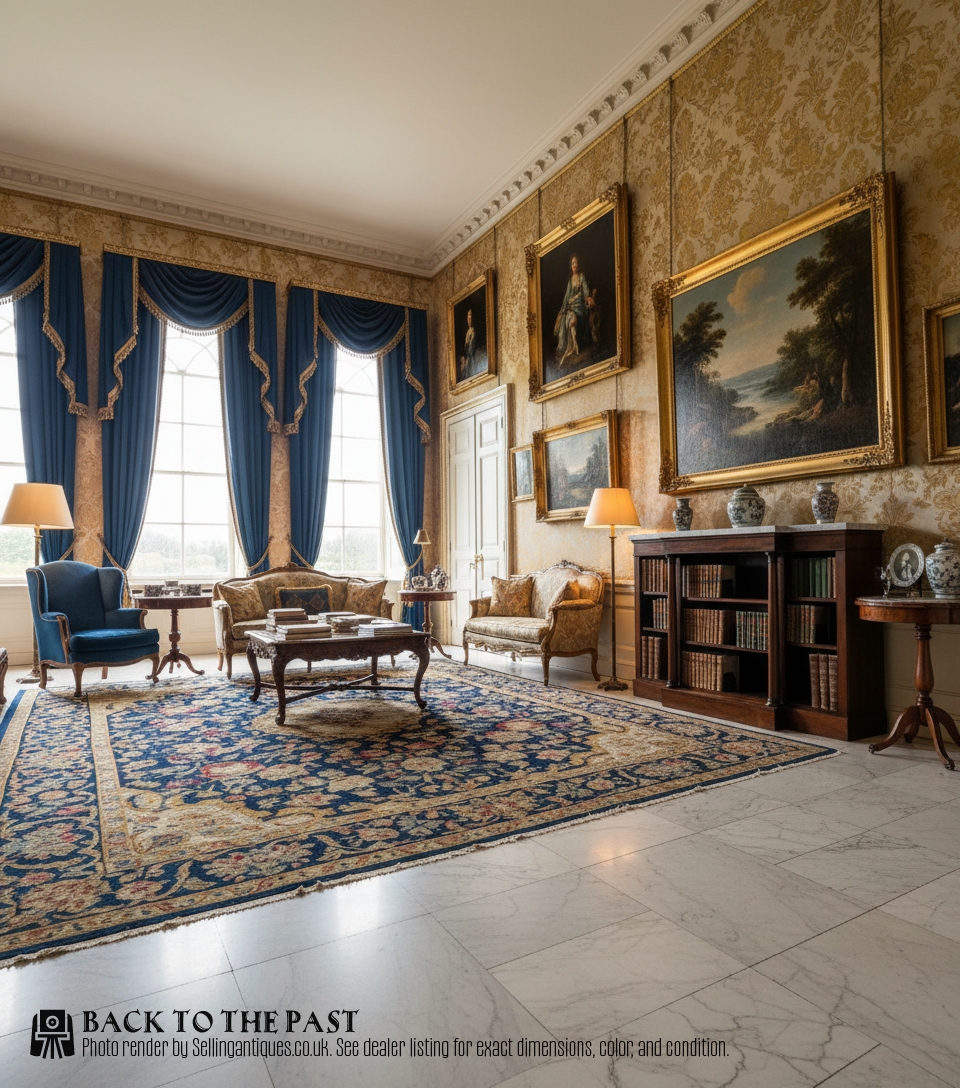
19th Century Rosewood Shelves
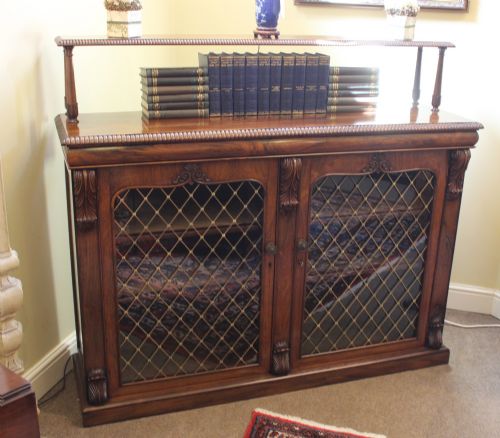
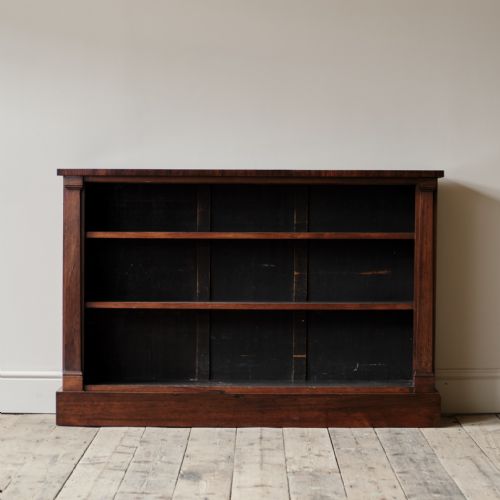
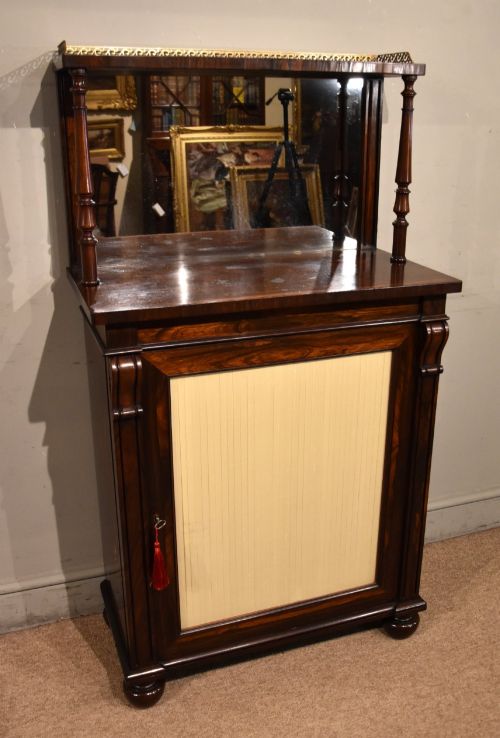
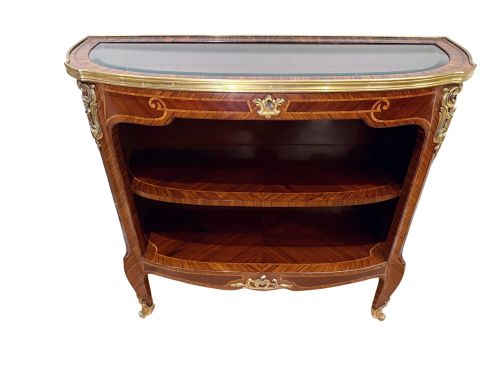
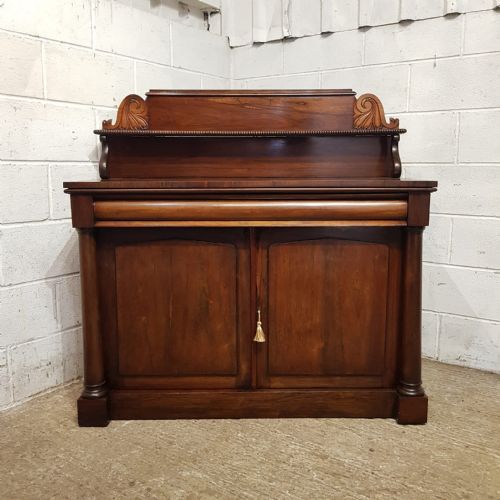
When searching for 19th century rosewood shelves, buyers encounter open bookcases, chiffoniers, etageres, and wall-mounted shelves spanning Regency, William IV, and Victorian periods. These pieces serve as functional furniture designed to hold books, ceramics, and decorative items.
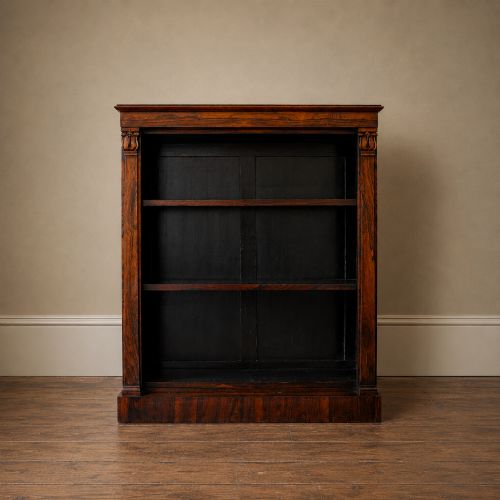
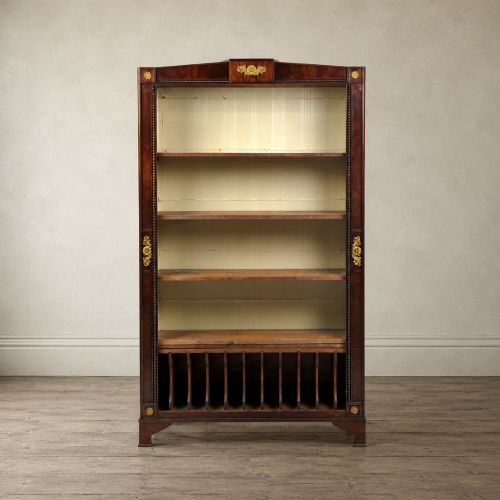
Open bookcases form the most common format on this page, often featuring adjustable shelves and architectural details like carved corbels. Alongside these, multi-tiered etageres and wall shelves provide lighter alternatives for smaller display requirements.
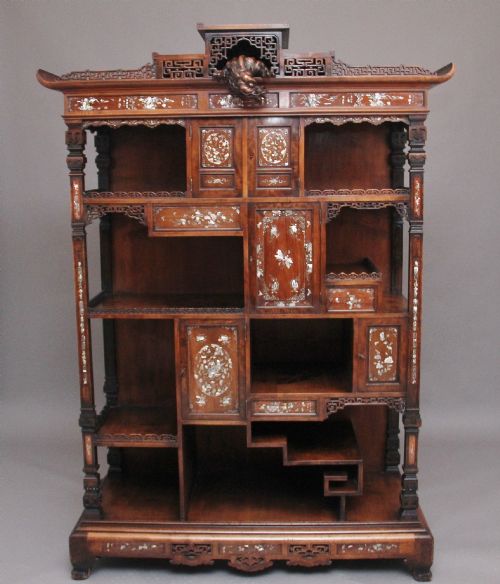
Origins stretch across British workshops and French cabinet makers, occasionally incorporating influences from the Meiji period in Japanese-style shodana cabinets. The underlying timber remains consistent, though the overall silhouettes shift from severe Regency lines to ornate Victorian carvings.
Distinctions in execution
Quality rests on the depth of the timber figuring, the precision of brass inlay work, and the crispness of carved details such as corbels or mouldings. Superior examples demonstrate careful grain matching across visible surfaces and robust structural integrity in weight-bearing shelves.
The sophistication of secondary woods and the refinement of internal adjustments distinguish standard utility furniture from pieces produced by notable workshops or high-end urban cabinet makers.
The listings span multiple decades of the nineteenth century, running from Regency period brass-inlaid chiffoniers through to late Victorian and Meiji period Japanese shodana cabinets.
Gillows·Robert Strahan·Henry Marc
The 19th Century Rosewood Shelves Glossary
- Chiffonier
- A low cabinet featuring a drawer above enclosed cupboards, frequently topped with an open shelf tier supported by pillars.
- Étagère
- A piece of furniture consisting of open shelves staged in tiers for displaying small objects and ornaments.
- Ormolu
- Gilded bronze used for decorative mounts, feet, and gallery rails on cabinet furniture.
- Shodana
- A Japanese multi-tiered display cabinet with staggered shelves and asymmetrical compartments, popular during the later nineteenth century.
- Corbel
- A structural or decorative bracket jutting from a vertical surface to support upper shelves or cornices.
19th Century Rosewood Shelves: Frequently Asked Questions
How do I adjust the shelves?
Many nineteenth-century open bookcases utilise a rack-and-pinion or brass stud system set into the interior sides. Lifting the shelf slightly allows the wooden pegs or brass brackets to shift into alternative vertical slots.
Care is required when moving older timbers to avoid catching the veneer against the interior lining walls.
Were these shelves meant for books?
While designated as bookcases or bookshelves, many of these pieces accommodated decorative ceramics, portfolios, and ornaments alongside bound volumes. Shallower etageres and wall tiers served primarily for display rather than heavy library storage.
Adjustable shelving allowed owners to customise shelf heights for folio volumes or smaller novels.
How do I identify a Regency piece?
Regency and William IV examples tend to exhibit cleaner architectural lines, restrained brass inlay, and classical proportions dating from the early decades of the century. Details often include rosewood veneers with striking dark grain patterns unburdened by heavy Victorian carving.
Later Victorian iterations introduce heavier corbels, richer surface patination, and more elaborate backboards.
How should I care for rosewood?
Rosewood benefits from stable room humidity and protection from direct sunlight, which can fade the characteristic deep reddish-brown tone of the timber. Occasional application of appropriate wax polish maintains the lustre of the polished surface.
Avoid placing damp items directly onto unsealed wood or marble surfaces.