

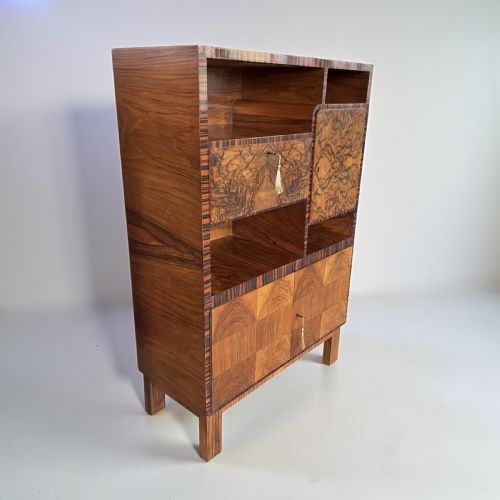

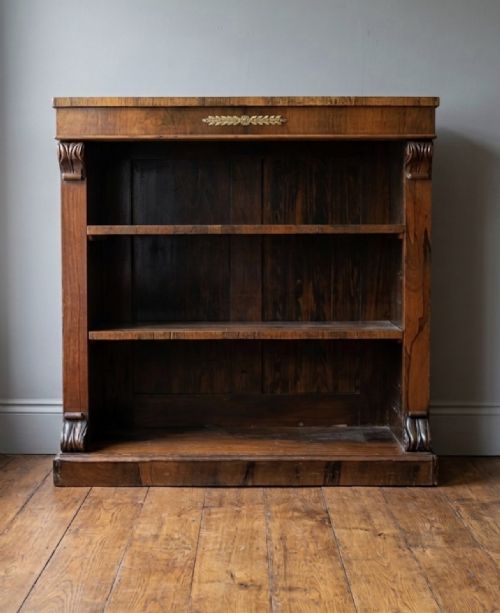
Rosewood Display Shelving
Rosewood display shelving brings structured elegance to a room, offering tiered platforms and open compartments designed for prized objects.
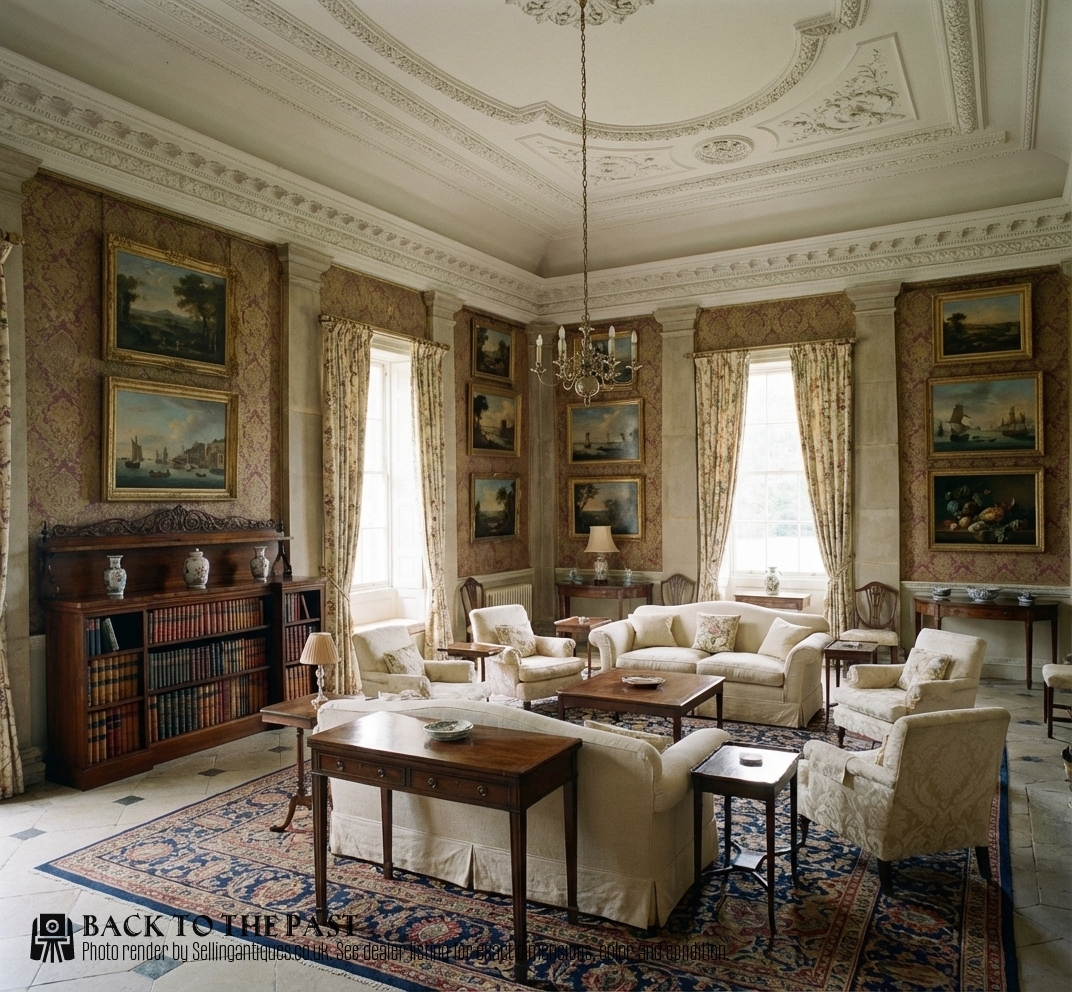
Rosewood Display Shelving
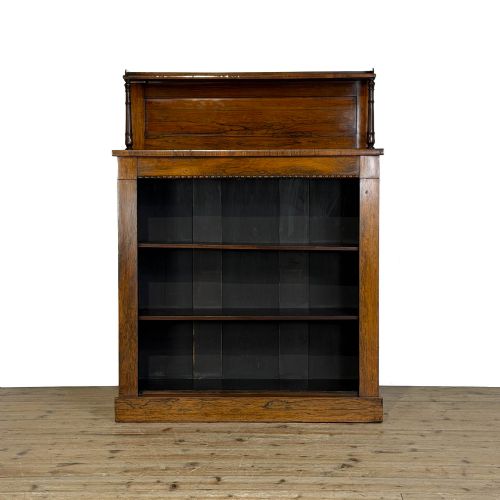
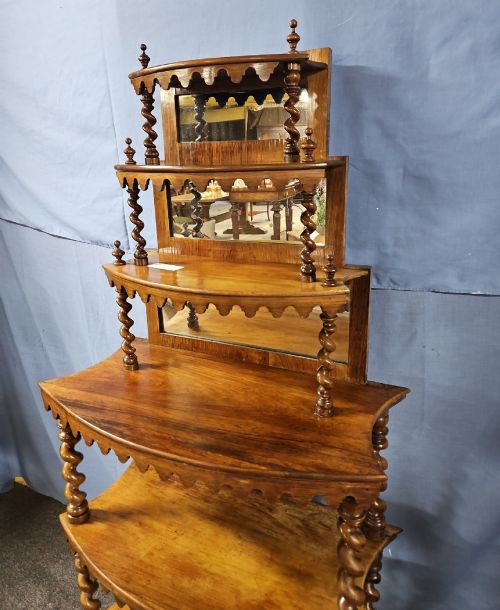
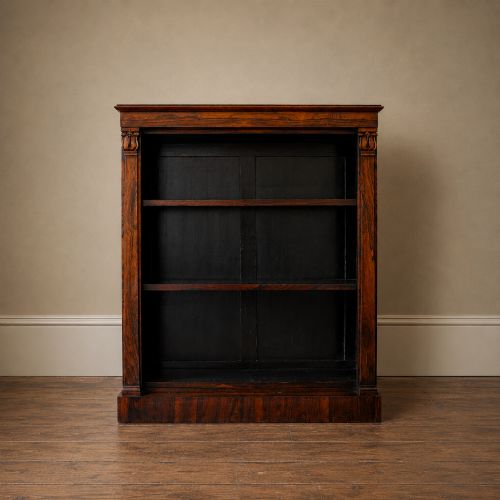
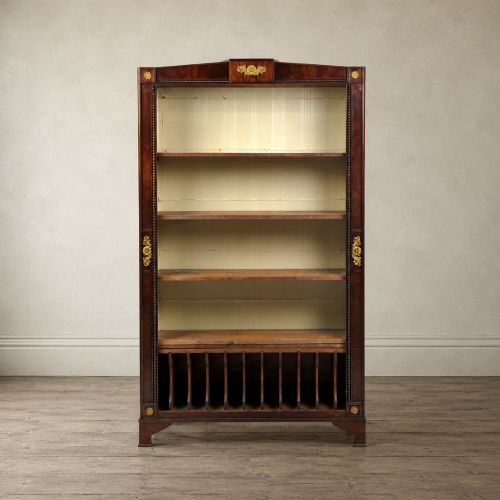
Rosewood display shelving encompasses a varied group of open bookcases, étagères, whatnots, and display cabinets created to exhibit books and decorative items. These pieces emerge predominantly from the nineteenth century, spanning the Regency, Victorian, and Edwardian periods.
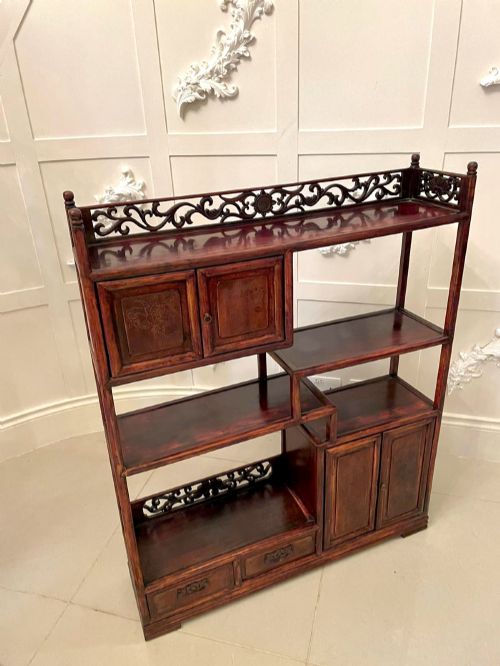
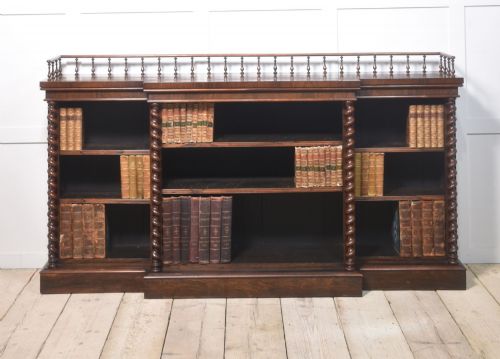
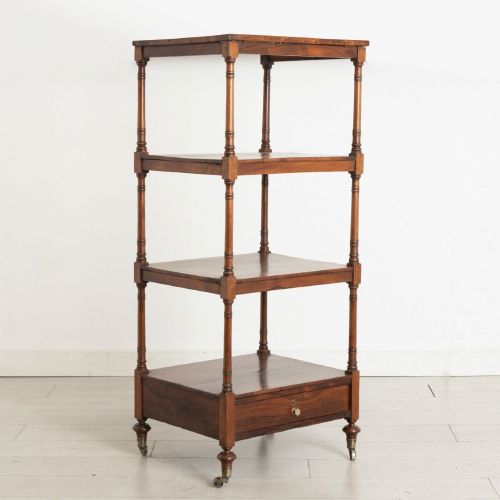
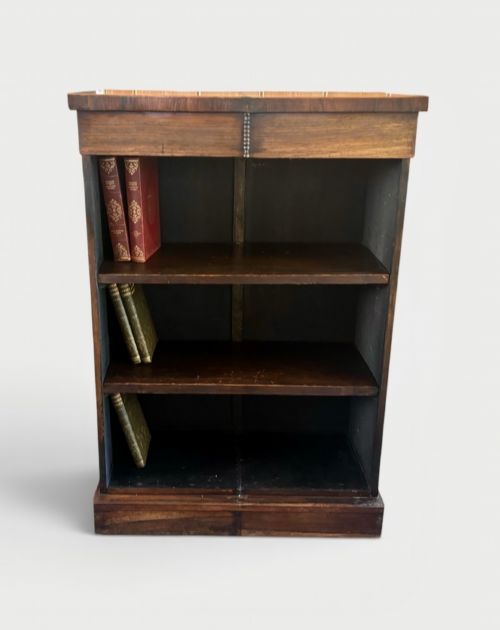
The buyer most frequently encounters open bookcases and multi-tiered whatnots on this page. Forms range from small standing shelf units and wall-mounted shelves to taller central standing buffet shelves and cabinet combinations.
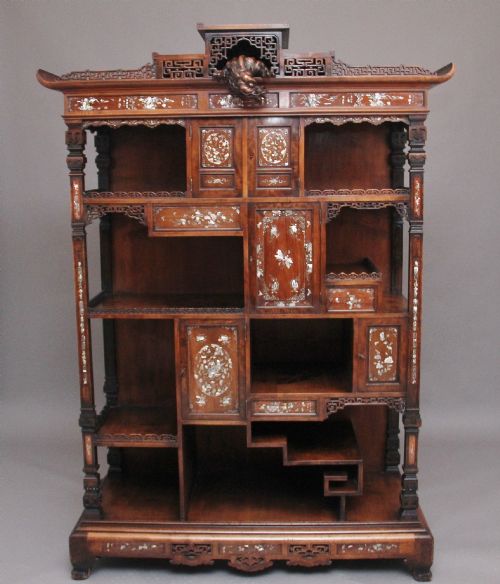
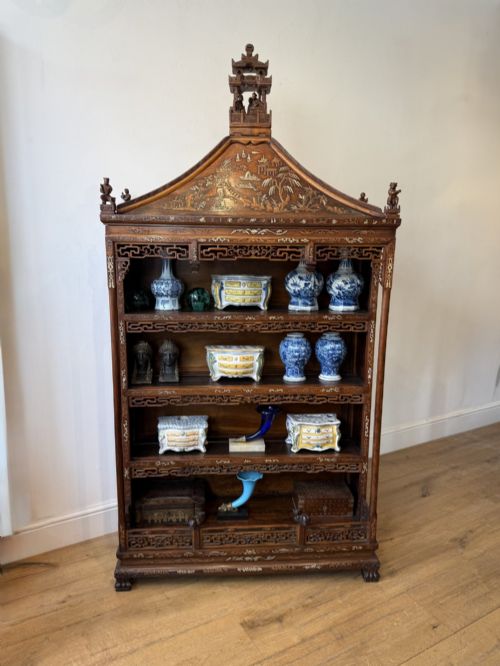
Origins stretch across British craftsmanship of the Regency and Victorian eras, alongside French revival models, Edwardian iterations, and Chinese hardwood or pagoda cabinets. The shared purpose remains the vertical display of possessions within a sturdy timber frame.
Materials and construction
Makers utilised solid rosewood and rosewood veneer applied over secondary timbers such as pine or softwood. This dense, figured wood provides both structural integrity for multiple tiers and a rich dark surface.
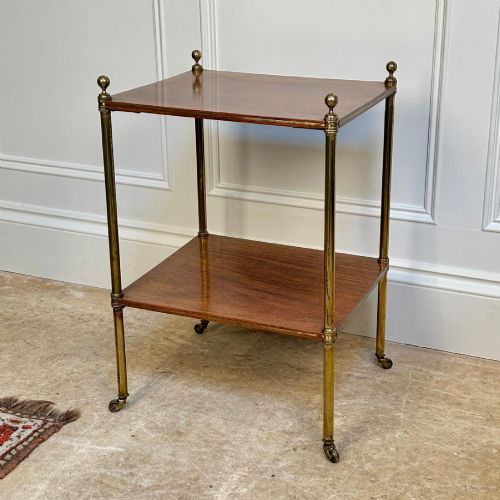
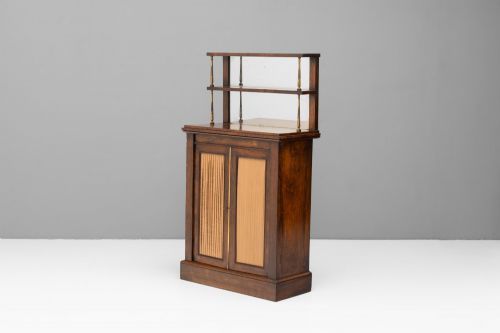
Brass inlay, brass galleries, and mother-of-pearl detailing frequently accent the timber framework. Glass panels appear on display cabinets, while marble tops occasionally crown bookcases and chiffoniers.
Several pieces include tiny tiered galleries designed for holding visiting cards or miniature porcelain teacups.
Defining quality
Quality rests upon the choice of timber and the precision of the joinery supporting the tiers. Superior examples display carefully matched rosewood veneers and refined turning on upright supports.
Decorative embellishments dictate distinction within the range. Pieces featuring integrated brass inlay, elaborate fretwork galleries, or painted panels stand apart from plain utilitarian shelving units.
Samson and Son London
The Rosewood Display Shelving Glossary
- Étagère
- A piece of furniture consisting of a set of open shelves for displaying small ornaments. These tiered stands developed in France and became popular in British drawing rooms.
- Whatnot
- An open set of multi-tiered shelves used for displaying ornaments or books. Victorian examples often feature three to six tiers supported by slender turned columns.
- Chiffonier
- A low cabinet with shelves or a superstructure on top, combining cupboard storage with display space. Regency and Victorian versions frequently incorporate glass doors or open shelving.
- Waterfall bookcase
- A standing set of open shelves where each successive tier is slightly deeper than the one above, creating a stepped profile. Edwardian and nineteenth-century makers favoured this form for displaying books.
- Brass inlay
- The technique of embedding thin strips or decorative motifs of brass into the wood surface. Regency pieces frequently employ this method along friezes and upright supports.
Rosewood Display Shelving: Frequently Asked Questions
How do I care for rosewood display shelving?
Keep rosewood furniture away from direct sunlight and heat sources to prevent the timber and veneer from drying out or splitting. Dust regularly with a soft, dry cloth and avoid silicone-based polishes that can build up on the grain.
Waxing the wood occasionally helps maintain the natural lustre of the rosewood surface without harming the finish.
Where should I place a multi-tier whatnot?
Multi-tier whatnots suit placement in living rooms, hallways, or studies where their vertical height can be appreciated without blocking walkways. Ensure the floor is level, particularly with taller or multi-tiered stands.
Distribute weight evenly across the shelves, placing heavier books on the lower tiers and lighter decorative objects near the top.
How do I date a rosewood bookcase?
Dating relies on observing construction methods, timber choices, and stylistic markers such as Regency brass inlay or Victorian turned supports. Regency pieces from the early nineteenth century often display restrained classical lines, whereas later Victorian examples might feature more robust framing.
Check for adjustable shelf mechanisms and the presence of softwood secondary timbers beneath rosewood veneers to help narrow the period.