
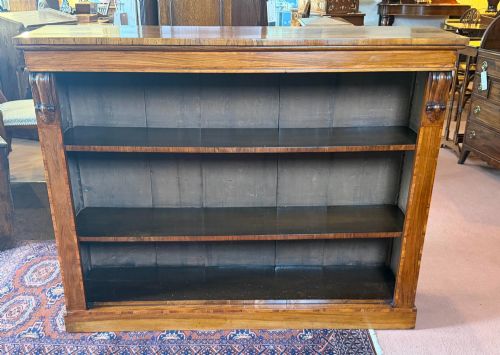
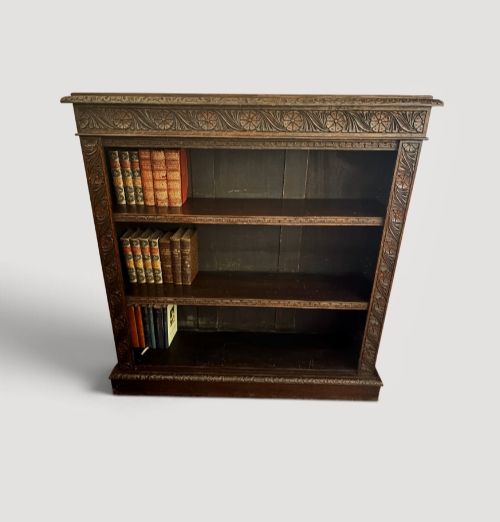
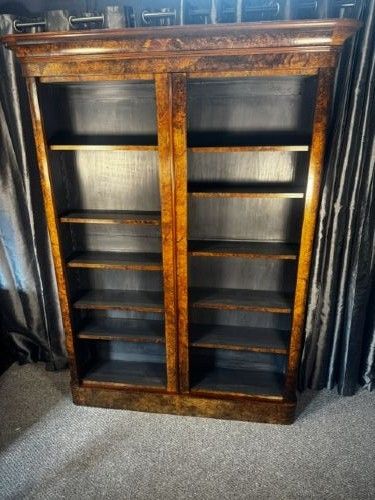
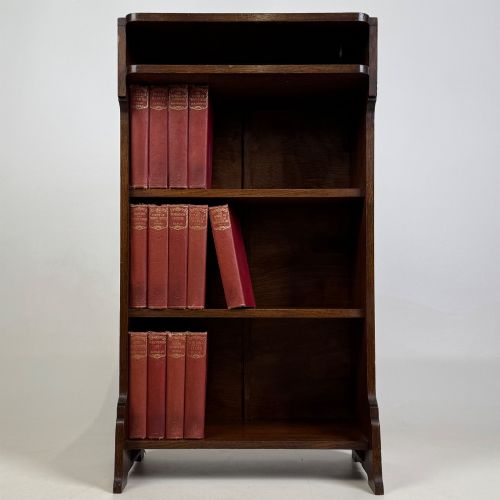
Open Shelf Library Cabinet
An open shelf library cabinet brings immediate architectural presence to a room, offering accessible display and storage for a growing collection of books.
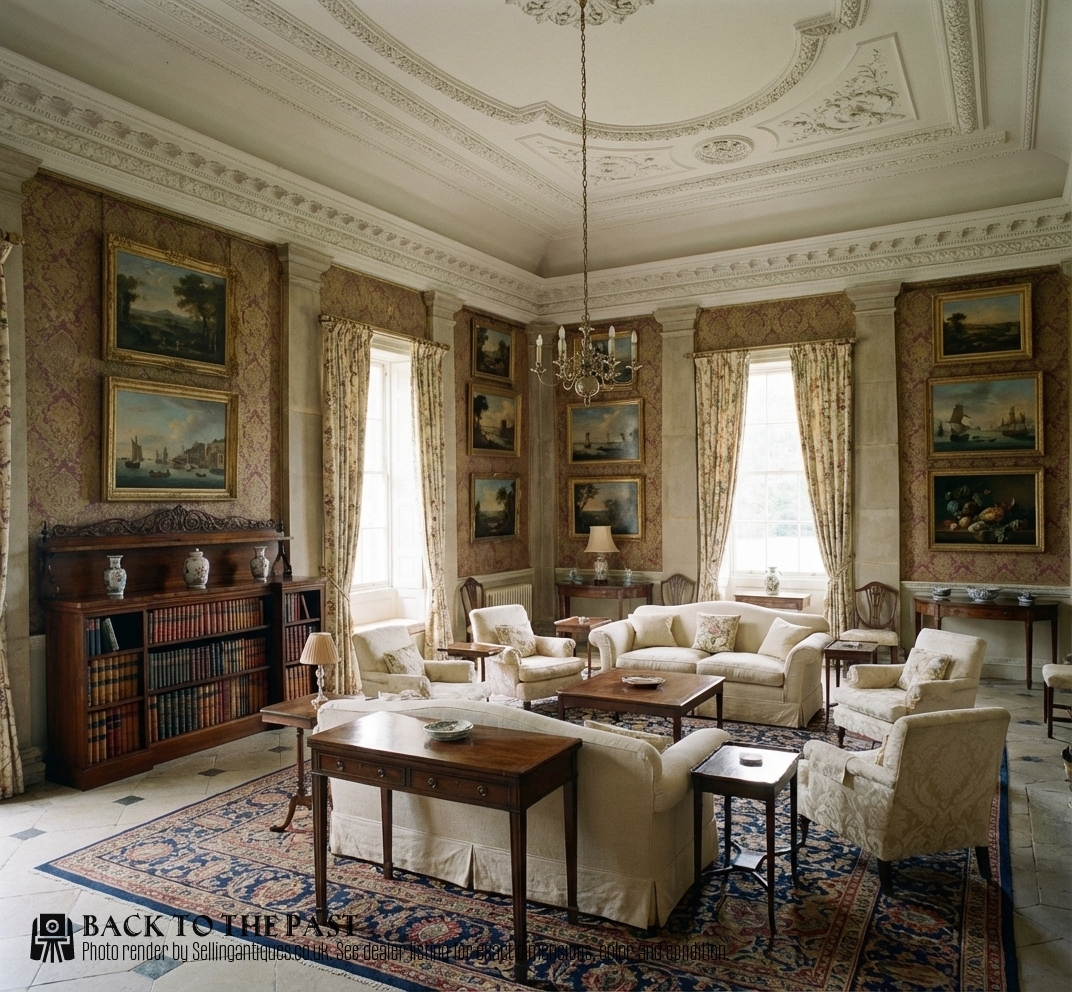
Open Shelf Library Cabinet
When searching for an open shelf library cabinet, buyers encounter adaptable furniture forms designed for domestic studies, libraries, and principal living spaces. These pieces provide immediate access to volumes while framing collections within distinct architectural proportions.
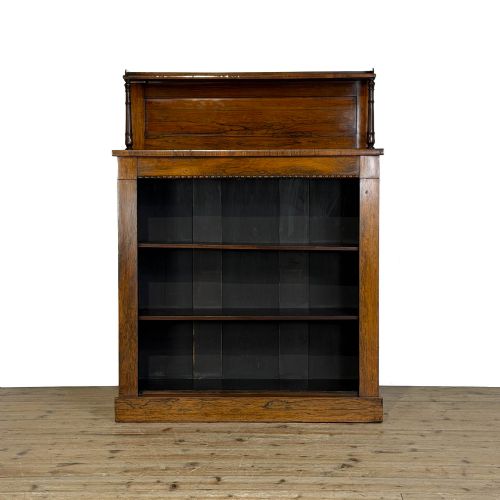
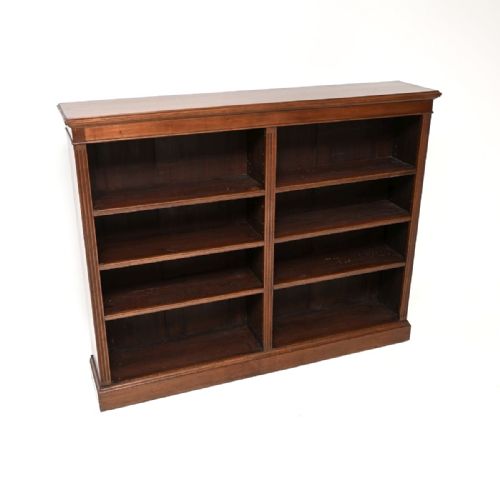
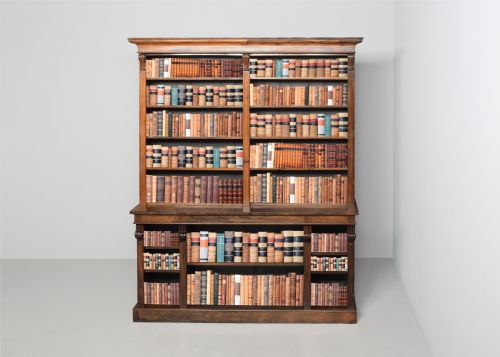
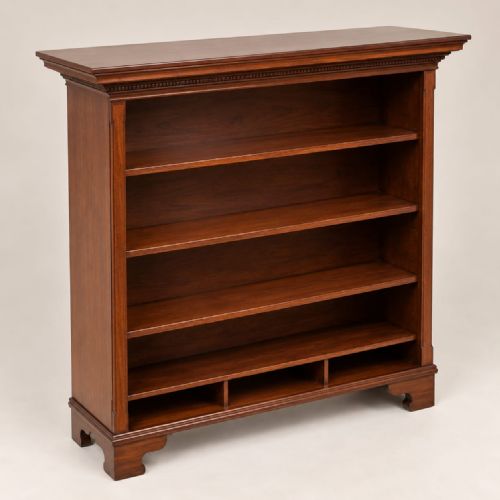
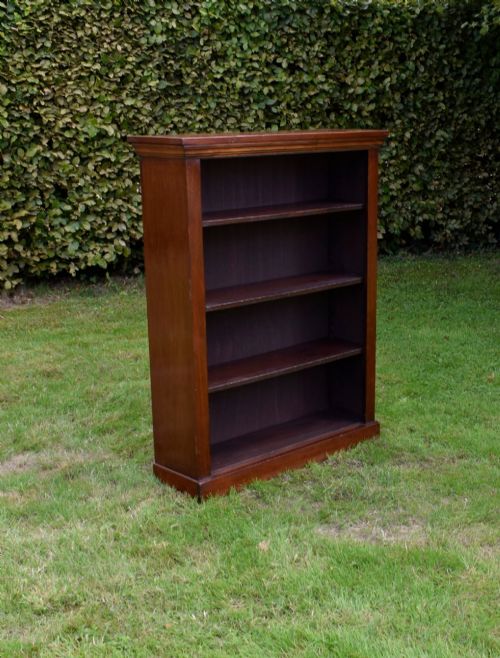
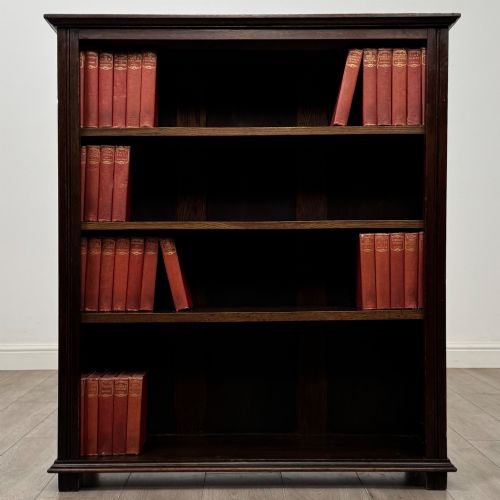
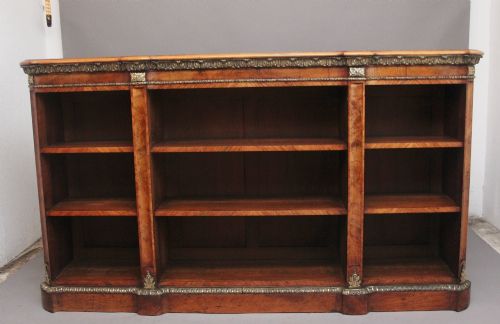
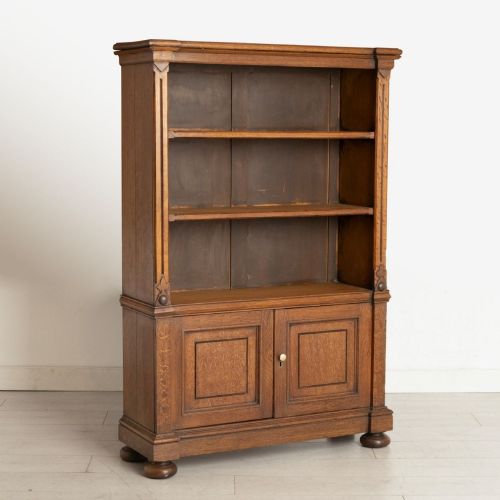
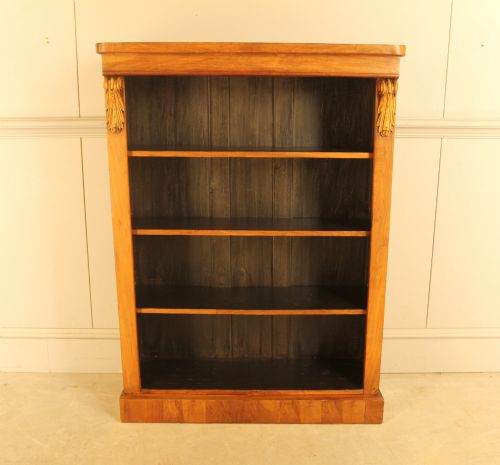
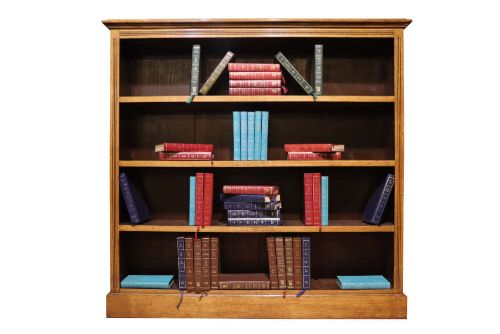
The selections available span multiple periods, most notably the Victorian, Edwardian, and Regency eras, alongside robust examples in oak, mahogany, walnut, and rosewood. Formats range from neat single bays to expansive three-section breakfront models equipped with adjustable shelving.
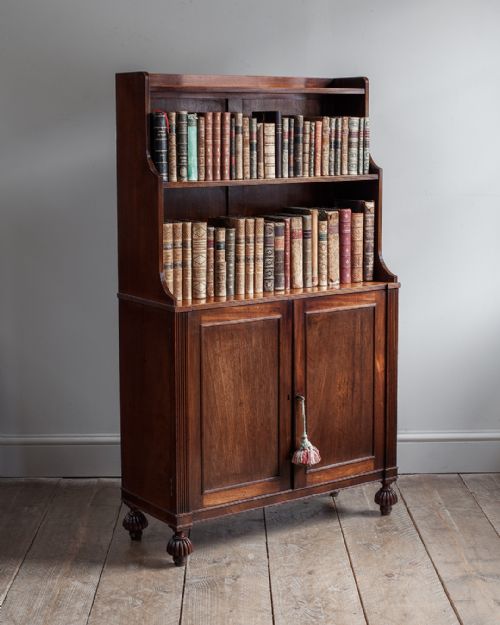
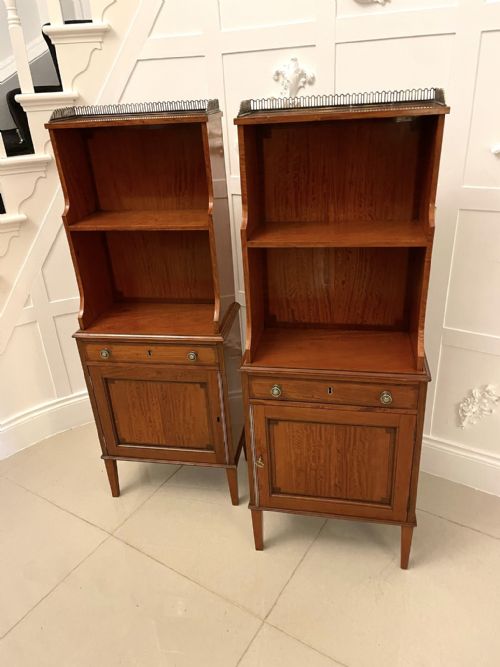
Makers utilised timber grains to create visual depth, incorporating brass details, ormolu mounts, and subtle inlay work. Buyers frequently meet pieces featuring graduated waterfall tiers or lower cupboard storage beneath open shelving.
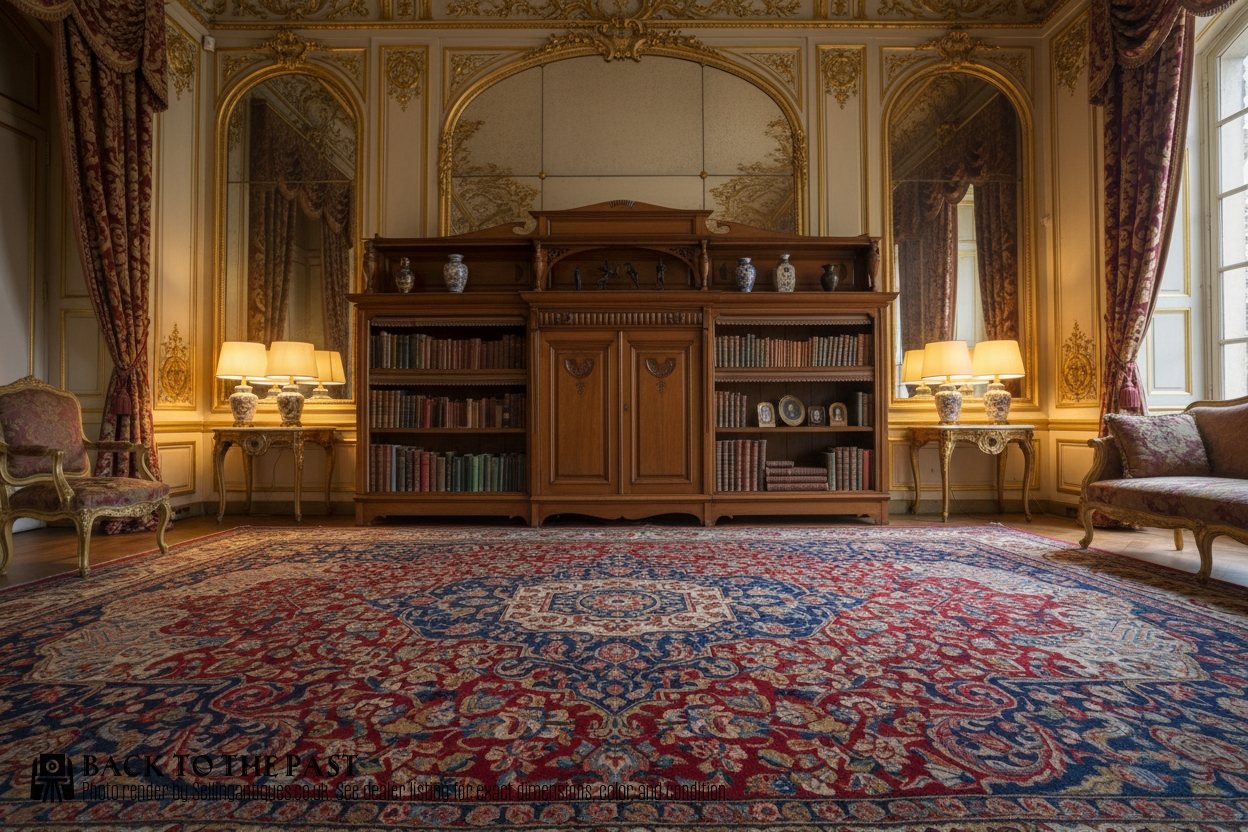
Materials and construction methods
Cabinet makers constructed these library pieces using dense native and imported timbers, principally mahogany, oak, walnut, and rosewood. Highly figured veneers such as burr walnut and satinwood were selected for prominent surfaces to catch the light.
Interior engineering focused on utility, employing adjustable shelving systems supported on wooden racks or brass pins. Structural stability in larger breakfront formats required solid plinths and carefully fitted backboards to maintain rigidity under heavy loads of books.
Some Edwardian shelves are so eager to please they practically toss your paperback onto the floor.
Factors that distinguish quality
Distinctions in quality rest upon the selection of timber and the precision of cabinet joinery. Superior examples demonstrate continuous grain matching across breakfront sections and refined secondary details like fine mouldings and carved enrichments.
The integrity of the adjustable shelf mechanism and the thickness of the timber used for the shelves themselves separate standard production from exceptional workshop output. High-calibre items maintain straight, true lines across extended lengths without sagging under weight.
Johnstone and Jeanes·Gillows
The Open Shelf Library Cabinet Glossary
- Breakfront
- A cabinet design where the central section projects forward from the flanking wings. This configuration adds architectural depth to large library pieces.
- Waterfall bookcase
- A tiered shelving unit where each successive shelf steps back from the one below it. The sides are typically cut in a continuous curve.
- Ormolu
- Gilt bronze mounts applied to furniture for decorative enrichment. It appears on select refined walnut and mahogany library cabinets.
- Adjustable shelves
- Movable horizontal boards supported by pins or ratchets. This system allows the interior height to accommodate volumes of varying sizes.
Open Shelf Library Cabinet: Frequently Asked Questions
How do I style an open library cabinet?
Balance heavier, leather-bound folios on lower shelves with lighter octavos and decorative objects placed higher up. Leave small pools of empty space to prevent the shelves from appearing crowded.
Incorporate vertical stacks alongside traditional horizontal rows to introduce visual rhythm across the open bays. This arrangement keeps the display dynamic while maintaining easy access to the books.
What woods were used in these cabinets?
Cabinet makers relied primarily on mahogany, oak, walnut, and rosewood for structural and exterior surfaces. Highly figured grains such as burr walnut and satinwood appeared on more ambitious commissions.
Secondary timbers like pine often formed the unseen interior backs and internal shelving carcases. Each material dictated the overall tone and weight of the library piece.
How do I tell Victorian from Edwardian pieces?
Victorian cabinets generally display deeper, richer tones in dense mahogany, rosewood, or heavy walnut, often accompanied by elaborate carvings or classical mouldings. Proportions tend to be substantial and imposing.
Edwardian interpretations frequently utilise lighter oak or satinwood with simpler inlaid stringing and brighter finishes. The overall aesthetic shifts toward greater domestic neatness and airier proportions.