


19th Century Rosewood Bookcase
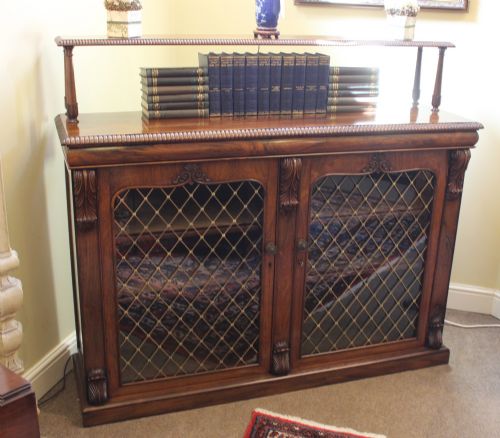
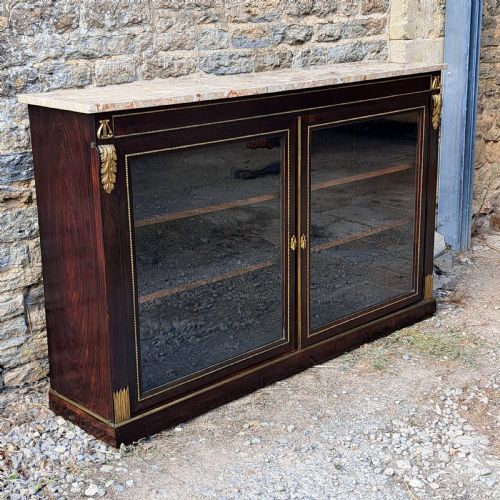
When you examine a 19th century rosewood bookcase, you encounter the dense grain and rich colour that defined elite furniture of the period.
19th Century Rosewood Bookcase
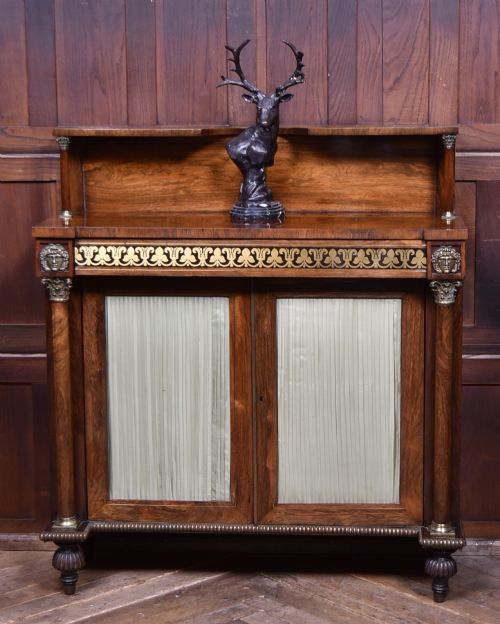
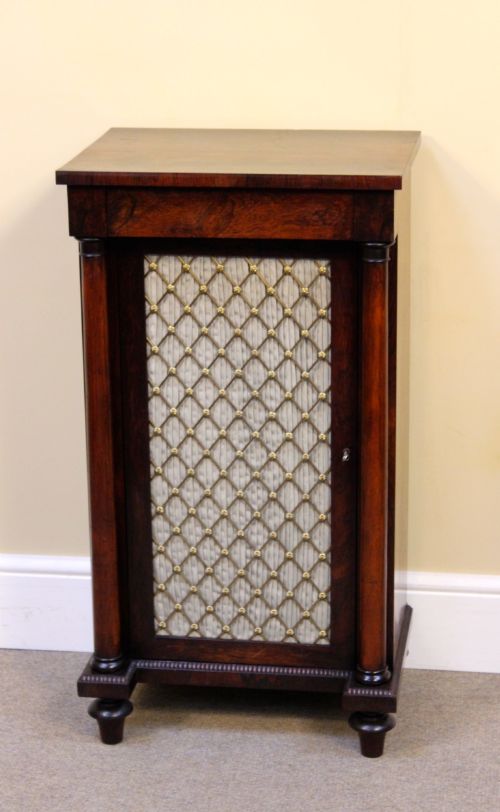
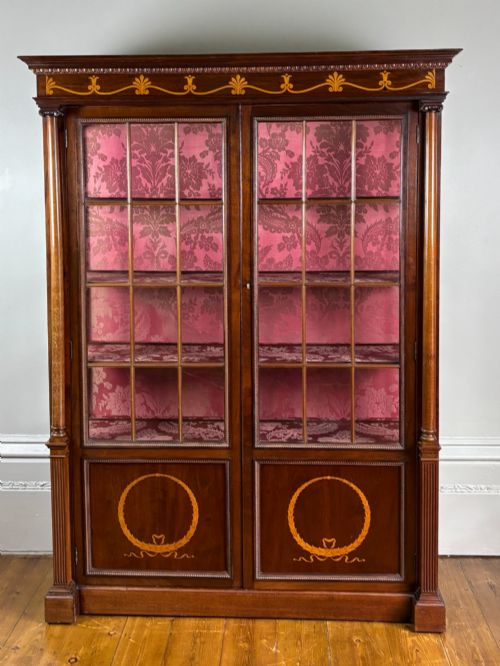
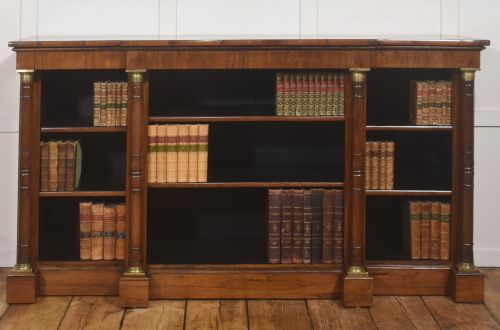
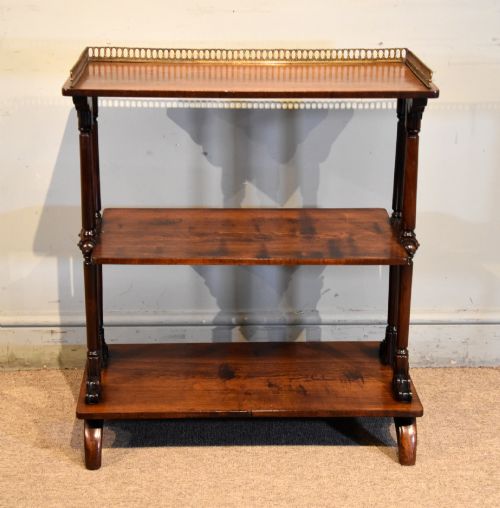
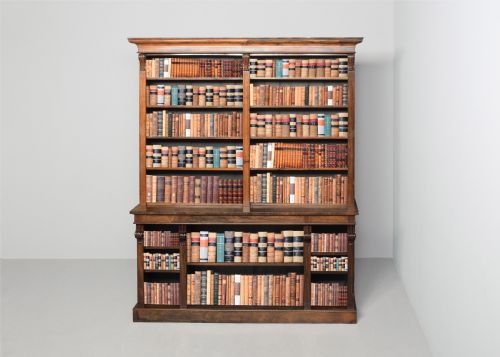
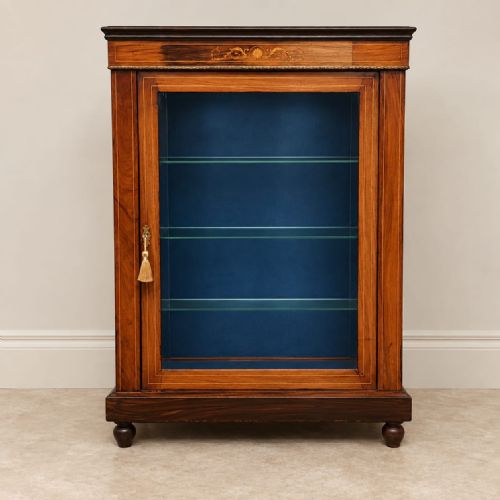
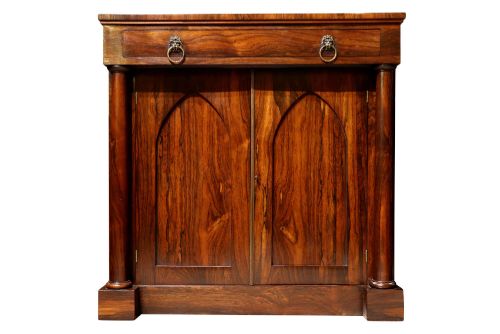
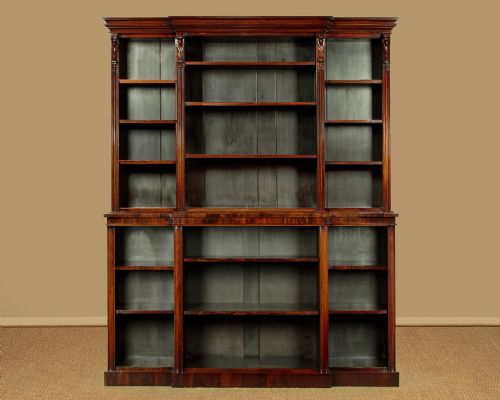
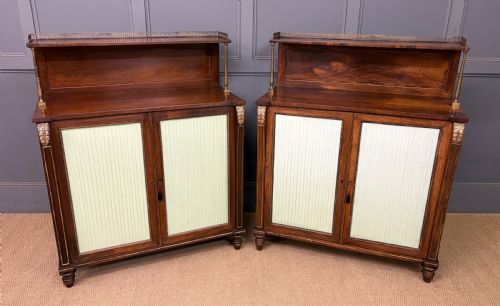
A 19th century rosewood bookcase encompasses various forms designed to store volumes and display objects, ranging from open shelf units to glazed cabinets and chiffoniers. You will frequently encounter open variants featuring adjustable shelving, alongside enclosed side cabinets and pier cabinets spanning the Regency and Victorian eras.
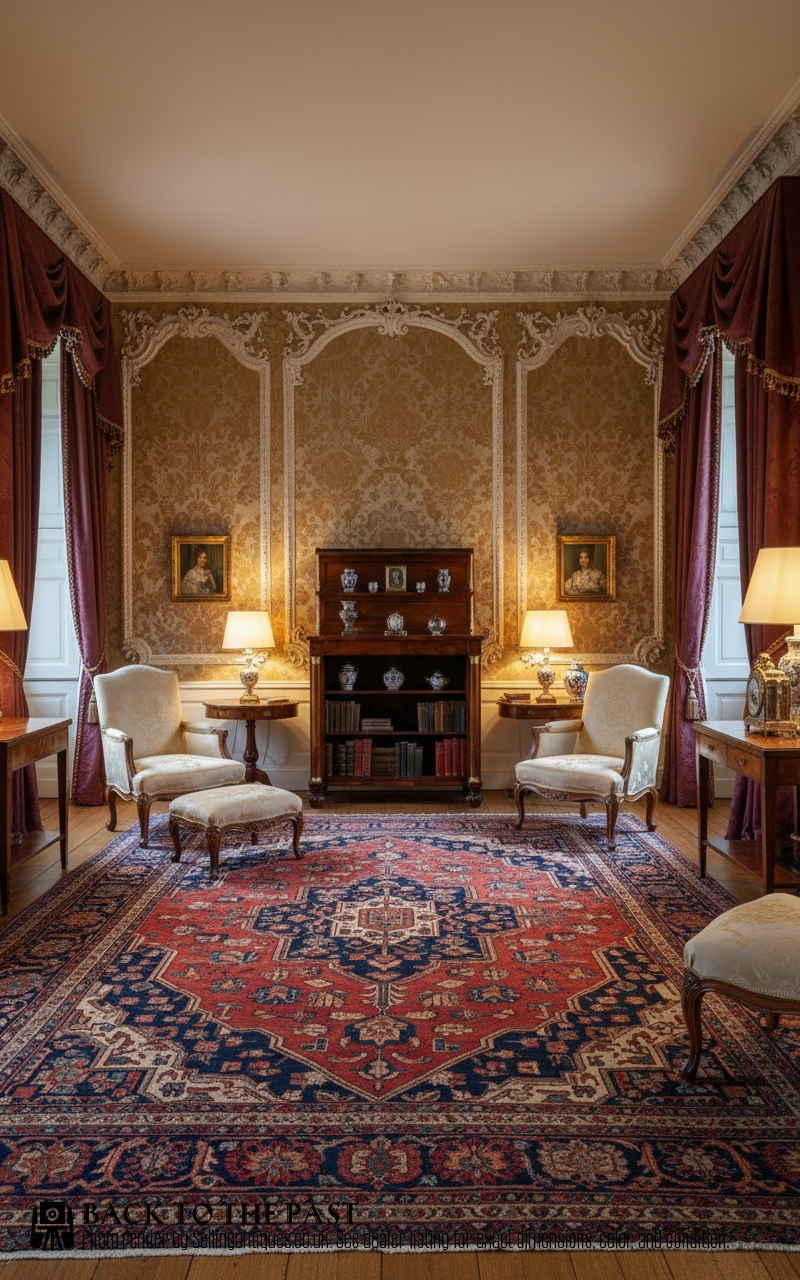
Makers utilised this heavy timber across the Georgian, William IV, and later periods to build domestic storage with architectural presence. The pieces vary in scale from small dwarf bookcases to large breakfront configurations found in period interiors.
How they were made
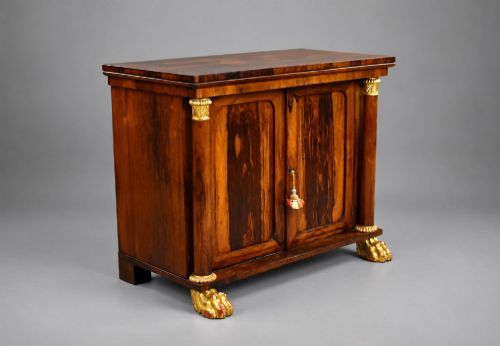
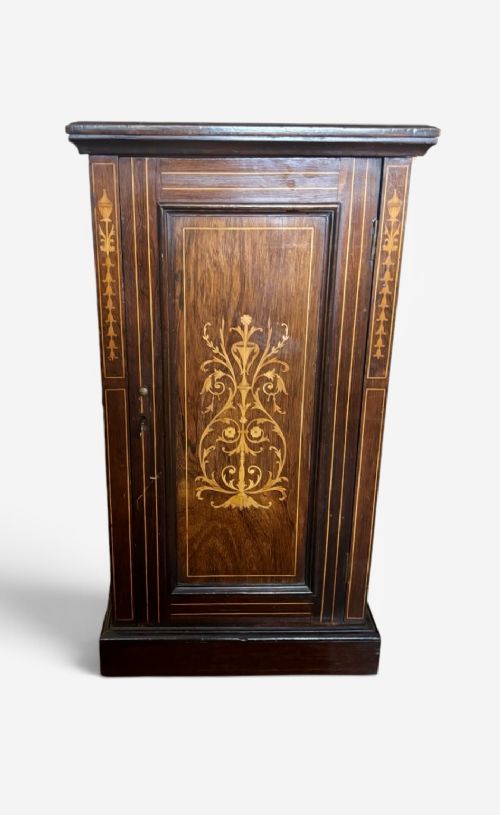
Cabinet makers applied rosewood veneers over secondary timbers like pine or hardwood, often selecting cuts to emphasise striking grain patterns. They integrated brass inlay, ormolu mounts, and carved wooden corbels to punctuate the dark timber.
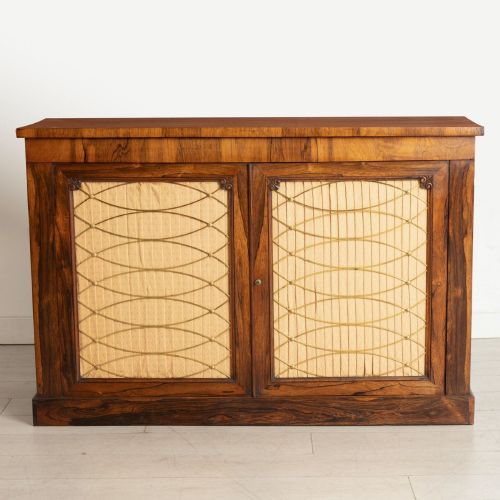
Glazed doors utilised wooden framing to protect books, while interiors frequently incorporated satinwood inlay, marble tops, and fabric panels behind pleated doors.
19th Century Rosewood Bookcase Retail Price Guide 2026
Typical asking prices for 19th century rosewood bookcase among the pieces listed under this phrase on Sellingantiques today, from the lower quarter to the upper quarter. They describe what is for sale here now, not the wider market.
The listings show bookcases spanning the Regency, William IV, and Victorian periods, incorporating marble tops, brass inlay, and glazed doors.
What varies in quality
The sophistication of the timber selection dictates the visual impact, with continuous grain matching across doors and drawer fronts marking superior execution. Finer examples display meticulous brass marquetry and crisply carved structural details rather than cast components.
Internal engineering also separates standard production from workshop pieces, visible in the smooth operation of adjustable shelving mechanisms and fitted drawer construction.
Gillows·James Winter·Widger of Plymouth
The 19th Century Rosewood Bookcase Glossary
- Rosewood
- A dense, heavily figured tropical hardwood prized for its dark grain and polished finish. It served as the primary surface timber for elite cabinet making throughout the period.
- Chiffonier
- A low cabinet featuring enclosed cupboards below, sometimes combined with open shelving or a mirrored superstructure above. These items often incorporated fabric panels or Gothic-panelled doors.
- Ormolu
- Gilded bronze applied as decorative mounts and feet on high-status cabinets. This technique added metallic contrast to the dark rosewood surfaces.
- Vitrine
- A glass-fronted display cabinet designed to showcase porcelain and decorative objects rather than books. They frequently sat atop breakfront bases.
- Pier cabinet
- A narrow piece built to stand against the wall space between windows. These compact units often featured glazed doors and intricate inlay.
19th Century Rosewood Bookcase: Frequently Asked Questions
How do I identify a Regency bookcase?
Regency models typically exhibit classical restraint, incorporating brass inlay, rectilinear forms, and architectural proportions consistent with the early decades of the century. They frequently rely on subtle grain patterns rather than heavy carving.
Later Victorian iterations often introduce bolder ornamentation, such as carved corbels, mirrored backs, or varied wood inlays including satinwood and burr walnut.
Were these bookcases always open?
Many examples on the market feature open shelving designed for easy access to volumes, often equipped with adjustable rack systems. Enclosed variants with wooden, glazed, or fabric-backed doors also appear frequently.
Makers tailored the format to the domestic function, pairing open shelves with lower cupboards in chiffonier configurations.
What is a shodona?
A shodona is a form of Japanese-influenced display cabinet produced during the later nineteenth century. These pieces reflect the period interest in Japonisme through asymmetrical shelving and compartment layouts.
They combine traditional rosewood construction with stylistic elements borrowed from Japanese furniture design.
How should I care for rosewood furniture?
Maintain stable humidity levels in your room to prevent the rosewood veneer from lifting or cracking over time. Avoid placing the timber in direct sunlight to preserve the deep natural colour.
Dust regularly with a dry cloth and apply specialist wax sparingly when the surface loses its lustre.