



19th Century Punch Bowl
These items offer a 19th century punch bowl, bringing historic ceramic, glass and metal vessels designed for communal gatherings into modern rooms.

19th Century Punch Bowl
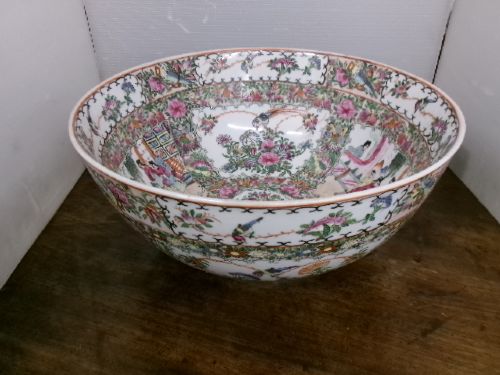
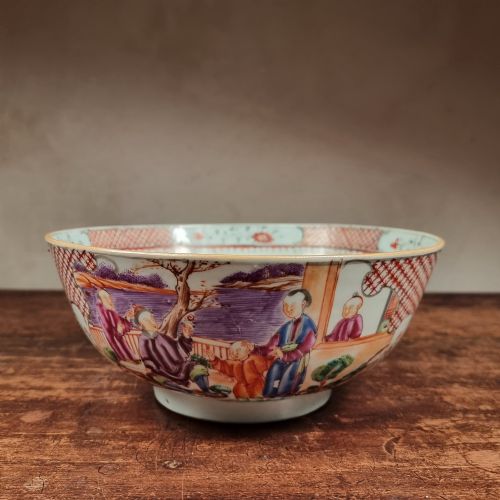
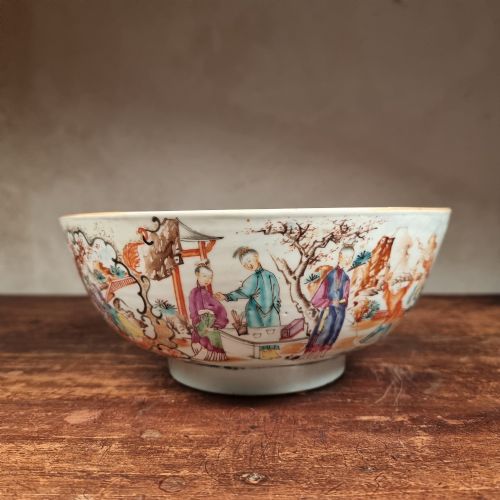
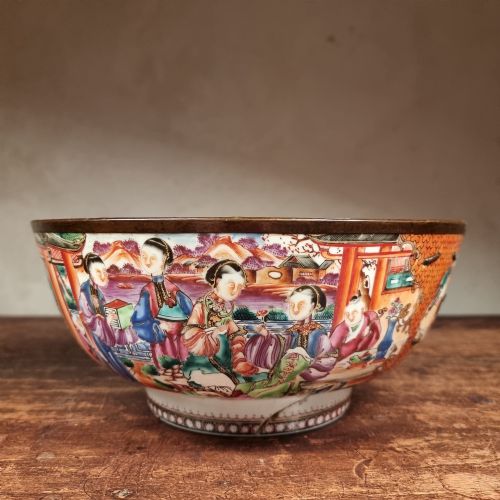
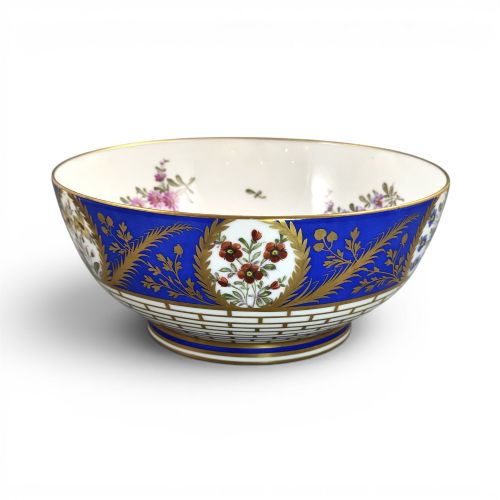
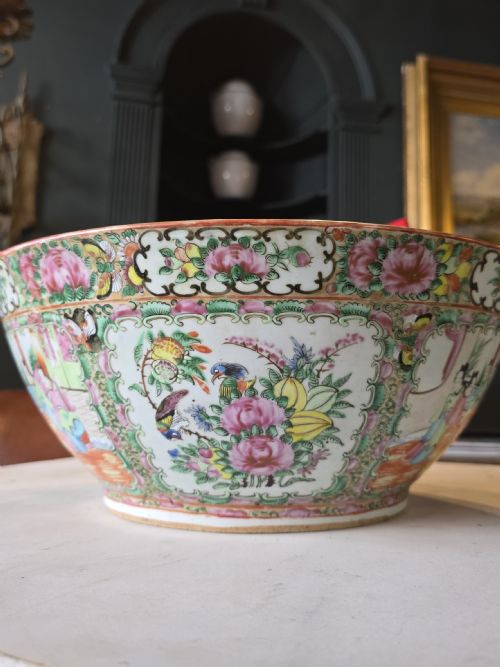
A 19th century punch bowl encompasses large footed vessels and centrepieces originally fashioned for serving mixed beverages at gatherings. The examples found here span diverse origins, featuring prominent Chinese Canton and Famille Rose porcelains alongside European earthenwares, glassware and silver-plated metalware.
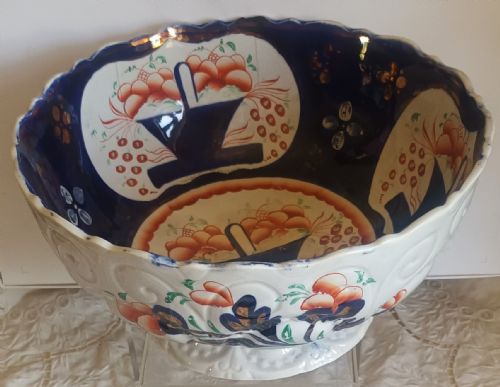
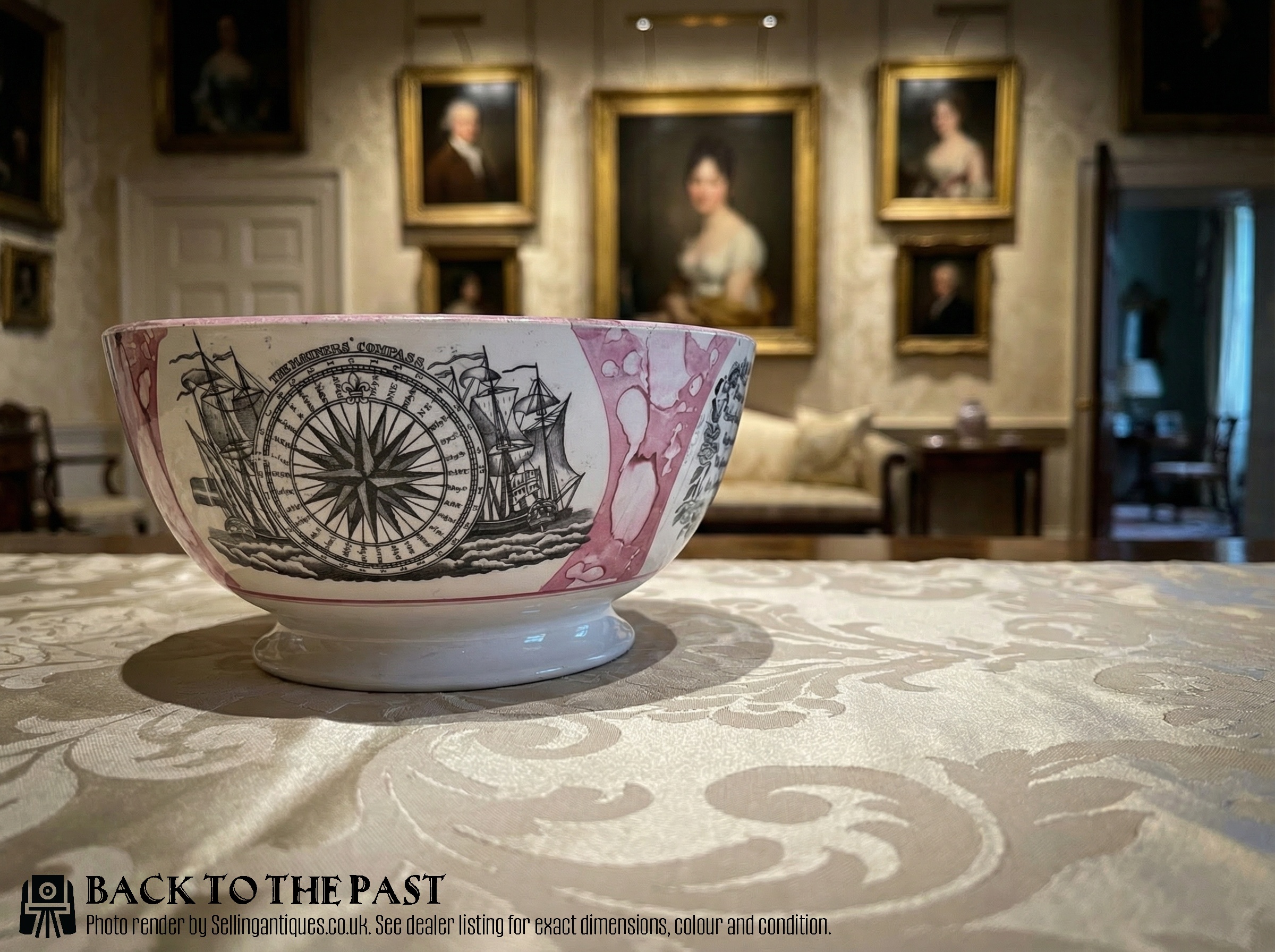
Chinese export wares dominate the selection, frequently displaying elaborate hand-painted panels, birds and floral motifs in vibrant enamel colours. Alongside these sit British earthenware and porcelain pieces, including Gaudy Welsh patterns, Sunderland lustre and Mason's ironstone china.
European factories also contributed revival styles and Japonism pieces, mirroring the global trade networks and aesthetic shifts of the period. Buyers will encounter both deep bowls suited for traditional drink service and shallower decorative centrepieces adapted for display.
Materials and construction methods
Porcelain and earthenware forms were shaped by hand or moulded before receiving hand-painted overglaze enamel decoration, often enriched with gold leaf or gilt highlights. Chinese export workshops applied meticulous brushwork depicting figures and foliage, while European makers utilised transfer printing and specialised glazes.
Metal vessels combine silver plate on copper, solid sterling silver or brass, employing repoussé techniques to hammer intricate floral and bird patterns into the surface from behind. Glass examples rely on heavy cutting and moulding to achieve deep refractive facets suited to catching candlelight.
19th Century Punch Bowl Retail Price Guide 2026
Typical asking prices for 19th century punch bowl among the pieces listed under this phrase on Sellingantiques today, from the lower quarter to the upper quarter. They describe what is for sale here now, not the wider market.
Several sailors left port with Sunderland lustre bowls bearing optimistic verses for safe returns across choppy seas.
Distinguishing quality across pieces
The standard of a piece rests upon the crispness of the hand-painted brushwork and the preservation of the enamel and gilt details over time. Finer porcelain bodies exhibit greater translucency and more balanced proportions in their thrown or moulded profiles.
Metalwork quality shows in the depth and clarity of the repoussé decoration and the retention of the original silver plating over the underlying copper base. Glass vessels derive their distinction from the precision of the cut facets and the weight and clarity of the metal.
Samson Paris·Daniel and Arter·Edm'e Samson·Baccarat
The 19th Century Punch Bowl Glossary
- Famille Rose
- A palette of opaque overglaze enamels dominated by pink or rose colours, widely used in Chinese export porcelain during the eighteenth and nineteenth centuries.
- Repoussé
- A metalworking technique where an artisan hammers the design from the reverse side to create a raised relief pattern on the front.
- Canton
- A style of Chinese porcelain decoration featuring panel scenes of people and court life surrounded by dense foliage and birds.
- Gilt
- A thin layer of gold applied to the surface of porcelain, glass or metal to provide metallic highlights and decorative borders.
- Ironstone
- A heavy, durable type of earthenware patented in the nineteenth century as a robust alternative to porcelain.
19th Century Punch Bowl: Frequently Asked Questions
What were these bowls used for?
These large vessels served communal mixed drinks, particularly punch, at formal dinners and social gatherings during the Georgian and Victorian eras.
Guests would ladle the liquid directly from the centre of the table into individual cups or glasses.
How do I care for antique porcelain?
Wash porcelain pieces gently by hand using lukewarm water and mild soap, avoiding abrasive sponges that might harm the enamel.
Keep them away from direct sunlight and sudden temperature changes to protect the fragile ceramic body.
Are silver plated bowls food safe?
Silver plate can tarnish and react with acidic liquids, so modern use for serving food or drink requires careful evaluation.
Most owners today choose to display these metal vessels as decorative objects rather than utilising them for active catering.
How to tell Chinese export from European copies?
Chinese export pieces generally display distinct paste characteristics, iron-foot rims and specific brushwork traits tied to period kilns.
European revival makers like Samson marked their porcelain differently and often interpreted oriental motifs through a distinct continental lens.