


19th Century Portrait Drawing
A 19th century portrait drawing captures the distinct likeness and character of historical sitters through direct, hand-rendered lines on paper.
19th Century Portrait Drawing
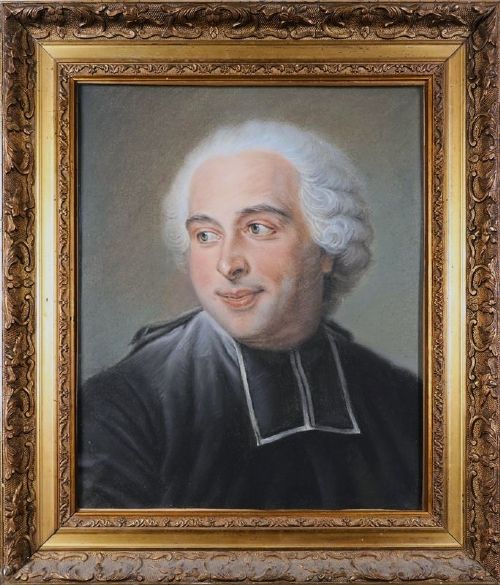
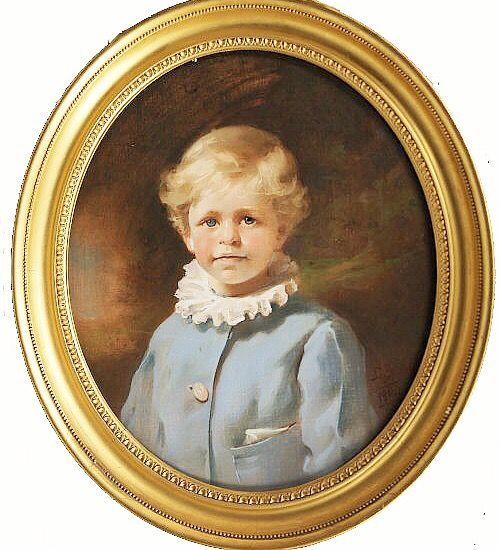
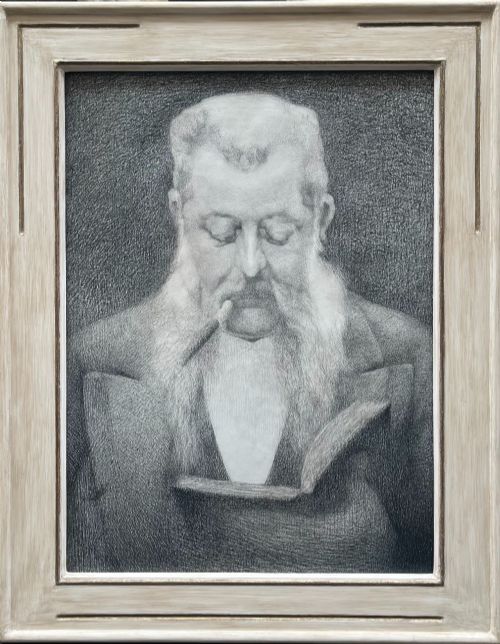
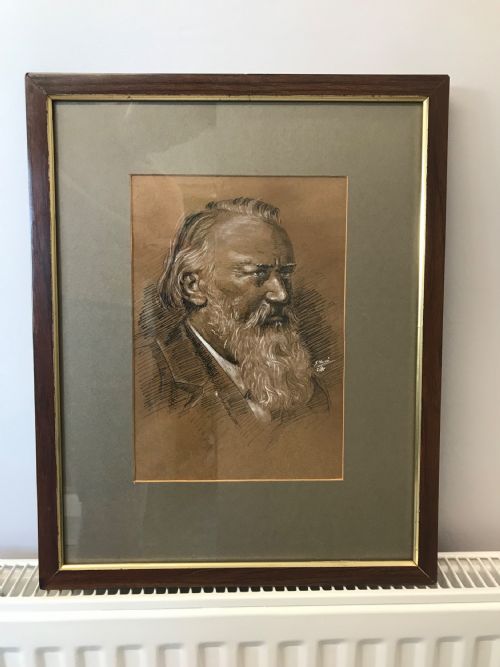
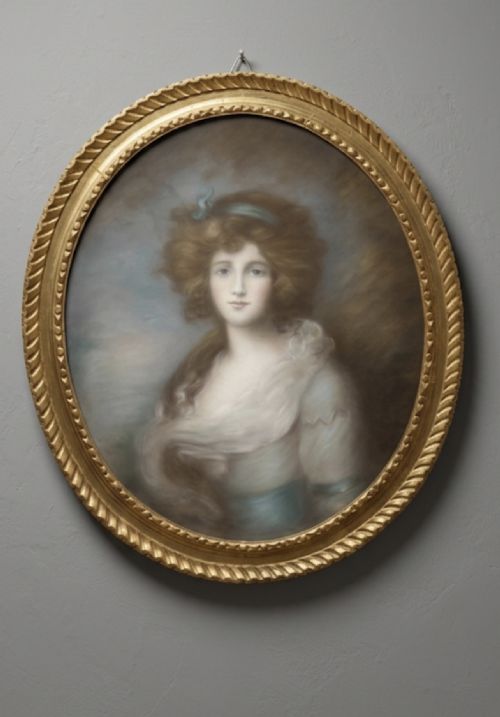
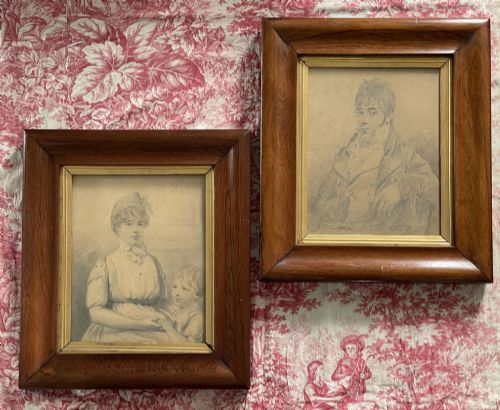
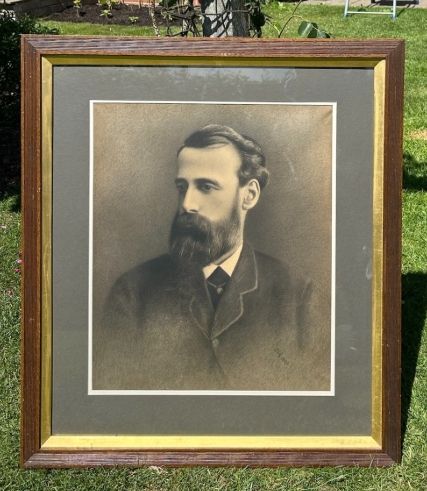
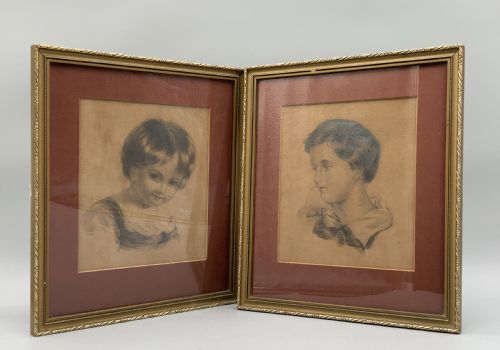
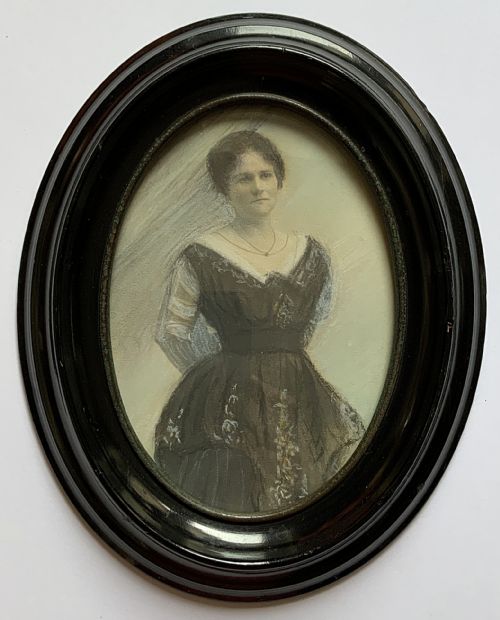
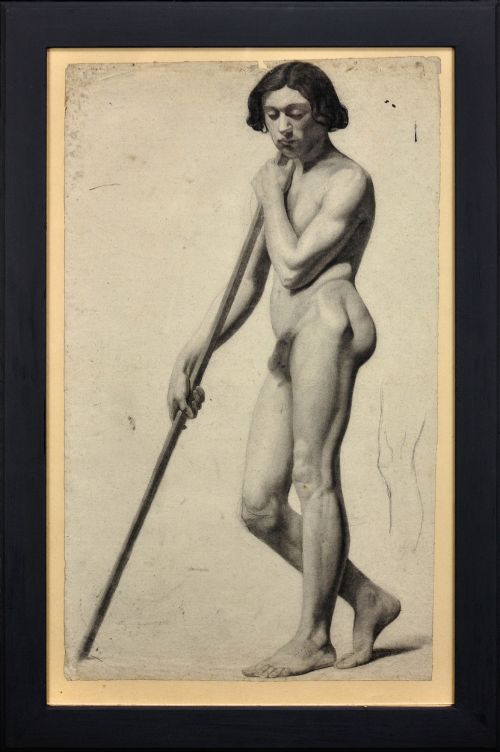
A 19th century portrait drawing on this page encompasses original works on paper executed in graphite, charcoal, pastel, chalk, and watercolour. These works depict individuals ranging from Regency couples and Victorian children to academic life studies and French School sitters.
Buyers encounter framed artworks, wall art, and original drawings originating from various stylistic movements such as Academic Realism, Orientalism, and Symbolism. Many pieces reflect British and European portrait traditions spanning the Georgian period through to the end of the Victorian era.
How They Were Made
Artists utilised dry media such as graphite, charcoal, and coloured chalks to build precise facial structures and tonal gradients on paper. Pastel and watercolour were frequently layered to add warmth and realistic skin tones to the sitters.
Works were often housed in contemporary wood frames, frequently incorporating gilt gesso or original maple moulding to protect the delicate media underneath glass. Ink and wash techniques provided sharper linear definitions for preparatory studies and detailed character portraits.
Several Victorian sitters share the frame with faithful spaniels and hunting dogs who sat patiently for their own immortalisation.
What Varies in Quality
Condition and medium preservation dictate long-term stability, particularly with pastels and charcoals prone to pigment loss. The presence of original framing materials and documented provenance linking the work to a known hand or established school further influences the standing of individual pieces.
Leon Sprinck·Henry Arthur Roberts·J Bizo·George Atkinson·John Raphael Smith·Robert Faulkner·Theobald Chartran·Henri Josephe Hesse·Josiah Gilbert·Richard Beavis·Keeley Halswelle·Charles Edward Marshall·Sir George Hayter
The 19th Century Portrait Drawing Glossary
- Pastel
- A powdered pigment mixed with a binder and pressed into sticks for drawing. It delivers rich, velvety colour saturation particularly prized in Victorian portraiture.
- Academic Realism
- A style of painting and drawing produced under the influence of European academies of art. It emphasises rigorous anatomical study, proportion, and smooth surface finishes.
- Gilt Gesso
- A plaster-based material applied to wooden frames and coated in gold leaf. This ornate framing technique was standard for high-status 19th-century artworks.
- Wash
- A technique where diluted ink or watercolour is applied in broad, fluid layers across paper. It provides atmospheric depth and background shadows behind the primary sitter.
19th Century Portrait Drawing: Frequently Asked Questions
How should I hang a portrait drawing?
Keep works on paper away from direct sunlight to prevent the fading of delicate graphite, chalk, and watercolour pigments. Maintain stable room humidity to protect both the paper support and the original framing.
Utilise secure wall fixings suited to the weight of the timber and glass frame. Positioning pieces at eye level ensures the intimate scale of these historical portraits can be properly appreciated.
Are these drawings signed by the artist?
Many works feature visible artist signatures, monograms, or period inscriptions identifying the sitter and date. Unsigned pieces frequently emerge from identifiable institutional schools or regional traditions.
Attributions rely on stylistic comparisons, contemporary framing evidence, and archival notes left on the reverse of the paper. Documentation often helps connect anonymous sitters to specific historical circles.
What is the difference between pastel and graphite?
Graphite relies on grey carbon strokes to build fine lines, cross-hatching, and precise tonal shadows. It suits detailed facial studies and preparatory academic works.
Pastel utilises coloured pigment sticks that blend directly on the paper to create soft flesh tones and vibrant garments. This medium requires protective glass to prevent the loose pigment from smudging.
How do I identify a Regency portrait?
Regency era portraits typically display distinct fashion markers such as high-waisted dresses for women and tailored cravats for men. Hairstyles often feature classical curls reflecting the aesthetic tastes of the early nineteenth century.
The drawing style during this period frequently prioritises crisp pencil lines, delicate watercolours, or gilded silhouettes. Attributions are often supported by costumes and framing styles specific to the decades preceding Queen Victoria's reign.