




19th Century Porcelain Statuettes
These 19th century porcelain statuettes bring the delicate charm of Victorian parlours and continental factories straight into a modern interior.
19th Century Porcelain Statuettes
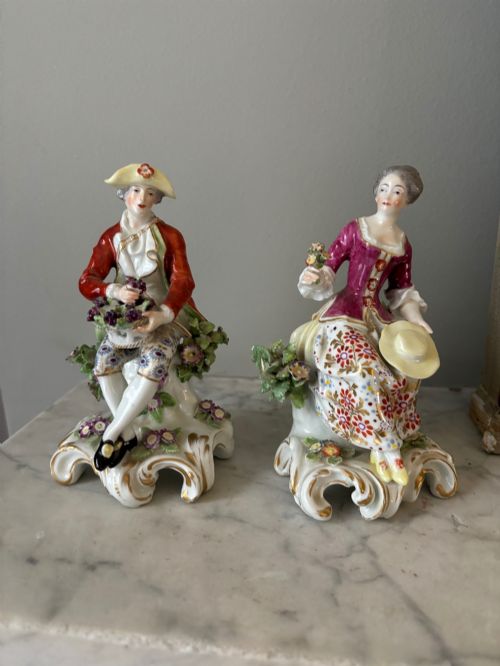
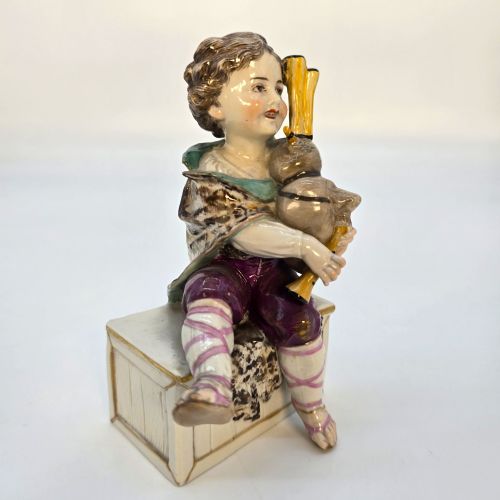
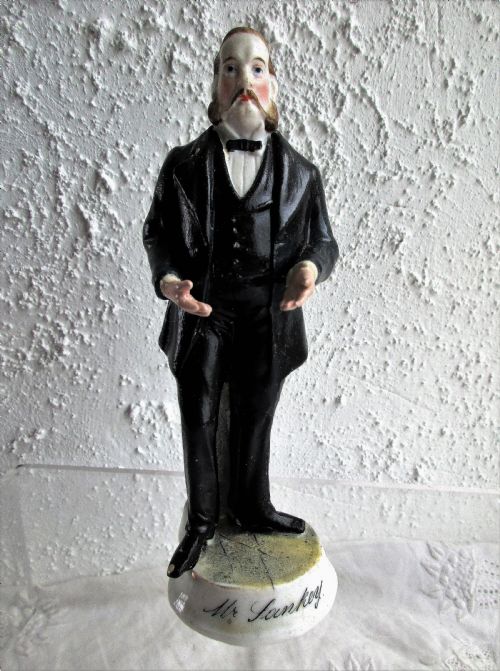
When searching for 19th century porcelain statuettes, a collector encounters a diverse array of figurines, decorative groups, and sculptural objects produced across European and English kilns. These pieces range from delicate figures of gallants and shepherdesses to mythological scenes and portrait subjects.
The version most commonly met on this page is the continental porcelain figure, often created in Germany or France during the Victorian era. Workshops in Paris, Volkstedt, and Dresden frequently produced these glazed or biscuit pieces, sometimes drawing inspiration from earlier Meissen, Chelsea, or Derby models.
How they were made
Makeries utilised hard-paste porcelain and unglazed biscuit porcelain, shaping the clay through detailed moulds before manual finishing. Artisans then applied enamel colours and gilding, using gold leaf or liquid gold highlights to accentuate robes and accessories.
Among the crowd of gallant shepherds and noble ladies, a solitary Chinese pottery tiger watches quietly from eighteen-eighty.
What varies in quality
The refinement of the modelling dictates much of the division between standard production pieces and superior examples. Finer statuettes display crisp facial expressions, deeply undercut fingers and foliage, and precise hand-painting that avoids muddy enamel bleeding.
The presence of early factory marks, whether genuine or in the tribute style of Samson and other Paris potteries, influences the standing of a piece. Original detailing in the gilding and the crispness of the porcelain paste further separate workshop output.
Edme Sampsom·Volkstedt Rudolstadt Factory·Meissen·Royal Worcester·Vion & Baury·Letu & Mauger·KPM·Sitzendorf·Helena Wolfsohn·Copeland
The 19th Century Porcelain Statuettes Glossary
- Biscuits
- Unvarnished porcelain fired once to create a matte, marble-like surface texture. This finish gained immense popularity for classical and portrait figures during the Victorian period.
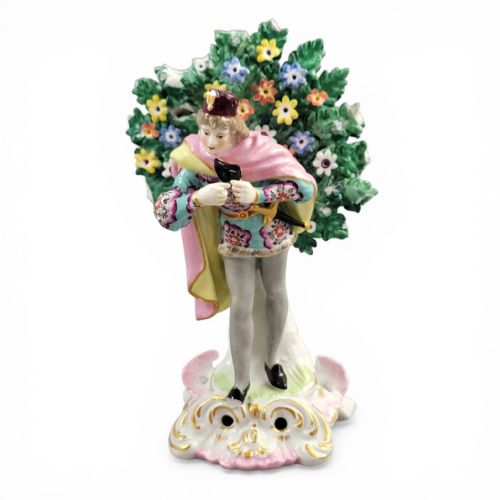
- Bocage
- An ornamental background of applied foliage, leaves, and flowers that frames porcelain figures. It is especially common in pieces inspired by eighteenth-century Derby and Chelsea designs.
- Parian ware
- A fine-grained, unglazed porcelain developed in Britain to imitate carved white marble. It was frequently utilised for classical sculptures and literary figures.
- Hard-paste porcelain
- A durable ceramic composition fired at very high temperatures, composed of kaolin and petuntse. Continental factories relied heavily on this robust material for intricate statuary.
- Enamel
- Vitrified glass powder fused to the porcelain surface through subsequent firings to provide bright, permanent colours. Artisans painted these pigments by hand onto the glazed or biscuit body.
19th Century Porcelain Statuettes: Frequently Asked Questions
What are porcelain statuettes?
Porcelain statuettes are small, highly detailed sculptural objects modelled from ceramic paste and decorated with glazes, enamels, or gold leaf. Makers across Europe produced them as decorative mantel ornaments and table centerpieces.
During the nineteenth century, factories in England, France, and Germany turned out countless figures depicting pastoral scenes, allegorical characters, and animals. These varied from simple single figures to elaborate multi-figure groups.
How do I live with them?
Living with these delicate figures involves placing them securely away from high-traffic areas where accidental knocks might occur. Stable shelves and enclosed cabinets protect the fragile extremities and painted surfaces from daily hazards.
Keep them out of direct sunlight to prevent any fading of the hand-painted enamel colours over time. Gentle dusting with a soft, dry brush is generally sufficient to maintain their appearance.
How do I tell periods apart?
Distinguishing periods relies on observing shifts in paste composition, glaze texture, and stylistic influences. Early nineteenth-century pieces often reflect direct neoclassicism, while later Victorian items frequently lean towards elaborate revival styles and orientalism.
Factory marks, where present, offer direct chronological clues, though many continental workshops also produced deliberate tributes to earlier Chelsea or Meissen models. The weight, colour of the porcelain body, and painting technique further assist in dating an item.