





Ceramic Female Bust
These ceramic female bust sculptures span the nineteenth and twentieth centuries, offering striking classical and modern forms for your interior.
Ceramic Female Bust
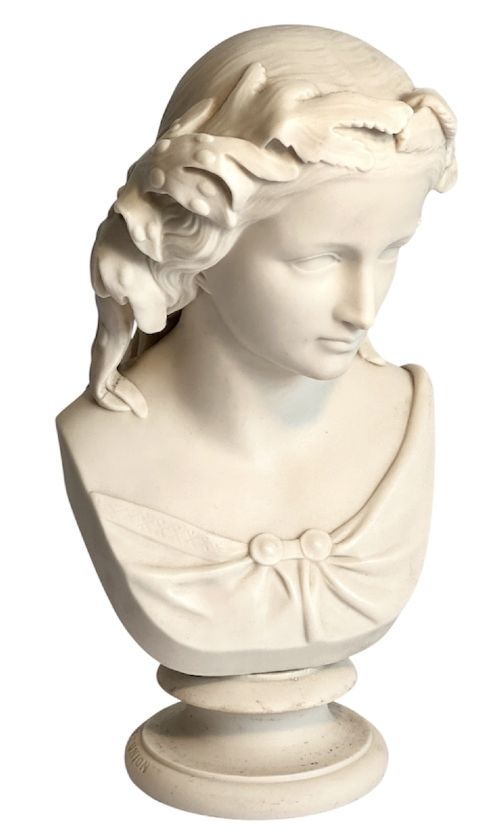
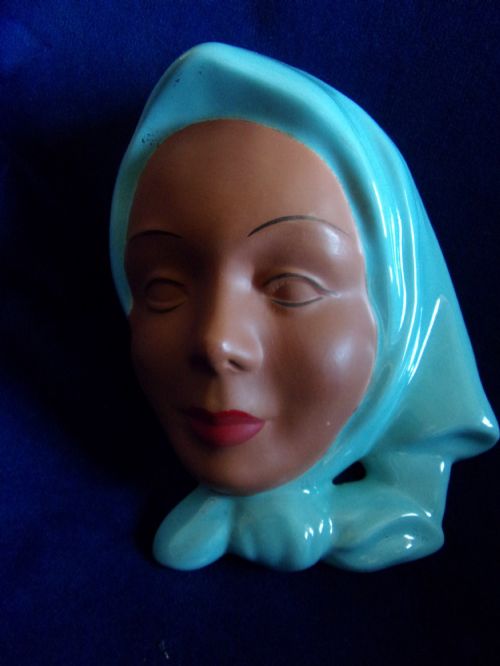
A ceramic female bust represents a sculpted head and shoulders of a woman, rendered in materials such as terracotta, porcelain, and earthenware. You will most frequently encounter nineteenth-century neoclassical pieces and twentieth-century art deco works on this page.
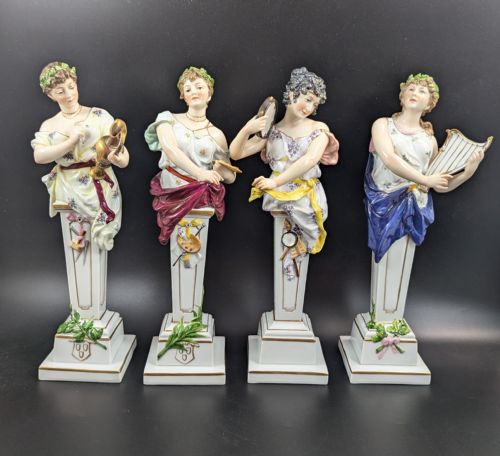
The objects range from modest porcelain figurines to substantial terracotta wall masques and freestanding sculptures. Makers drew inspiration from classical mythology, historical figures, and contemporary ideals of beauty across different European traditions.
How they were made
The primary medium for these works is terracotta, often shaped in moulds and finished with paint, bronze patination, or gold leaf accents. Parian porcelain and bisque porcelain provide a smooth, matte finish that emulates carved marble for neoclassical subjects.
Many pieces incorporate applied glaze to highlight specific details of hair, drapery, and facial expression. Sculptors worked within established European factories or as independent artists, signing their finished clay and porcelain creations.
The selection includes neoclassical, art nouveau, and art deco styles, ranging from independent sculptures to factory-produced models.
What varies in quality
Surface finish also determines the calibre of a piece, whether through delicate biscuit porcelain surfaces or rich patination on terracotta. The reputation of the modeller and the prestige of the producing pottery or foundry elevate the standing of individual sculptures.
Copeland·Gilbert Privat·Achille Mollica·Ernst Whaliss·Georges Morin·Bohumil Rezl·A.Gory·Goldscheider
The Ceramic Female Bust Glossary
- Terracotta
- A porous fired red earthenware clay used widely for figurative sculpture. It is frequently painted, bronzed, or left in its natural reddish-brown state.
- Parian porcelain
- A fine-grained, unglazed porcelain developed in the nineteenth century to imitate marble. It takes its name from Parian marble quarried on the Greek island of Paros.
- Bisque porcelain
- Unglazed porcelain fired at a high temperature to produce a matte, white surface resembling marble. It is also known as biscuit porcelain.
- Wall masque
- A sculptural relief designed to be hung on a wall, capturing a face or bust in three dimensions. These are particularly common in twentieth-century art deco ceramics.
- Neoclassical
- A style inspired by the art and culture of ancient Greece and Rome. It emphasises symmetry, classical drapery, and idealized human forms.
Ceramic Female Bust: Frequently Asked Questions
How do I clean my ceramic bust?
Dust terracotta and porcelain gently with a soft, dry brush to prevent dirt accumulation in the crevices. Avoid using water or liquid cleaners, particularly on painted or patinated surfaces.
Keep unglazed pieces away from moisture and oils from hands, which can stain porous materials over time. Regular, gentle maintenance preserves the original finish.
Are these busts solid or hollow?
Most ceramic and terracotta busts are cast or modelled as hollow structures to ensure even firing in the kiln. This construction also reduces the overall weight of larger sculptures.
Solid porcelain figurines exist on a smaller scale, but larger portrait busts require hollow walls to prevent cracking during the intense heat of production.
How can I tell the period?
Stylistic cues offer the clearest indication of date, moving from nineteenth-century neoclassical and art nouveau curves to streamlined art deco forms from the 1930s. Signatures, factory marks, and the specific type of porcelain or terracotta also point to a clear timeframe.
Examining the underside and base often reveals impressed maker marks or registration numbers that help date the piece precisely.
Where should I display a bust?
Place freestanding busts on sturdy mantelpieces, pedestals, or console tables where they can be viewed from multiple angles. Wall masques require secure wall anchors suited to the weight of the ceramic.
Position pieces away from direct sunlight and high-traffic areas to protect fragile painted surfaces and delicate porcelain extremities from accidental damage.