




Austrian Ceramic Statue
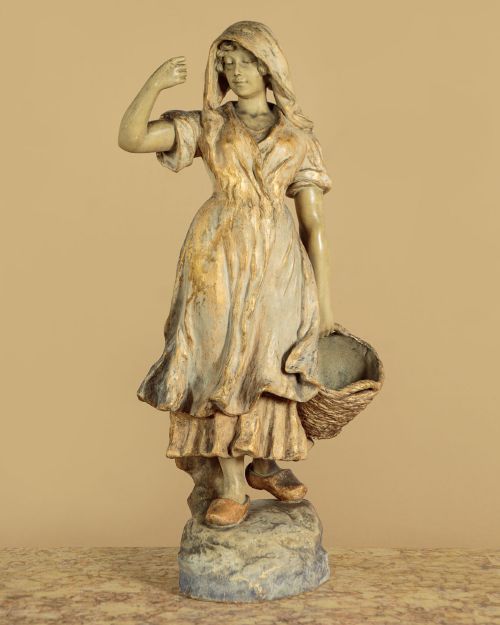
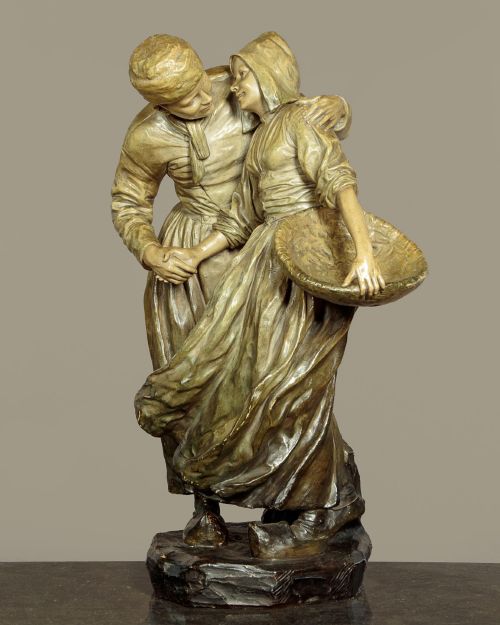
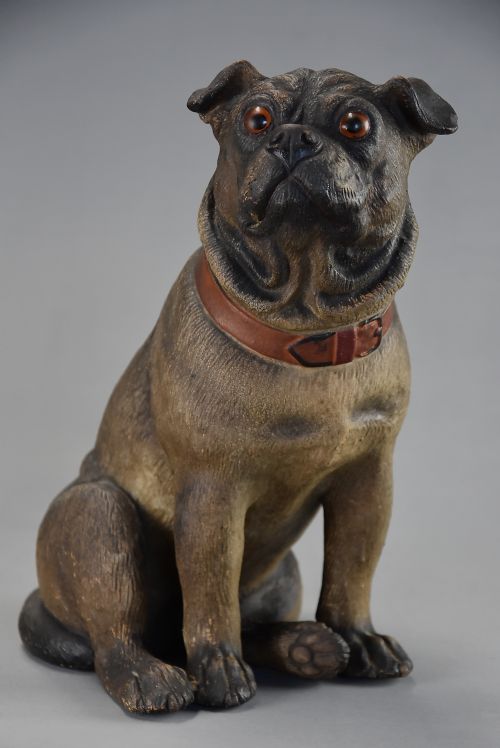
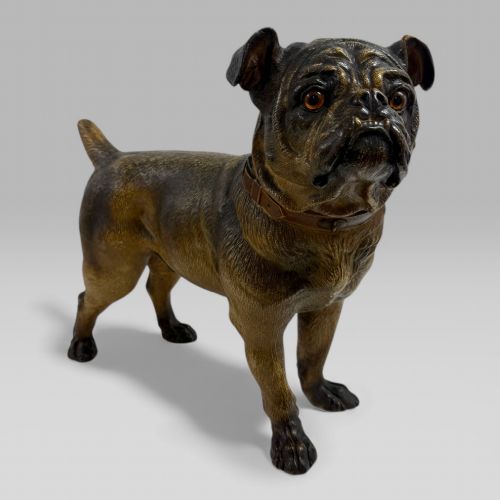
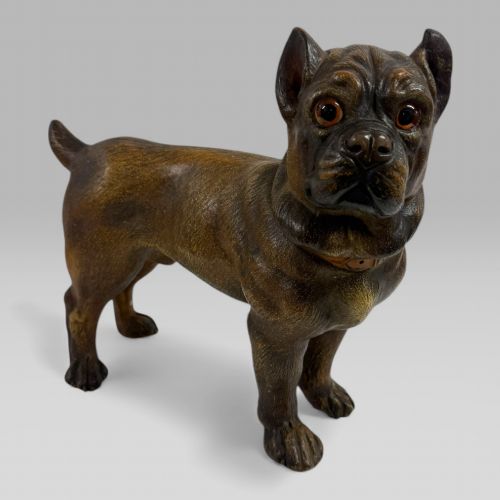
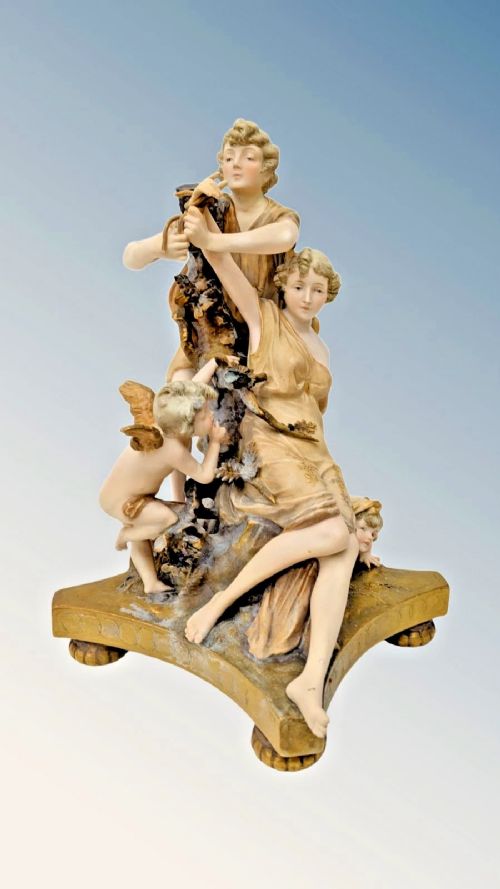
An austrian ceramic statue brings expressive figurative presence and tactile warmth to an interior through modelled clay and painted surface.
Austrian Ceramic Statue
When you search for an austrian ceramic statue, you encounter sculptural works spanning the late nineteenth century into the early twentieth century, encompassing periods from eighteen eighty to nineteen ten. These pieces bridge decorative arts and fine sculpture, moving from classical subjects to flowing organic forms.
Stylistically, these works cross Victorian, Renaissance Revival, and Neoclassical vocabularies, though Art Nouveau forms dominate the later decades. Makers and studios from Vienna shape much of this output, translating contemporary taste into fired clay and pigment.
Materials and methods
Makers utilised terracotta and earthenware as primary bodies, shaping them through modelling and slip casting to achieve complex anatomical and drapery details. Pigment and bronzed finishes were then applied to the fired surfaces to enhance depth and simulate metal or natural skin tones.
Porcelain also appears in select figurative works, offering a finer, smoother medium for delicate portraits and flowing garments. Glass elements occasionally supplement the ceramic body in specific decorative compositions.
Listings span the nineteenth century and early twentieth century, covering periods from eighteen eighty to nineteen ten alongside Art Nouveau and classical revival styles.
Judging quality and execution
The distinction between standard commercial output and superior execution lies in the crispness of the modelling and the sensitivity of the hand-painted or bronzed finish. Master modellers achieved subtle facial expressions and naturalistic drape in garments that lesser workshops missed.
Scale and ambition also define the upper tier, where life-size animal sculptures or large multi-figure groups demand advanced kiln management and structural armature. The reputation of the manufacturing firm and the documented designer further elevate the standing of a piece.
Goldscheider·Friedrich Goldscheider·Ernst Wahliss·Bernard Bloch
The Austrian Ceramic Statue Glossary
- Terracotta
- A porous earthenware body made from fired clay, varying in colour from pale buff to deep red-brown. It serves as the principal substrate for many nineteenth-century figurative sculptures.
- Slip cast
- A manufacturing technique where liquid clay slip is poured into a plaster mould to create hollow sculptures with uniform wall thickness. This method allowed workshops to produce complex figurative forms efficiently.
- Bronzed finish
- A surface treatment applied to ceramic or terracotta to imitate the appearance of cast bronze. Pigments and metallic powders create this patinated metallic effect.
- Art Nouveau
- An international decorative style active around nineteen hundred characterised by organic motifs, sinuous asymmetrical lines, and flowing female hair. It heavily influences the ceramic figures of this era.
Austrian Ceramic Statue: Frequently Asked Questions
Where were these ceramic figures made?
The majority of these pieces originated in workshops and potteries centred around Vienna, which served as a major European hub for ceramic sculpture during the nineteenth and early twentieth centuries.
Prominent firms employed skilled modellers and artists to produce both decorative items and large-scale sculptural works for international markets.
How can I tell Art Nouveau from earlier styles?
Art Nouveau figures, typically emerging towards nineteen hundred, feature asymmetrical designs, whiplash curves, and naturalistic motifs such as flowing hair and draped scarves.
Earlier nineteenth-century works adhere more strictly to Classical Revival, Neoclassical, or Renaissance Revival canons, relying on formal symmetry and traditional historical subjects.
Are these figures solid clay?
Most large-scale and life-size sculptures are hollow, constructed through specialised moulding or slip casting techniques to reduce weight and ensure even firing in the kiln.
Solid construction is generally restricted to smaller figurines and specific decorative elements where structural mass is minimal.