



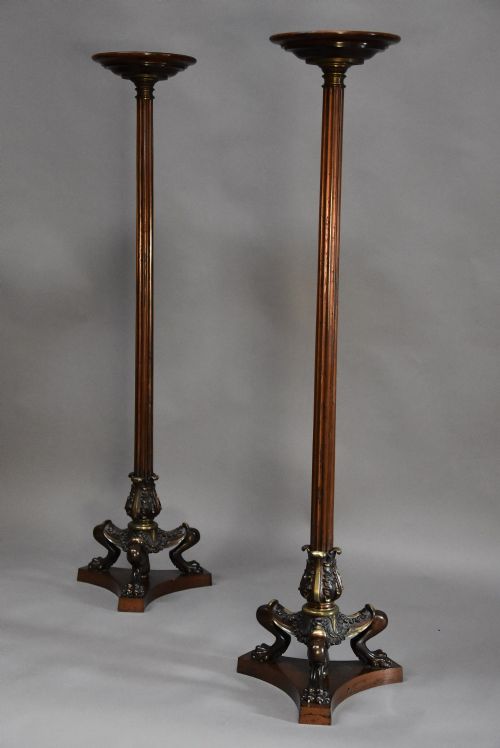

19th Century Plant Column
A 19th century plant column lifts greenery into the light, bringing classical proportion and sculptural presence into a room.
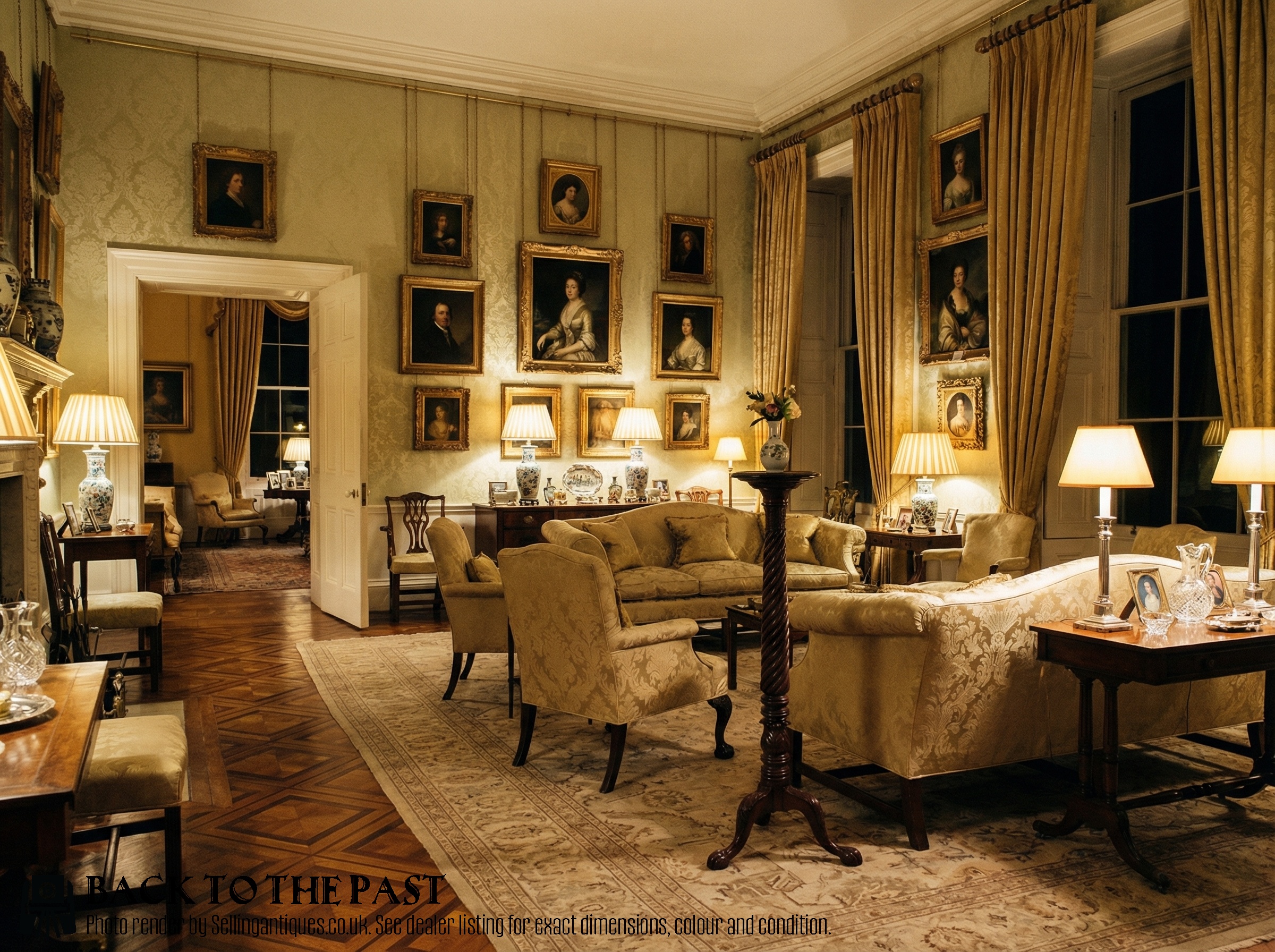
19th Century Plant Column
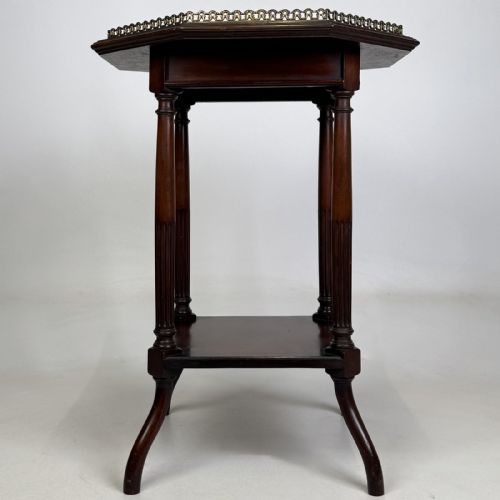
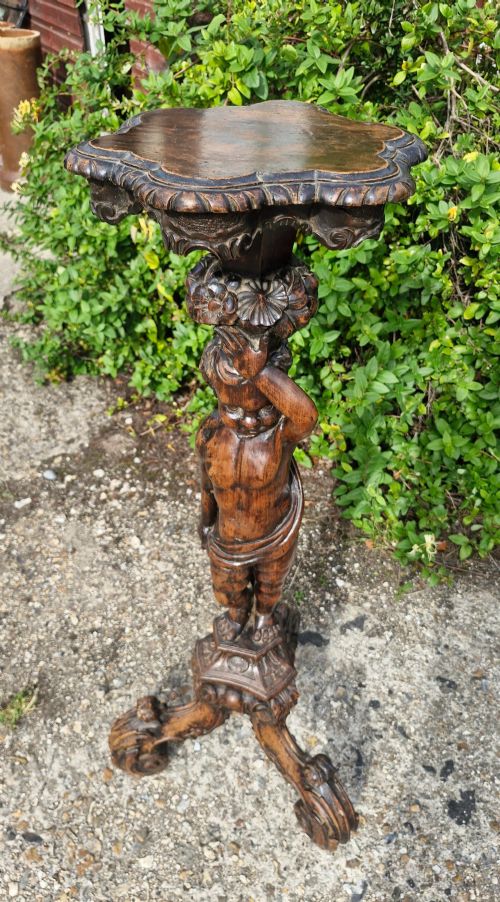
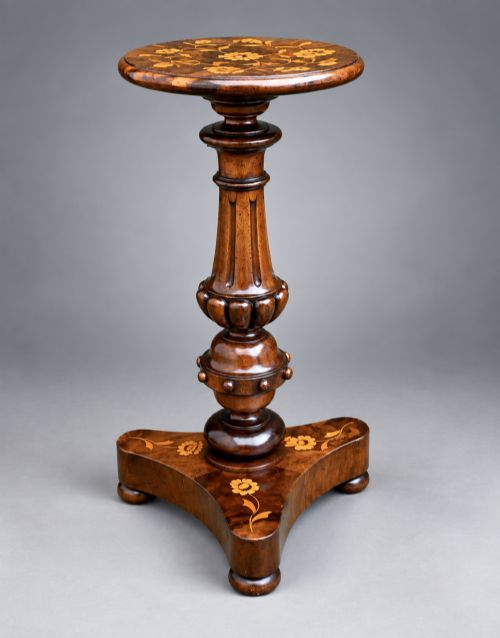
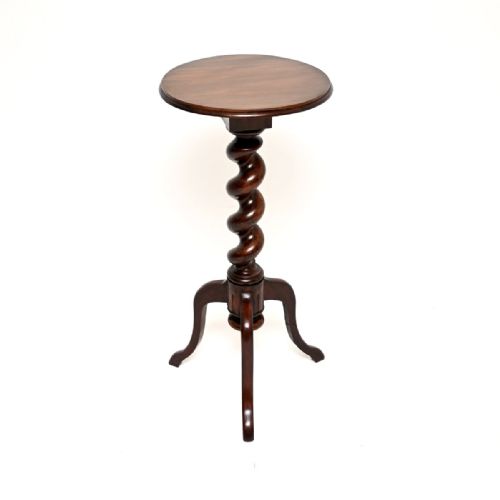
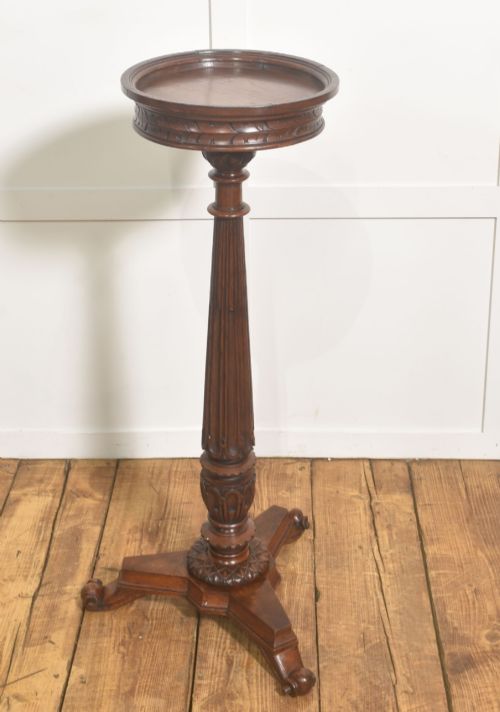
When you search for a 19th century plant column, you encounter architectural supports designed to elevate flora, busts, and ornamental objects. These pieces manifest across Victorian, Neoclassical, and Italian Renaissance Revival styles, functioning as focal points in domestic interiors.
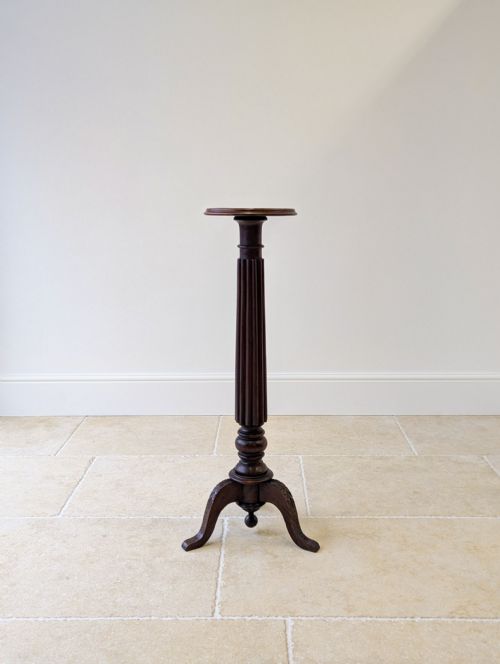
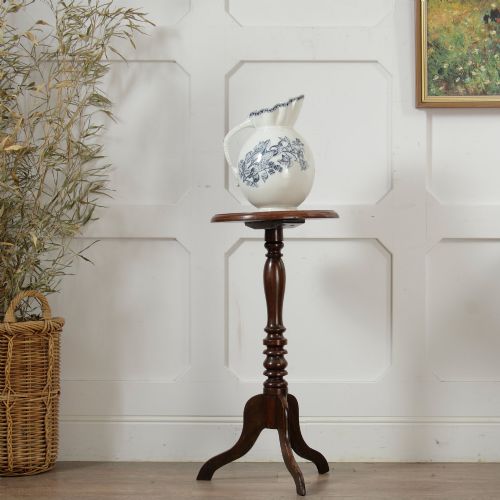
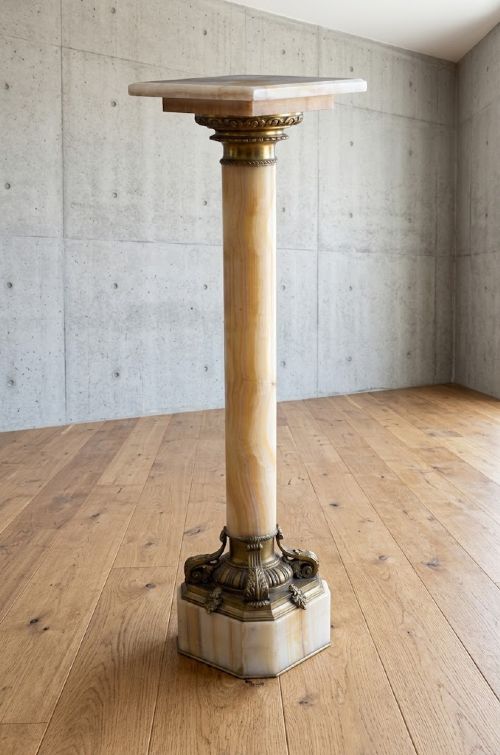
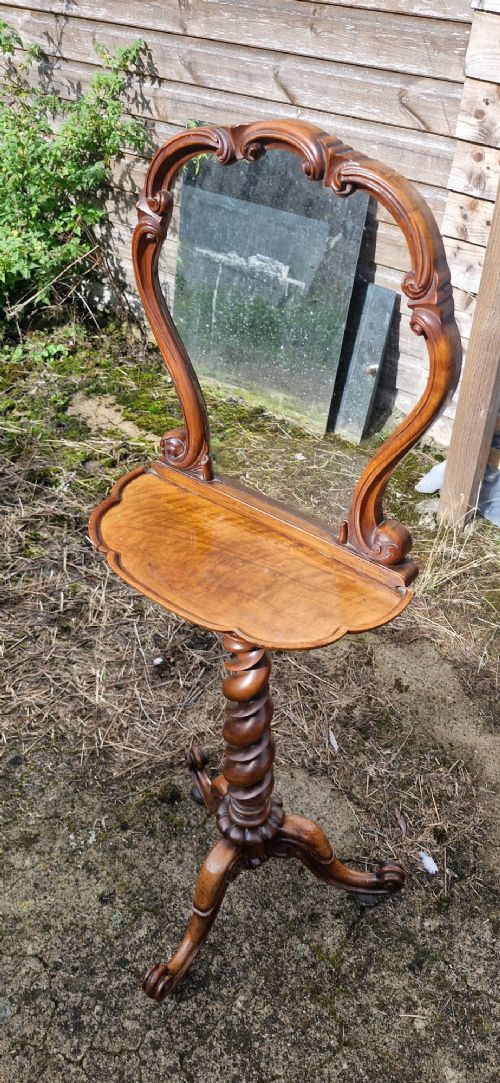
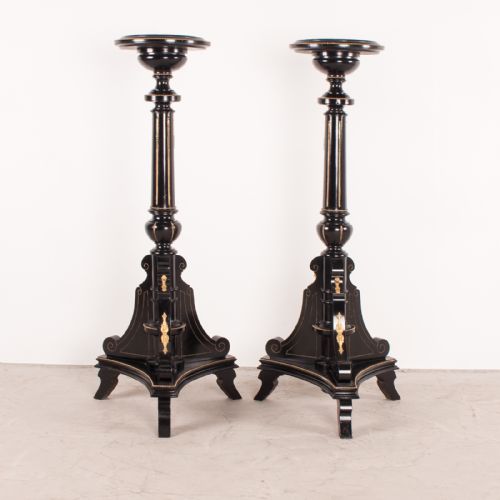
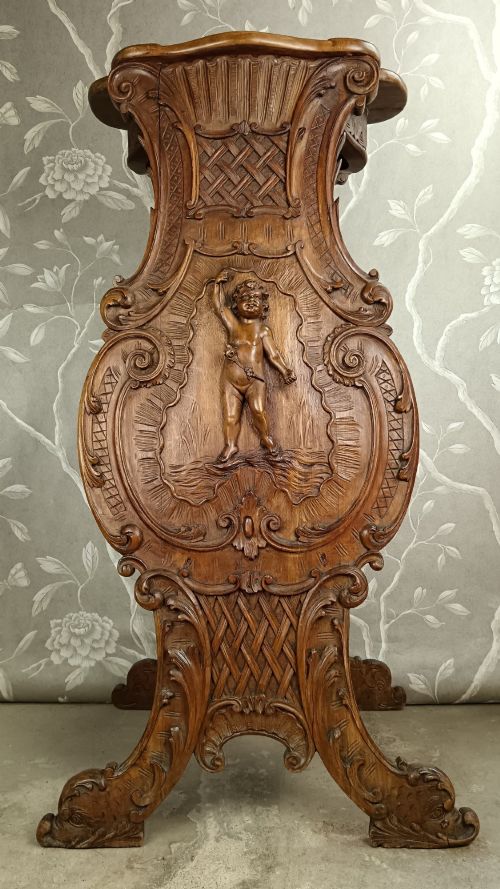
You are most likely to meet mahogany and walnut pedestals alongside marble, onyx, and terracotta columns from the nineteenth century. Forms range from tall torcheres and tripod stands to heavy plinths and glazed pottery jardiniere supports.
How they were made
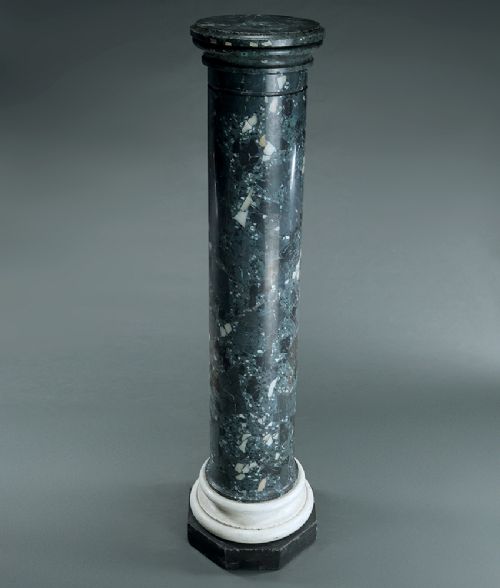
Cabinet makers utilised dense hardwoods such as mahogany, walnut, and rosewood, employing intricate carving alongside ebonising and grain painting to achieve varied visual textures. Stonework columns incorporate natural minerals like verde antico marble, onyx, alabaster, and scagliola.
Metalwork details appear through cast iron and ormolu collars, mounts, and gilt gesso decoration. Construction encompasses turned wooden shafts, tripod bases, and robust stone socles designed to bear heavy loads.
19th Century Plant Column Retail Price Guide 2026
Typical asking prices for 19th century plant column among the pieces listed under this phrase on Sellingantiques today, from the lower quarter to the upper quarter. They describe what is for sale here now, not the wider market.
Listings demonstrate diverse materials spanning solid rosewood, cast iron, alabaster, and scagliola across various nineteenth-century revivals.
What varies in quality
The standard of a 19th century plant column rests upon the ambition of its carving and the selection of its materials. Solid exotic timbers and figured marbles distinguish finer examples from painted pine or simpler cast iron alternatives.
Structural integrity and the precision of classical proportions, such as correct entasis on a column shaft or crisp detailing on acanthus leaves, divide standard utility pieces from exhibition-grade works.
Shoolbred·George Smith·Thomas Hope·Marguerite
The 19th Century Plant Column Glossary
- Torchere
- A tall, slender stand originally designed to hold a candle or torch, frequently utilised in the nineteenth century for plants and lamps.
- Verde Antico
- A dark green serpentine marble often used in classical columns and decorative architectural elements.
- Caryatid
- A sculpted female figure serving as an architectural support taking the place of a column or pillar.
- Socle
- A short plinth or pedestal supporting a statue, column, or vase.
19th Century Plant Column: Frequently Asked Questions
What held plants on these columns?
Pots rested on flat circular or hexagonal wooden tops, stone surfaces, or fitted inset trays designed to contain soil and moisture.
Many examples feature raised edges or moulded lips to secure heavy ceramic and terracotta planters safely in place.
Where were these placed at home?
Nineteenth-century interiors accommodated these columns in entrance halls, drawing rooms, and conservatories to display indoor flora and sculptures.
Their upright footprint allowed them to occupy corners and window spaces without obstructing pathways.
Are stone columns too heavy to move?
Marble, alabaster, and onyx versions possess substantial weight due to solid mineral construction and integrated plinth bases.
Heavier stone pieces typically remain stationary once positioned, whereas timber torcheres allow for easier relocation around a room.
How do I identify the period?
Stylistic clues such as Neoclassical motifs, Victorian revival forms, and specific material combinations indicate nineteenth-century manufacture.
Turned woodwork details, hand-carved vegetal ornament, and the specific ageing of painted finishes help distinguish the era.