

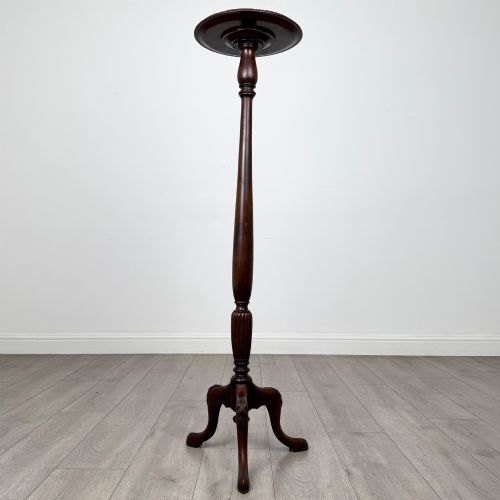

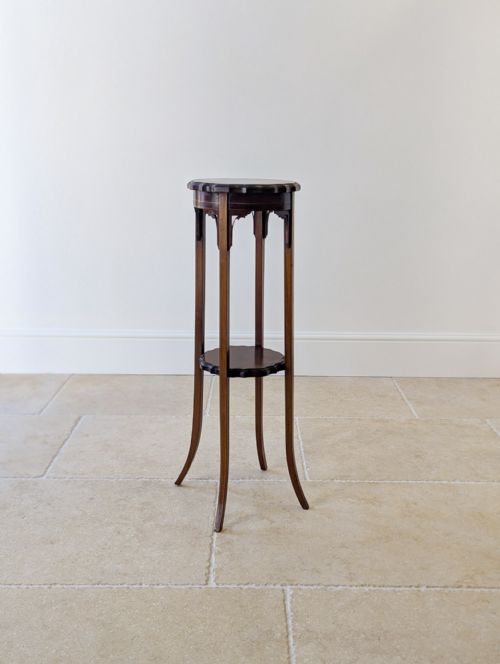
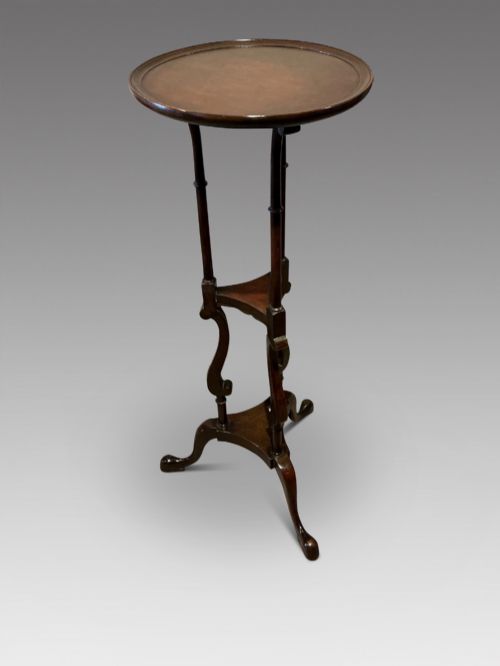

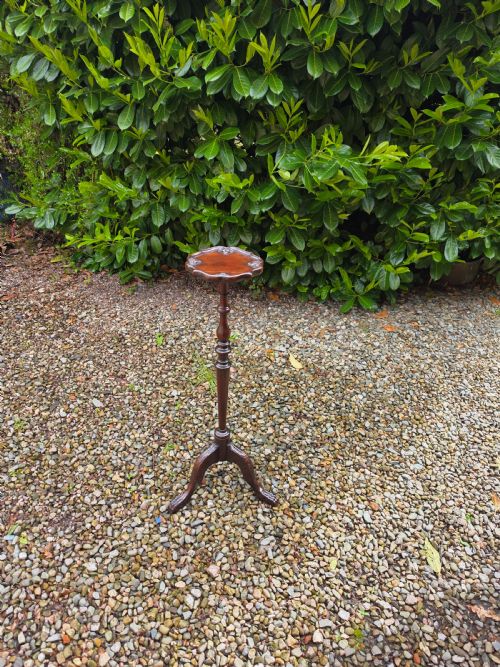


Vintage Mahogany Torchere Stand
A vintage mahogany torchere stand brings height and a slender silhouette to a corner, holding a lamp, plant or sculpture.
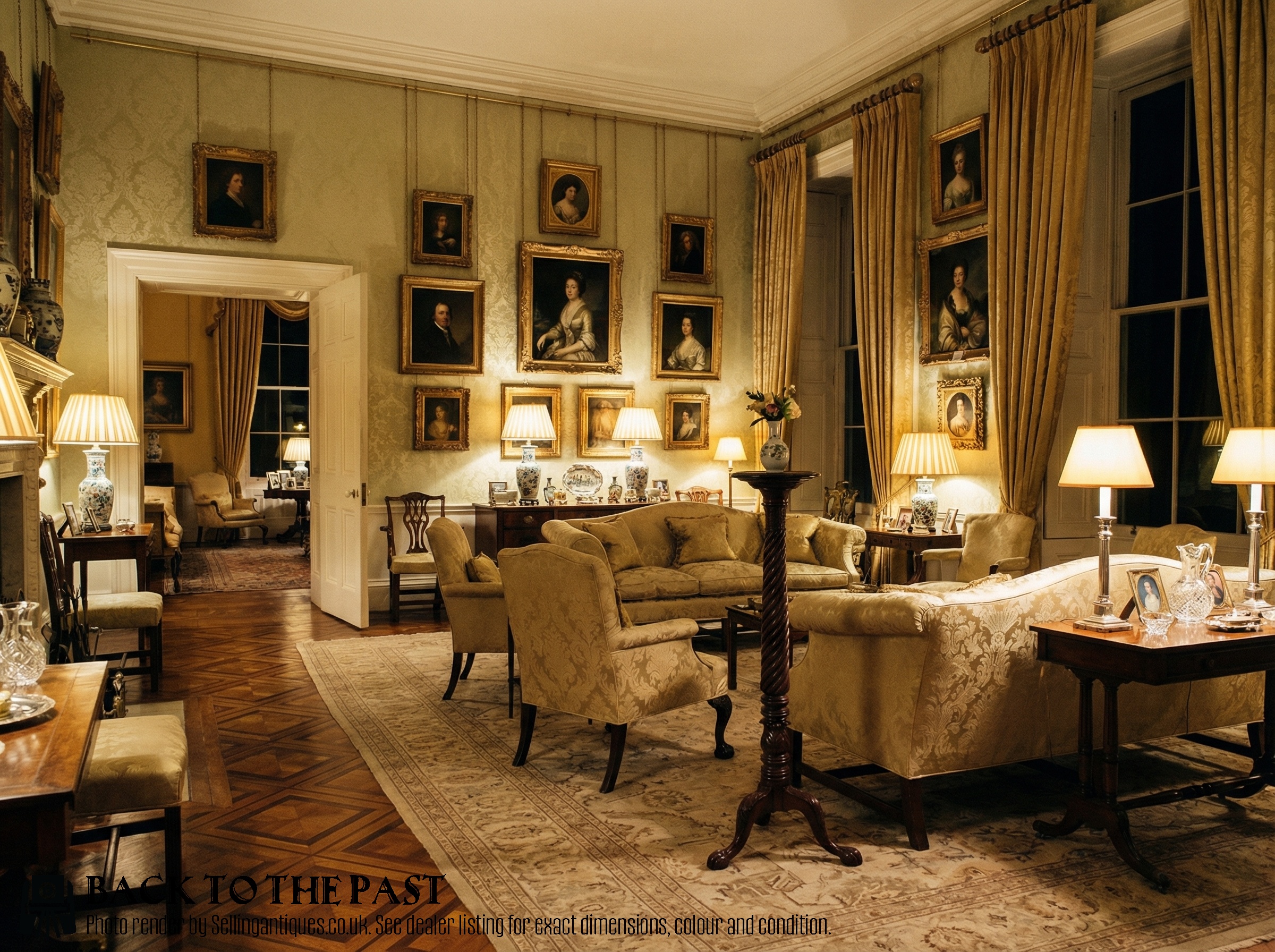
Vintage Mahogany Torchere Stand
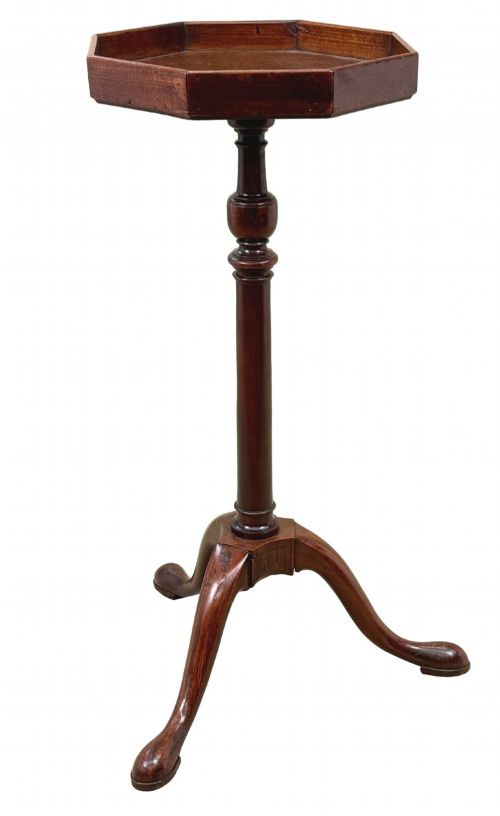
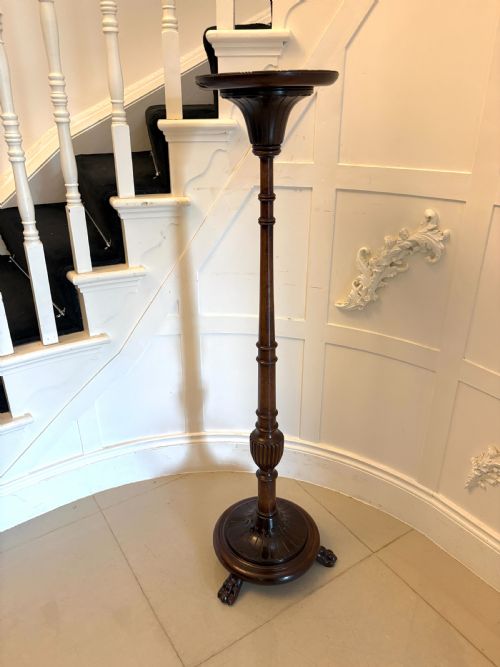
When searching for a vintage mahogany torchere stand, buyers encounter tall, slender supports originally designed to hold lighting or display items. These pieces appear in forms ranging from simple turned columns to heavily carved Victorian examples and refined 18th century Georgian candle stands.
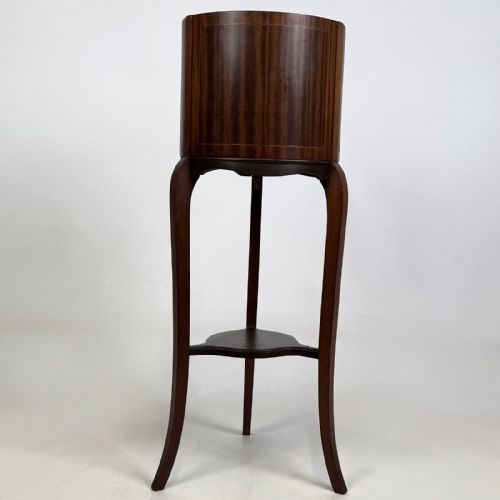
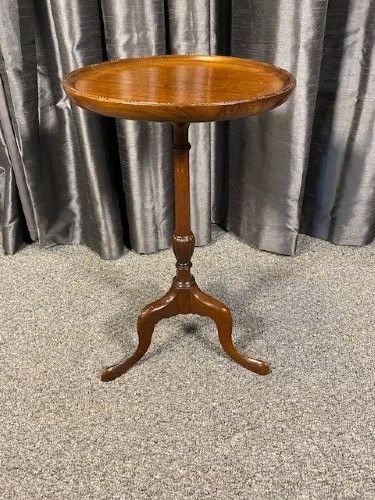
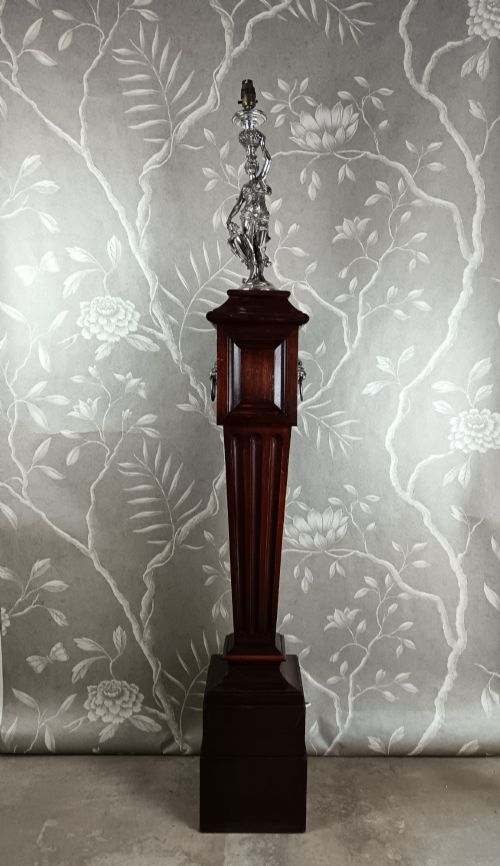
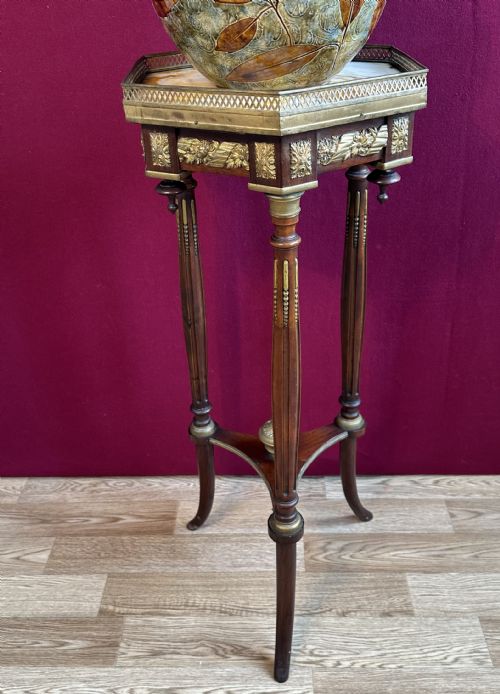
The selections available here lean heavily into Victorian and Edwardian periods, alongside Georgian style revivals and pieces dated around 1900 to 1920. Alongside dedicated torcheres, the listings include plant stands, pedestals, jardiniere holders, and occasional side tables sharing that same vertical emphasis.
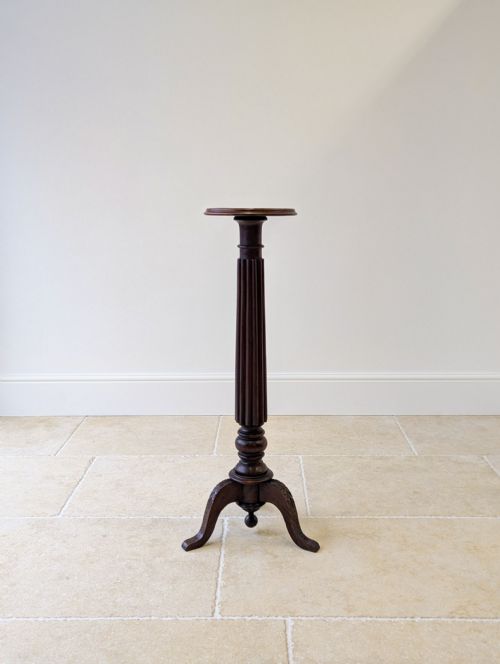
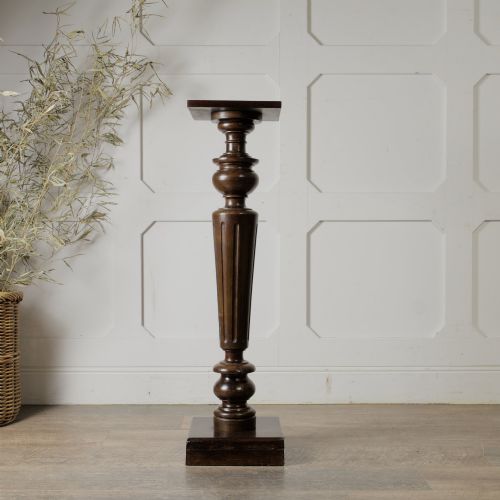
Originating as candle stands, these tall supports adapt easily to modern rooms for displaying vases or holding floor lamps. The proportion remains remarkably consistent, typically offering a narrow top platform raised on a slender shaft and supported by tripod or pedestal feet.
What varies in quality
Quality rests primarily in the crispness of the timber carving and the choice of mahogany stock. Pieces with deep, hand-chisel work on the pedestal base or column capital stand apart from machine-turned later reproductions.
Stability and balance dictate practical merit. A heavy, well-jointed base ensures the tall stand remains secure when supporting a heavy bronze, marble or large plant.
Vintage Mahogany Torchere Stand Retail Price Guide 2026
Typical asking prices for vintage mahogany torchere stand among the pieces listed under this phrase on Sellingantiques today, from the lower quarter to the upper quarter. They describe what is for sale here now, not the wider market.
Listings span from the 18th century through the Edwardian era, incorporating mahogany, brass, marble, and oak.
WMF
The Vintage Mahogany Torchere Stand Glossary
- Torchere
- A tall ornamental stand originally designed to carry a torch or candle. These pieces now serve primarily to elevate plants, lamps, or decorative objects.
- Jardiniere
- An ornamental pot or stand for holding plants and flowers. In these listings, it often describes tall stands featuring a circular top adapted for greenery.
- Plinth
- The heavy base supporting a column or statue. On these stands, it provides the weighted foundation necessary for balance.
- Satinwood inlay
- Contrasting light wood veneer embedded into the mahogany surface. This decorative technique is characteristic of Edwardian pieces.
- Tripod base
- A three-legged support structure typical of candle stands and torcheres. It ensures firm contact on uneven historic flooring.
Vintage Mahogany Torchere Stand: Frequently Asked Questions
What is a torchere used for?
Originally built to hold candles or torches for illumination, these tall stands now function as elevated platforms for table lamps, trailing plants, or sculptural objects.
Their vertical design draws the eye upward and makes use of neglected room corners without occupying significant floor space.
How do I date a mahogany torchere?
Dating relies on stylistic clues, timber characteristics, and construction methods. Georgian pieces display restrained classical proportions, while Victorian examples often feature heavier carving and darker finishes.
Edwardian pieces frequently incorporate lighter mahogany tones paired with satinwood stringing or subtle inlaid motifs.
Are these stands stable enough for daily use?
Most antique stands incorporate weighted bases or wide tripod feet designed to counteract their height. Care should still be taken in busy walkways or homes with pets.
Placing heavier items or substantial plant pots on the lowest possible shelf or ensuring a wide base mitigates tipping risks.
What is the difference between a torchere and a plant stand?
While the terms overlap frequently in antique markets, traditional torcheres typically feature smaller candle-sized tops, whereas plant stands and jardinieres offer broader platforms.
Many listings use the terms interchangeably because both share the same tall, columnar silhouette.