






Georgian Carved Plant Pedestal
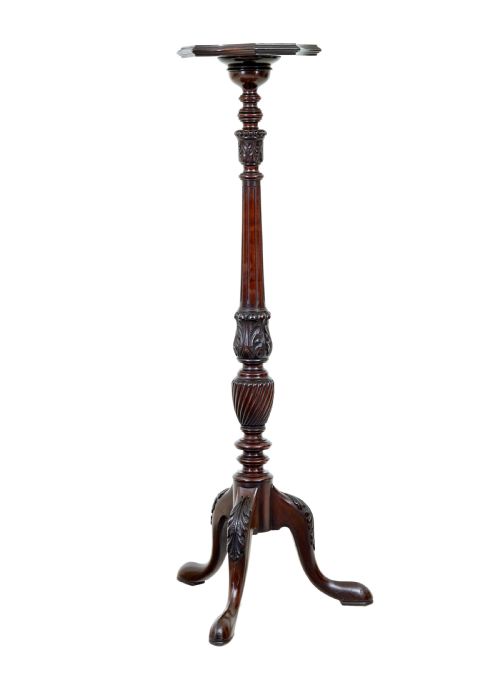
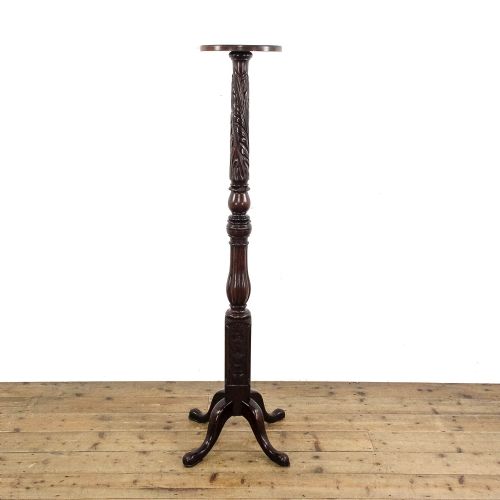
A georgian carved plant pedestal elevates greenery or light on slender columns shaped by hands from centuries past.
Georgian Carved Plant Pedestal
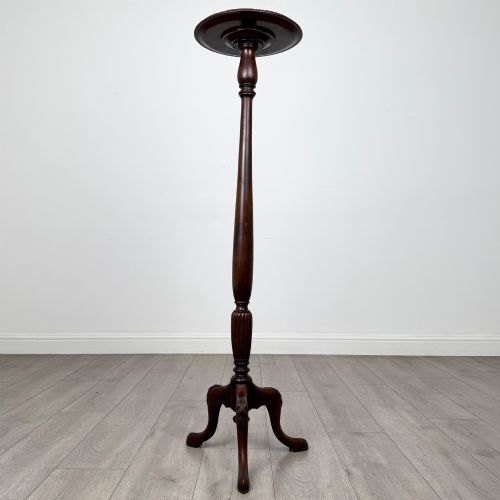
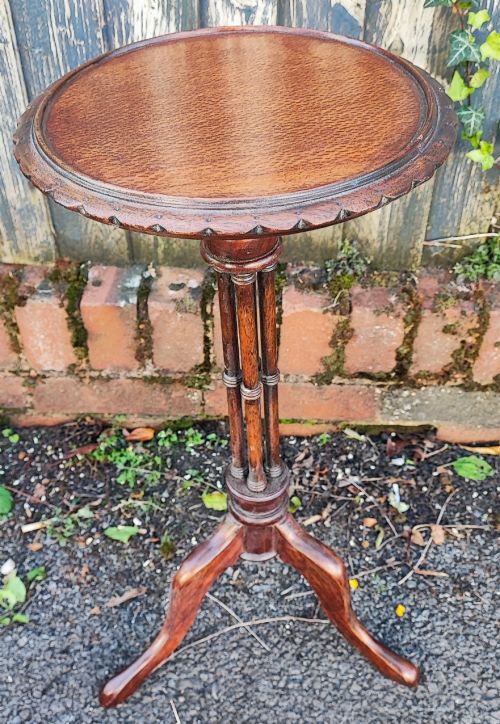
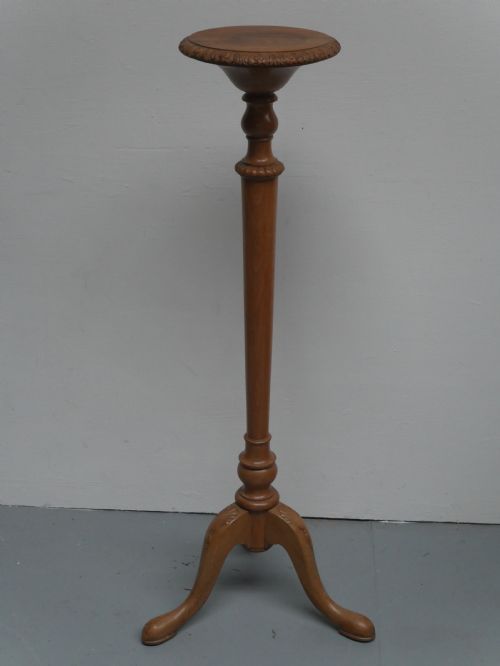
When you search for a georgian carved plant pedestal, you encounter tall, slender supports designed to elevate candles, lamps, or potted foliage above the floor level. These furnishings take the form of torcheres, plant stands, kettle stands, and triform pillars originating from the eighteenth century onward. You frequently meet pieces made in later revival styles that emulate the proportions and carving of the Georgian period.
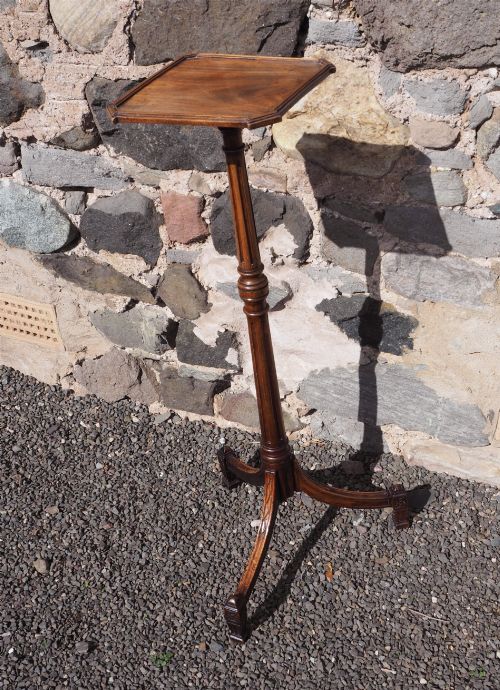
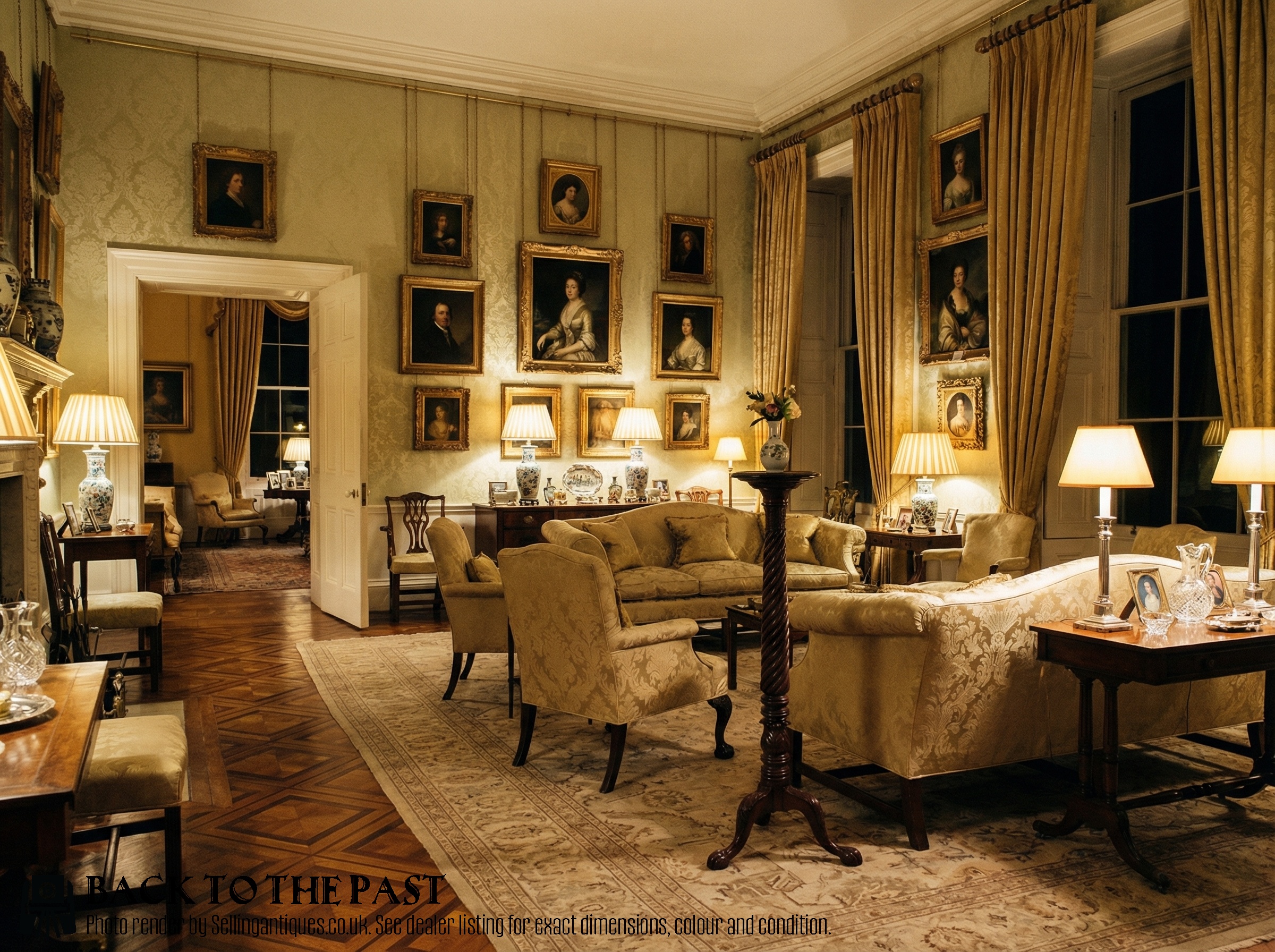
The objects serve primarily as vertical accents in a room, utilising minimal floor space while drawing the eye upward through carved columns and pedestals. Makers constructed them as torcheres, wine tables, and occasional stands, often pairing them to flank doorways or fireplaces. The forms range from plain round tops on tapering stems to elaborate tripod bases adorned with foliage and scrollwork.
Woods and Carving Techniques
Makers fashioned these stands predominantly from dense hardwoods such as mahogany, walnut, and oak, which provided the structural integrity needed for narrow shafts and heavy tops. Workshops also utilised carved wood, gesso, and gold leaf to create gilded decorative finishes on specific torchere forms. Paint appears on select surfaces to alter the appearance of the underlying timber.
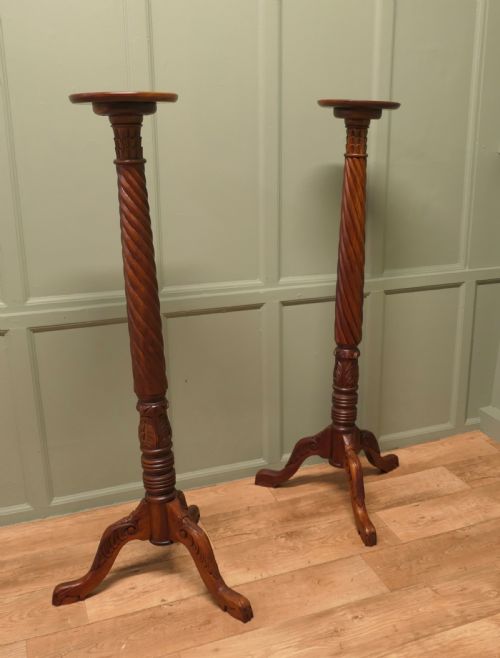
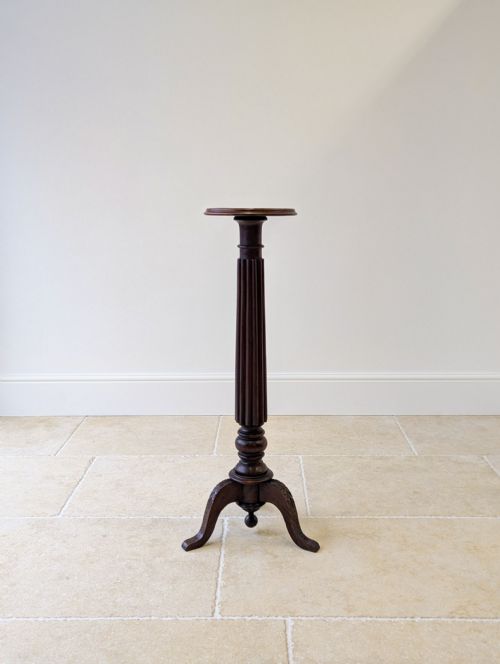
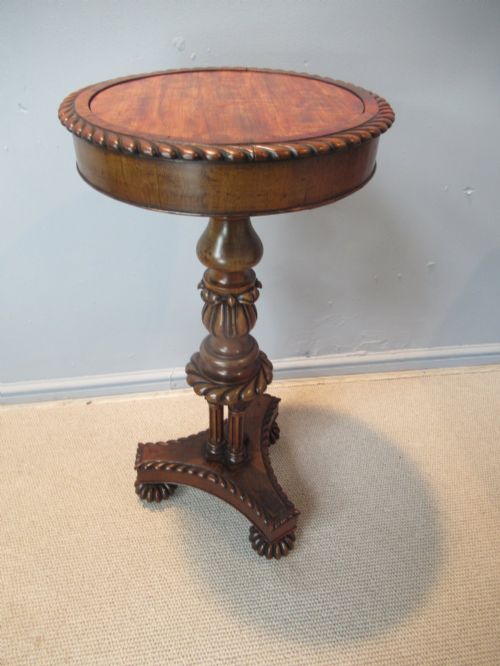
Craftsmen shaped the timber using hand tools to produce rope twist columns, fluted shafts, and square tops supported by tripod legs. Joinery typically involved pegged joints or sturdy central screws connecting the top, column, and base while maintaining balance for tall, slender silhouettes.
Georgian Carved Plant Pedestal Retail Price Guide 2026
Typical asking prices for georgian carved plant pedestal among the pieces listed under this phrase on Sellingantiques today, from the lower quarter to the upper quarter. They describe what is for sale here now, not the wider market.
Some nineteenth-century makers evidently grew tired of straight lines and twisted entire columns into wooden ropes.
Proportion and Carving Depth
The distinction between ordinary and superior examples rests upon the crispness of the timber carving and the harmony of the proportions. Finer pieces display deep, undercut foliage, crisp fluting, and well-balanced tripod bases that distribute weight evenly without wobble.
Simpler versions rely on plain turned columns and straightforward circular tops with minimal decorative embellishment. The choice of timber grain and the precision of the joinery further divide standard utilitarian stands from ambitious cabinetwork.
The Georgian Carved Plant Pedestal Glossary
- Torchere
- A tall, slender stand originally designed to hold a candle or light source. These pieces now frequently support plants or decorative objects.
- Triform
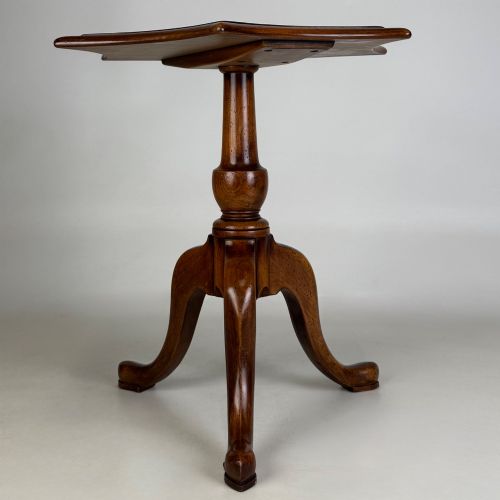
- A base or platform supported by three feet or legs. This configuration provides stability for tall, narrow column stands.
- Gesso
- A plaster-like mixture applied to wood surfaces as a base for paint or gold leaf gilding. It allows artisans to carve fine decorative details onto the foundation.
- Kettle stand
- A small occasional table designed to hold a tea kettle. These low stands share construction methods with plant pedestals.
- Rope twist
- A carved decorative pattern resembling the strands of a twisted rope winding around a column. This motif appears frequently on nineteenth-century shafts.
Georgian Carved Plant Pedestal: Frequently Asked Questions
What is a torchere stand?
A torchere stand is a tall, narrow piece of furniture designed to elevate a light source or plant. These supports lift objects into the line of sight and use minimal floor space in domestic interiors.
Craftsmen built them with stable bases, often featuring three legs, to prevent tipping despite the height of the central column.
How were plant pedestals used?
Historic households used these stands to display candles, lamps, or decorative plants in reception rooms and parlours. They provided a method for placing greenery in corners or alongside seating areas.
Today, they serve similar decorative functions, holding modern potted plants or sculptures in domestic spaces.
How do I date a wooden stand?
Dating relies on examining the timber species, tool marks, and stylistic indicators such as column turning and leg design. Eighteenth-century pieces typically feature dense mahogany or walnut with hand-cut joinery.
Revival pieces from the Victorian era and the early twentieth century often copy these earlier proportions while utilising slightly different manufacturing methods and secondary woods.
Are these stands stable for plants?
Most pedestals possess sturdy tripod or triform bases designed to bear weight vertically without tipping. Heavy stone or ceramic pots require careful balancing depending on the width of the top surface.
Checking the tightness of the central column connection ensures the stand remains secure under load.