

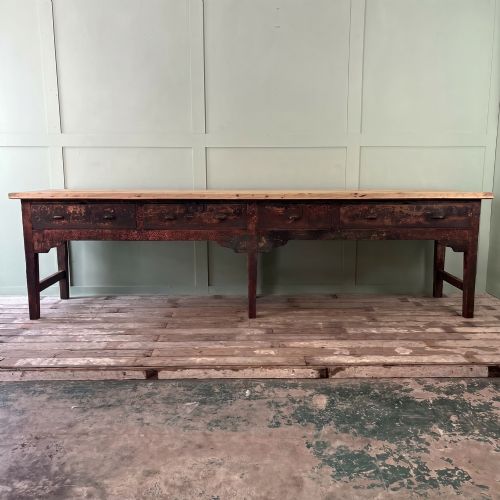
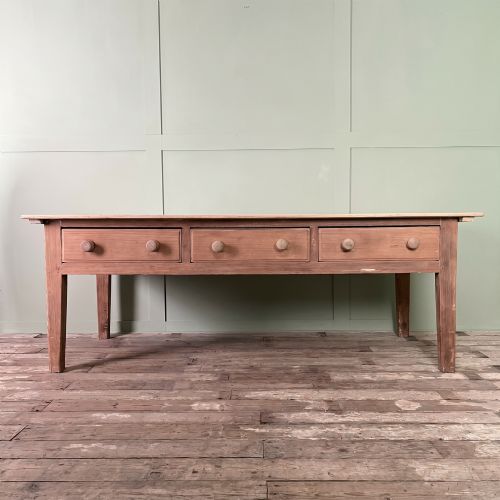
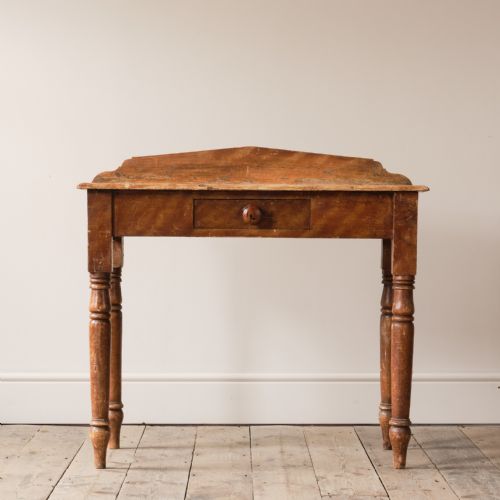


19th Century Pine Server Table
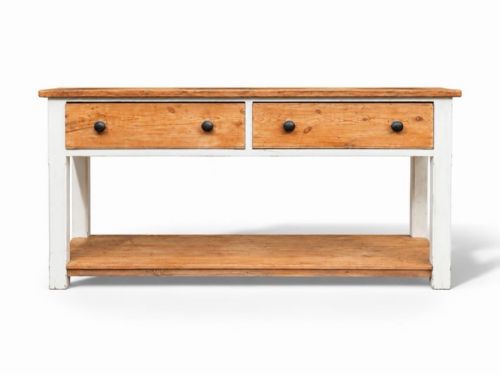
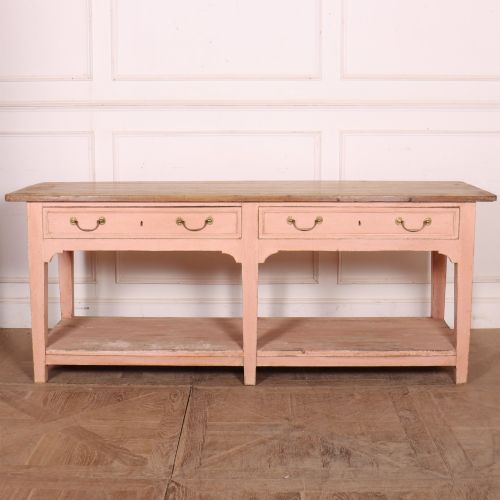
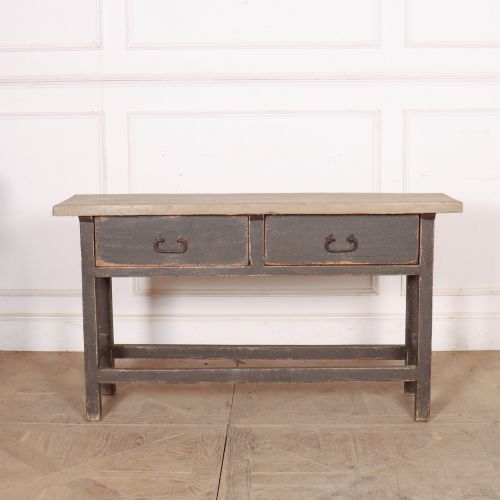
A 19th century pine server table offers robust utility and honest character, bringing practical surface space and historic charm to domestic interiors.
19th Century Pine Server Table
The selection on this page demonstrates regional diversity across British and continental workshops, including Swedish dining preparation tables and French tables. These pieces often overlap with side tables, console tables, and dresser bases utilised in kitchens and dining rooms.
Materials and construction methods
Construction relies heavily on pine, pitch pine, and sycamore timbers, frequently augmented by paint finishes, alongside hardware formed from brass and iron. Wood shrinkage and heavy daily use shaped the robust joinery employed by makers of the period.
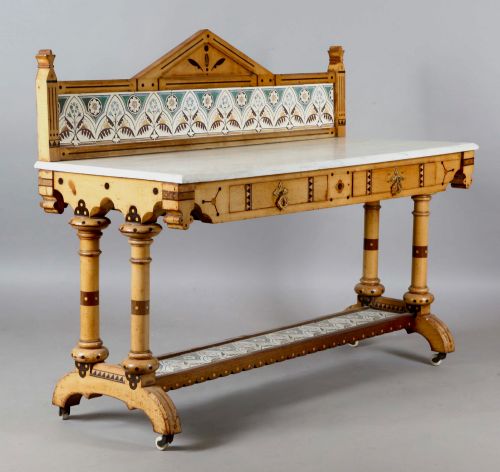
Surfaces exhibit the marks of preparation and serving tasks, sometimes retaining original paint or historic wax. Secondary timbers like ash appear occasionally in structural components, while tiles or marble surfaces feature on specialised washstands.
19th Century Pine Server Table Retail Price Guide 2026
Typical asking prices for 19th century pine server table among the pieces listed under this phrase on Sellingantiques today, from the lower quarter to the upper quarter. They describe what is for sale here now, not the wider market.
Bread slides in dresser bases reveal where dough once rested before baking.
Factors distinguishing quality
Quality rests upon the integrity of the timber framing and the preservation of original surfaces, such as historic paint finishes or untouched waxed patination. Substantial boards used for tops and potboards indicate better material selection by the maker.
Proportion and restrained detail separate utilitarian workshop output from more considered regional furniture. Alterations to height or replaced hardware alter the architectural balance established during manufacture.
Charles Bevan·Christopher Dresser
The 19th Century Pine Server Table Glossary
- Potboard
- A lower open shelf fitted between the legs of a dresser base or server to hold heavy kitchen pottery. It provides structural stability while keeping domestic utensils close to hand.
- Bread slide
- A pull-out wooden shelf integrated into the cabinetry of a server or dresser base to cool baked goods. This feature slides discreetly beneath the main top when not in use.
- Pot cupboard
- A small freestanding enclosed cabinet designed to house a chamber pot. These compact items share the domestic sphere with larger serving tables.
- Reformed Gothic
- A Victorian design movement associated with architects like Charles Bevan that reinterpreted medieval forms through geometric incised decoration. Pieces in this style utilise strict structural lines rather than surface carvings.
- Pitch pine
- A dense, resinous softwood sourced mainly from North America and heavily utilised during the Victorian era. Its prominent grain gives a distinct striped pattern compared to ordinary white pine.
19th Century Pine Server Table: Frequently Asked Questions
What is a 19th century pine server table used for?
These tables served practical roles in kitchens and dining rooms for food preparation, holding serving dishes, and storing domestic kitchenware.
Today, they function effectively as sideboards, hallway consoles, or workspace surfaces in modern kitchens.
How do I identify a Victorian pine table?
Victorian examples frequently display denser pitch pine timbers or painted finishes, reflecting mid to late nineteenth-century domestic fashions. Construction details often include machine-sawn components alongside traditional hand-cut joints.
Regional variations from Scottish or English workshops further help distinguish the origin and period of each table.
Are painted finishes on these tables original?
Many servers and console tables retain traces of historic or original paint, which developed through decades of domestic use. Inspecting the surface wear helps determine whether the paint application is period or a later addition.
Original painted surfaces contribute significantly to the decorative appeal and historic integrity of the piece.
How should I care for a pine server table?
Maintain the wood by applying traditional wax sparingly to nourish the dry pine fibres and protect against moisture. Avoid placing these tables in direct sunlight or near heat sources to prevent timber splitting.
Gentle cleaning with a soft, dry cloth preserves the accumulated patina acquired over generations of use.