



19th Century Persian Textile
A 19th century persian textile brings rich village and court weaving traditions into modern interiors through authentic wool, silk and felt.
19th Century Persian Textile
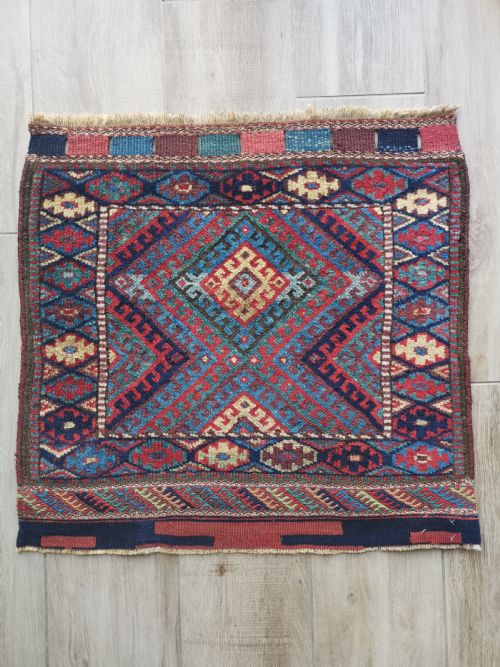
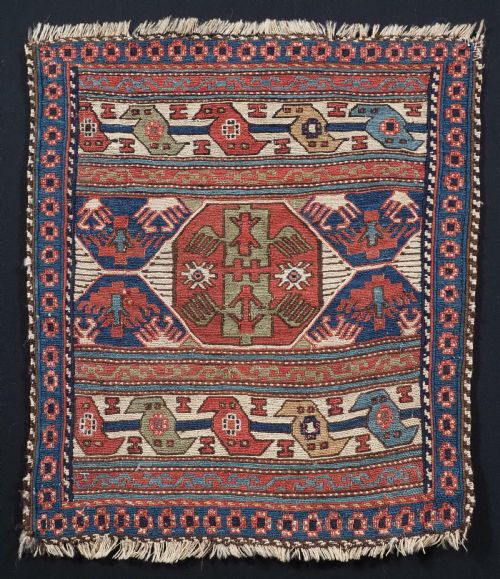
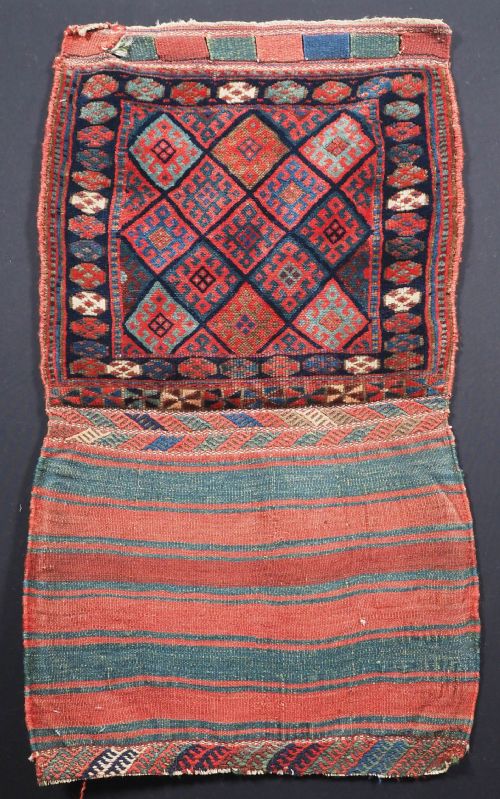
A 19th century persian textile encompasses an array of tribal and dynastic items, including saddle bags, embroideries, jackets and rugs. These pieces represent various regional groups such as the Shahsavan, Afshar, Jaf Kurd and Qajar makers.
Buyers frequently encounter bag faces, cushions and embroidered hangings originating from the latter half of the nineteenth century. These objects reflect the practical and decorative output of Persian nomadic and settled weaving traditions.
How they were made
Craftsmen utilised wool, silk and cotton foundations, frequently incorporating natural dyes to achieve durable colour. Techniques span from Rasht embroidery and applique work on red felt to soumak weaving and block printing.
Specialised items combine multiple materials, such as silk on felt or wool integrated with metal thread. Artisans employed flatweave structures and pile knots depending on the specific tribal workshop or regional custom.
Materials documented across the available pieces include wool, silk, cotton, felt, goat hair, wood and natural dyes.
What varies in quality
Quality depends upon the fineness of the execution, the complexity of motifs such as birds, dragons and boteh designs, and the condition of the base materials. Superior examples display lustrous wool and precise needlework.
The integrity of the natural dyes and the preservation of original felt or woven backs distinguish exceptional pieces. Finer workmanship shows in the density of the weave and the clarity of regional iconography.
Mohtasham Kashan·Shahsavan·Afshar·Jaf Kurd
The 19th Century Persian Textile Glossary
- Soumak
- A flatweave technique producing a durable structure with wrapped weft threads on the reverse. This method allows for crisp geometric and figurative patterns.
- Boteh
- A stylised floral motif resembling a pear or almond shape. It appears frequently in traditional Persian weaving.
- Khorjin
- A traditional pair of saddle bags used by nomadic tribes for transport and storage. They often feature elaborate face designs.
- Rasht embroidery
- A traditional needlework style originating from northern Iran utilising silk threads applied to wool felt backgrounds. Artisans create dense, colourful geometric and floral imagery through this method.
- Abaya
- A traditional long jacket or outer garment. Examples from the Qajar period incorporate wool and metal thread.
19th Century Persian Textile: Frequently Asked Questions
How do I display a textile?
Many smaller pieces like bag faces and embroideries mount successfully on fabric-backed panels for wall hanging. Larger rugs and covers suit placement on floors with appropriate underlays to protect the fibres.
Ensure items avoid direct sunlight to preserve the natural dyes used in the nineteenth century. Gentle rotation prevents uneven wear in high-traffic areas.
What is a bag face?
A bag face is the decorative front panel of a nomadic storage sack, typically preserved after the plain wool back wore out from daily use. Tribes utilised these containers for household goods and transport.
Collectors prize them as self-contained compositions displaying the weavers' full repertoire of tribal motifs and colour combinations.
How do I identify Qajar textiles?
Qajar period pieces often reflect court tastes or block-printed traditions, featuring portraits, figures or fine metal thread integration. The dynasty era produced distinct garments and decorative cloths alongside tribal output.
Look for refined materials like silk and detailed painted elements that distinguish urban workshops from rural nomadic weaving.
Are these pieces made with natural dyes?
The nineteenth-century examples on this page rely on traditional dye sources derived from plants and insects before synthetic alternatives dominated production. These natural colourants yield rich, varied tones that age gracefully.
Lustrous wool and well-preserved silk retain their depth of colour across decades of traditional use and handling.