


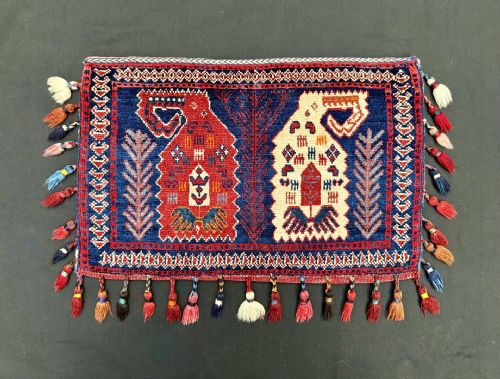


Handwoven Saddle Bag
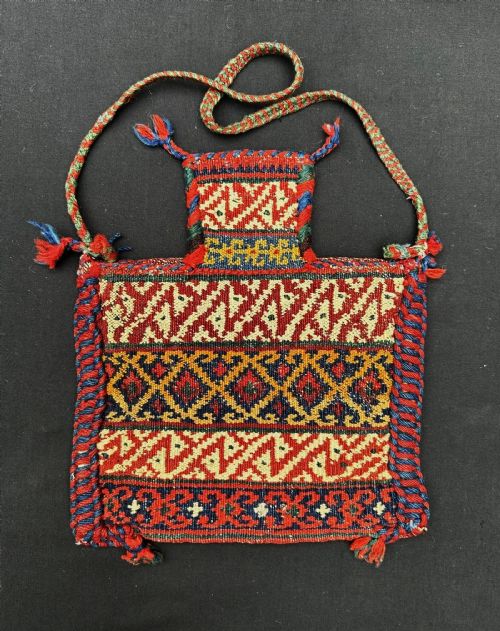
These handwoven antique saddle bag examples are tribal trappings of genuine nomadic utility, prized today for their dense wool and rich regional patterns.
Handwoven Saddle Bag
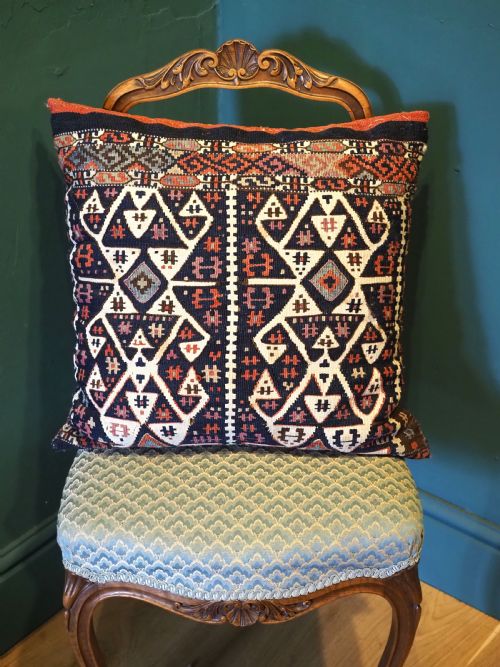
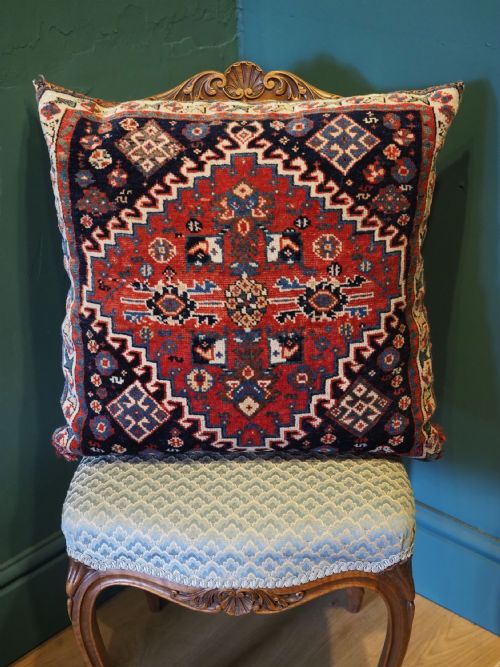
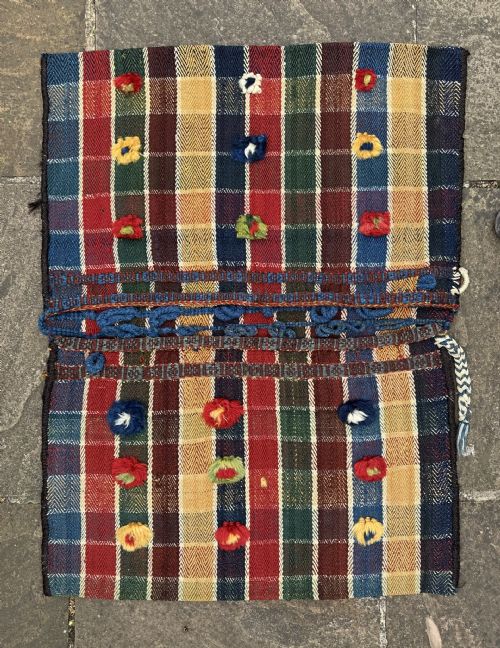
A handwoven antique saddle bag represents the utilitarian weaving of nomadic groups from Persia and Anatolia, produced to carry belongings across rugged terrain. Buyers examining these pieces will encounter complete double bags, single faces, and flattened cushions fashioned from original khorjin fragments.
The regional attribution often points toward specific tribal confederations such as the Qashqai, Afshar, Shahsavan, and Luri. Pieces frequently emerge from the nineteenth century up to the early twentieth century, reflecting traditional village and tribal aesthetics.
Many surviving examples have been adapted into cushions or retain their plain weave backs in wool and cotton. Each specimen serves as a tangible record of tribal life, combining structural utility with symbolic geometric iconography.
What varies in quality
Quality in these nomadic textiles rests upon the fineness of the wool and the complexity of the dye palette. Superior examples display exceptional clarity in natural dye colours and tightly packed knots or precise flatweave execution.
The preservation of the original format, whether a complete double bag with its plain weave back or an intact face, influences the character of the piece. Greater precision in tribal iconography and structural wholeness distinguish the finer specimens from simpler utility pieces.
Nomads occasionally tucked protective amulets directly into the wool weave to guard their belongings on the road.
The Handwoven Saddle Bag Glossary
- Khorjin
- The traditional Persian term for a double-sided saddle bag used by nomads for transport. These bags were typically slung over pack animals during migration.
- Kilim
- A flatwoven textile produced without a pile by tightly interweaving warp and weft threads. This technique forms the structure of many bag faces and cushions.
- Heybe
- The Turkish term for a saddle bag or pouch created by nomadic weavers in Anatolia. These pieces share functional similarities with their Persian counterparts.
- Warp
- The stationary vertical threads stretched across a loom onto which the weft and pile are knotted or woven. They form the foundational skeleton of the textile.
- Weft
- The horizontal threads passed through the warp to bind the structure together and secure the design. In flatweaves, the weft carries the visible pattern colours.
Handwoven Saddle Bag: Frequently Asked Questions
What is a saddle bag face?
A saddle bag face is the decorative front portion of a traditional nomadic double bag that has been separated from its backing. These sections are frequently preserved as wall hangings or small decorative mats.
Collectors often seek these individual panels because they display the primary geometric iconography without the bulk of the complete trapping.
How were these bags used originally?
Nomadic tribes utilised these double pouches draped across horses, donkeys, or camels to carry personal possessions during seasonal migrations. They served as portable storage for household goods, grain, and clothing.
When the tribes settled or the bags completed their working life, many were dismantled or repurposed within domestic spaces.
How do I care for antique wool bags?
Maintenance requires gentle vacuuming without a beater bar and keeping the textiles away from direct, harsh sunlight. Proper airflow prevents moisture accumulation in the dense wool fibres.
Professional textile conservation cleaning should be considered if deep intervention is required to stabilise the wool and natural dyes.
Can I use these bags as cushions?
Many surviving fragments and complete bag faces are safely converted into decorative floor cushions or pillows. This adaptive reuse protects the historic textile while integrating it into modern living environments.
Backings are typically added to support the antique wool and provide functional comfort for domestic seating.