


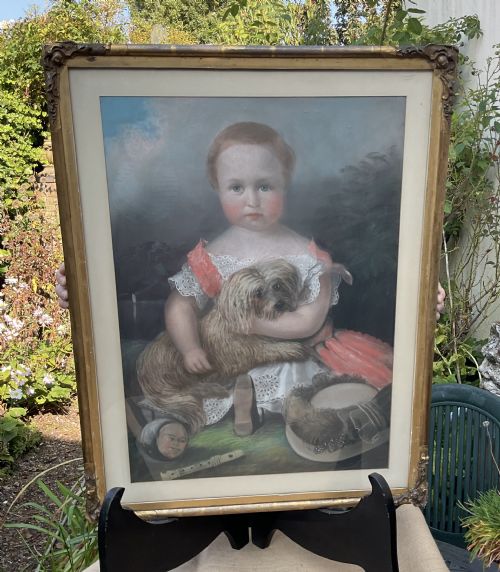


19th Century Pastel Portrait
A 19th century pastel portrait brings the quiet presence of past lives into a room through rich, powdery pigments on paper.
19th Century Pastel Portrait
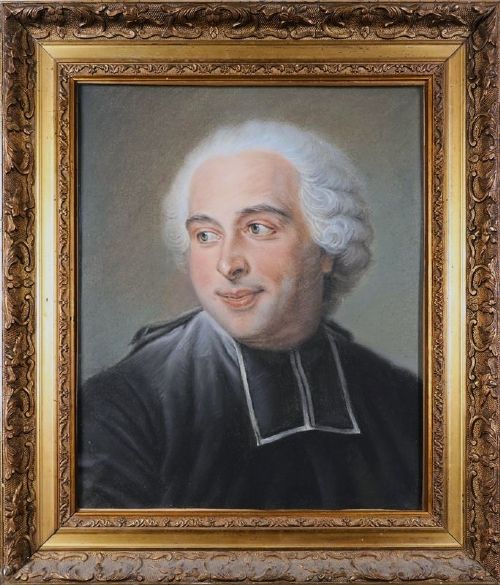
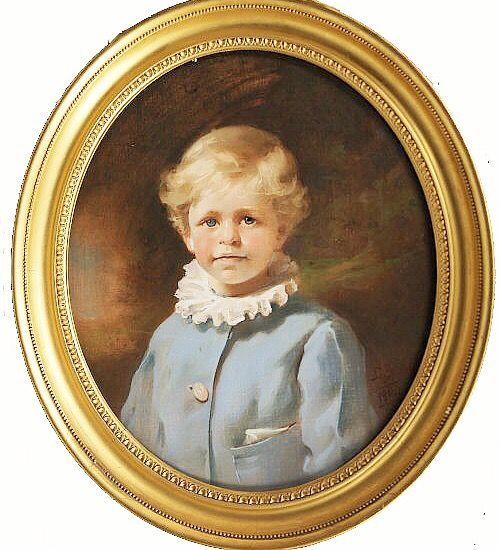
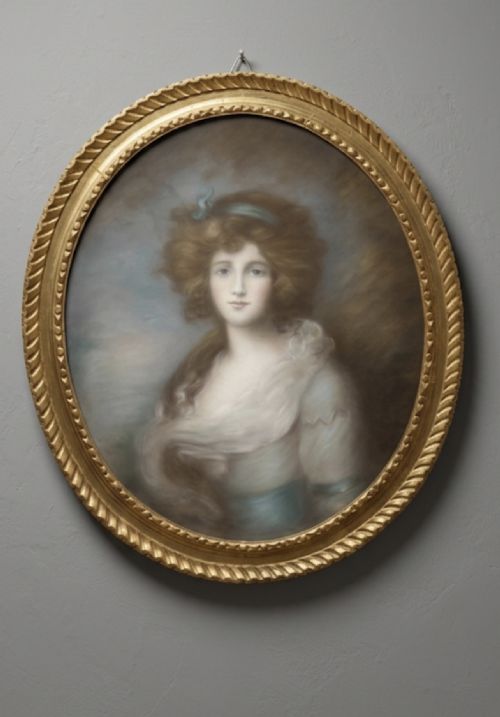
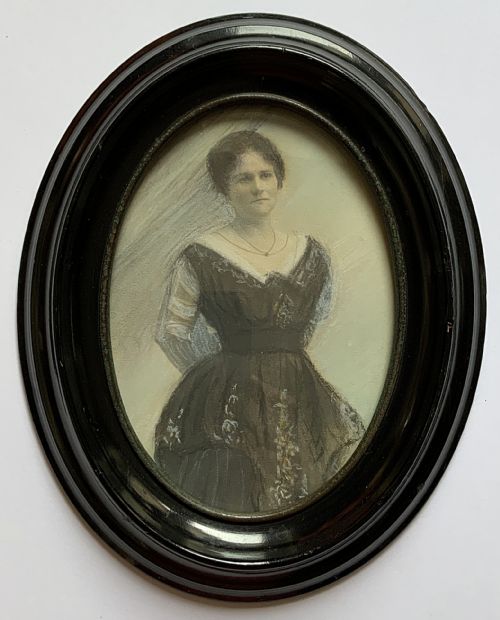
A 19th century pastel portrait captures likenesses ranging from Georgian gentlemen and Victorian children to languorous ladies in silk dresses. The pieces on this page appear on paper, canvas or card, frequently housed behind glass within ornate giltwood or birdseye maple frames.
Buyers encounter both intimate miniature paintings and large oval wall art produced by various regional schools. English, French and German hands dominate the record, alongside occasional subject studies depicting notable figures or everyday characters.
Materials and technique
Artists built these images using compressed coloured chalks and pastels, sometimes blending the dry pigments with gouache or watercolour highlights. The powdery medium allowed for delicate tonal gradations across skin and fabric, particularly when rendering satin evening gowns and lace collars.
The delicate surface required immediate protection beneath glass, mounted securely inside heavy wooden or gilt frames to prevent the loose pigment from shifting over time.
19th Century Pastel Portrait Retail Price Guide 2026
Typical asking prices for 19th century pastel portrait among the pieces listed under this phrase on Sellingantiques today, from the lower quarter to the upper quarter. They describe what is for sale here now, not the wider market.
At least one nineteenth-century sitter managed to sneak a beloved pet poodle into posterity alongside the family.
Assessing the execution
Quality rests entirely in the anatomical certainty of the drawing and the vitality captured in the sitter's gaze. Superior works demonstrate a confident command of light across the face and drapery, avoiding stiff outlines or muddy blending.
The integrity of the original backing and the survival of the early framing materials also influence the standing of a piece, as undisturbed surfaces preserve the fresh application of the delicate chalks.
Leon Sprinck·Thomas Gainsborough·J Bizo·John Raphael Smith·Robert Faulkner·Josiah Gilbert·Gaston Bouy·John Parry·George Richmond·Maud Herdman·J W Walton·Hugh Douglas Hamilton·Charles Edward Marshall·Prosper Guillaume Dartiguenave
The 19th Century Pastel Portrait Glossary
- Pastel
- A dry painting medium composed of powdered pigment and a binder, shaped into sticks. It permits immediate application of pure, vibrant colour directly onto paper.
- Gouache
- An opaque water-based paint often used alongside pastels to add sharp highlights and dense areas of tone.
- Giltwood
- Wood carved and coated with gold leaf or a gold-coloured finish. This material characterises the grand frames frequently paired with period portraits.
- Sanguine
- A type of red chalk used historically for sketching and portraiture, producing warm, earthy monochromatic tones.
- Birdseye maple
- A figured timber showing small, swirling dots resembling birds' eyes, prized for nineteenth-century veneer frames.
19th Century Pastel Portrait: Frequently Asked Questions
How should I hang pastel art safely?
Keep these works away from direct sunlight and damp environments to protect the fragile chalk pigments and paper supports.
Ensure the frame remains tightly sealed against the glass so that stray dust cannot settle onto the face of the drawing.
Can pastels be cleaned if they get dusty?
Cleaning the paper surface yourself risks smudging the loose pigment permanently across the composition.
Leave any conservation work entirely to professional paper restorers who understand dry mediums.
Why do some portraits feature gouache?
Artists combined gouache with pastels to strengthen highlights on lace, jewellery and eyes where pure chalk lacked sufficient opacity.
This mixed technique added depth and contrast to the softer, powdery background tones.
How do I spot a later frame?
Original nineteenth-century frames typically exhibit period joinery, authentic shrinkage cracks and aged gilding that matches the wear on the artwork.
Twentieth-century replacements often feel too clean or use modern backing boards and fixings.