

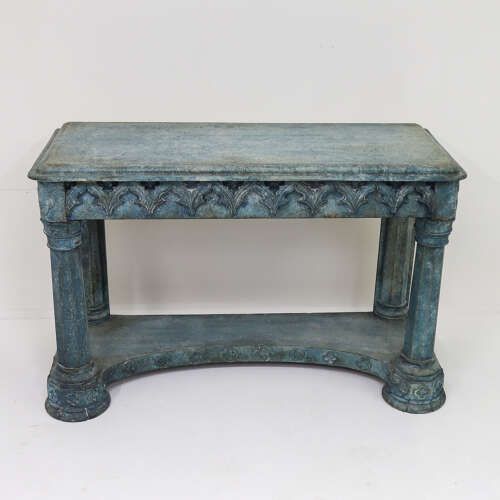


19th Century Painted Server
A 19th century painted server provides practical surface space while displaying the distinctive character of aged surface finishes.
19th Century Painted Server
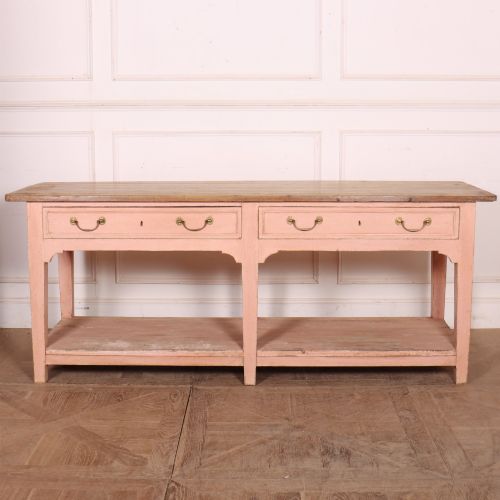
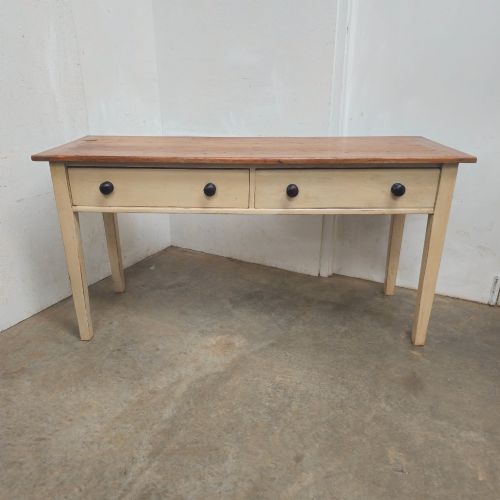
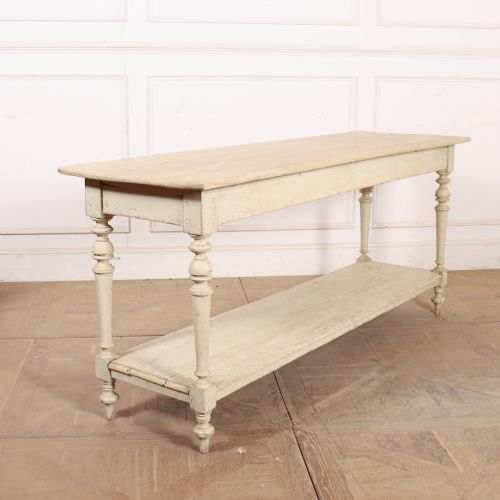
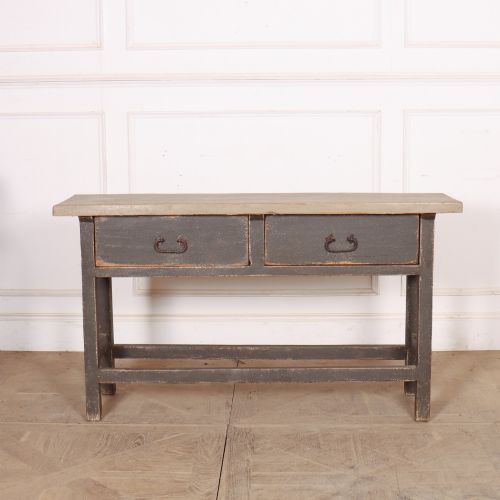
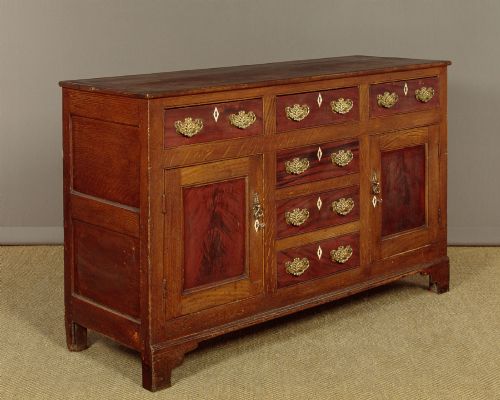
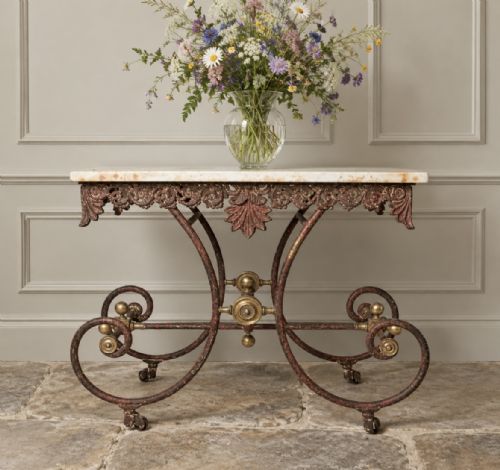
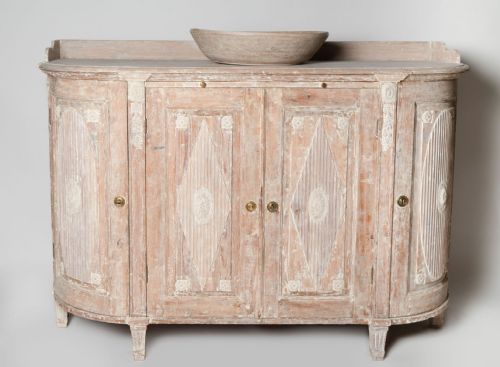
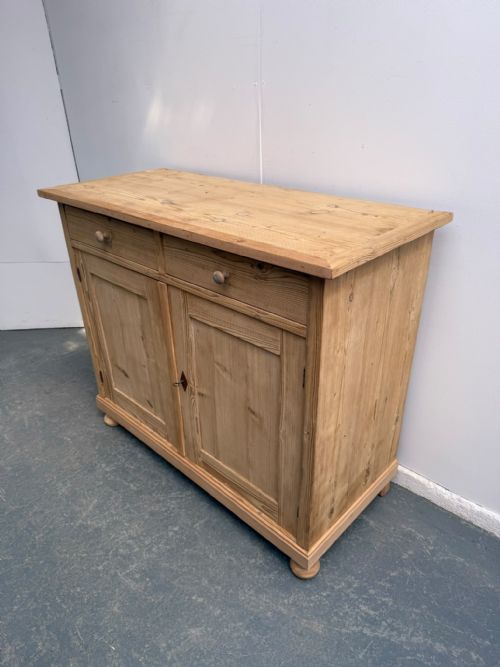
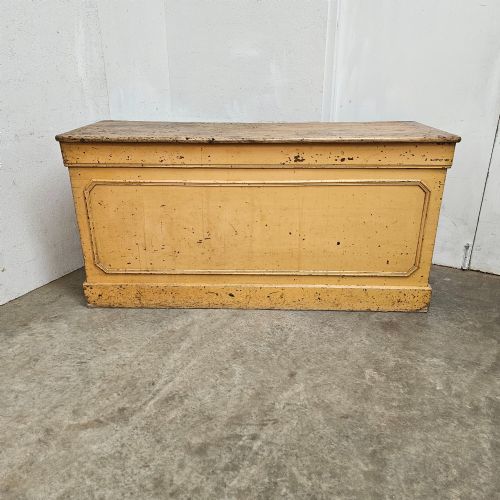
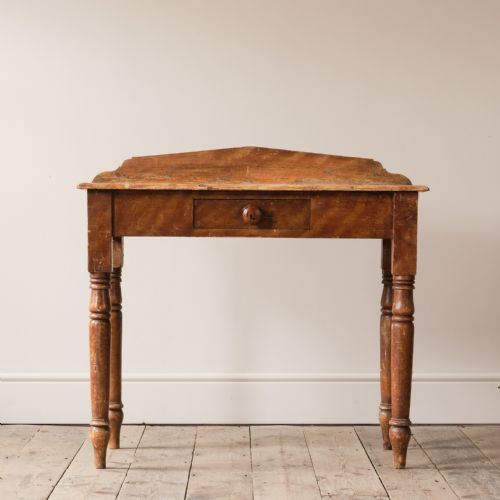
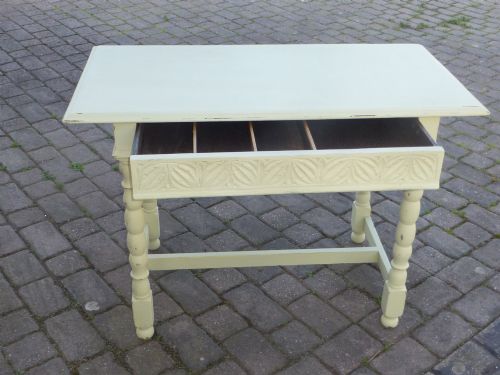
A 19th century painted server functions primarily as a serving or preparation piece, taking forms such as console tables, dresser bases, and sideboards. These items emerge from various regional traditions, including English, French, Scottish, and Welsh domestic and utility contexts.
Buyers meet forms constructed for practical use in kitchens, dairies, and shops, which subsequently transition into domestic dining and hall spaces. The selection ranges from straightforward pine tables to elaborate consoles influenced by specific design tastes.
Makers build these pieces to endure heavy daily tasks, resulting in sturdy proportions and robust framing. Surviving examples often retain layers of historical surface decoration applied to practical timber carcasses.
Materials and construction methods
Pine and general wood provide the primary structural carcass for the majority of these pieces, selected for local availability and strength. Joinery methods rely on traditional cabinet-making techniques appropriate to utilitarian furniture.
Surface treatments involve historical applications of paint, sometimes noted as original, layered over timber grounds. Additional elements such as brass or iron hardware and enamel fittings appear on specific forms.
Decorative detailing ranges from plain utility finishes to specific stylistic motifs influenced by regional workshops and period tastes.
The listings feature 19th century items spanning regional styles such as Victorian Country, French Provincial, and Rustic Farmhouse.
Distinctions in quality
Quality rests upon the integrity of the original construction and the preservation state of the surface finish. Pieces retaining authentic, untransformed painted surfaces command greater interest than those subjected to modern re-painting or heavy stripping.
Proportion and structural balance separate standard utilitarian workshop output from finely resolved pieces exhibiting considered regional craftsmanship or specific stylistic design influences.
Melissa White·Kuznetsov
The 19th Century Painted Server Glossary
- Dresser base
- The lower cabinet or table portion of a kitchen dresser, featuring drawers and cupboards suited for storage and surface preparation. This form often functions independently as a server.
- Console table
- A table designed to stand against a wall, frequently supported by brackets or legs that emphasise architectural form. These pieces often serve a decorative and serving role in halls and reception rooms.
- Original paint
- A surface coating applied during the period of manufacture that has survived without subsequent modern overpainting. Collectors look for this condition to assess historical authenticity.
- Potboard
- An open slatted lower shelf incorporated into dresser bases or side tables for storing pots and domestic utensils. This practical feature is typical of regional vernacular furniture.
19th Century Painted Server: Frequently Asked Questions
What is a 19th century painted server?
A 19th century painted server is a utilitarian table, console, or dresser base produced during the eighteen hundreds with a painted wooden finish.
These pieces were originally utilised in kitchens, shops, and dining spaces for food preparation and service.
How were these servers used originally?
They served as practical work surfaces for food preparation, storage, and the serving of meals in domestic and commercial settings.
Many examples originate from farmhouse kitchens, dairies, and shop interiors where durability was essential.
How do I live with one?
You can integrate a painted server into modern dining rooms, kitchens, or hallways as a sideboard or console table for storage and display.
Care involves protecting the historic painted surface from excessive moisture and direct heat.
How do I identify the period?
Period identification relies on timber selection, traditional joinery methods, and the characteristics of the historical paint layers.
Stylistic cues such as regional vernacular forms and period design influences also help date the piece.