

19th Century Painted Panel
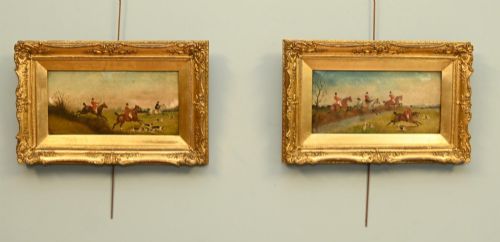
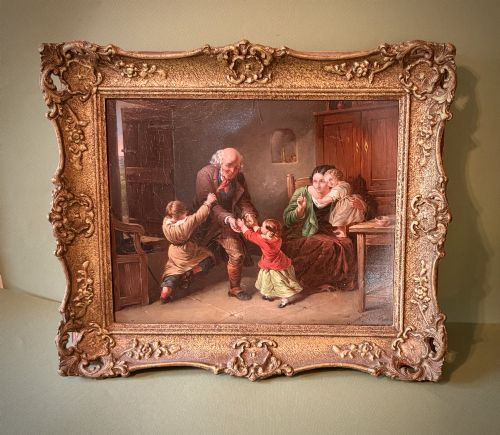
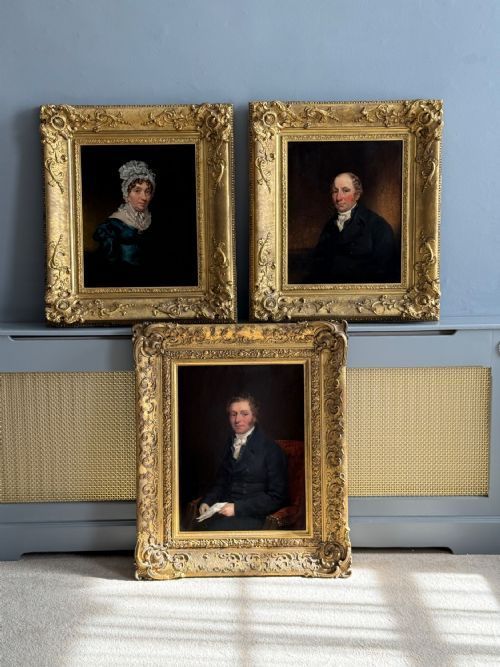
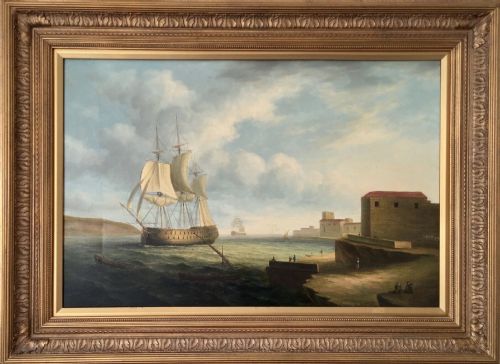
When you search for a 19th century painted panel, you enter a diverse field of decorative wood, canvas and glass carrying oil, tempera or hand-brushed pigments.
19th Century Painted Panel
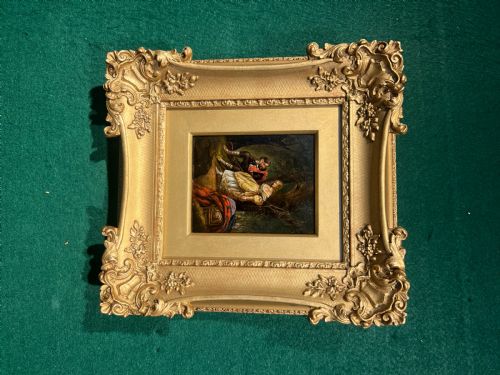
A 19th century painted panel encompasses a wide variety of flat supports made of wood, canvas, zinc, porcelain or leather, decorated with oil paint, tempera or gold leaf. Buyers often encounter these as standalone heraldic shields, decorative furniture inserts, wall-hanging artwork or components within large trumeau mirrors and folding screens.
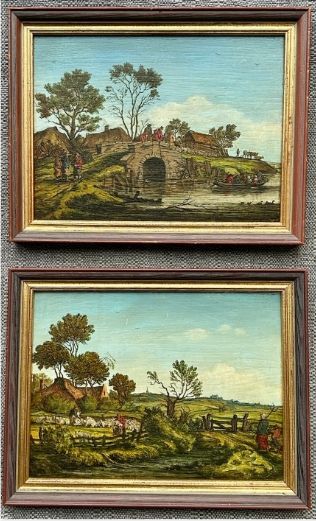
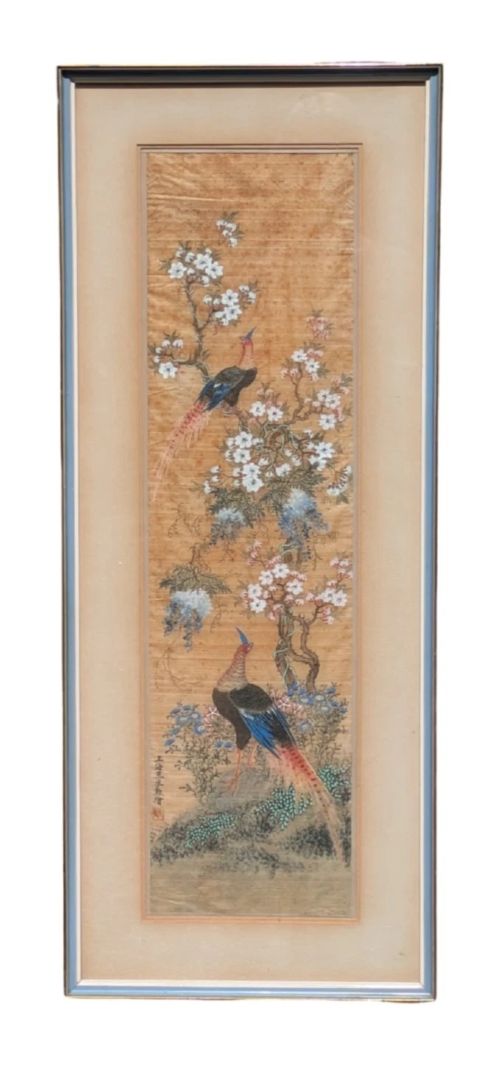
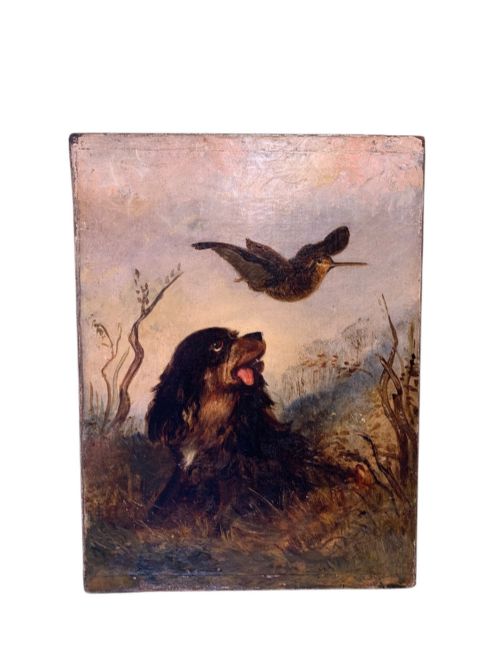
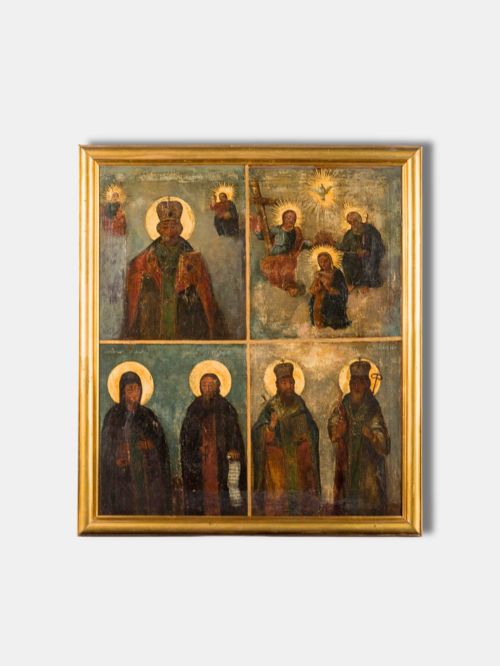
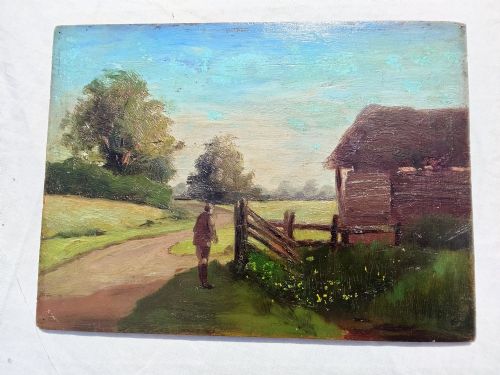
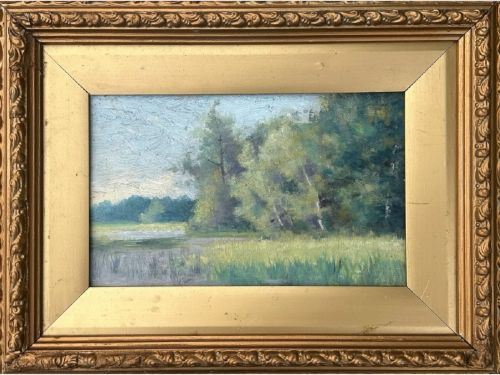
The selection ranges from British and European landscape oils on wooden boards to French cabinets and vitrines featuring Vernis Martin scenes, alongside folk art, religious icons and Chinese wooden plaques. These pieces reflect diverse cultural contexts, spanning from Victorian domestic interiors to French Rococo Revival salons and Russian orthodox traditions.
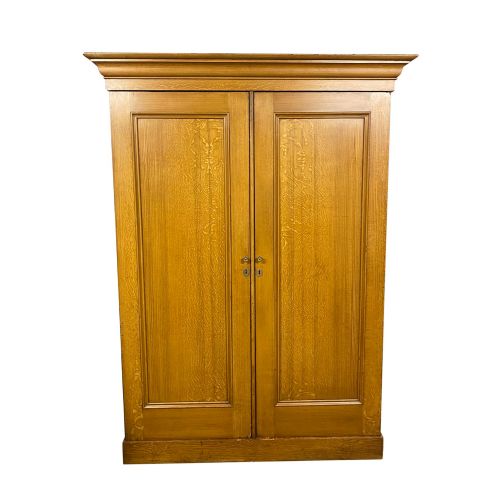
Many items serve dual architectural and artistic purposes, functioning as structural partitions, carriage fragments, pier mirror inserts or door panels within domestic settings. Their survival demonstrates the century's widespread preference for integrating hand-painted imagery directly into architectural woodwork and furnishings.
Materials and Construction
Artisans typically applied oil paint, tempera, or gold leaf directly onto prepared rigid supports such as pine, oak, gesso-coated panels, canvas, porcelain, leather, or zinc. Wood panels often required seasoned boards secured against warping, while metal or porcelain alternatives provided smooth, non-porous grounds for minute portraiture and still life detail.
Decorative surfaces frequently incorporated specialised treatments, including scumble faux graining, gilded mouldings, or the meticulous application of Vernis Martin translucent varnishes over painted motifs to mimic oriental lacquer. Frames and structural mounts commonly utilised cast or ormolu mounts, carved wood, and giltwood to complement the central painted composition.
The documented periods span the Georgian era, the Regency period, and throughout the nineteenth century up to nineteen-ten.
Evaluating Quality and Execution
The degree of artistic execution distinguishes commercial output from masterworks, evident in the confident brushwork of landscape and portrait panels versus rigid, formulaic folk art. Superior pieces display anatomical accuracy, subtle tonal gradation, and harmonious composition within the painted scene.
The preservation of the original surface finish dictates value, separating untouched historical paintwork from later overpainting or heavy restoration. High-quality examples retain their authentic ground layers, undisturbed patination on wood or gesso, and synchronous original framing or cabinetry mounts.
Achille Brocot·Michelangelo Meucci·Maud Raphael Jones·Pieter Cornelis Dommersen·John Randall
The 19th Century Painted Panel Glossary
- Vernis Martin
- A type of simulated oriental lacquer developed by the Martin brothers in 18th-century France, frequently utilised on 19th-century cabinet and vitrine panels. It involved applying multiple layers of translucent varnish over painted scenes to create a glossy, deep finish.
- Trumeau
- An architectural wall mirror or panel featuring a painted or carved artwork set into the upper section above the glass plate. These items were popular in 19th-century French interiors.
- Gesso
- A traditional paint mixture consisting of a binder mixed with chalk, gypsum, or pigment, used to prepare wood or canvas surfaces for painting or gilding. It provides a smooth, stable ground for fine brushwork.
- Scumble
- A painting technique involving the application of a thin, translucent layer of light paint over a darker base to create a textured, broken colour effect. It was often employed in faux wood graining on 19th-century furniture and panels.
- Heraldic Panel
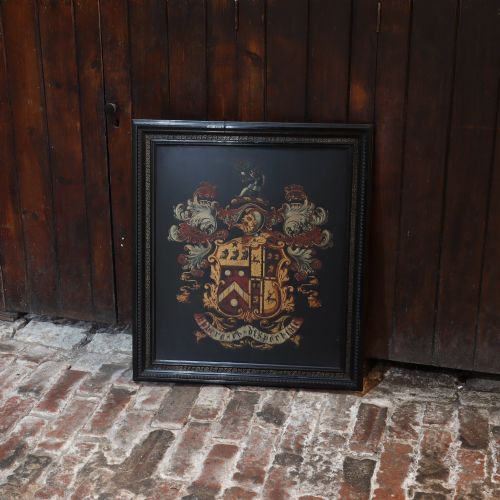
- A painted wooden or canvas support displaying a specific coat of arms, crest, or family lineage. These pieces frequently commemorated marriages, estates, or civic buildings.
19th Century Painted Panel: Frequently Asked Questions
What is a trumeau painted panel?
A trumeau panel is an integrated decorative artwork set into the upper portion of a large wall mirror or wood-panelled wall scheme. These pieces were designed to harmonise with the architectural proportions of nineteenth-century reception rooms.
They frequently combine carved woodwork, gilded framing, and oil-painted pastoral scenes or decorative motifs directly above the mirror glass.
How do I care for a painted wooden panel?
Wooden supports react to changes in household humidity, making stable environmental conditions essential for their long-term preservation. Keep them away from direct sunlight and strong heat sources to prevent the wood from splitting and the paint from flaking.
Dust the surface gently with a dry, soft cloth and avoid applying liquid cleaning products or modern chemical polishes directly to the paint layer.
Were these panels always part of furniture?
While many survive as independent artworks or wall plaques, a significant number functioned as decorative elements within larger furniture items. Cabinets, vitrines, commodes, and folding screens frequently incorporated painted panels into their doors or hinged folds.
Others originated as architectural fragments, such as carriage doors, cart panels, or overmantel decorations removed from historic buildings.
How can I distinguish oil paint from tempera?
Oil paint utilises a drying oil binder that allows for gradual blending, rich tonal depth, and a glossy or semi-gloss finish. It tends to hold visible brush marks and can age with a fine network of tiny cracks known as craquelure.
Tempera employs an emulsion binder, typically egg yolk, producing a fast-drying, matte surface with flat, opaque colours and delicate, cross-hatched brushwork.