




Victorian Decorative Oil Painting
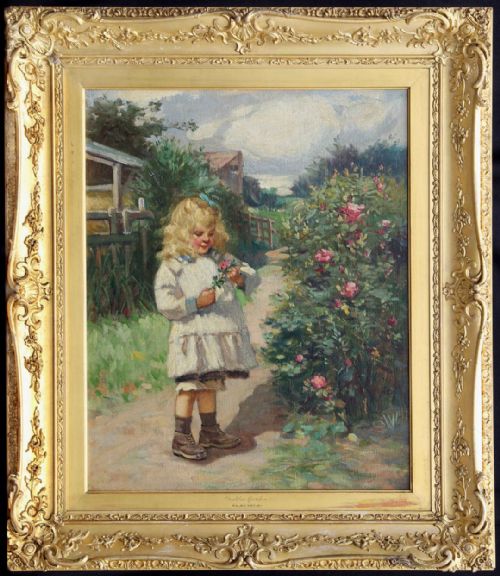
A victorian decorative oil painting brings canvas, panel and board into the room framed in gesso and giltwood.
Victorian Decorative Oil Painting
Most examples originate from the Victorian era and the surrounding decades, showing naive art, classical compositions and country house aesthetics. These pieces combine painted artistry with decorative framing in gesso and gilded wood.
Assessing quality and execution
The standard of a victorian decorative oil painting rests upon the confidence of the brushwork and the depth of the composition. Finer examples display subtle handling of light in marine and genre scenes.
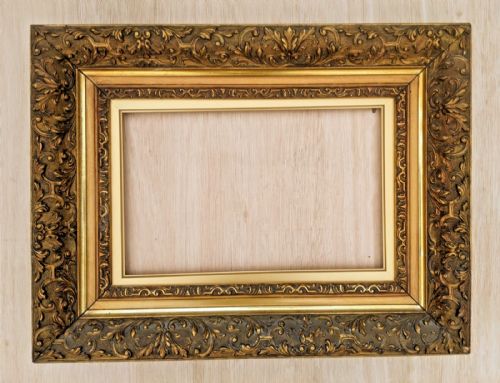
The surrounding frame contributes significantly to the overall merit, with original giltwood and gesso mouldings holding greater visual weight than later replacements.
A rescued lifeboat vessel and a game of hide and seek both found their way onto nineteenth-century canvas.
Theodore Jensen·John A Monteith·Ralph Hedley RBA·Phoebus Levin·William Broome
The Victorian Decorative Oil Painting Glossary
- Gesso
- A plaster mixture applied to wooden frames before gilding. It provides a smooth base for intricate decorative moulding.
- Giltwood
- Wood carved and coated with gold leaf or metallic paint. This material defines the ornate frames associated with nineteenth-century pictures.
- Artists Board
- A rigid board prepared for painting in oil or other mediums. It offered a stable and portable alternative to stretched canvas.
- Marine Art
- Painting that depicts ships, coastal views and maritime rescue scenes. These subjects were popular throughout the nineteenth century.
- Genre Painting
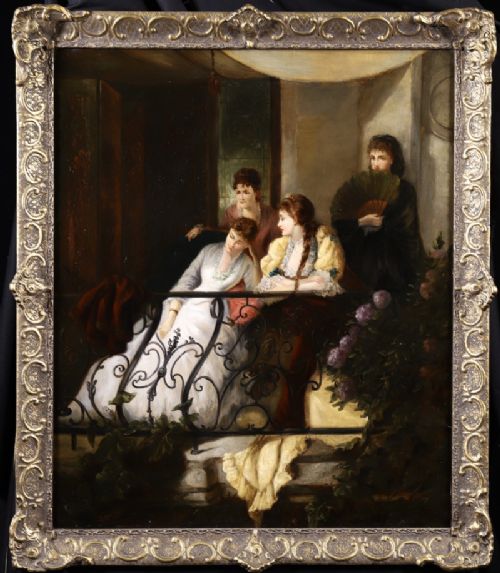
- Art that portrays scenes from everyday life and domestic activities. These works often show families gathered indoors.
Victorian Decorative Oil Painting: Frequently Asked Questions
What subjects appear in these paintings?
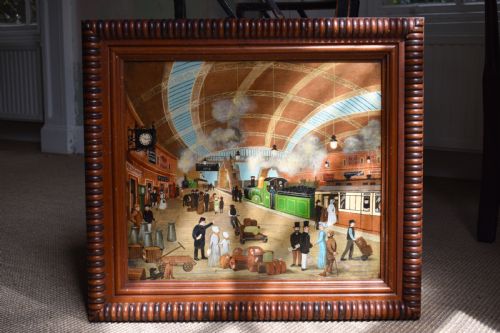
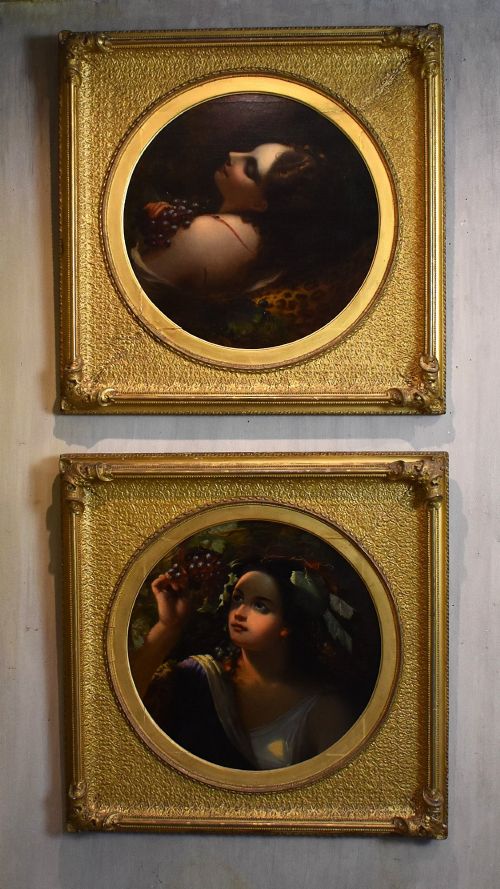
The works depict portraits, coastal views, marine rescues, railway stations and family domestic scenes.
Subjects also include winter landscapes and genre compositions set within nineteenth-century interiors.
Are original frames usually included?
Many pieces retain their original gesso and giltwood frames, which contribute to the decorative character.
Frames range from simple moulded profiles to pierced and heavily ornamented designs.
What surfaces were used by artists?
Painters worked on stretched canvas, wooden panels and artists board, occasionally using printed paper bases.
Some decorative pieces integrated oil paintings directly onto glass or painted panels within furniture.
How do these pieces fit into a room?
A victorian decorative oil painting suits traditional and eclectic interiors, often hung as a focal point above furniture.
Smaller panel works and framed glass pieces work well in narrow spaces and gallery walls.