
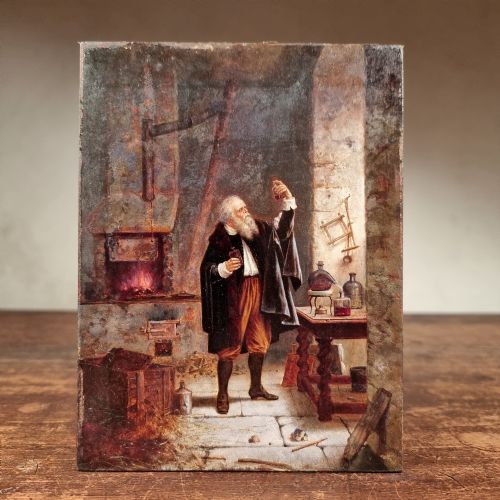


Georgian Style Painted Panel
A georgian style painted panel brings historic charm and character to a room, offering a decorative focal point with centuries of artistic tradition.
Georgian Style Painted Panel
Originating across different eras, these items demonstrate how classical artistic motifs endured well beyond their initial inception into later revival periods. Each piece serves as a tangible link to historical interior decoration and craftsmanship.
How They Were Made
Construction relies heavily on traditional woodworking techniques utilising timber such as pine, satinwood, walnut, and oak to form the structural supports and panels. Brass hardware and gold leaf gilding frequently provide structural and decorative accents.
Surfaces are embellished using oil paint and decorative pigments applied directly to wooden panels or canvases. Artisans incorporated hand-painted foliate designs, classical scenes, and portraits directly onto the prepared grounds.
Listings feature items spanning multiple centuries, utilising woods like satinwood, oak, and pine alongside oil paint and gold leaf.
What Varies in Quality
The refinement of the painted brushwork and the complexity of the composition dictate the visual success of each panel. Finer works demonstrate a sophisticated handling of light, subject matter, and detail, whereas naive pieces offer a simpler provincial charm.
The choice of underlying materials, from select satinwood to robust structural oak, influences the substance of the item. Artisanal skill in combining decorative gilding with painted surfaces further separates standard production from exceptional execution.
Francesco Renaldi
The Georgian Style Painted Panel Glossary
- Oil paint
- A slow-drying medium composed of pigments suspended in a drying oil, typically linseed oil. This technique allows for rich colour blending and fine detail.
- Satinwood
- A durable, yellowish-brown timber known for its lustrous sheen and smooth grain. It is frequently utilised in fine cabinetry and decorative furniture.
- Gilded wood
- Wood surfaces treated with a thin layer of gold leaf or metallic powder to create a brilliant, reflective finish. This method enhances architectural mirrors and frames.
- Demi-lune
- A half-moon shape characteristic of certain console tables and commodes designed to sit flush against a wall. This profile became popular during classical revival periods.
- Dummy board
- A life-sized painted figure cut from wood to create a visual illusion within a room. These unusual decorative objects date back several centuries.
Georgian Style Painted Panel: Frequently Asked Questions
What is a painted panel?
A painted panel is a piece of artwork or decorative furniture element executed directly on a wooden or prepared surface. These items often feature portraits, still life subjects, or classical motifs.
They serve as historical wall art or integrated components within larger furnishings like commodes and mirrors. Their longevity depends on the stability of the wood and the preservation of the paint layers.
How do I date a painted panel?
Dating relies on examining the construction methods of the wood, the type of pigments used, and stylistic indicators. Details such as frame construction and preparation layers provide clues to the era.
Comparing the artistic style to known periods helps narrow down the timeframe of creation. Expert analysis of the materials offers further confirmation of age.
Where should I hang a wall panel?
Wall panels look best in spaces with stable humidity and temperature away from direct sunlight. Proper placement protects both the wooden support and the delicate oil paint from environmental damage.
Consider hanging them at eye level in reception rooms, hallways, or above mantelpieces where they can be properly appreciated. Ensure the wall fixings are adequate for the weight of the wooden frame.
How do I clean painted wood?
Cleaning requires a soft, dry cloth to gently remove dust from the surface without disturbing the paint or gilding. Avoid using liquid cleaners, solvents, or abrasive materials that could strip the historical finishes.
Professional conservation advice should be sought if the paint layer shows signs of cracking or instability. Regular gentle maintenance preserves the visual integrity of the artwork.