


French Chateau Style Art
French chateau style art brings the grand decor of historic European estates into your home through oil paintings and woven wall tapestries.
French Chateau Style Art
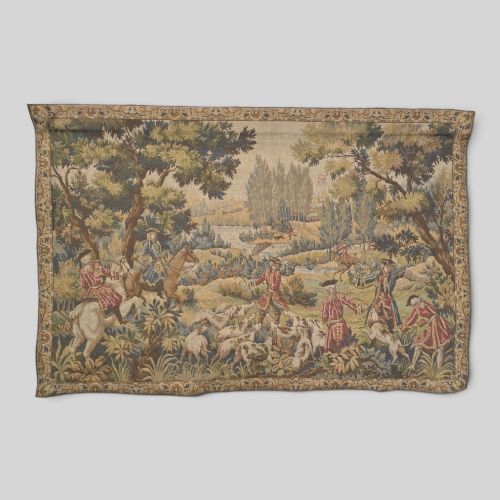
When you search for French chateau style art, you encounter a selection of historic furnishings and wall decor that evoke the opulent interiors of European manors and palaces. These pieces primarily take the form of oil paintings, pastels, and large woven wall tapestries.
The objects listed on this page span several eras, reaching from seventeenth-century textile fragments to twentieth-century revivals. You are most likely to meet nineteenth-century canvases and tapestries alongside early twentieth-century decorative pieces.
Subjects range from formal court portraits and genre interior scenes of courtiers at Versailles to decorative chinoiserie canvas panels. Each format contributes to the grand, aristocratic aesthetic associated with historic French country houses and royal residences.
How they were made
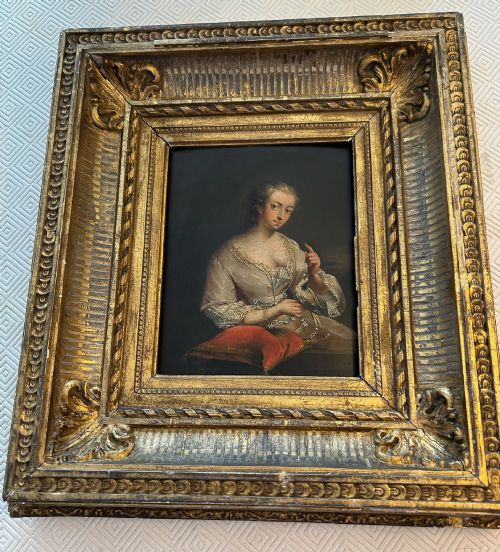
These works rely on traditional fine art and textile techniques, combining oil on canvas with pastel on paper and intricate woven wool, cotton, and silk. Artists utilised stretched canvas and wooden frames, often incorporating giltwood surrounds to heighten the sense of luxury.
Tapestries involve complex loom work using wool and silk threads to build pictorial scenes, frequently designed as wall panels or cushion covers. Painted panels and portraits employ layered oil pigments and delicate pastel strokes on prepared grounds to capture rich textures and period costumes.
Listings feature items spanning the seventeenth, nineteenth, and twentieth centuries, utilising canvas, wool, silk, and giltwood.
What varies in quality
Quality in these works lies in the fidelity of the draughtsmanship and the complexity of the composition. Finer paintings show confident handling of fabric folds and facial expressions, whereas simpler pieces rely on standard decorative formulas.
For tapestries, the density of the weave and the variety of the yarn determine the visual depth of the landscape or figures. Material selection also plays a part, as works incorporating silk alongside wool yield greater tonal subtlety than those utilising wool alone.
The French Chateau Style Art Glossary
- Giltwood
- Wood that has been treated with a thin layer of gold leaf or gold paint. This finish frequently adorns the frames of period paintings and mirrors.
- Pastel
- A dry medium made of powdered pigment and a binder, pressed into stick form. Pastel portraits offer a soft, velvety texture distinct from oil paint.
- Regency
- An architectural and design period spanning the early nineteenth century in Britain, known for classical elegance. Pieces from this era often echo earlier French tastes.
- Tapestry
- A heavy hand-woven textile designed to hang on walls or cover furniture. Historic examples depict narrative scenes, foliage, or historic figures using wool and silk.
French Chateau Style Art: Frequently Asked Questions
What is French chateau style art?
French chateau style art encompasses decorative paintings, pastels, and wall tapestries that reflect the aesthetic of historic European estates. These items capture the grand interior design traditions associated with French palaces and country houses.
Items range from seventeenth-century textile fragments to twentieth-century oil paintings depicting courtly scenes and aristocratic portraits.
How were large tapestries displayed?
Large woven tapestries were traditionally hung on stone walls within manor houses and chateaux to insulate rooms and provide decorative splendour. They served as primary focal points in grand halls and reception rooms.
Today, these textiles function as statement wall art, bringing texture and historical narrative to modern interiors.
What subjects appear in these paintings?
Paintings in this category frequently show formal portraits of historical figures, nobility, and courtiers in lavish attire. Genre scenes depicting leisure activities, such as courtiers playing chess at Versailles, are also common.
Additionally, decorative canvas panels often feature chinoiserie motifs, botanical elements, and pastoral landscapes.
How do I identify a period piece?
Dating these works involves examining the materials, canvas preparation, and stylistic markers of the frame and medium. Seventeenth and nineteenth-century pieces display distinct pigment usage, weaving densities, and stylistic revivals specific to their era of production.
Consulting the listed period helps place the work within broader historical design movements like Rococo or Regency.