
19th Century Painted Chair
When you search for a 19th century painted chair, you uncover seating decorated with pigment, gilt, or faux finishes across European periods.
19th Century Painted Chair
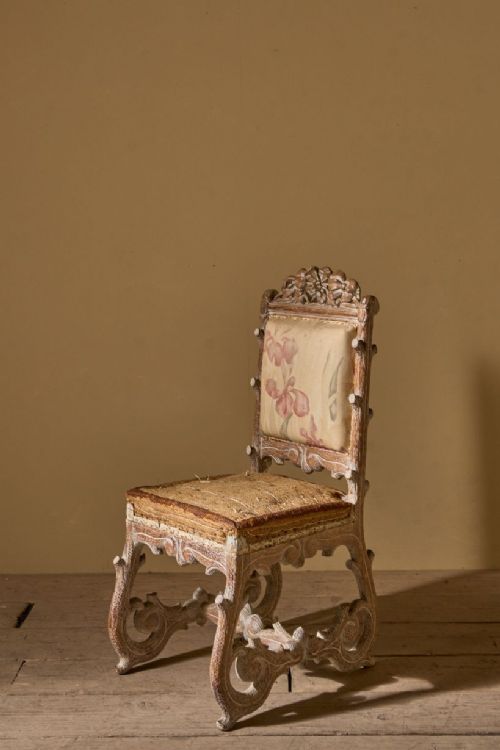
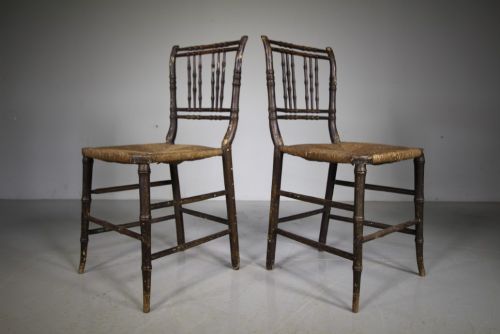
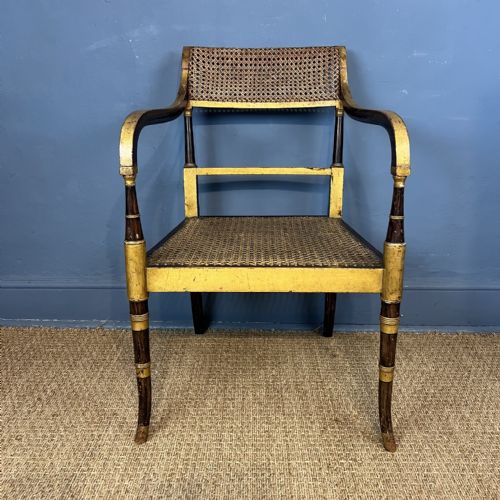
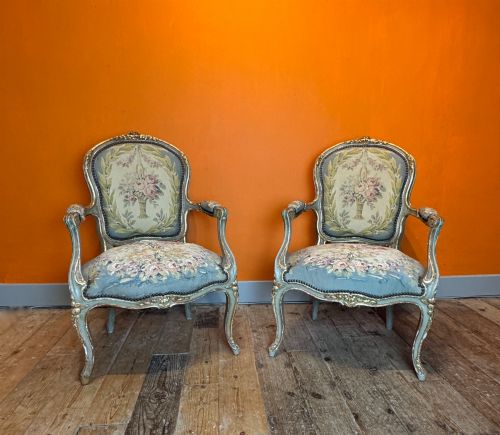
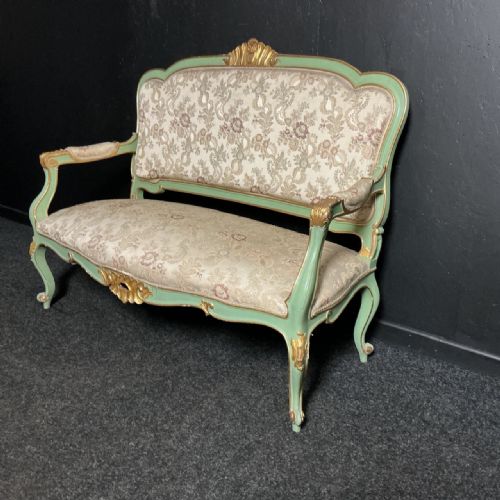
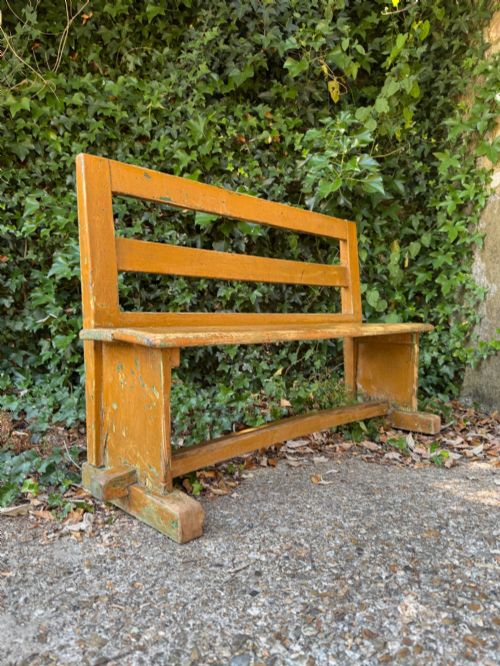
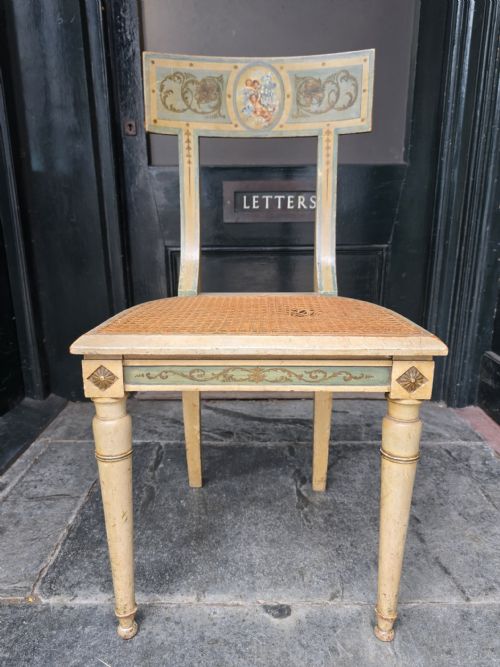
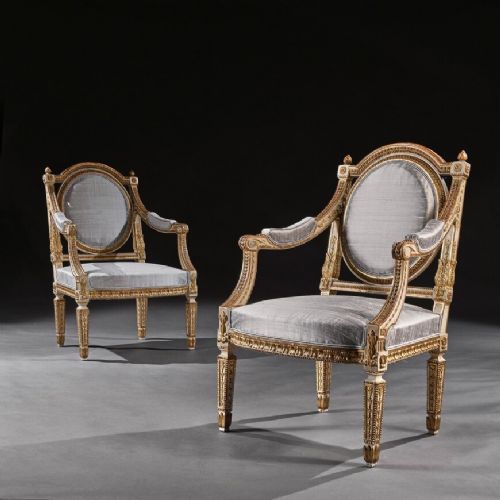
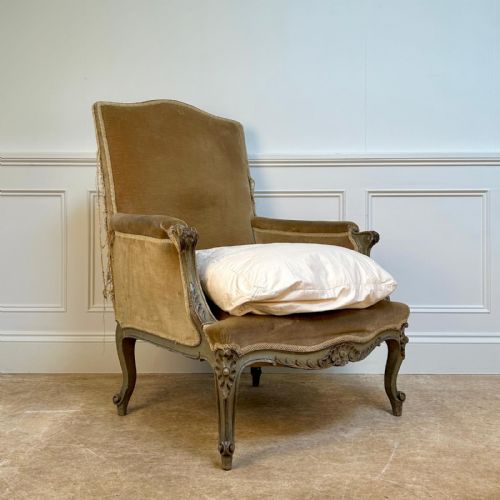
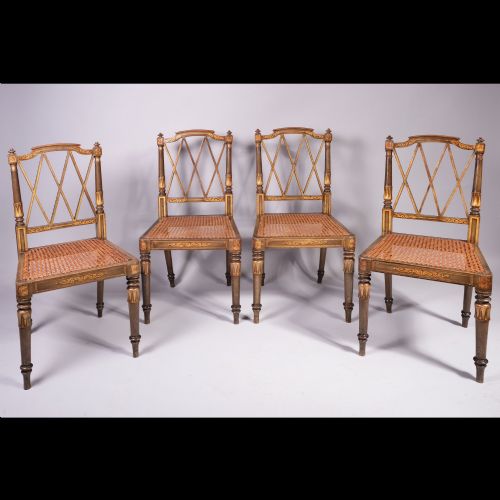
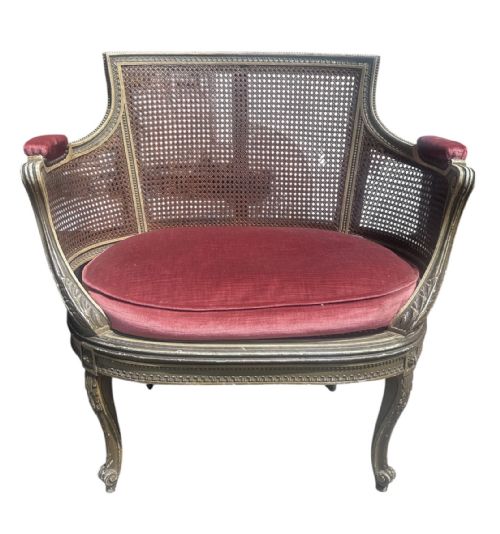
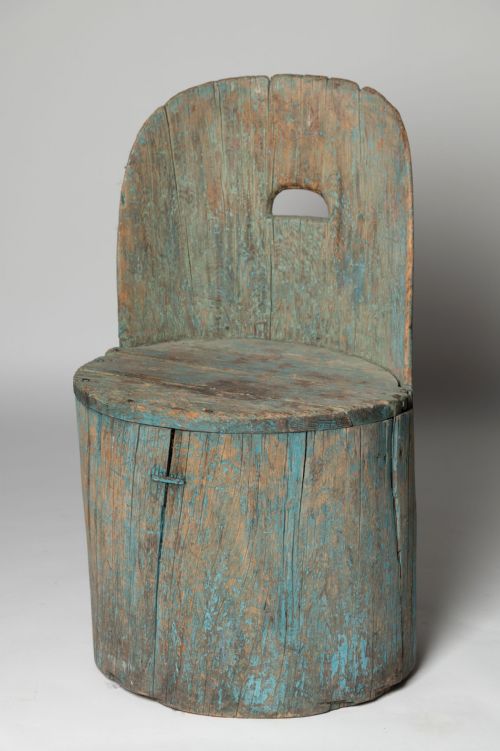
A 19th century painted chair encompasses a diverse array of seating forms, ranging from grand French salon armchairs and dining sets to rustic Scandinavian country chairs and bamboo-turned side chairs. The selections available on this page reflect varied origins, spanning English Regency elegance, French Louis XVI revival aesthetics, and folk traditions from Sweden.
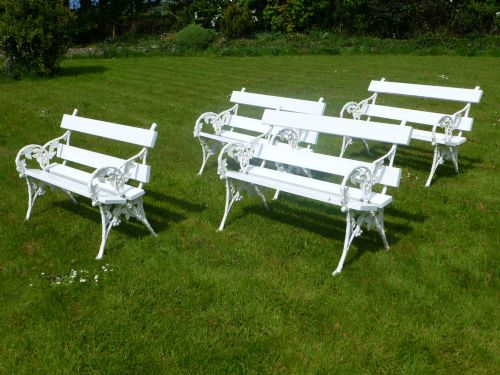
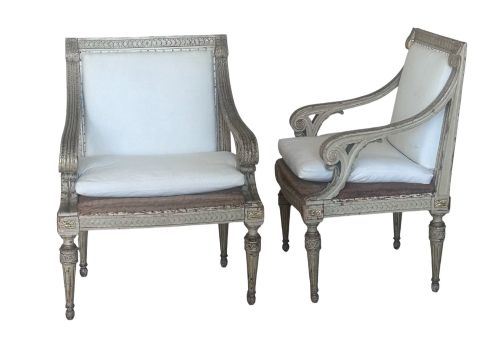
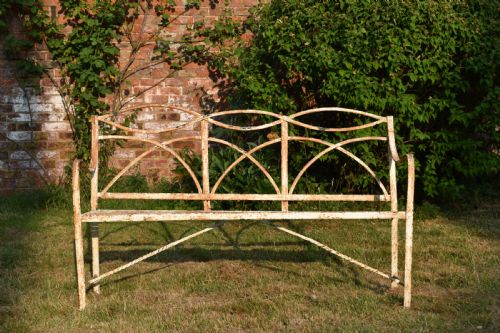
Buyers encounter numerous structural types, including open armchairs, side chairs, bergères, rocking chairs, and benches constructed from wood or iron. These items were designed for both formal display in drawing rooms and daily utility in country houses.
The decorative schemes span from simple original monochrome paintwork and folk patterns to elaborate parcel gilt finishes and faux wood effects. This category captures a period when surface decoration transformed standard seating into artistic statements.
How they were made
Craftsmen utilised native and exotic woods such as beech, pine, satinwood, and fruitwood to build the frames, frequently shaping them through turning, carving, or steam-bending. Many examples incorporate alternative materials like cane, rush, ash, and cast iron to form seats or structural supports.
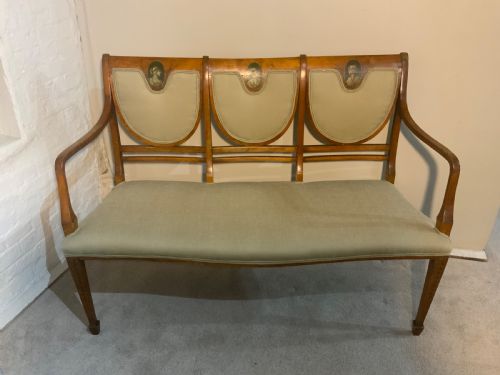
The characteristic painted surfaces were applied using oil-based or water-based mediums directly onto wood, occasionally enhanced with gold leaf, parcel gilt accents, or hand-painted botanical and neoclassical motifs. These decorative layers were often sealed to protect the underlying pigments and faux finishes.
Even miniature children managed to command attention with tiny painted salon chairs and highchairs.
What varies in quality
The distinction between standard commercial seating and exceptional examples lies in the integrity of the original surface and the fineness of the hand-painted details. Pieces retaining their untouched primary paintwork command greater appreciation than those subjected to modern repainting or heavy stripping.
Structural refinement also dictates merit, separating robustly carved frames and balanced proportions from simpler utilitarian builds. The sophistication of the decorative style, whether delicate neoclassical gilding or intricate faux bamboo turning, elevates the standing of the piece.
Falkirk Foundry·Morris and Co·Liberty of London·S and H Jewell·Edward and Roberts
The 19th Century Painted Chair Glossary
- Parcel gilt
- Partially gilded with gold leaf to highlight carved details or raised mouldings on a painted surface. This technique contrasts metallic brilliance with matte paint.
- Faux bois
- A decorative paint technique imitating the natural grain and texture of wood. Makers used this method to transform cheaper timbers into luxurious finishes.
- Fauteuil
- An open-framed upholstered armchair originating in France, featuring exposed wooden arms and carved rails. These seats typically showcase polished painted finishes.
- Bergère
- An enclosed upholstered armchair with solid sides filled in with upholstery, cane, or wood panels. They offer deep, comfortable seating.
- Caning
- A seating surface woven from split rattan or cane strips. It provides lightweight flexibility within a rigid wooden frame.
19th Century Painted Chair: Frequently Asked Questions
How do I clean a painted wooden chair?
Dust the surface regularly with a soft, dry cloth to prevent dirt accumulation. Avoid harsh chemical cleaners that can strip or soften historic paint.
Test any mild cleaning solution on a hidden area before applying it broadly. Preserving the original patina requires a gentle touch and minimal moisture.
Are these chairs suitable for daily dining?
Many dining and side chairs were built for regular use and remain structurally robust. However, delicate salon chairs or antique frames with fragile joinery require more careful handling.
Assess the weight capacity and joint stability of each individual seat before putting it into service around a dining table.
What does original paint mean on furniture?
Original paint signifies the earliest or first decorative coating applied to the wood when the piece was manufactured. This layer shows natural wear and ageing consistent with its age.
Surfaces with original paint lack the thick modern overcoats found on later restorations. Collectors value this untouched state for its historical authenticity.
How can I identify a French style chair?
French style seating often displays carved floral motifs, slender cabriole legs, and curved structural lines inspired by Louis XV or Louis XVI designs. Upholstered elements like tapestry or silk panels frequently accompany these frames.
In contrast, English or Scandinavian equivalents tend to feature simpler geometric forms, rush seating, or painted folk art patterns.