


Cream Painted Accent Chair
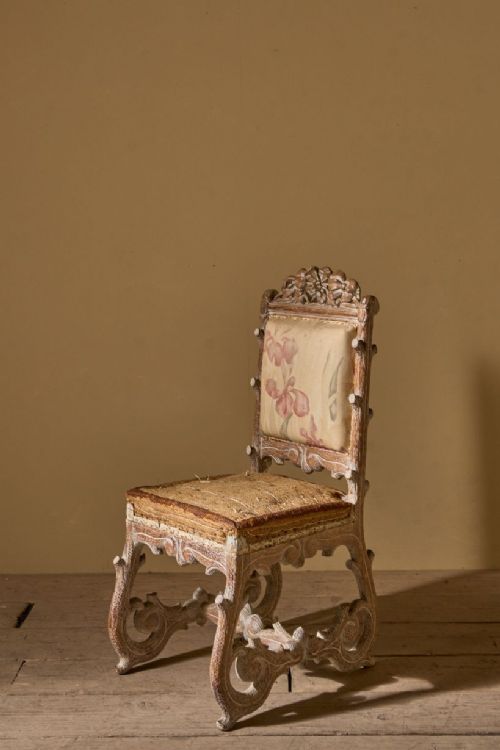
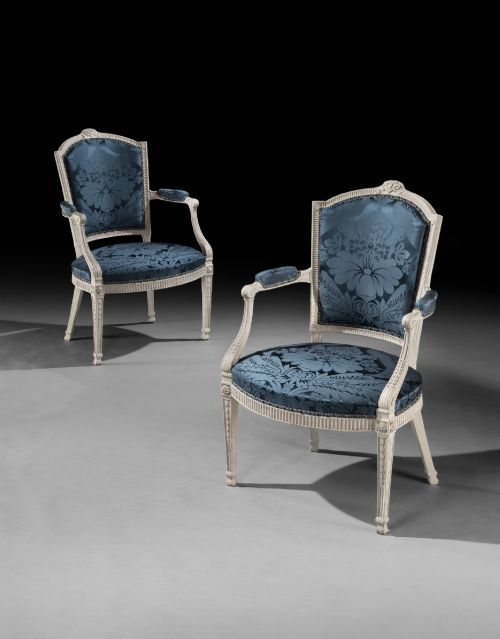
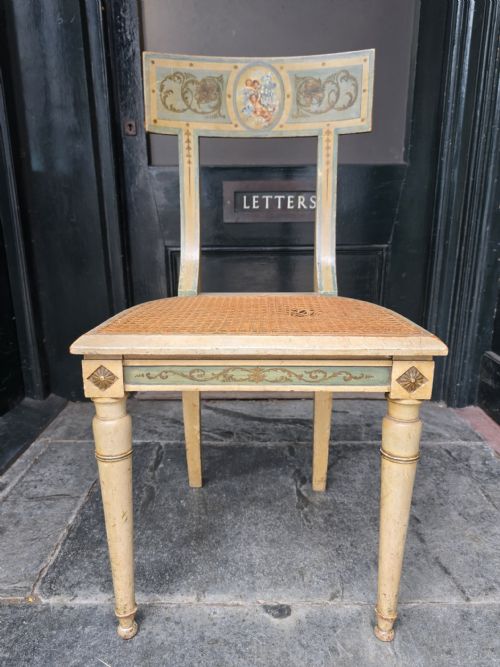
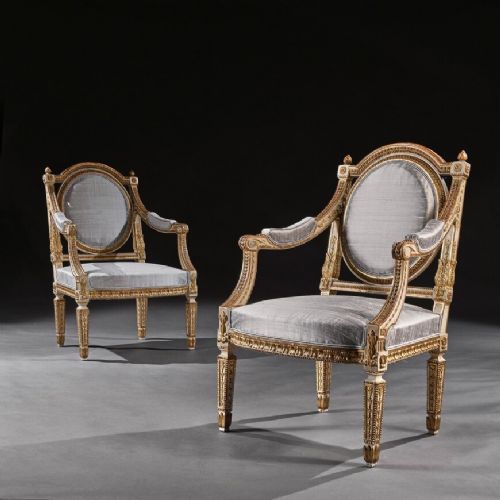
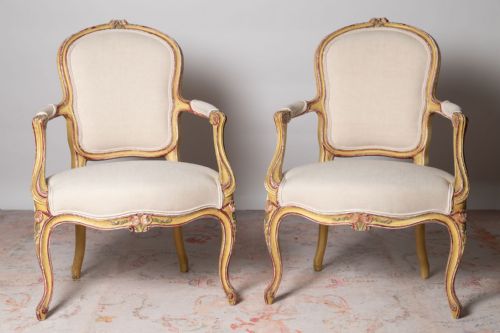
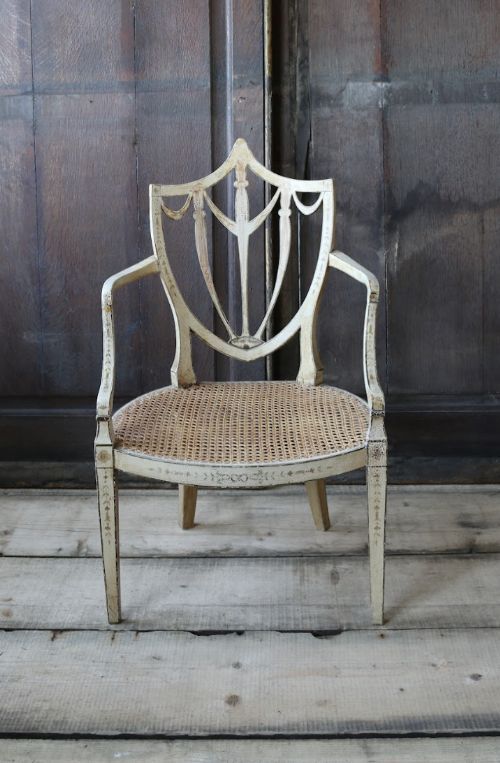
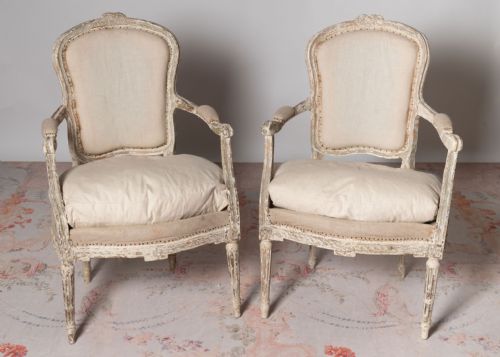
These cream painted accent chair examples bring French and English character into a room through historic painted finishes and classic frames.
Cream Painted Accent Chair
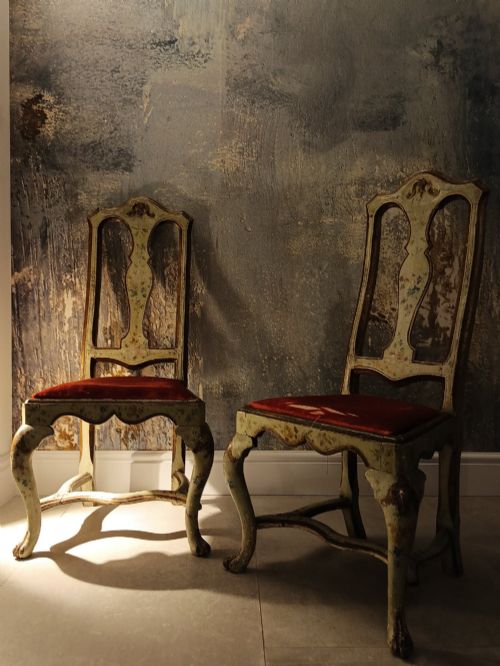
A cream painted accent chair functions as both a decorative focal point and a functional seat, drawing on centuries of European seating design. Buyers searching for a cream painted accent chair encounter armchairs and side chairs spanning the eighteenth century through the early twentieth century.
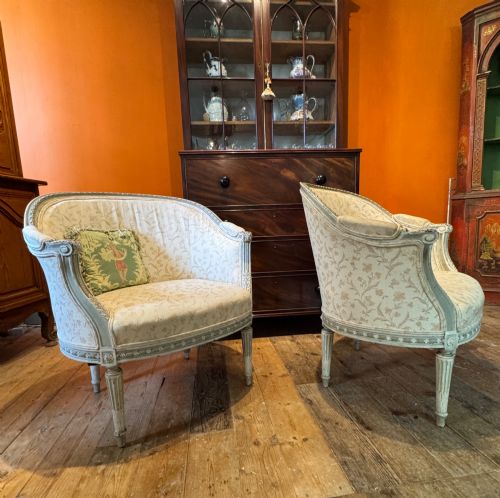
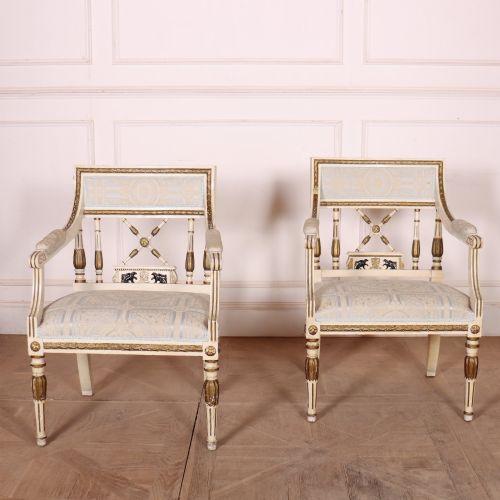
The selection includes French fauteuils, bergere tub armchairs, and neoclassical seating alongside English and Italian examples. Pieces often arrive in pairs, reflecting formal salon and parlour traditions from various historic periods.
Materials and construction
Frames utilise timber such as beech and walnut, shaped through traditional joinery and carved ornamentation. Structural elements frequently receive gesso layers before the application of historic paint finishes and parcel gilt detailing.
Upholstery incorporates woven cane panels and fabric coverings including velvet. Surfaces retain original paint layers or historical decorative treatments applied to the wooden framework.
Several armchairs arrive straight from a Riviera setting, ready to bring coastal French air indoors.
Craftsmanship and finish
The distinction between standard and superior pieces rests in the execution of the hand-carved wood details and the integrity of the painted surface. Refined examples display crisp carved mouldings and harmonious proportions true to their specific revival style.
Originality of the surface finish dictates desirability, with undisturbed historic paint and authentic gilt highlights commanding greater attention. The integration of period canework and traditional upholstery techniques further elevates the standing of individual chairs.
The Cream Painted Accent Chair Glossary
- Bergere
- An enclosed upholstered armchair with solid upholstered sides, often featuring exposed wooden frames. These seats emerged in France during the eighteenth century.
- Fauteuil
- An open-armed upholstered armchair with exposed wooden armrests and framework. This classic French seat style appeared prominently in formal salons.
- Parcel Gilt
- A decorative technique where specific carved portions of a painted wooden object receive a thin layer of gold leaf. This method highlights architectural details and mouldings.
- Gesso
- A plaster mixture applied to wooden furniture surfaces to prepare them for painting and gilding. It provides a smooth base for fine decorative work.
- Japanned
- A European imitation of East Asian lacquerwork applied to furniture surfaces. The process involves multiple layers of varnish and specialised curing.
Cream Painted Accent Chair: Frequently Asked Questions
How do I clean a painted chair?
Dust surfaces regularly with a soft, dry cloth to protect the historic finish from abrasive particles. Avoid liquid cleaners or chemical solvents that might soften or remove aged paint.
Test any gentle cleaning method on a hidden area first. Maintaining low humidity in the room prevents the underlying wood and gesso layers from shifting.
Are these chairs comfortable for daily use?
Historic seating designs prioritize upright posture and formal parlor use over modern slouching comfort. Dimensions tend to be smaller than contemporary armchairs, reflecting historical room scales.
Adding supportive cushions can improve daily comfort without altering the underlying antique frame. Many examples retain supportive cane panels or traditional spring upholstery.
How do I identify Louis style furniture?
Louis XVI pieces feature straight tapered legs, neoclassical symmetry, and geometric carved motifs. Louis XV designs display curved cabriole legs, asymmetrical cartouche shapes, and flowing rococo ornamentation.
Revival pieces from the nineteenth and twentieth centuries replicate these specific architectural vocabularies. Examining the carving depth and timber choice helps determine the actual period of manufacture.
Can I mix different painted chair styles?
Pairing French bergere chairs with English neoclassical side chairs creates a curated interior. Unified paint colours provide a visual bridge between varying historic periods and regional designs.
Keeping the overall palette consistent allows contrasting silhouettes to work together effectively. Focus on matching the scale and height of the seating pieces for balance.