
Antique Cream Dining Chairs
Antique cream dining chairs bring together period form and neutral painted finishes to anchor a traditional dining room.
Antique Cream Dining Chairs
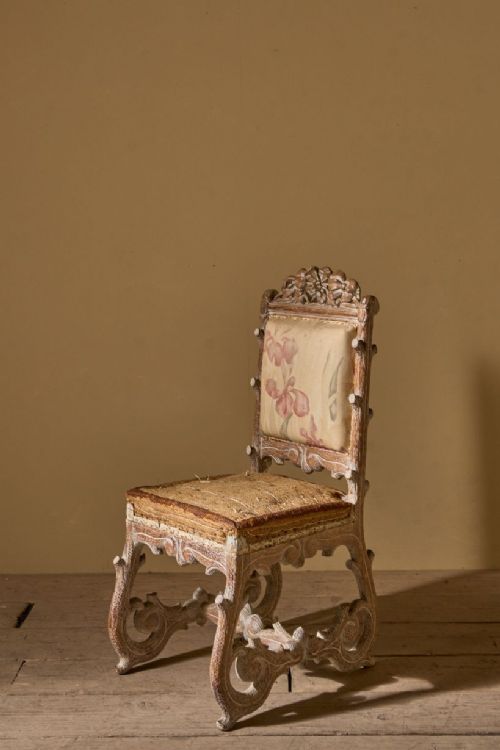
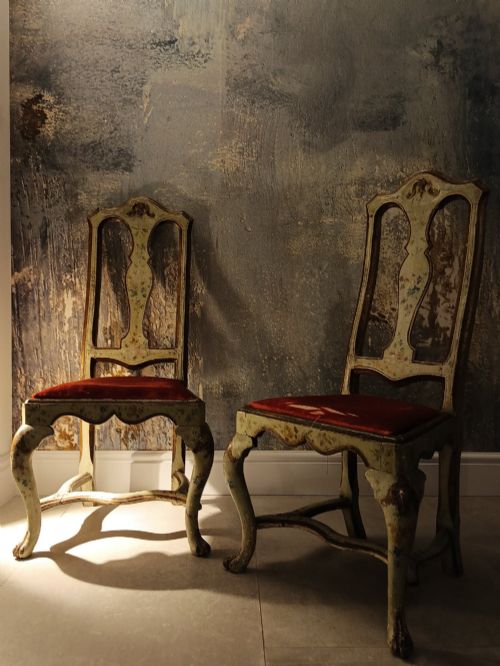
When searching for antique cream dining chairs, buyers encounter seating rooted in centuries of craftsmanship, ranging from Georgian and Victorian periods to later revivals. These pieces often arrive with painted finishes or later painted surfaces applied to traditional timber frames.
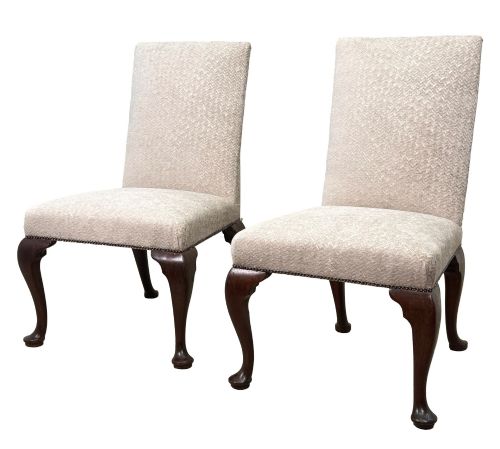
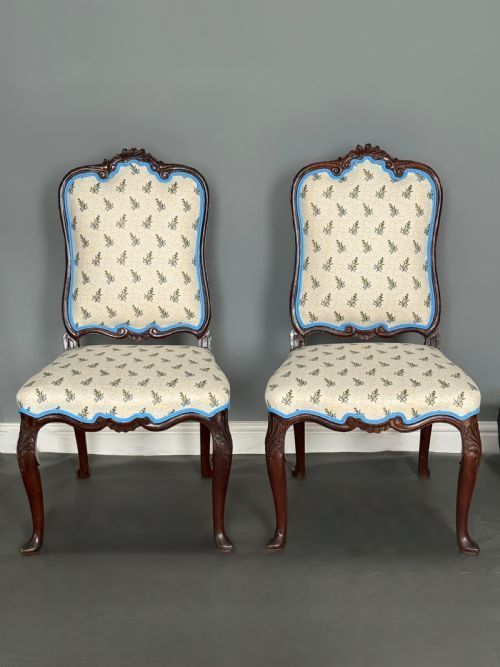
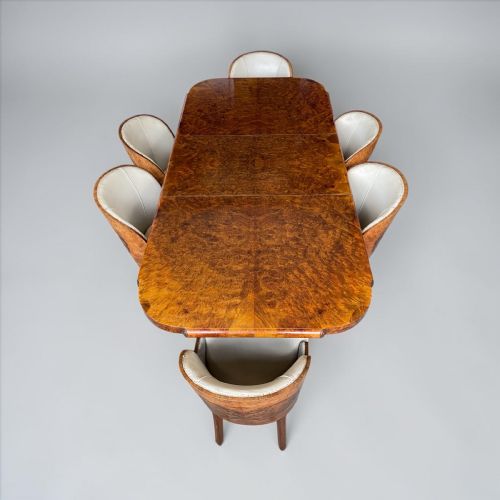
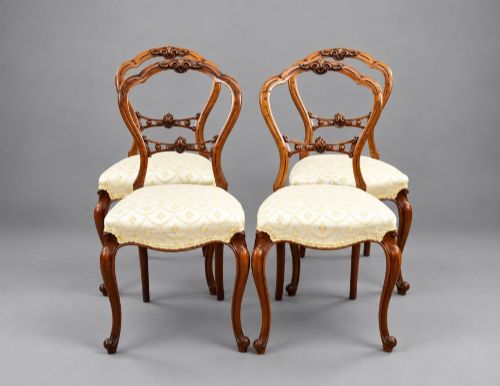
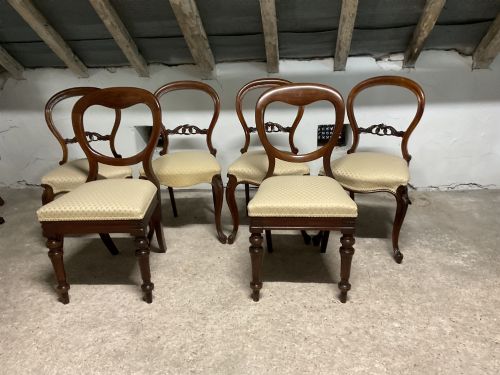
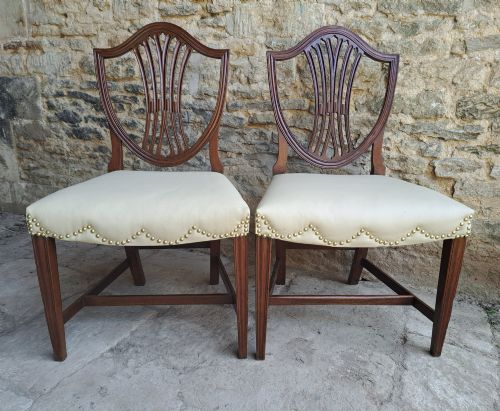
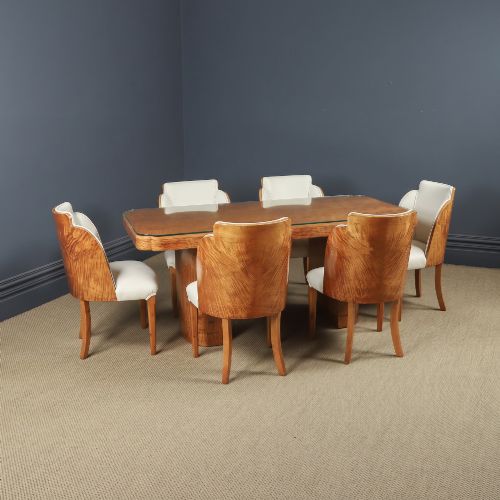
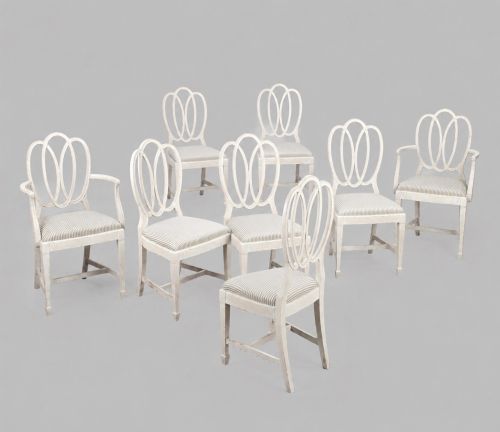
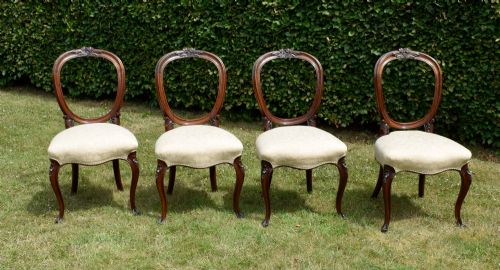
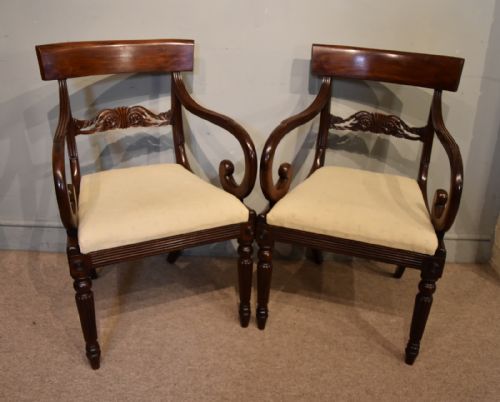
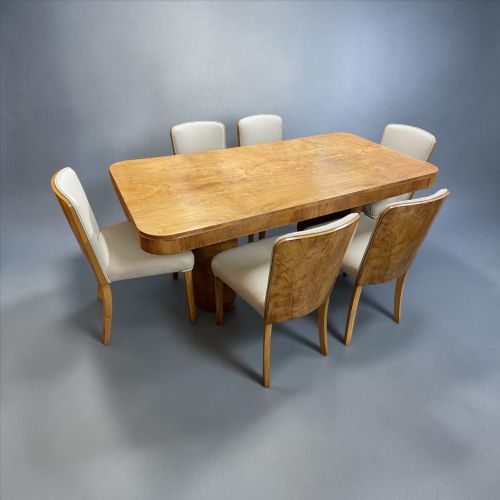
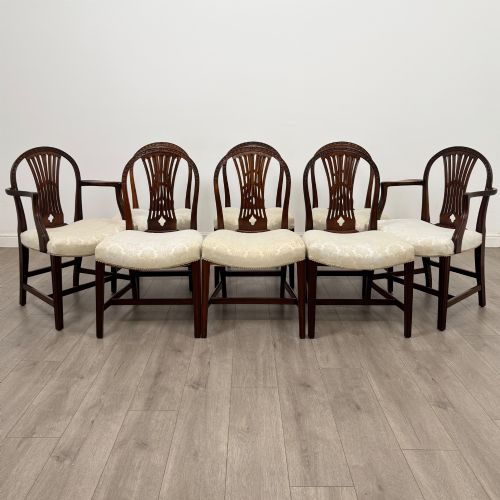
The selection includes single chairs, matched pairs, and larger sets suitable for formal dining rooms. Forms span balloon backs, shield backs, and bar backs alongside robust side chairs and carvers.
Origins stretch across English, French, Dutch, and Italian workshops, reflecting diverse regional interpretations of classical furniture design. Painted finishes in lighter tones provide a versatile complement to both period interiors and modern spaces.
Materials and Construction
Timbers such as mahogany, walnut, oak, and satinwood form the structural foundation of these chairs. Joinery techniques rely on traditional mortise and tenon methods to ensure enduring strength across the frame.
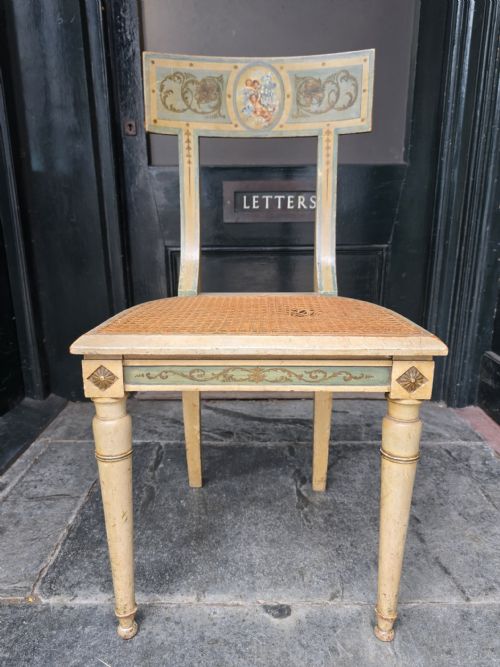
Upholstery materials include leather, textile, and fabric pad seats that integrate with the wooden frames. Painted treatments utilise layers applied over timber or gesso to achieve a durable surface.
Some nineteenth-century makers experimented with faux bois paintwork to convince guests they were dining outdoors among living trees.
Distinctions in Quality
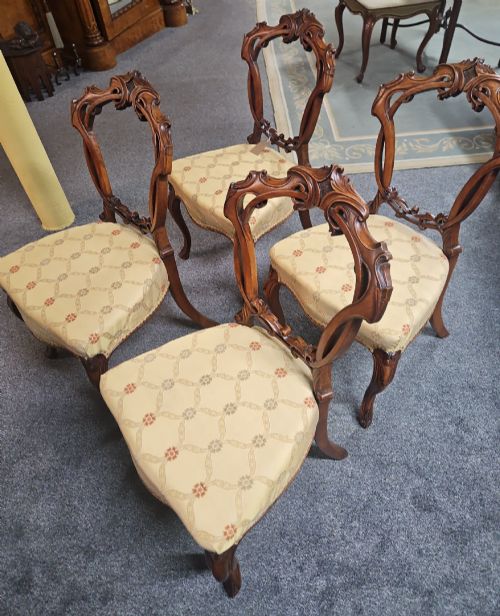
The standard of carving and the crispness of applied detail dictate the visual appeal of a chair. Hand-carved flourishes on a walnut or mahogany frame demonstrate superior artisan skill compared to simpler moulded production.
Integrity of the timber frame and the retention of original structural joints determine longevity. Chairs that maintain tight joints and uncompromised timber beneath painted surfaces represent higher standards of preservation.
Maurice Adams·Harry and Lou Epstein·Bath Cabinet Makers
The Antique Cream Dining Chairs Glossary
- Balloon back
- A rounded, oval-shaped chair back popular during the Victorian era. This curved wooden form offers ergonomic support while presenting an elegant silhouette.
- Carver
- An armchair designed with open sides to accommodate formal dress or wider garments. These pieces frequently sit at the head of a dining table.
- Shield back
- A chair back shaped in the outline of a heraldic shield, commonly associated with late eighteenth-century designs. This style often incorporates pierced splats for decorative effect.
- Bar back
- A horizontal crossbar set across the upper back of a chair, frequently seen in nineteenth-century seating. This element provides structural rigidity alongside clean horizontal lines.
- Faux bois
- A decorative painting technique that simulates the appearance of natural wood grain. Artisans use this method to create rustic or stylized wooden textures on painted surfaces.
Antique Cream Dining Chairs: Frequently Asked Questions
How do I clean painted chair frames?
Dust surfaces regularly with a soft, dry cloth to prevent the accumulation of dirt on the painted finish. Avoid harsh chemical cleaners that might degrade the underlying paint layer.
For stubborn marks, wipe gently with a slightly damp cloth using mild soap, drying the timber immediately afterwards to protect the wood.
Can I mix different chair styles around a table?
Combining different chair styles creates a curated interior aesthetic, provided the wood tones or paint finishes share a cohesive palette. Pairing carvers at the table ends with simpler side chairs along the sides is a traditional arrangement.
Ensure seat heights remain consistent across mismatched chairs to maintain comfort and uniform alignment around the dining table.
Are painted dining chairs original to the period?
Many dining chairs from the eighteenth and nineteenth centuries were originally polished timber and received painted finishes at a later date. Contemporary listings include both original painted examples and later decorated pieces.
Checking beneath layers of paint reveals the underlying wood type and helps determine whether the finish was applied during the period of manufacture.