
19th Century Painted Bench
A 19th century painted bench brings enduring colour and utilitarian charm to a room, offering robust wooden or cast iron seating shaped by regional European and British traditions.
19th Century Painted Bench
When you search for a 19th century painted bench, you encounter a diverse array of seating forms ranging from country pine settles to ornate garden furniture. These pieces span the nineteenth century, encompassing Regency elegance, Victorian formality, and provincial Scandinavian styles.
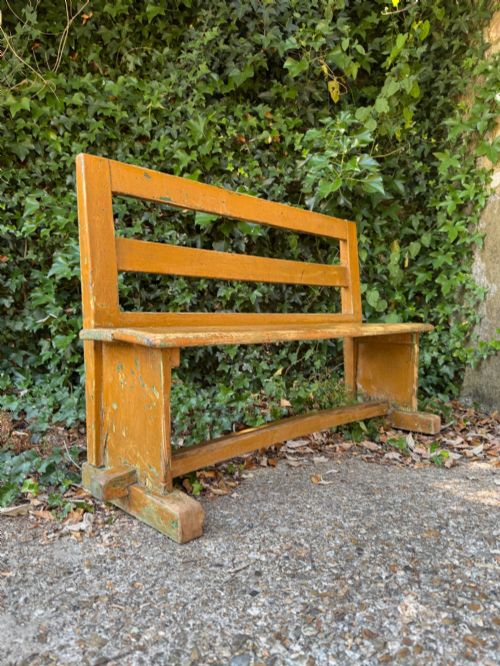
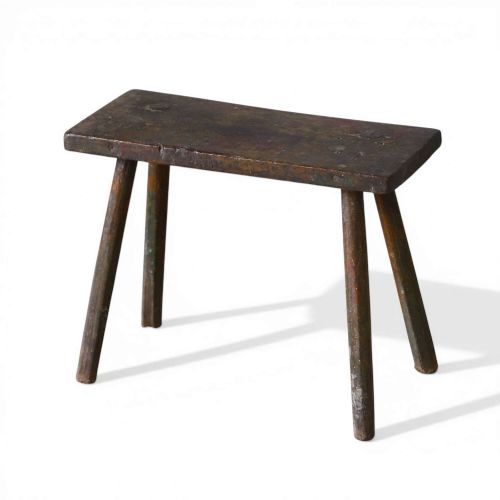
The pieces listed on this page are most commonly practical wooden benches, window seats, and garden furniture created from pine and cast iron. Regional workshops across Britain, Sweden, Hungary, and France produced these items for everyday domestic or outdoor use.
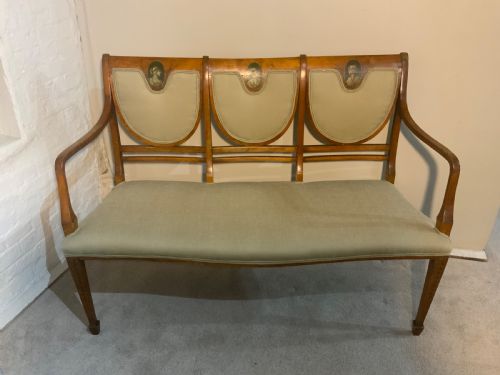
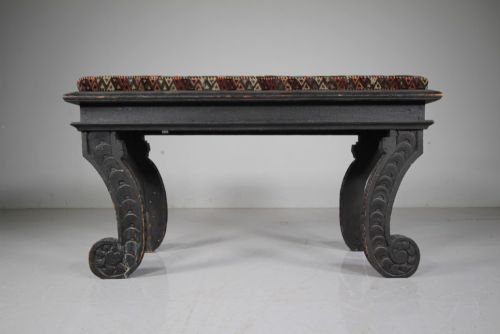
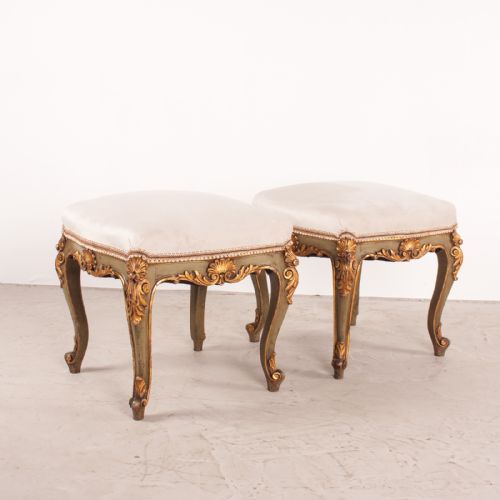
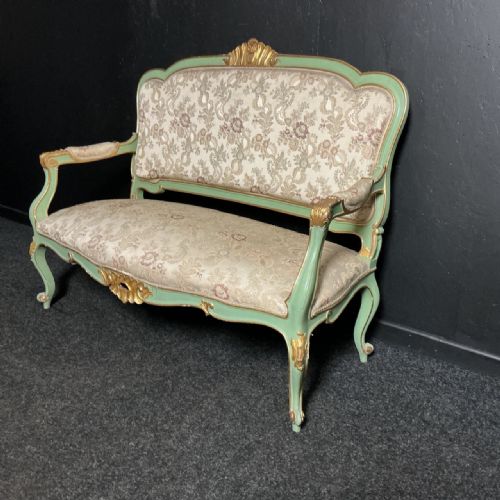
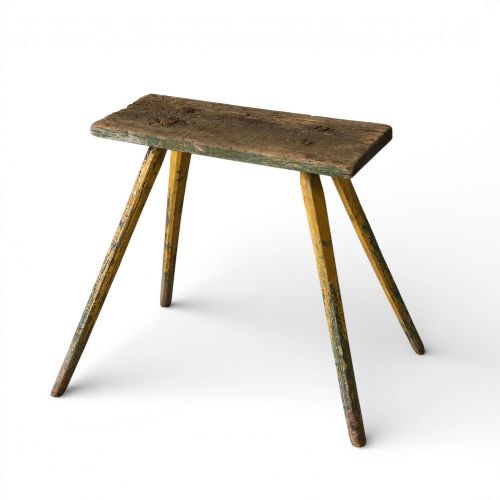
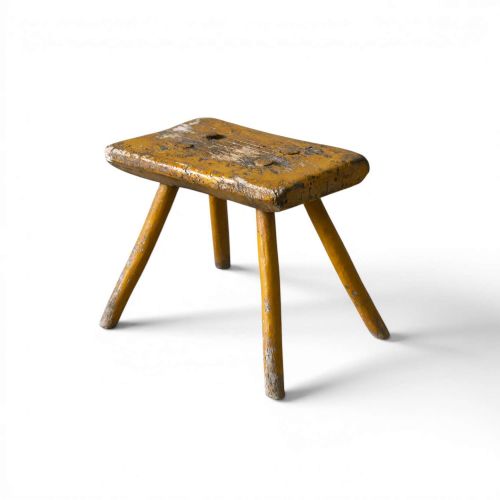
From rustic milking stools to large storage benches and grand salon settees, the selection demonstrates how varied painted seating was across Europe. Simple pine boards met sophisticated gilt and polychrome finishes depending on whether the destination was a farmhouse kitchen or a continental parlour.
How they were made
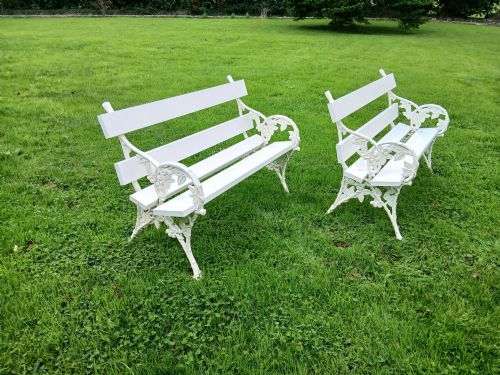
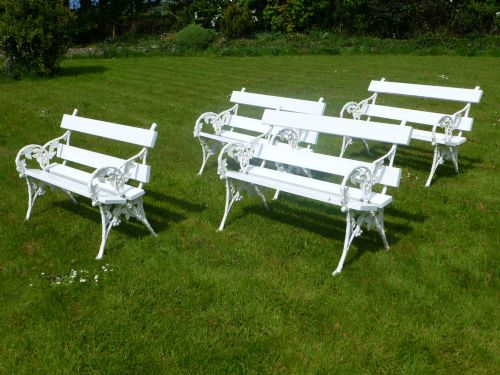
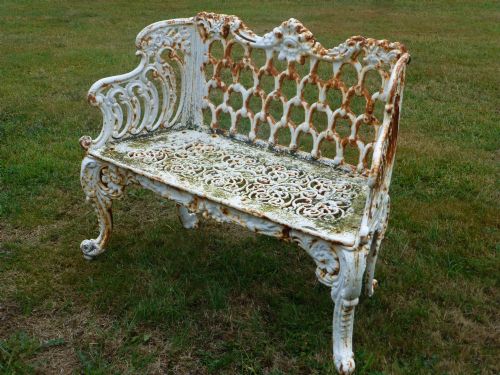
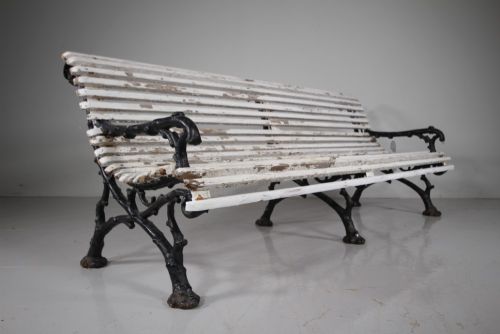
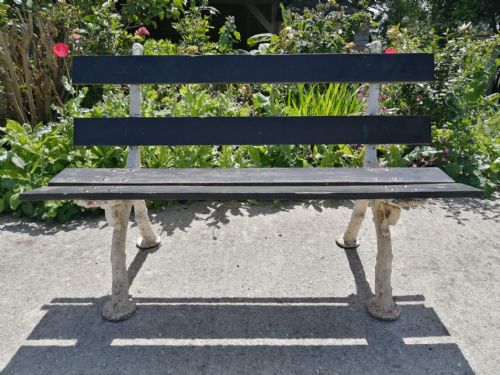
Makers relied primarily on solid pine and timber frames, constructed using traditional joinery methods suited to heavy daily use. Cast iron alternatives utilised foundry casting techniques to produce intricate botanical patterns like blackberry and leaf motifs.
Surfaces were finished with paint, often applied in layers of original pigments such as ochre, green, blue, and cream, sometimes accented with gold leaf. Over decades, this paint weathered or developed patination through continuous domestic wear and exposure to the elements.
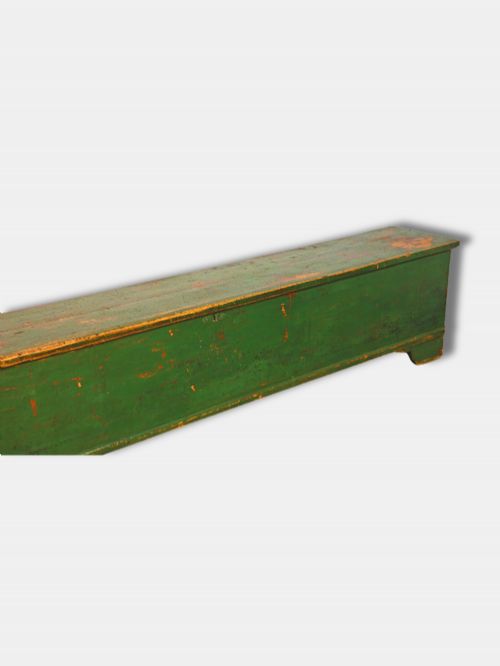
Several items double as hidden storage chests, proving our ancestors insisted on furniture that could keep a secret.
What varies in quality
The distinction between standard utility furniture and superior examples lies in the integrity of the original paint surface and the refinement of the woodwork. Retaining undisturbed historical pigment layers significantly elevates a piece above those stripped or repainted in later periods.
Construction detail also dictates value, distinguishing between sturdy provincial joinery and finely carved satinwood or gilt frames bearing stylistic influences like Louis XV or Regency neoclassical design.
Falkirk Carron Foundry·Coalbrookdale
The 19th Century Painted Bench Glossary
- Settle
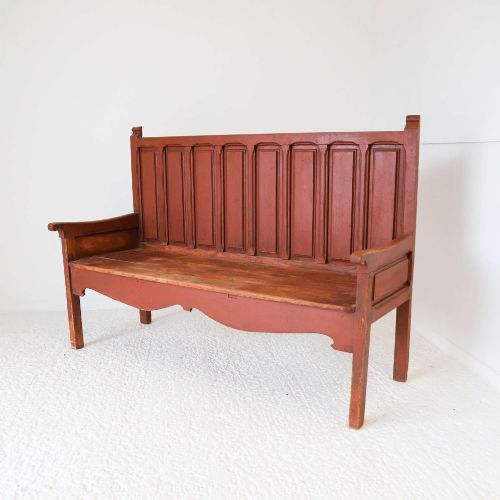
- A wooden bench with a high back, solid arms, and often a box compartment beneath the seat for storage. These items provided shelter from drafts in farmhouse kitchens.
- Cast iron
- An alloy poured into moulds to create rigid, durable garden furniture. Foundries utilised this technique to produce detailed relief patterns.
- Polychrome
- Decorated in multiple colours. This multi-hued application appears on continental settees and decorative household seating.
- Gustavian
- The Swedish interpretation of French neoclassical style, characterised by restrained carving and pale painted finishes. These pieces emphasise light and symmetry.
- Patination
- The surface alteration developed through age, handling, and wear. Original paint displays this through gentle fading and craquelure.
19th Century Painted Bench: Frequently Asked Questions
Where were these benches used originally?
These benches served varied roles across domestic and public spaces, from farmhouse kitchens and hallways to railway stations and formal gardens. Sturdier pine and iron versions accommodated outdoor seating or heavy boot storage.
Finer gilt and painted settees inhabited continental salons and window alcoves, serving as elegant seating for reception rooms.
How do I identify original paint?
Original paint surfaces show natural wear patterns, craquelure, and subtle variations in tone that match the age of the underlying timber. Pigments settle into grain recesses and edges where handling naturally occurs over generations.
Modern repainting often appears uniform and lacks the accumulated microscopic wear indicative of nineteenth-century use.
Are cast iron benches weatherproof?
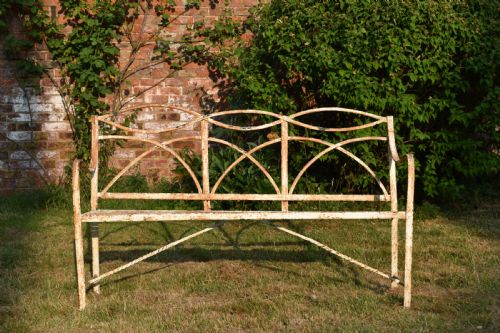
Cast iron garden furniture was engineered to withstand outdoor conditions, utilising heavy metal alloys designed for parks and estate grounds. Regular monitoring for surface rust helps preserve the structural integrity of the metal.
Many surviving pieces retain historic paint layers that protected the ironwork through decades of seasonal exposure.
What is a box settle?
A box settle incorporates a hinged seat lifting to reveal a deep storage compartment beneath. This dual-purpose furniture kept linens, dry goods, or household items secure in domestic quarters.
The high wooden back acted as a windbreak in large, draughty rooms before central heating existed.