



Cream Floral Bench
These cream floral bench pieces combine practical seating with hand-painted finishes and upholstered textile surfaces, bringing period character to any interior.
Cream Floral Bench
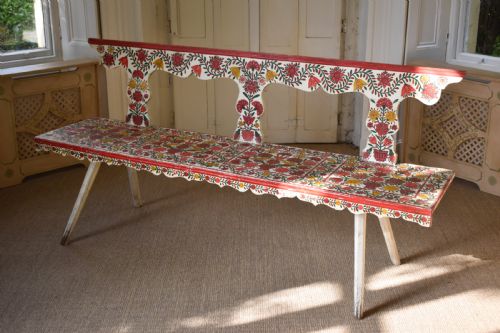
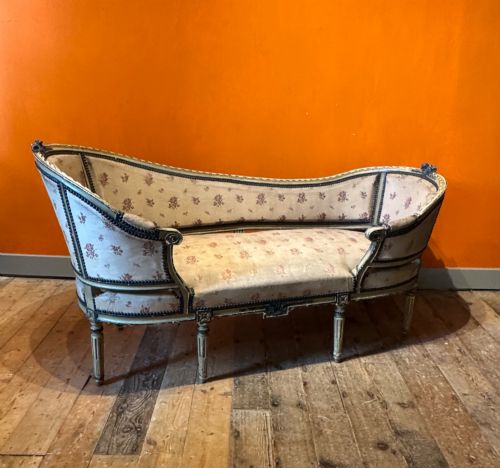
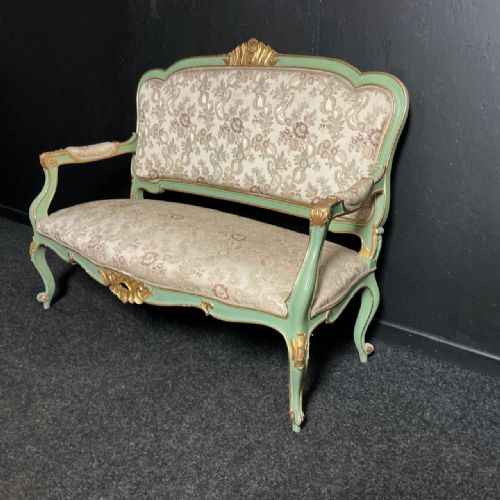
A cream floral bench brings together painted wooden frames and upholstered textile seats, spanning styles from European folk art to Louis XVI and Sheraton revivals. When you search for a cream floral bench, you encounter forms ranging from low stools and footstools to triple-back settees, daybeds, and chaise longues.
The pieces on this page draw upon nineteenth-century, Edwardian, and twentieth-century production, utilising woods like walnut, pine, beech, and satinwood alongside original or later paintwork. These seating items function well in hallways, bedrooms, and living spaces where decorative textile patterns and painted finishes complement traditional or eclectic schemes.
How they were made
Cabinetmakers shaped the wooden elements of these seats using pine, beech, walnut, and satinwood, often applying carved wood details or hand-painted finishes directly to the frames. The construction methods reflect historical joinery techniques appropriate to each period, from nineteenth-century framing to later folk art production.
Upholstery involves textiles and needlework fixed over padded foundations, combining fabric surfaces with painted woodwork. Artisans utilised decorative needlework and fabric coverings alongside painted surfaces to achieve the finished appearance seen across these stools, benches, and settees.
Cream Floral Bench Retail Price Guide 2026
Typical asking prices for cream floral bench among the pieces listed under this phrase on Sellingantiques today, from the lower quarter to the upper quarter. They describe what is for sale here now, not the wider market.
Listings on this page feature materials including paint, fabric, walnut, pine, beech, textile, and carved wood across pieces dating from the nineteenth and twentieth centuries.
What varies in quality
The standard of a piece depends on the crispness of the carved wood details, the integrity of the painted finish, and the execution of the upholstery. Pieces featuring original paint surfaces and detailed hand-worked needlework demonstrate greater adherence to historical decorative standards.
Proportion and structural balance also separate simpler items from more ambitious revival pieces, such as Louis XVI style chaises or George II style settees. The refinement of the timber selection, whether walnut, satinwood, or simpler pine and beech, dictates the overall character of the piece.
The Cream Floral Bench Glossary
- Duchesse Brisee
- A type of chaise longue split into two or more parts, typically consisting of a chair and a matched footstool or ottoman. This form facilitates comfortable reclining.
- Needlework
- Stitched textile decoration created with yarn or thread on an open-weave canvas ground. It frequently appears on stool and settee seats.
- Satinwood
- A durable, light-coloured tropical hardwood prized for its fine grain and smooth lustre. Cabinetmakers utilised it for high-status eighteenth and nineteenth-century furniture.
- Folk Art
- Objects created within a traditional community culture, often featuring hand-painted decorations and vernacular construction. These pieces emphasise local materials and utilitarian forms.
Cream Floral Bench: Frequently Asked Questions
Where should I place a cream floral bench?
These pieces suit spaces that benefit from decorative seating, such as the foot of a bed, a generous hallway, or a quiet corner of a living room.
Their varied forms, from compact stools to large settees, allow them to function as both practical seats and decorative focal points.
How do I care for the painted and upholstered surfaces?
Maintenance involves gentle dusting of the painted wooden frames and appropriate cleaning for the textile or needlework upholstery.
Keeping these items away from direct sunlight and excessive moisture helps preserve both the fabric colours and the underlying paint finishes.
What periods do these seating pieces represent?
The selection encompasses items from the nineteenth century through to the mid-twentieth century, including Victorian, Edwardian, and later folk art examples.
Revival styles from different eras draw inspiration from earlier periods such as Louis XVI, Queen Anne, and George II designs.
How do I distinguish between different furniture styles?
Styles are identified by their characteristic woodwork shapes, leg profiles, and decorative motifs, such as the curved lines of Louis XV revival pieces or the restrained geometry of Sheraton revival items.
Comparing the frame construction and decorative carving helps place a piece within its historical design tradition.