


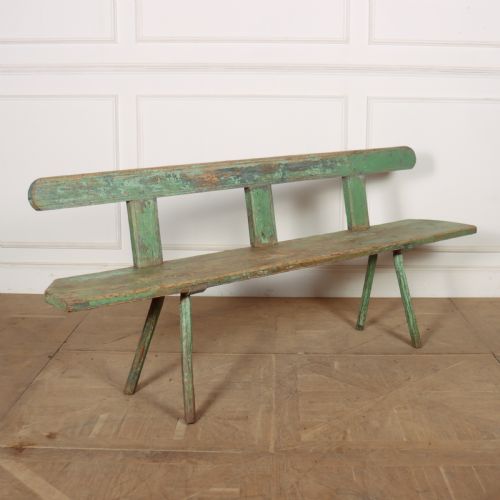

Green Painted Pine Bench
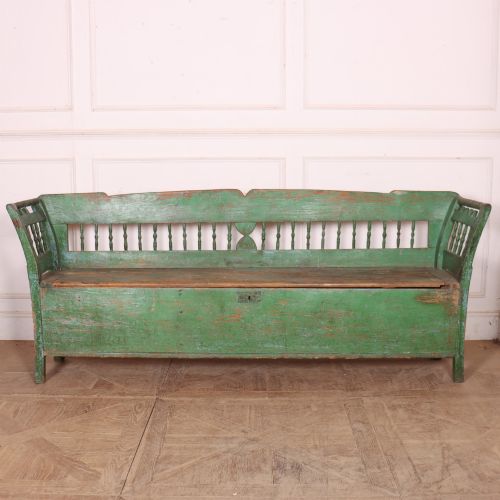
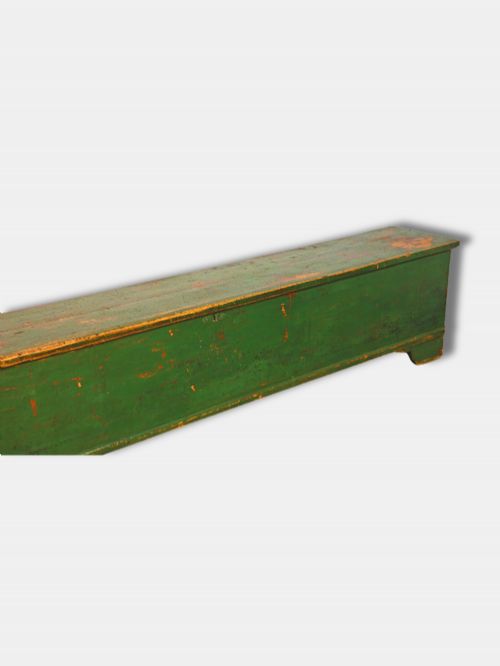
A green painted pine bench brings rustic warmth to a hallway or kitchen, offering honest seating built from timber and finished with traditional surface colour.
Green Painted Pine Bench
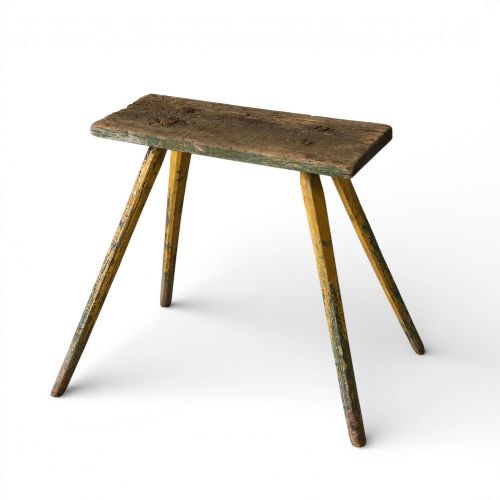
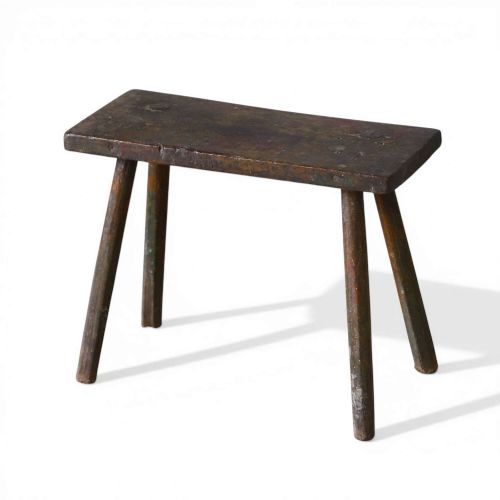
The primary forms on this page include long benches, settles with integrated backs, and occasional seating such as milking stools, alongside related pine furniture items like chests and tables. These pieces combine softwood construction with original or historic painted surfaces, capturing the aesthetic of country life through simple, functional forms.
How they were made
Makers constructed these items primarily from native pine and softwood timber, utilising durable board-and-tenon or pegged joints to withstand heavy domestic use. Carpenters shaped seats and backs from solid planks, occasionally incorporating iron hardware such as hinges and braces for structural reinforcement.
Surfaces received layers of lead-based or oil paints, often in shades of green, cream, or distressed patinas that aged naturally through decades of wear. Paint application followed regional folk methods, preserving brush marks and natural wood grain beneath decorative layers.
Several pieces double as hidden storage boxes, proving that nineteenth-century farmers also needed somewhere to hide their clutter before guests arrived.
What varies in quality
Quality rests in the survival of original painted surfaces rather than later repainting, with undisturbed historic pigment commanding greater interest from collectors. The integrity of the underlying softwood timber, free from excessive structural alteration, defines the better examples.
Proportion and regional character distinguish simpler utilitarian items from more decorative folk art pieces, such as settles with panelled backs or Austrian benches with distinct stylistic flourishes.
The Green Painted Pine Bench Glossary
- Pine
- A softwood timber widely utilised in European country furniture for its accessibility and workability. It accepts paint readily and forms the core material for these rustic benches.
- Settle
- A wooden bench featuring a high back and solid arms designed to block draughts in traditional farmhouses. Many examples include enclosed box storage beneath the seat.
- Folk Art
- Artistic production originating from rural communities, reflecting traditional cultural motifs and local craft methods. It encompasses the painted decoration seen on regional European benches.
- Patina
- The surface sheen and wear accumulated on timber and paint over centuries of use. It records the age and history of a piece through natural softening of colours and edges.
- Softwood
- Timber derived from conifer trees, including pine, utilised extensively in vernacular furniture production for structural framing and board construction.
Green Painted Pine Bench: Frequently Asked Questions
Where should I place a green painted pine bench?
These benches suit narrow hallways, boot rooms, or farmhouse kitchens where their linear forms fit against walls. They also function well at rustic dining tables or as standalone accent seating.
Keep them away from direct heat sources and strong sunlight to protect the historic painted surfaces and dry softwood timber from splitting.
How do I clean a painted pine bench?
Dust the surface regularly with a soft, dry cloth to remove grit without disturbing the paint layer. Avoid modern chemical solvents or wet cloths that might soften historic paint.
Apply occasional microcrystalline wax if the bare wood areas require conditioning, but leave original painted sections untouched to preserve the aged finish.
Are these benches comfortable for daily seating?
Country benches feature solid wood construction designed for utility rather than modern cushioned ergonomics. Adding a simple linen or wool squab cushion improves comfort for prolonged sitting.
Their sturdy pine frames provide reliable support, making them practical for everyday use in busy domestic environments.
How can I tell if the green paint is original?
Original paint shows natural wear patterns, integration with the underlying timber, and age-related crazing or micro-cracking across the surface. Multiple underlying layers visible through chips often indicate genuine historic application.
Later repainting typically appears uniform, lacking the subtle fading and patina accumulated through decades of domestic use.