







Painted Wooden Hall Bench
A painted wooden hall bench brings immediate character to an entrance, offering robust seating and often hidden storage beneath.
Painted Wooden Hall Bench
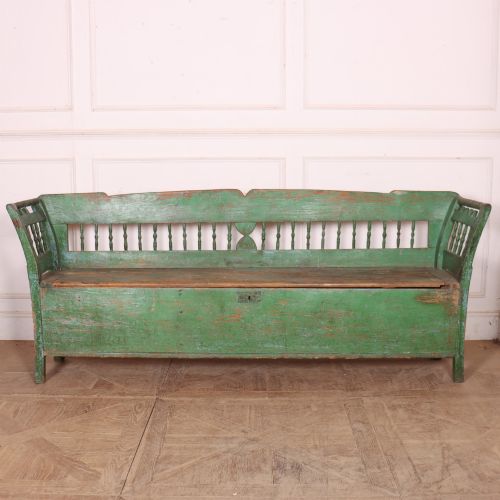
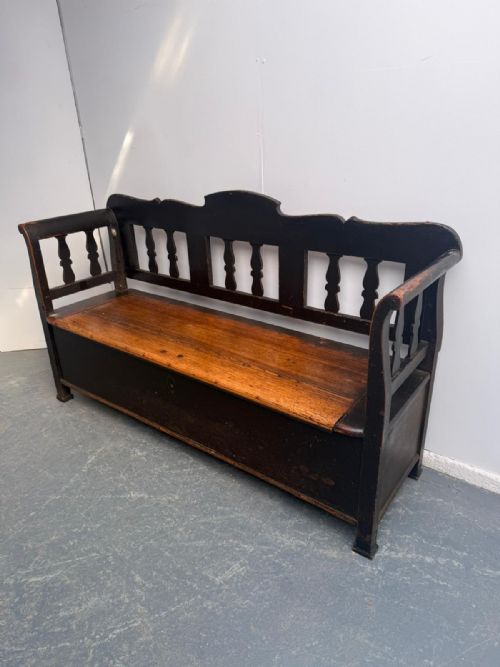
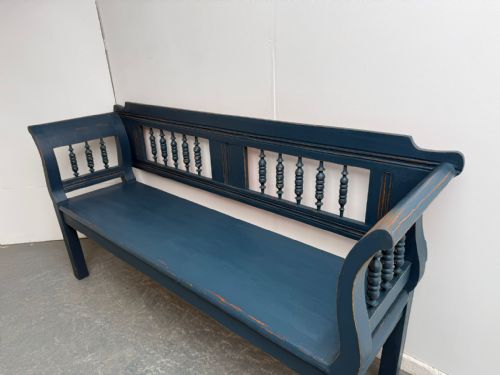
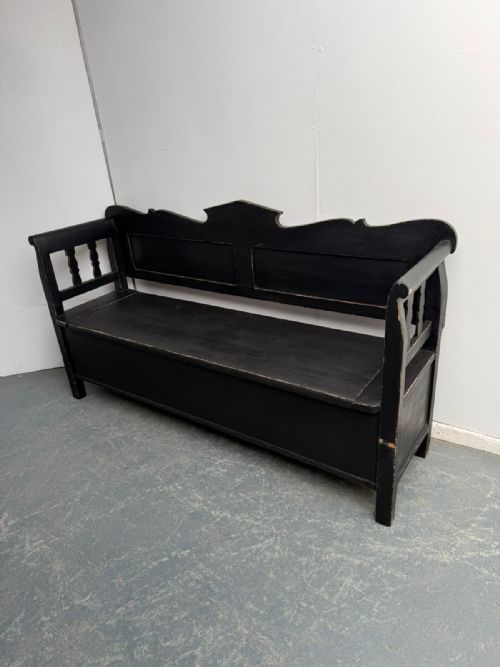
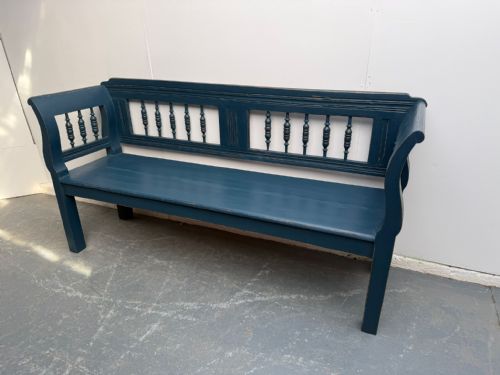
A painted wooden hall bench is a sturdy entrance seating piece, frequently taking the form of a box settle or window seat. When searching for this phrase, buyers encounter substantial pine examples alongside lighter country pieces from various European regions.
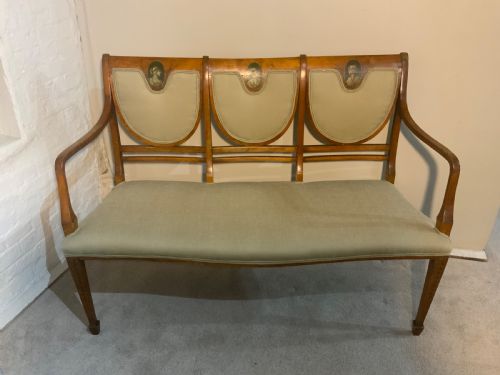
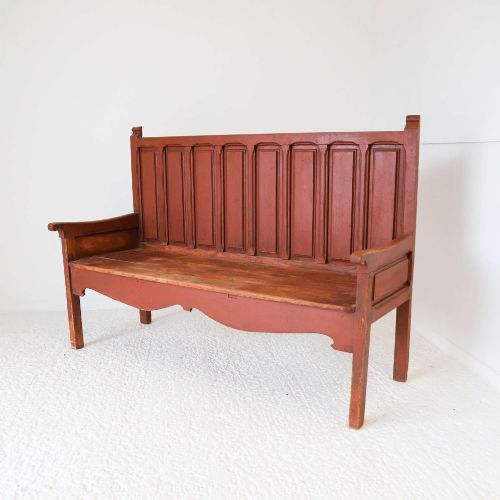
Formations range from high-backed tavern benches and barrel back settles to slender window seats and satinwood settees. These items served functional roles in hallways, farmhouses and parlours before transitioning into decorative domestic furniture.
Materials and construction methods
Pine serves as the primary structural timber for the vast majority of these country benches, complemented by beech, satinwood and iron reinforcement. Craftsmen frequently utilised solid wood planks to build deep seats and high protective backs against draughts.
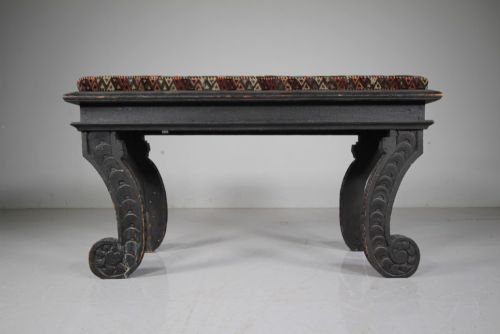
Surface decoration relies on layers of paint, with many pieces retaining original coloured finishes such as grey, black, blue, cream and green. Some items incorporate fabric or cane elements, particularly in later window seats and settees.
Materials span plain pine and beech to decorative satinwood, iron accents and original painted surfaces.
Distinguishing quality in painted seating
Quality rests significantly on the integrity of the surface finish and whether the paint survives in its original state rather than a later application. Pieces with untouched historic patination command greater interest than those subjected to modern redecoration.
Proportion and structural balance dictate the finer examples, from neat primitive Georgian forms to grander Swedish Gustavian sofas. The joinery of storage boxes and the preservation of original back panels separate standard utility furniture from exceptional vernacular pieces.
Thonet
The Painted Wooden Hall Bench Glossary
- Settle
- A wooden bench with a high back, solid arms and often a box base for storage. This form protected sitters from cold hallway draughts.
- Box settle
- A specific variety of bench featuring a hinged seat lifting to reveal a storage compartment beneath. It combines seating with domestic utility.
- Gustavian
- The Swedish interpretation of neoclassical style, characterised by restrained carving and pale painted finishes. These pieces offer a lighter aesthetic than heavier country furniture.
- Scumble
- A decorative painting technique involving a translucent top layer manipulated over a lighter base to imitate grain or texture. Georgian examples often display this skilled surface treatment.
- Window seat
- A narrow bench designed specifically to fit within a window recess. These typically lack the high backs found on traditional hall settles.
Painted Wooden Hall Bench: Frequently Asked Questions
What is a painted wooden hall bench?
A painted wooden hall bench is a traditional seating item placed in entrances or passages, combining a wooden bench structure with a decorative painted finish. Many examples include high backs or integrated storage boxes.
These pieces originate from various European countries and historical periods, ranging from rustic eighteenth-century tavern benches to refined nineteenth-century Swedish and Austrian seating.
How were hall benches used historically?
Historically, these benches provided practical seating in entrance halls, farmhouses and public houses where visitors waited or removed outer garments. High backs and solid sides helped block cold draughts from stone-flagged corridors.
Versions with lift-up seats functioned as storage chests for boots, blankets and household items, keeping hallways tidy in busy homes.
How do I style a painted bench at home?
A painted bench anchors an entrance hall or living space, working well against neutral walls where the coloured paint finish can stand out. Adding simple cushions softens the wooden seat for everyday use.
For box settles with storage, positioning the piece near a front door allows convenient access to shoes or winter accessories while maintaining a neat appearance.
How can I tell the period of a painted bench?
Dating relies on observing construction traits, timber types and the characteristics of the paint surface. Earlier eighteenth-century pieces often display pegged joints and heavy pine construction, while nineteenth-century items frequently feature regional folk art finishes.
Examining wear patterns around the seat edges and footings helps reveal the natural age of the timber beneath the historic paint layers.