



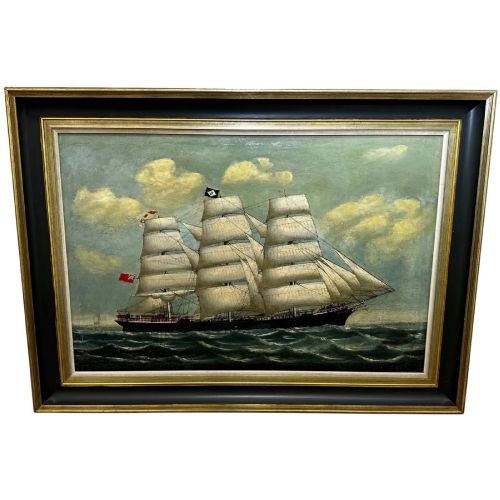
19th Century Nautical Art
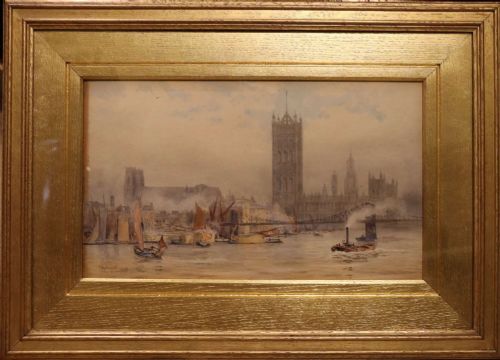
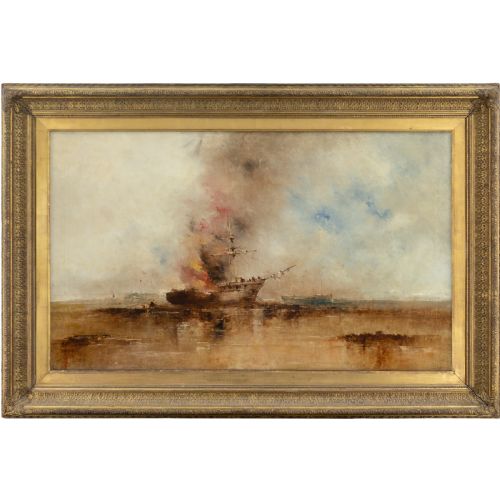
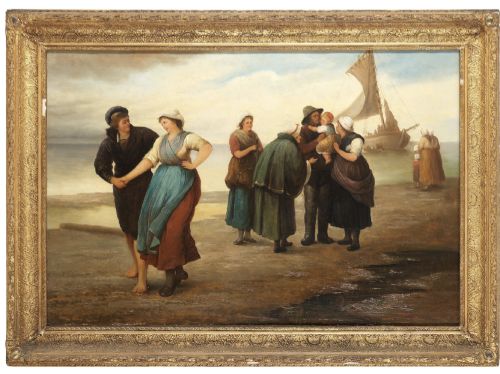
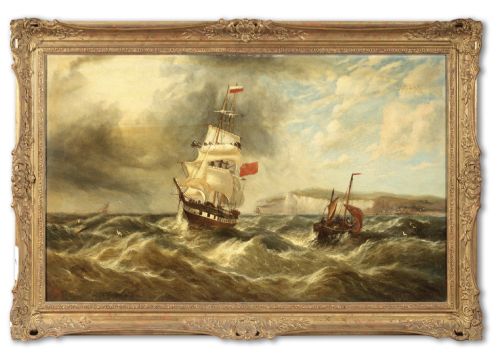
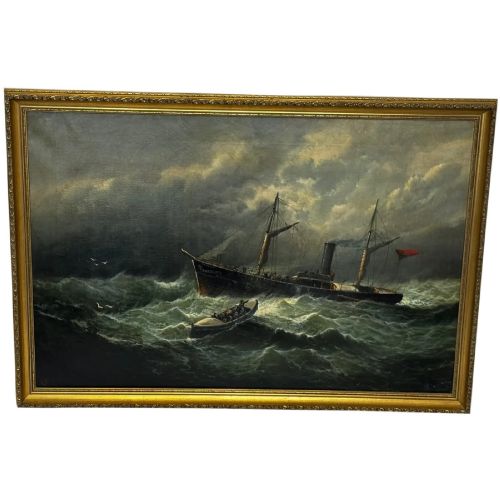
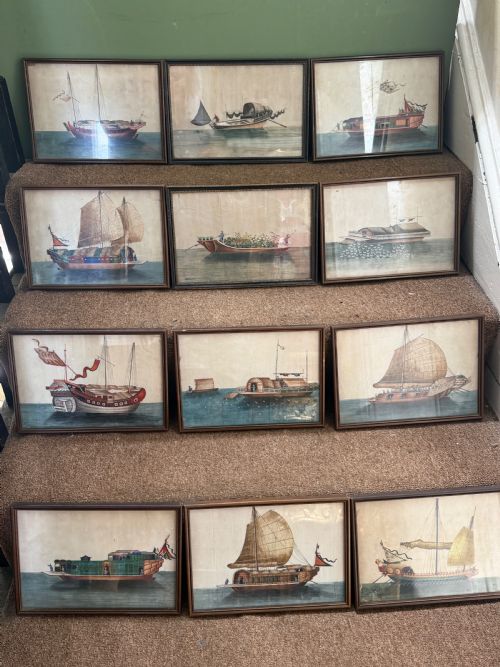
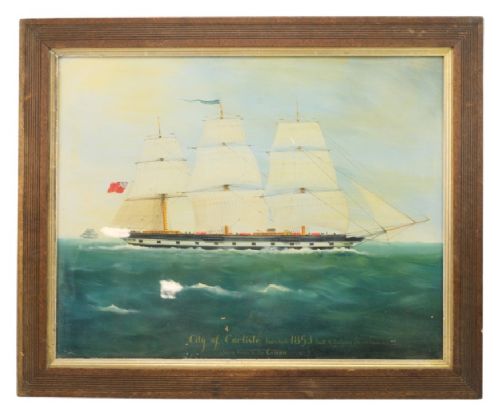
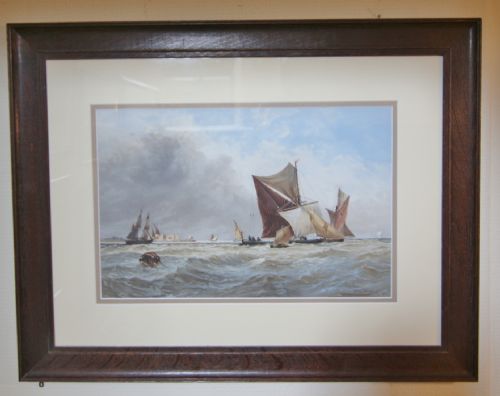
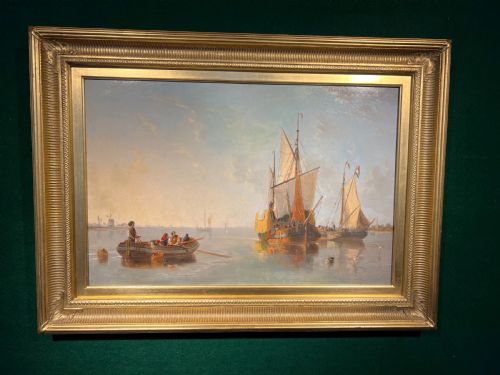
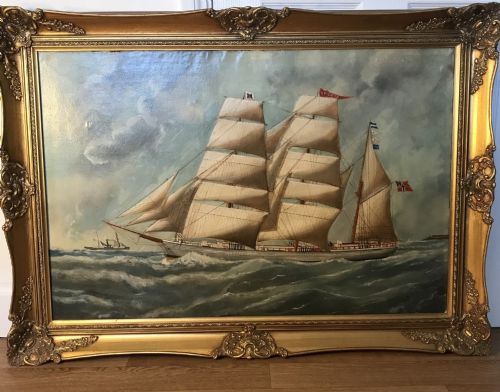
These pieces of 19th century nautical art capture sailing ships, turbulent seas, and bustling harbours through oil and watercolour.
19th Century Nautical Art
When you search for 19th century nautical art, you encounter oil paintings, watercolours, and dimensional dioramas depicting maritime scenes. These works document specific vessels, naval engagements, and coastal harbours from the Victorian era and adjacent decades.
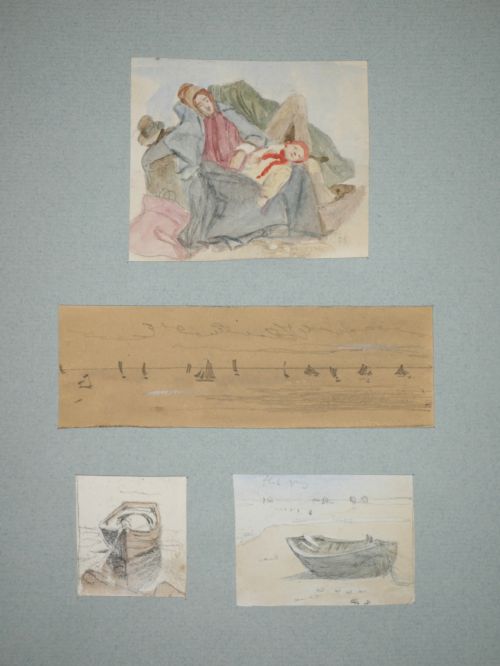
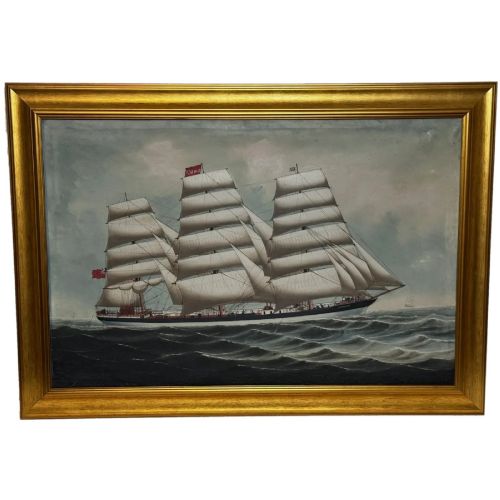
The most common formats on this page are framed oil paintings on canvas or panel and works on paper such as watercolour sketches. Subjects range from lone fishing boats off the coast to three-masted schooners and clippers navigating heavy seas.
Materials and techniques
Makers utilised oil paint and watercolour on grounds of canvas, paper, wood panel, and board. Framed pieces frequently incorporate gilt wood surrounds that complement the maritime subjects.
Three-dimensional representations utilise wood and paper to construct handmade boat models enclosed within glazed display boxes or bottles.
Several artists managed to paint entire naval battles and raging storms without spilling a single drop of seawater.
Variations in quality
Execution of maritime detail separates works, particularly in the rigging of ships and the rendering of rough water and atmospheric skies. Signed pieces and works attributed to known marine painters or specific schools command distinct recognition.
The preservation of the original medium, whether oil on canvas or delicate watercolour on paper, influences the visual impact of the piece alongside the condition of the period gilt frame.
James Hardy·James Orrock·James Smetham·William McAlpine·Reginald Arthur Borstel·John Rose Miles·William Broome·TB Hardy·John Wilson Carmichael·Lai Fong·John Moore of Ipswich·Nicholas Condy·Richard B Spencer·William Henry Williamson·George Stanfield Walters·Abraham Hulk I·Henry Barlow Carter·William Frederick Settle·Gustave De Bréanski
The 19th Century Nautical Art Glossary
- Diorama
- A three-dimensional scene enclosed in a display box, often featuring a model ship constructed from wood and paper amidst sculpted waves.
- Gouache
- An opaque water-based medium used to create vivid marine paintings with solid areas of colour.
- Barque
- A sailing vessel with three or more masts, commonly depicted in maritime paintings of this period.
- Seascape
- A work of art that depicts the sea, ships, or coastal views as the primary subject.
19th Century Nautical Art: Frequently Asked Questions
What subjects appear in this art?
Paintings and watercolours show sailing ships, clippers, and warships navigating coastal waters or open seas. Harbours, shipwrecks, and fishing boats off familiar shores also recur frequently.
Scenes often document specific historical vessels or locations such as Malta, Valletta harbour, and the River Tyne.
How were dioramas constructed?
Makers built miniature sailing vessels from wood and paper, mounting them inside glazed wooden boxes. Sculpted materials mimic waves and sea foam around the hulls.
Examples include cased models of racing vessels and clippers in full sail.
How do I date these pieces?
Dates rely on period styles, signatures, and framing methods typical of the nineteenth century and Victorian era. Many works carry specific dates or signatures from the artist.
Subject matter, such as named merchant ships and historical naval events, helps narrow the timeframe of creation.
How should I display them?
Framed oil paintings and watercolours suit wall mounting in dry interior spaces away from direct sunlight. Cased dioramas require secure flat surfaces or dedicated shelving.
Original gilt frames complement the traditional aesthetic of these maritime works.