






19th Century Naive Art
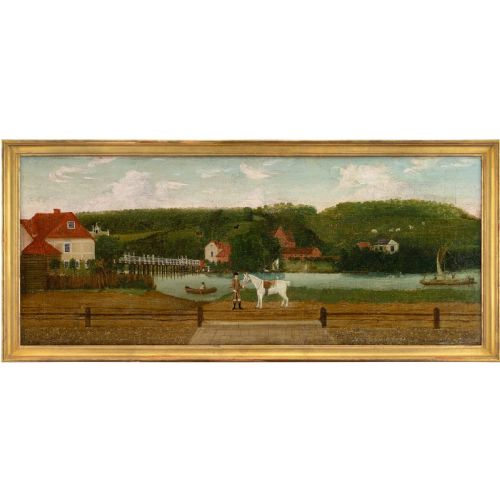
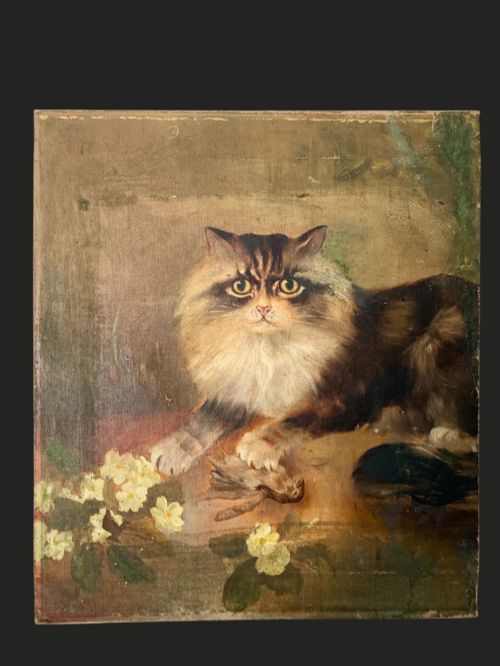
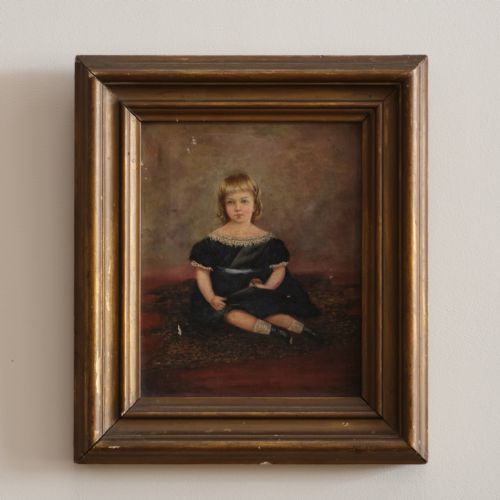
19th century naive art encompasses unpretentious oil paintings, carved figures and decorative objects created by untutored hands that collectors prize for their direct charm.
19th Century Naive Art
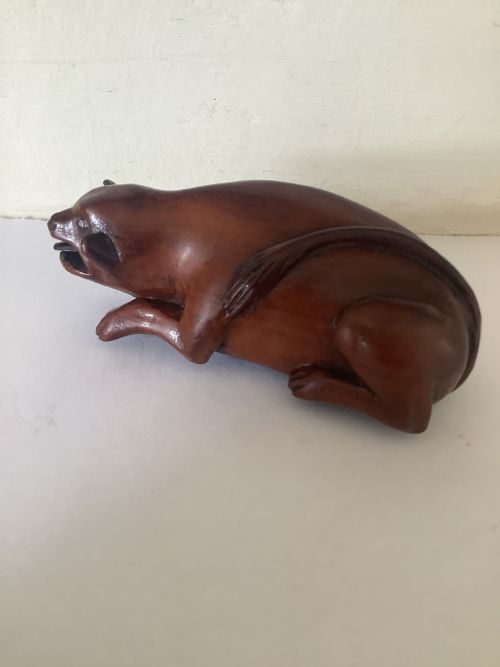
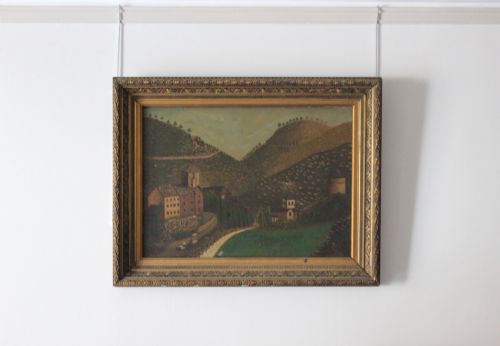
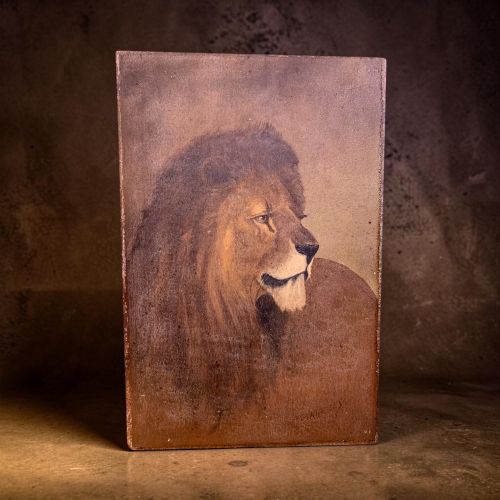
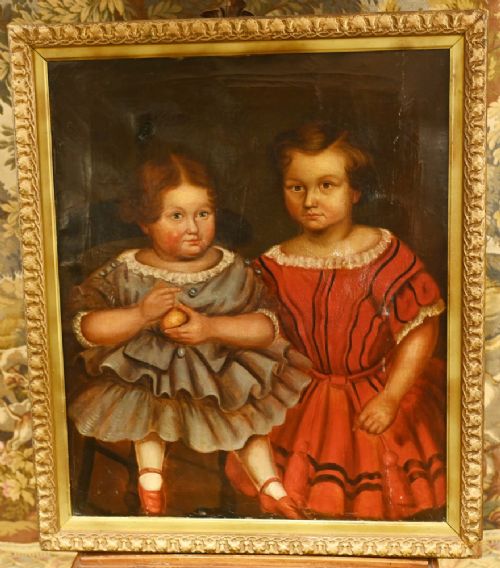
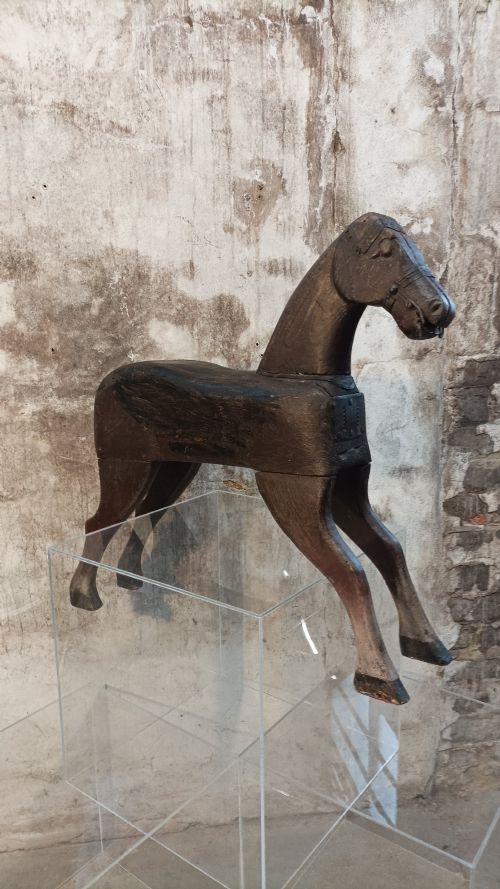
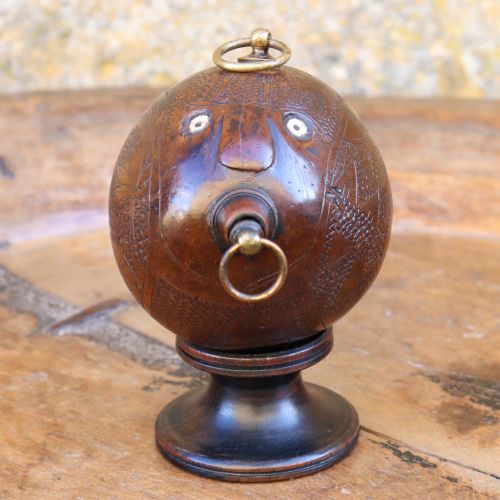
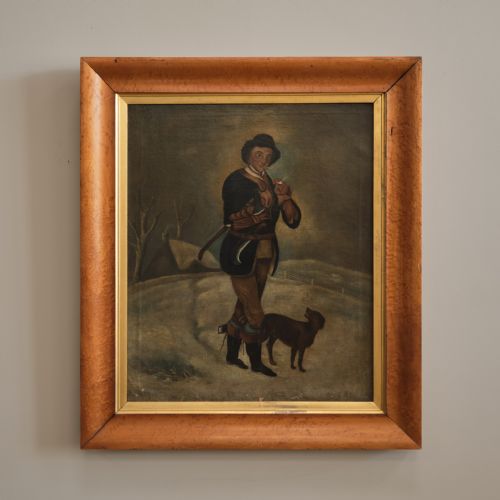
Oil on canvas and wood panel form the backbone of the pictorial works, often reflecting the straightforward perspective and unacademic technique characteristic of provincial makers. Alongside flat works, three-dimensional items such as carved wooden horses, snuff boxes and figurative branch sculptures appear frequently across the inventory.
Materials and Construction
Makers relied on accessible materials, applying oil paint and watercolour to canvas, wood panels, paper and occasionally tinplate. Frames fashioned from rosewood or simple timber often house these works, while sculptural pieces display direct hand-carving in various woods and coconut shell.
The technical execution prioritises bold outlines and flat planes over conventional academic perspective, resulting in striking visual immediacy. Pigments are applied with straightforward brushwork, and carved elements show clear tool marks left by regional artisans and makers.
Listings feature oil paintings, watercolours, wood carvings and tinplate objects spanning Georgian, Regency and Victorian periods.
Factors Determining Quality
The strength of composition and the expressive character of the subject separate the finest examples from standard provincial pieces. Dynamic poses, such as figures accompanied by animals or set within detailed architectural and landscape backgrounds, elevate the visual impact.
Condition and originality play a significant role in evaluation, particularly the survival of untouched painted surfaces and period frames. Pieces that retain their original pigment without heavy restoration demonstrate greater authenticity and visual charm.
John Vine of Colchester
The 19th Century Naive Art Glossary
- Naive Art
- Art produced by a person lacking formal professional training, characterised by a simplistic approach to perspective and proportion. It relies on intuitive design rather than academic rules.
- Folk Art
- Utilitarian or decorative items created within a community culture, often reflecting traditional motifs and regional craftsmanship. These objects bridge the gap between fine art and everyday domestic craft.
- Dummy Board
- A painted figure cut from wood or metal designed to stand in a room to deceive the eye. They frequently depict servants, children or pets in domestic settings.
- Provincial School
- Artworks produced outside metropolitan artistic centres by local practitioners. These pieces reflect regional tastes and materials rather than academic convention.
19th Century Naive Art: Frequently Asked Questions
What defines 19th century naive art?
These pieces are creative works produced outside the academic traditions of the period, executed by artists and artisans without formal training. They emphasise personal expression, flat perspective and direct storytelling over classical rules of proportion.
Subjects range from family portraits and domestic animals to rural landscapes and carved wooden figures. The charm lies in this unstudied approach to form and colour.
How were these paintings and objects used?
Many painted portraits and landscapes served as domestic wall decoration for homes, recording family members, pets and local properties. Sculptural pieces and decorative objects often fulfilled practical functions or added whimsical character to provincial interiors.
Items like painted wall plaques and carved boxes combined utility with visual appeal. They reflect the everyday tastes of the households that commissioned or displayed them.
How do I live with naive art?
These pieces suit both traditional and contemporary interiors because their honest forms and unpretentious character provide a striking visual anchor. Grouping several works together creates a strong focal point on a wall or mantelpiece.
Protect paintings and works on paper from direct sunlight to preserve the pigments. Simple dusting and stable indoor humidity levels keep wooden sculptures and framed works in good condition.
How can I tell periods and styles apart?
Dating relies on dress, hairstyles and framing methods, alongside clues embedded in titles such as Regency or Victorian eras. Examining the materials, such as canvas types, panel construction and pigments, helps align a piece with its production era.
Regional styles often show distinct palettes and subject matter, distinguishing British provincial works from American or European examples. Comparing specific motifs across known pieces clarifies their origin.