

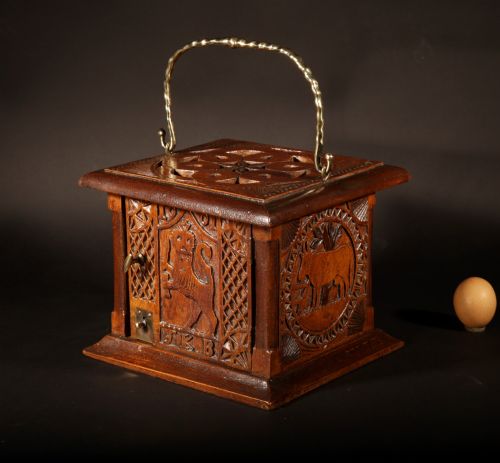


Dutch Folk Art Painting
These dutch folk art painting examples bring rustic rural character to a room, offering genuine regional charm for collectors of vernacular antiques.
Dutch Folk Art Painting
A dutch folk art painting brings together hand-painted decoration and vernacular craft from domestic interiors. You encounter works spanning the eighteenth century through to the mid twentieth century, encompassing canvas work alongside painted wood, ceramics, and architectural items.
The selection here includes diverse forms such as wall art, chargers, and functional items bearing traditional decoration. Pieces range from early dated doll furniture and child chairs in the Hindeloopen style to polychrome delftware and mid-century jigsaw woodwork reliefs.
Rural scenes, domestic portraits, and geometric floral motifs dominate the aesthetic of these objects. Each item reflects the hand of regional makers working within established European folk traditions.
How they were made
Makers utilised native timbers such as oak, pine, and general timber as a base for chip carving and structural joinery. Surfaces were then prepared for polychrome paint, enamelling, and occasional leaf gilding.
Decoration relied on hand-applied pigments to create detailed pictorial and floral schemes on wood, tin-glazed ceramics, and glass. Iron and brass elements frequently provided structural hardware or functional accents on items like foot stoves and decanters.
Dutch Folk Art Painting Retail Price Guide 2026
Typical asking prices for dutch folk art painting among the pieces listed under this phrase on Sellingantiques today, from the lower quarter to the upper quarter. They describe what is for sale here now, not the wider market.
The listings span from the eighteenth century to the mid-twentieth century, featuring materials such as painted wood, brass, iron, and leaf gilding.
What varies in quality
Quality rests upon the crispness of the chip carving and the preservation of the original painted surface. Untouched polychrome decoration and clear dated signatures elevate an object significantly above standard vernacular items.
The sophistication of the brushwork in portraiture and floral motifs distinguishes finer studio traditions from simpler village craft. Proportions and the integrity of the underlying timber structure also dictate the desirability of each piece.
The Dutch Folk Art Painting Glossary
- Polychrome
- Painted or printed in several colours. This term describes ceramics and wooden surfaces decorated with multiple bright pigments.
- Hindeloopen style
- A traditional Dutch folk art style originating from a small town in Friesland, known for vibrant floral patterns and detailed painted scenes on furniture.
- Charger plate
- A large decorative plate used traditionally for display or ceremonial purposes rather than dining. Eighteenth-century examples often feature geometric and floral tin-glazed earthenware designs.
- Chip carving
- A woodworking technique where small chips are removed from a wooden surface in a single piece with gouges and knives. It creates geometric patterns on domestic utility objects.
Dutch Folk Art Painting: Frequently Asked Questions
How do I date a painted wooden folk piece?
Dating relies on examining the type of timber preparation, tool marks left by the maker, and the chemical composition of the pigments. Many pieces bear inscribed dates or stylistic clues typical of eighteenth and nineteenth-century rural workshops.
Comparison with documented regional furniture styles, such as Hindeloopen work, further helps narrow down the decade of production.
Are these painted items suitable for daily use?
While items like foot warmers and decorative plates were made for domestic utility, historic pieces with original paint require gentle care. Displaying them away from direct sunlight and excessive humidity preserves the fragile pigments.
Most buyers choose to exhibit these objects as wall art or focal points rather than putting them back into active service.
What distinguishes Dutch folk art from other European styles?
Dutch folk traditions frequently incorporate maritime motifs, specific regional costume details, and distinct palette choices like deep blues and polychrome floral arrangements. The use of chip carving on functional wooden items is also characteristic.
Local guilds and distinct town traditions heavily influenced the decorative vocabulary found across these regional artefacts.
How should I clean original painted wooden surfaces?
Dusting gently with a dry, soft cloth is generally sufficient for maintaining historic painted wood. Moisture and chemical cleaning agents can strip or damage fragile nineteenth-century layers.
Consult a professional conservator if deeper cleaning is required to remove accumulated grime without harming the underlying paint.