



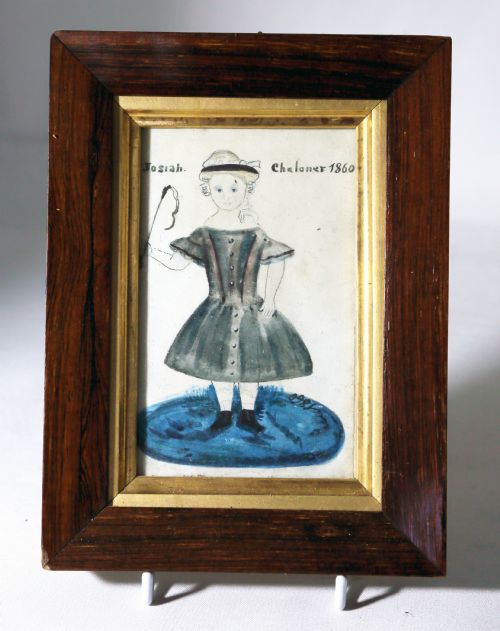

Folk Art Watercolour Painting
These folk art watercolour painting examples capture direct domestic narratives and local scenes through unpolished hands.
Folk Art Watercolour Painting
A folk art watercolour painting brings together vernacular visual traditions and water-based pigments on paper, fabric, or related supports. These works range across the nineteenth century, Regency era, Victorian period, and into the twentieth century.
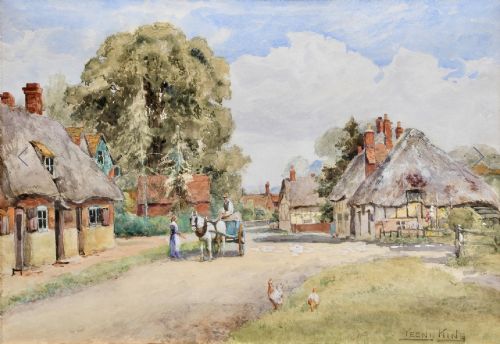
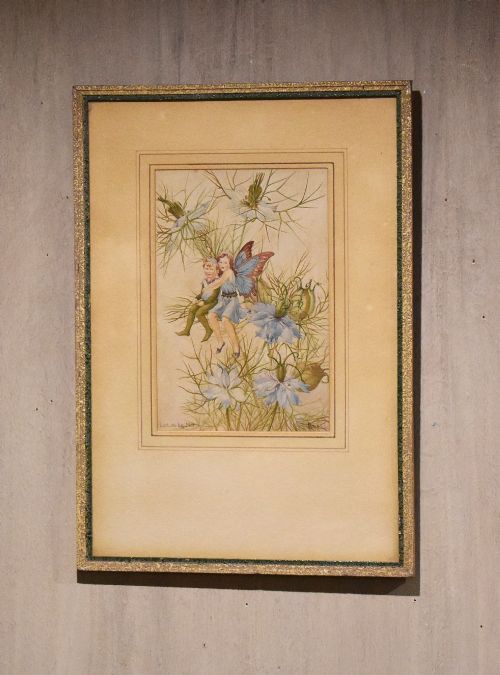
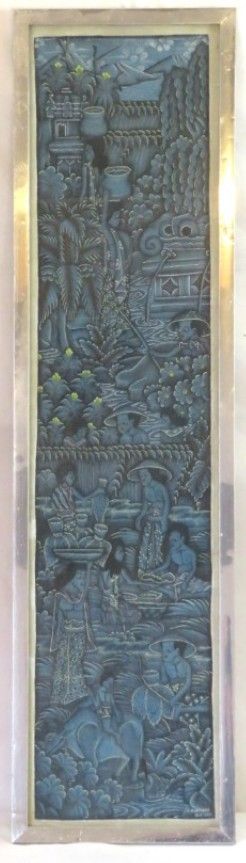
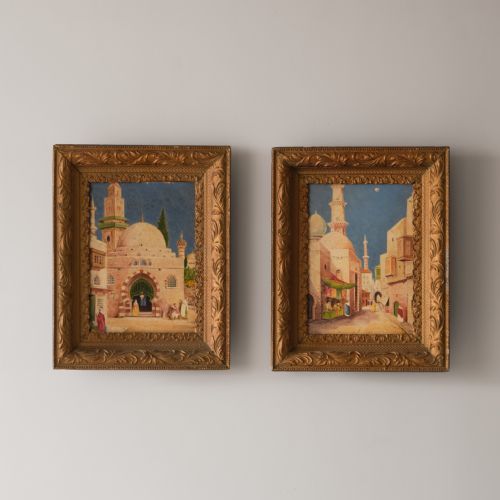
The selections here showcase portraits, interiors, and narrative scenes shaped by regional makers rather than academy artists. Viewers encounter American school portraits, Balinese pieces on fabric, Chinese styles, and British naive depictions.
Most examples present direct, unacademic compositions that record individuals, animals, and local events with straightforward charm. Such works serve as intimate historical records created outside mainstream artistic movements.
Materials and techniques
Makers utilised watercolours and ink applied directly to paper and fabric grounds, often framed behind glass within wood or rosewood surrounds. Selected pieces incorporate gold leaf or mixed media elements to accent the compositions.
The physical construction relies on accessible domestic materials, combining pigments with simple paper or textile supports. Framing often utilises period timbers that complement the unpretentious character of the artwork.
Folk Art Watercolour Painting Retail Price Guide 2026
Typical asking prices for folk art watercolour painting among the pieces listed under this phrase on Sellingantiques today, from the lower quarter to the upper quarter. They describe what is for sale here now, not the wider market.
Among the historical subjects captured on paper, one nineteenth-century portrait intriguingly preserves the likeness of a gentleman with a wooden leg.
Judging quality
Quality rests upon the directness of the draughtsmanship and the expressive power within the naive perspective. Stronger examples maintain vibrancy in the pigment and clarity in the paper or fabric support despite age.
The preservation of the original framing, such as rosewood surrounds, alongside the integrity of the watercolours and ink, distinguishes the more compelling survivors from standard decorative items.
Thomas James Lloyd·Irene Lagut·W Skinner
The Folk Art Watercolour Painting Glossary
- Naive Art
- Visual work produced by an artist without formal academic training, prioritising expressive clarity over traditional perspective. This style defines much of the character found in these watercolours.
- Regency
- The period in British history from 1811 to 1820, known for specific neoclassical design traits. Pieces from this era display distinct stylistic markers in costume and framing.
- Victorian
- The period spanning the reign of Queen Victoria from 1837 to 1901, encompassing diverse domestic art production. Works from this time often record family groups and local characters.
- Mixed Media
- An artwork combining multiple artistic materials and mediums within a single composition. Several pieces utilise watercolour alongside ink or coloured pencil.
- Primitive
- A term describing early or untutored artistic styles that rely on simplified forms and direct observation. These works lack the refined techniques taught in formal academies.
Folk Art Watercolour Painting: Frequently Asked Questions
What defines a folk art watercolour painting?
These works are created by self-taught or non-academic artists using water-based pigments on paper or fabric supports. They focus on local subjects, family portraits, and narrative scenes.
Unlike academic art, these pieces prioritise direct storytelling and unpolished perspective over strict proportion and classical training.
How should I care for these watercolours?
Keep the artworks away from direct sunlight to prevent the watercolours and paper supports from fading over time. Stable humidity levels protect both the pigments and the original framing.
Displaying them behind glass guards the delicate surface against atmospheric dust and physical contact.
How can I tell the period of a piece?
Dating relies heavily on the style of clothing worn by portrait subjects, handwritten inscriptions, and period framing materials like rosewood. Reference points often emerge from documented dates or specific regional styles.
Examining the paper type and pigment characteristics also helps place the work within nineteenth or twentieth-century traditions.
Where were these paintings displayed?
Original owners hung these works in domestic parlours, country houses, and provincial interiors as personal records of family and community. They functioned as accessible decoration rather than high art.
Today, they suit similar residential spaces where their unpretentious charm adds character to historic or contemporary interiors.