


19th Century Measure
These pieces form a practical history of trade, science and domestic life, spanning grain bins, spirit measures and scientific instruments.
19th Century Measure
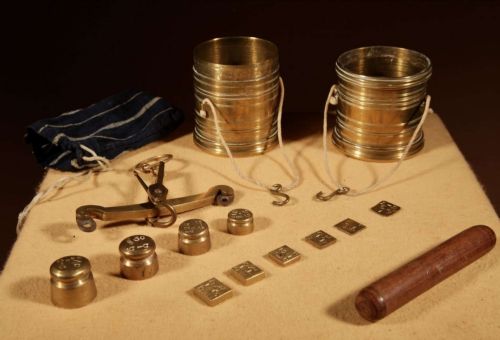
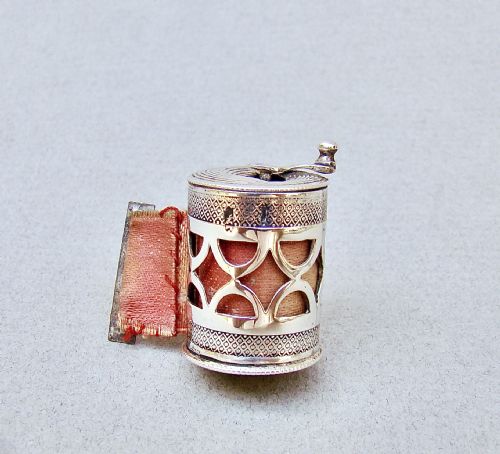
When you search for a 19th century measure, you encounter a diverse group of objects spanning scientific instruments, dairy equipment, and utilitarian kitchenware. These items range from large copper grain vessels and heavy bronze standards to small glass medicine flasks and delicate boxwood tape measures.
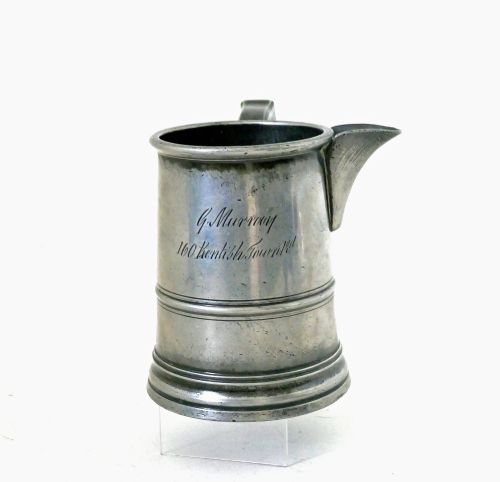
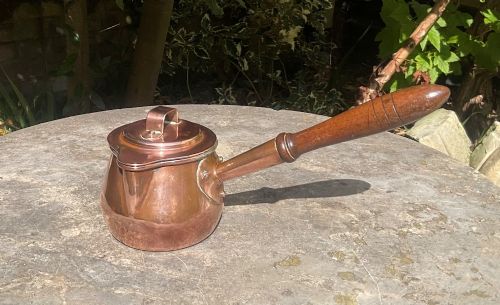
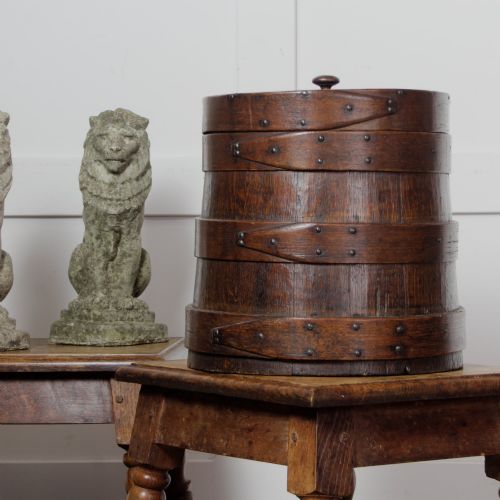
The objects most frequently met on this page include pewter tankards and copper flagons designed for liquid capacity, alongside wooden grain bins and timber fruit measures. Many pieces originate from domestic, agricultural, or trade contexts across Britain, France, and the Netherlands, reflecting the rigorous standardisation of weights and measures during the period.
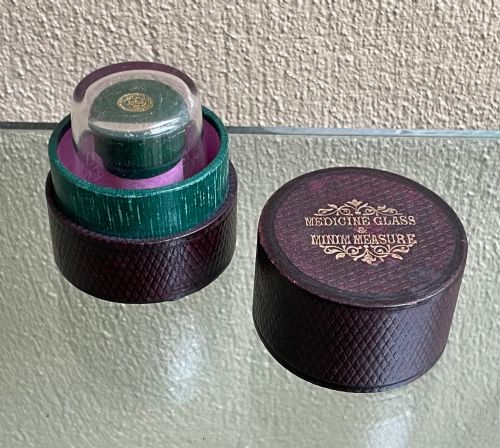
Specialised examples also emerge within scientific and medical categories, including hydrometer sets, alcohol thermometers, and apothecary glasses. Whether intended for measuring dry grain, spirits, or medicinal doses, each item served a precise function in daily commerce and standardisation.
Materials and Construction
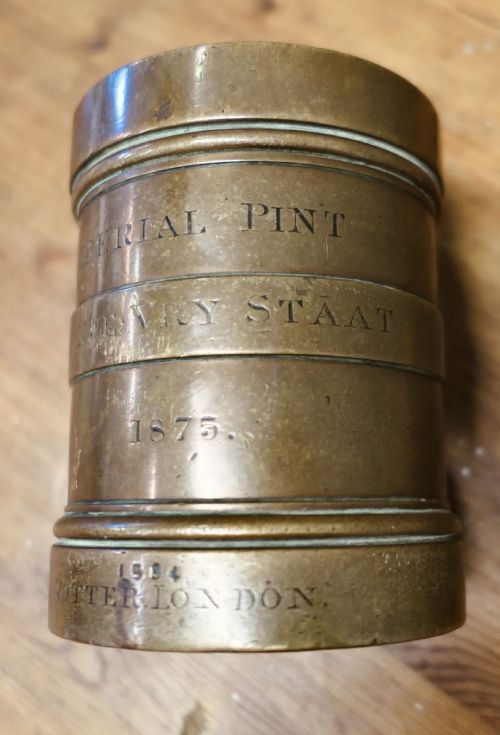
Metalworking dominates the physical record, with copper, brass, bronze, and pewter utilised to create durable jugs, flagons, and balance sets. Coppersmiths and pewterers shaped sheet metal or cast molten alloys, frequently adding reinforced rims and engraved capacity stamps or maker details.
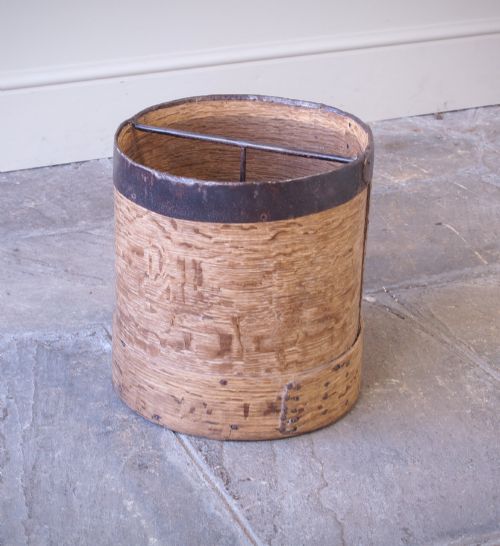
Timber and glass provide alternative mediums, seen in oak grain bins, boxwood tape measures, and cut-glass spirit measures. Woodworkers turned or joined timber for agricultural vessels, while glassmakers produced blown and moulded vessels for precise liquid dispensing.
Observed forms range from heavy grain bins and scientific theodolites to pocket tape measures.
Evaluating Quality and Execution
Quality in these instruments depends upon the crispness of maker marks, capacity stamps, and engraved inscriptions, which verify official standardisation and origin. Heavy-gauge metalwork, solid timber construction, and complete sets distinguish utilitarian pieces intended for rigorous daily trade from lighter decorative items.
The survival of original fitted cases, associated hardware, and complete mechanical components elevates the status of scientific and surveying apparatus. Finesse in the turning of treen, the clarity of cut glass, and the integrity of joints directly reflect the skill of the original maker.
Potter of London·W&S Jones·Thomas Phillips I of London·L Lumley & Co Ltd London
The 19th Century Measure Glossary
- Chondrometer
- A specialised weighing instrument used to determine the density or bushel weight of grain. It typically involves a mahogany case and balance mechanism.
- Hydrometer
- A scientific instrument used for measuring the specific gravity of liquids, commonly associated with testing alcohol strength in spirits.
- Treen
- Small domestic and utilitarian items made from wood, ranging from turned boxes to small household measures.
- Pint
- A unit of liquid or dry capacity, frequently marked on pewter and copper flagons.
- Bushel
- A dry measure of capacity used for agricultural produce such as grain and fruit.
- Apothecary
- Relating to the preparation and measurement of medicines, seen in specialised glass measures and pocket kits.
19th Century Measure: Frequently Asked Questions
What were 19th century grain measures used for?
Grain measures served to quantify dry agricultural produce during harvest, trade, and taxation. Merchants utilised standardised wooden bins and heavy copper vessels to ensure accurate volumes.
These pieces were essential for commercial transactions in markets and mills before the widespread adoption of automated weighing systems. Their capacities ranged from small domestic portions to large multi-gallon agricultural standards.
How do I identify a pewter measure?
Pewter measures generally feature stamped verification marks, capacity designations such as pint or gill, and maker stamps near the rim or handle. The metal develops a dark, lustrous grey patina over decades of handling.
Many examples take the form of lidded tankards or bell-shaped vessels designed for ale and spirits. Examining the base and interior reveals casting seams and touchmarks left by the original pewterer.
Were these scientific instruments used in trade?
Scientific items on this page, including hydrometers, thermometers, and theodolites, served professional trades, excise officers, and architects. They provided exact readings for alcohol strength, temperature, and land surveying.
Such instruments often survive within fitted wooden cases complete with original brass fittings and accessories. Their construction demanded high precision from specialist optical and scientific makers.
How should I care for antique copper measures?
Antique copper requires minimal intervention, usually limited to gentle dusting and cleaning to preserve the natural surface oxidation. Aggressive polishing removes the historical patina accumulated over generations.
Displaying them away from excessive moisture and direct sunlight protects any remaining wooden or leather elements. Stable indoor environments keep the metalwork secure and prevent degradation.