


19th Century Maritime Oil
19th century maritime oil works capture naval warfare, bustling ports, and dramatic shipwrecks through rich painted brushstrokes.
19th Century Maritime Oil
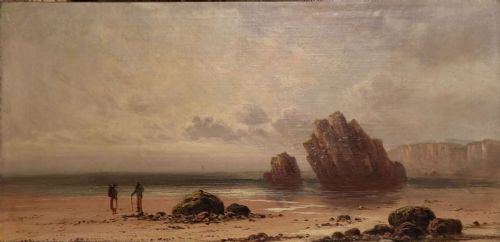
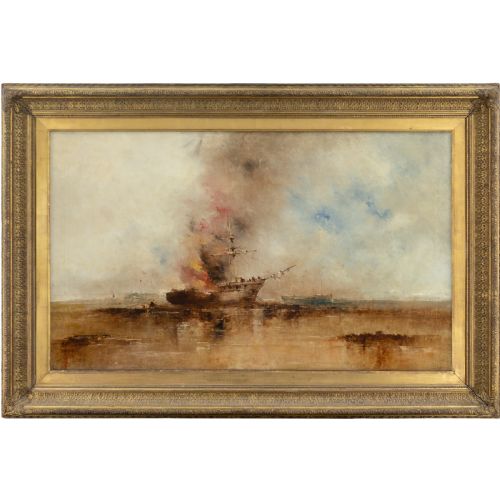
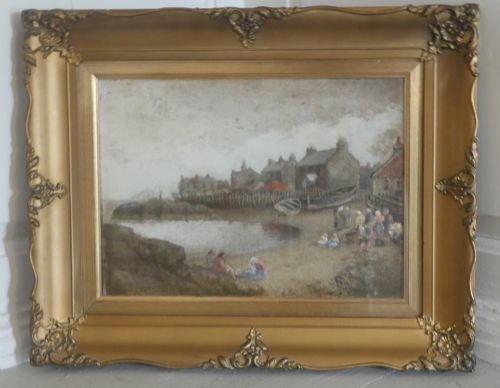
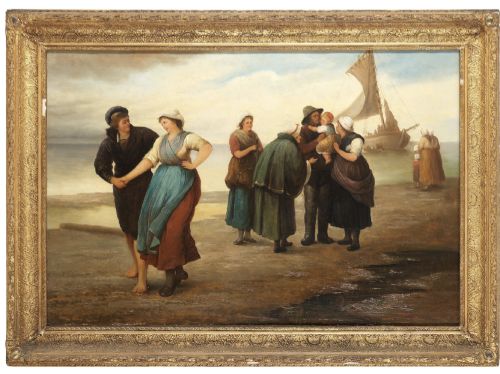
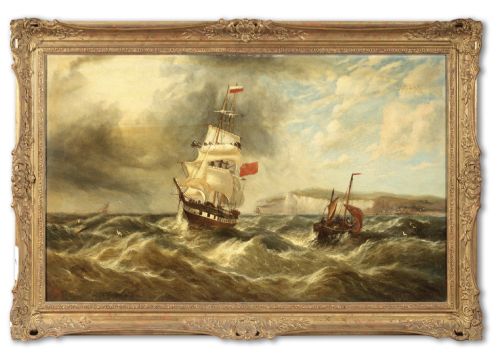
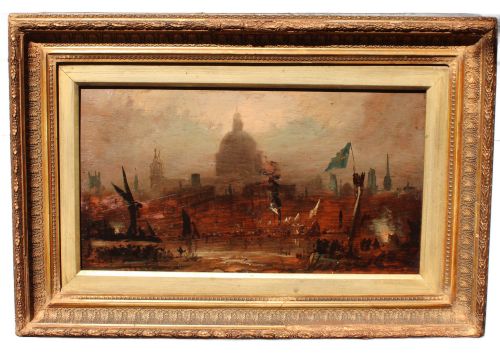
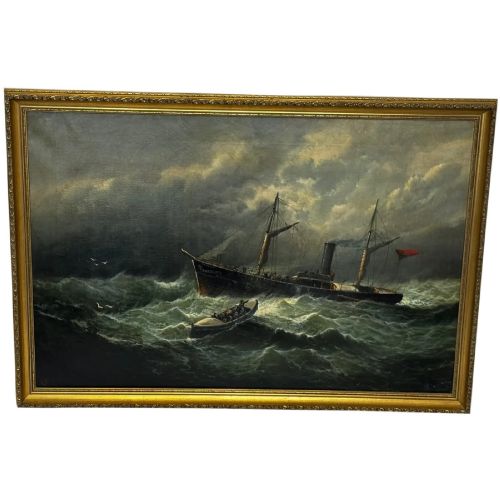
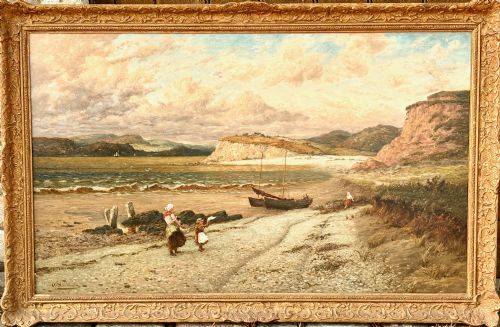
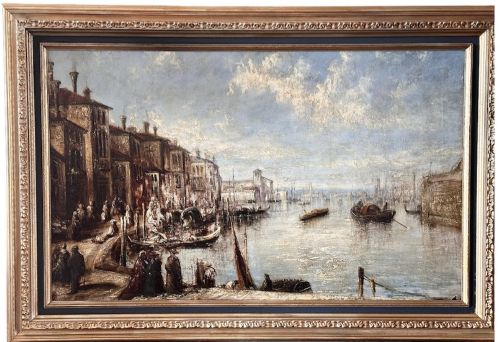
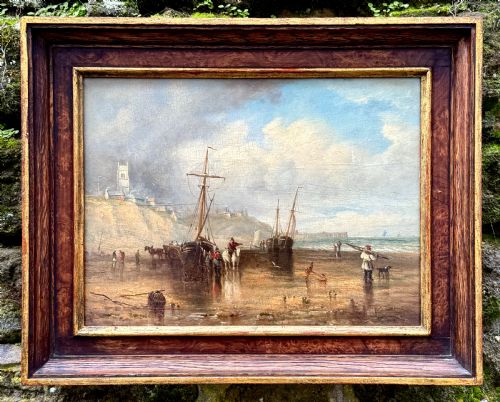
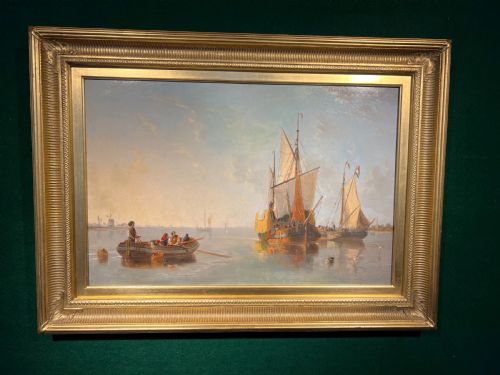
When searching for 19th century maritime oil, collectors examine canvas and panel paintings depicting coastal views, harbour scenes, and open sea voyages. These artworks span the Victorian era, recording naval vessels, merchant ships, and local fishing fleets in varied weather conditions.
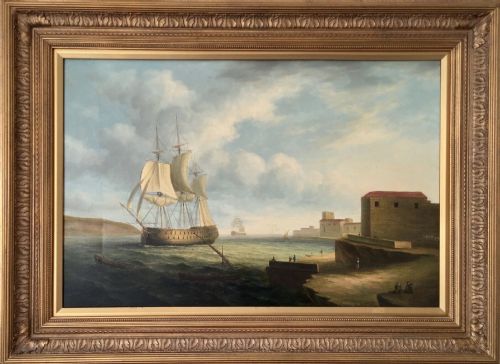
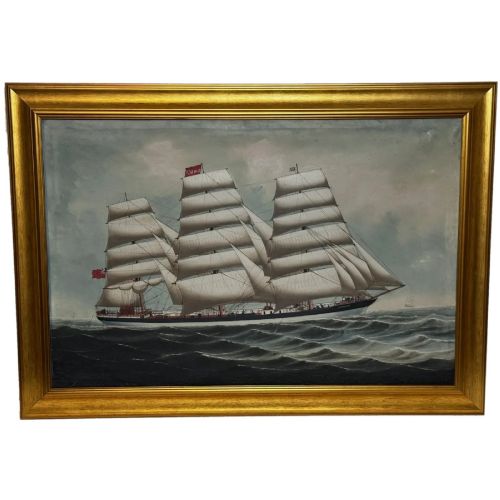
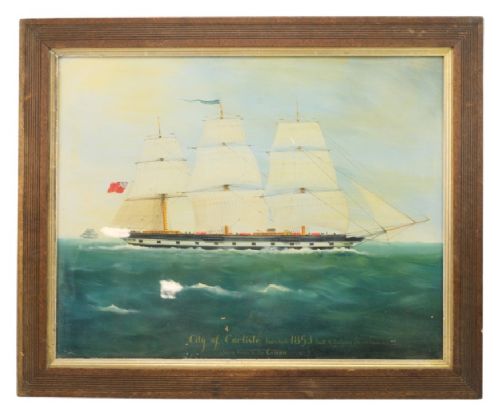
The pieces on this page include specific depictions such as the Lord Mayor's procession on the Thames, vessels near Malta, and stormy coastal waters. Works range from detailed pierhead portraits of named ships to broader topographical views of rivers and ports.
Most examples originate from British, French, Dutch, and Scandinavian schools, reflecting intense nineteenth-century maritime activity. Artists utilised oil paint to render turbulent waves, billowing sails, and changing coastal light with remarkable precision.
Materials and construction
Artists painted primarily with oil paint on prepared canvas, wood panels, or cardboard supports. Canvas was stretched over wooden frames, whilst panels provided a rigid surface often favoured for smaller coastal studies.
Many surviving works retain their original gilt wood, giltwood, or gesso frames, occasionally enhanced with gold leaf. These ornate frames reflect the Victorian preference for rich presentation and decorative wall display.
Artists frequently added tiny figures watching from distant piers, giving nineteenth-century sailors an audience even in the roughest seas.
Evaluating quality and execution
Quality in a 19th century maritime oil rests on the artist's command of atmospheric perspective, accurate rigging detail, and water movement. Superior paintings capture the weight of heavy seas and the specific architectural traits of named vessels rather than generic ship shapes.
The handling of light and shadow distinguishes accomplished studio works from standard coastal views. Stronger compositions balance the expanse of sky and water with narrative elements like figures, smoke from steamships, or distant lighthouses.
William McAlpine·Reginald Arthur Borstel·Edward Mills·John Rose Miles·William Broome·Francis Moltino·Bernard Benedict Hemy·Thomas Creswick·John Wilson Carmichael·Lai Fong·Joseph Farquharson·John Moore of Ipswich·Nicholas Condy·Richard B. Spencer·William Henry Williamson·John Holland·Abraham Hulk I·Charles William Wyllie·William Edward Webb·Gustave De Bréanski·Pieter Cornelis Dommersen·James Kyd·Adrian Van Porten
The 19th Century Maritime Oil Glossary
- Pierhead painting
- A specific record of a commercial ship, usually commissioned by its captain or owner to celebrate a vessel. These works prioritise accurate rendering of the hull and sails over artistic abstraction.
- Marine art
- Depictions of the sea, ships, and coastal life. The genre encompasses naval battles, clipper ships, and quiet fishing harbours.
- Gesso
- A plaster-like mixture applied to wooden frames or panels to create a smooth surface for gilding. It provides the base for decorative gold leaf finishes.
- Oil on canvas
- Pigment suspended in a drying oil medium applied to woven fabric. This combination allows for rich blending and varied surface textures.
- School
- A group of artists working in a similar style or region during a specific period. Examples include the British School and the French School.
19th Century Maritime Oil: Frequently Asked Questions
How do I care for a nineteenth-century oil painting?
Keep the artwork away from direct sunlight and sources of extreme heat to prevent the canvas or wood panel from warping. Maintain a stable room temperature to protect the oil paint and underlying gesso.
Dust the surface gently with a soft, dry brush and avoid using water or chemical cleaners. Professional conservation should be sought for any deeper cleaning or varnish removal.
Were these paintings made as decorative items?
Many nineteenth-century maritime oils served as records of specific ships, heroic rescues, or notable naval events. Owners commissioned them to celebrate maritime commerce or personal connections to the sea.
At the same time, smaller coastal studies were produced for the burgeoning art market of the Victorian era. These appealed to middle-class buyers seeking picturesque views of local harbours and fishing fleets for their homes.
How can I tell if a painting is Victorian?
Examine the materials and framing techniques, as Victorian works often utilise specific canvas preparations and heavy giltwood frames. Subject matter such as steamships, clipper vessels, and named local ports also points directly to nineteenth-century developments.
Signatures, dates, and inscriptions on the reverse of the canvas provide further clues. Comparing the handling of light and rigging to documented works by known nineteenth-century artists helps confirm the period.
What is the difference between marine art and maritime art?
The terms are frequently used interchangeably to describe nineteenth-century works depicting the sea, ships, and coastal environments. Some collectors distinguish marine art as focusing primarily on the water and naval warfare, whilst maritime art includes shore-based activities.
Both categories encompass pierhead paintings, stormy seascapes, and calm harbour scenes. The distinction depends more on the specific focus of the individual composition than any strict historical definition.