


Framed Coastal Sunset Painting
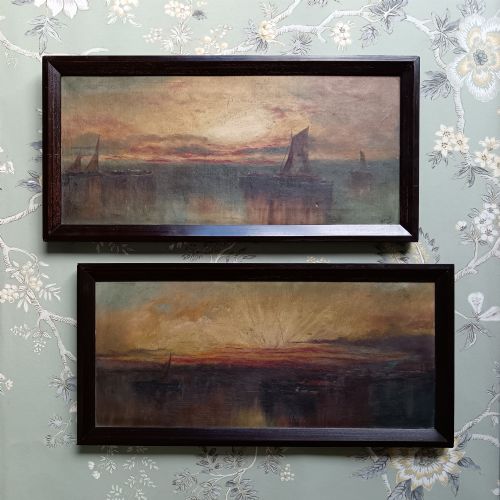
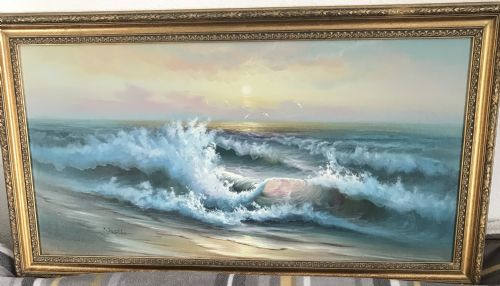
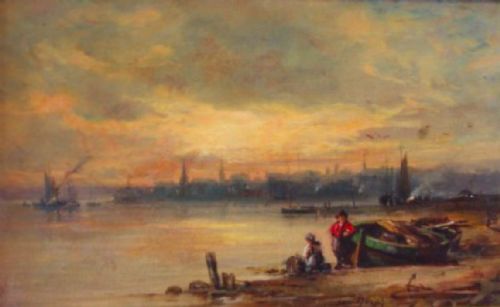
These framed coastal sunset painting examples capture fading light over water, offering a warm focal point for a traditional or eclectic interior.
Framed Coastal Sunset Painting
A framed coastal sunset painting brings the atmospheric glow of evening tides, shores, and harbours directly into a room. These works span Edwardian marine art, Victorian marine art, impressionist marine, and mid-century French fine art traditions.
Most examples found here utilise oil paint on canvas or watercolour on paper to render marine horizons, breaking waves, and silhouetted boats. Artists set these scenes along British, Scottish, and French coasts, capturing fading daylight across water.
The framing often matches the period of the art, employing moulded wood, gesso, and gold leaf to complete the presentation. Buyers will encounter both intimate watercolours and larger oil paintings from the nineteenth and twentieth centuries.
Materials and construction
Canvas stretched over wooden frames serves as the primary support for the oil paintings, while heavy watercolour paper holds pigment in the works on paper. Artists applied oil paint and watercolour to build luminous skies and reflective coastal waters.
Moulded wooden frames finished with gesso and gold leaf provide the structural border and decorative presentation for the canvases and watercolours. These frames frequently bear the marks of age, complementing the patinated surfaces of the paintings within.
The inventory spans the nineteenth century, the Edwardian period, and the nineteen-fifties and sixties.
Judging quality in coastal sunset works
Quality rests in the artist's ability to render light, water movement, and atmospheric perspective convincingly across the canvas or paper. Stronger works demonstrate confident brushwork and a balanced composition that holds the viewer's eye on the fading horizon.
The integrity of the original wood and gesso framing contributes significantly to the overall presence of the piece. Surviving signatures and attribution to recorded painters distinguish more notable works from anonymous studio output.
B. Nash·Roger de la Corbiere·Hirst Walker RBA·William Langley·Lennard Lewis RA·Walter Holmes·Walter Williams·Samuel Bough RSA
The Framed Coastal Sunset Painting Glossary
- Gesso
- A plaster-like mixture applied to wooden frames before gilding or painting to create a smooth, sculptural surface. It provides the base for decorative mouldings.
- Watercolour
- A paint consisting of pigment suspended in a water-based solution, typically applied to paper. It creates luminous, translucent washes of colour.
- Impressionist marine
- A painting style focused on capturing the visual impression of the moment, particularly the shifting light and colour on the sea. It prioritises light effects over strict topographical detail.
- Gold leaf
- Extremely thin sheets of beaten gold applied to gessoed wooden frames. It adds a warm, reflective border that enhances the colours of the sunset within.
Framed Coastal Sunset Painting: Frequently Asked Questions
How should I hang a framed coastal sunset painting?
Position the painting at eye level on a wall with balanced ambient lighting to appreciate the painted surface without excessive glare from the glass or varnish.
Keep the piece away from direct sunlight and damp environments to protect the canvas, paper, and antique wooden frame from deterioration over time.
What periods do these coastal sunset paintings come from?
The selection spans from the nineteenth century through the Edwardian era and into the mid-twentieth century. Victorian and Edwardian examples sit alongside later twentieth-century interpretations.
Each period brings distinct framing materials and painting styles, from traditional British realism to impressionist marine approaches.
How do I care for an antique oil painting?
Dust the surface and the gilded frame gently with a soft, dry brush on a regular basis. Avoid using water or chemical cleaners on the paint or gesso.
Maintain a stable room temperature and humidity level to prevent the canvas from sagging and the wooden frame from splitting.
What is the difference between oil and watercolour versions?
Oil paintings utilise pigment bound in oil on canvas, offering rich textures, visible brushstrokes, and deep colour saturation. They usually require protective wooden frames rather than glass.
Watercolour paintings use water-based pigments on paper, presenting a lighter, more transparent finish that is typically displayed behind glass to prevent moisture damage.