

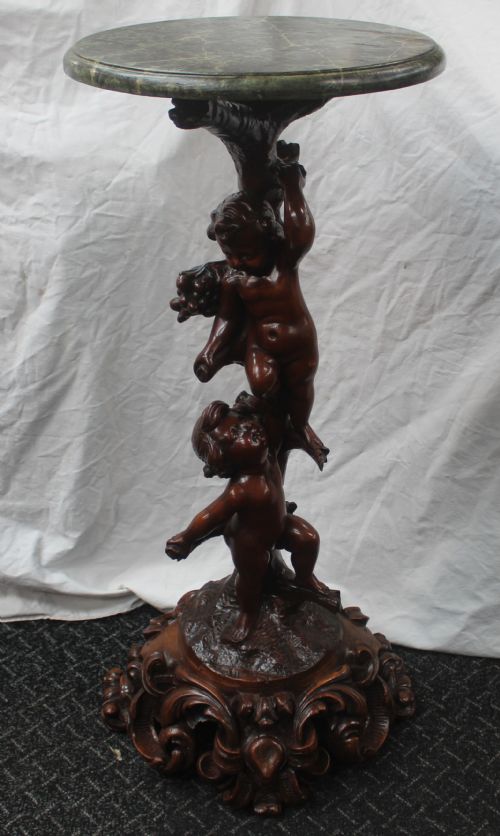
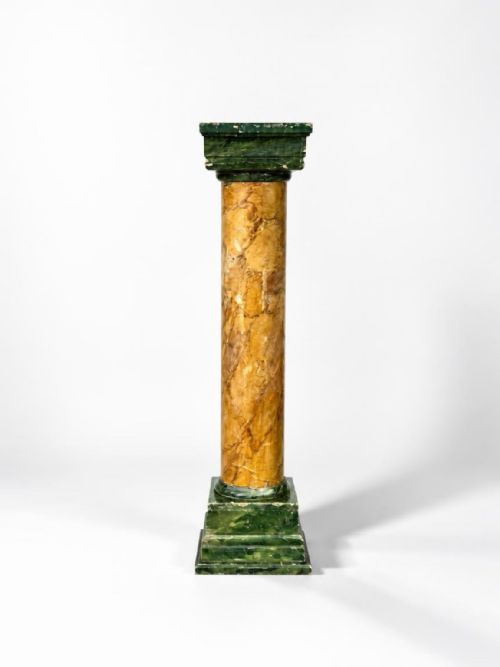
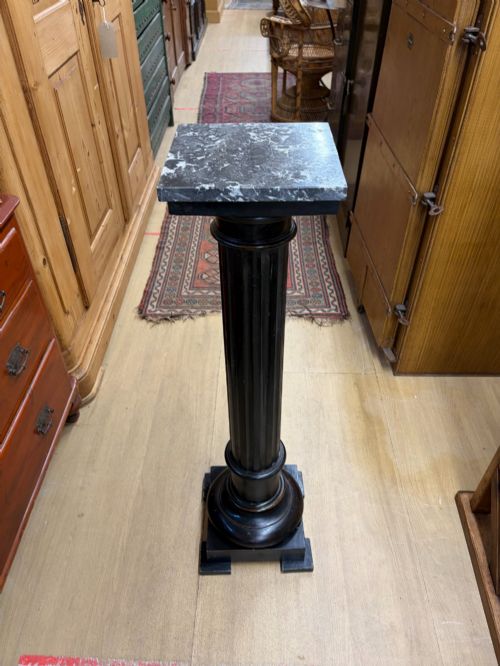
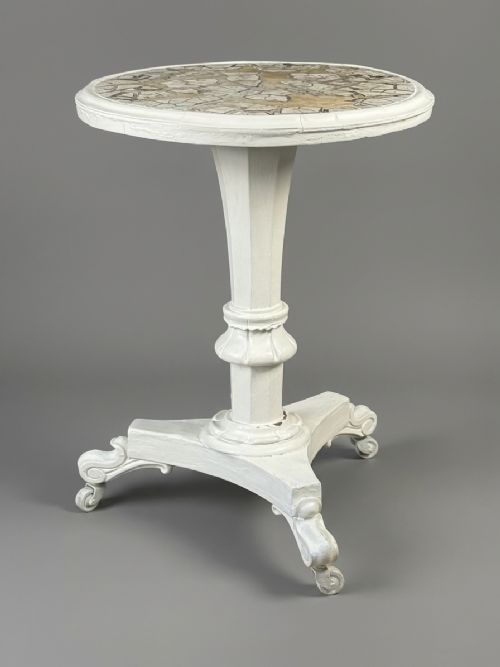

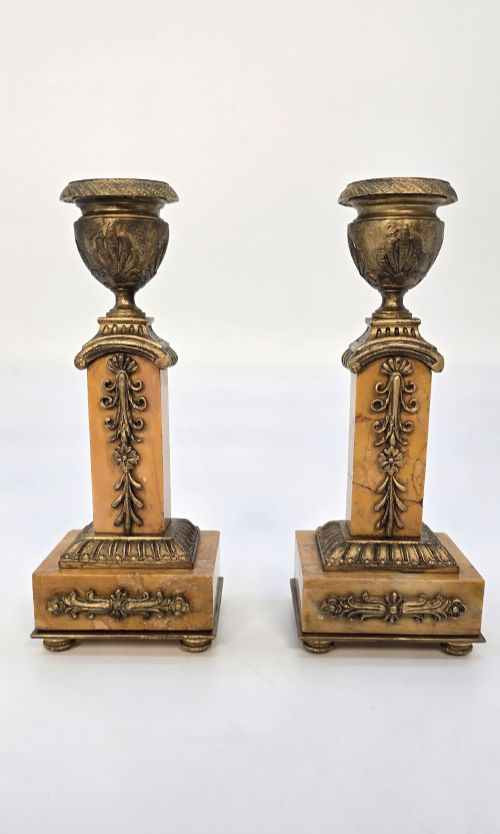
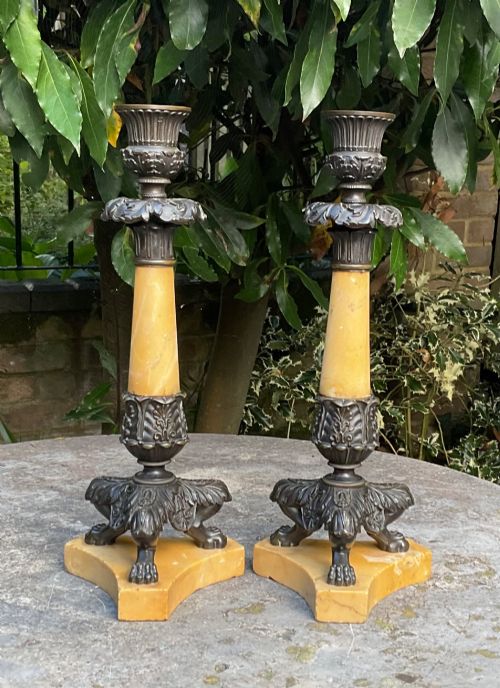

19th Century Marble Stand
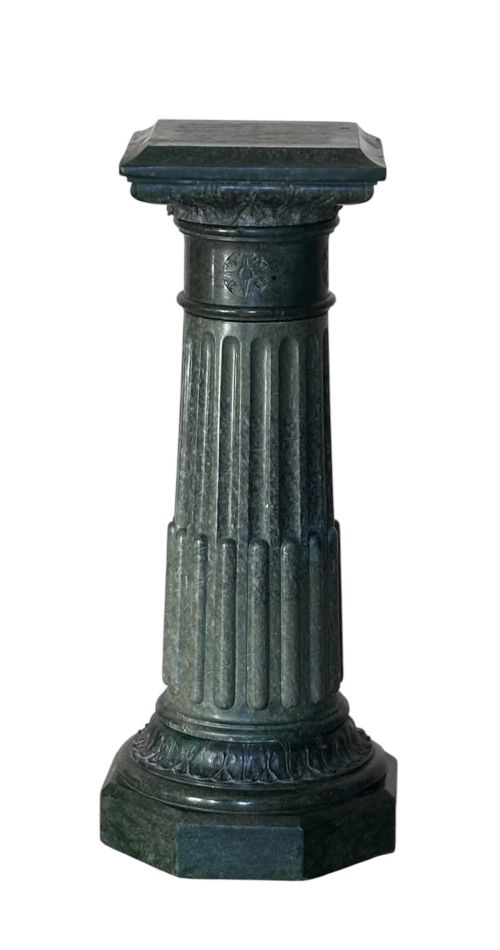
These items bring a solid surface and structural presence to a room, functioning as 19th century marble stand examples for display or utility.
19th Century Marble Stand
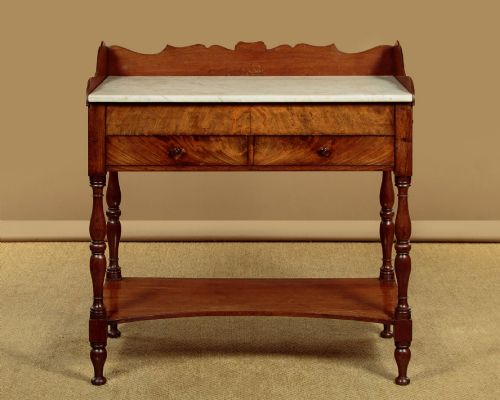
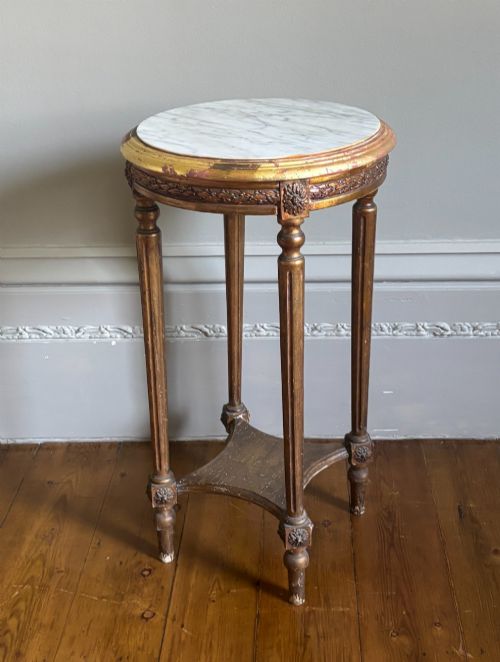
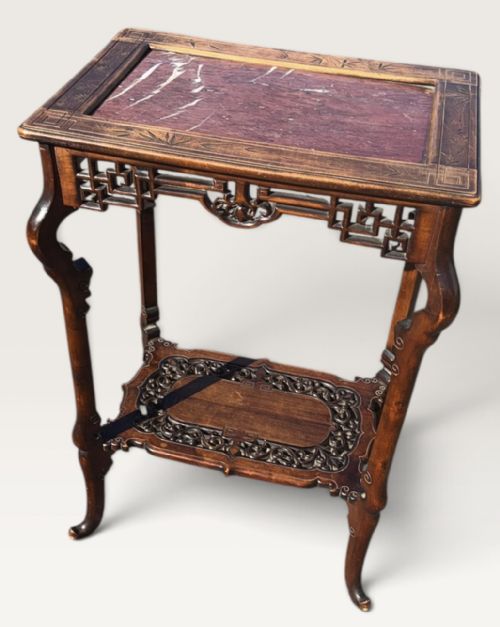
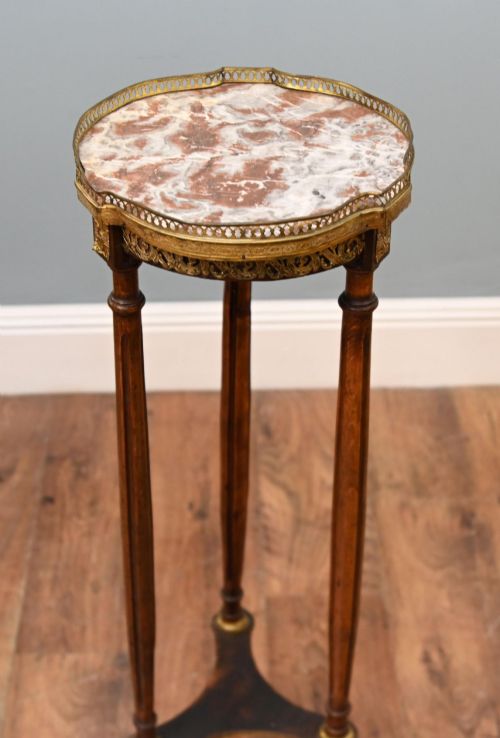
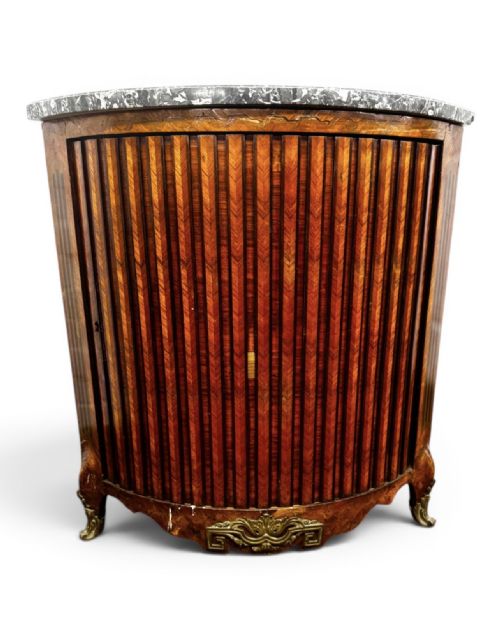
A 19th century marble stand spans diverse forms including occasional tables, columns, pedestals, washstands, and plant stands intended for decorative or functional interior placement. These items emerge from various cultural traditions, encompassing European Regency and Victorian designs alongside Chinese Qing Dynasty hardwood forms.
The objects combine stone tops or structural stone elements with supporting frames made of wood, bronze, or iron. The most frequent configurations on this page include Chinese hardwood pot stands with inset marble panels and French or English occasional tables topped with white or coloured stone.
Makers and artisans across Europe and Asia utilised local stones, imported hardwoods, and cast metals to create surfaces capable of supporting heavy decorative objects, lighting, or wash equipment. Surviving pieces range from simple utilitarian washstands to elaborate Grand Tour columns and gilt bronze mounted tables.
How They Were Made
Constructors combined heavy stone slabs, such as Carrara, Verde Antico, or Ashford marble, with supporting frameworks of mahogany, rosewood, tulipwood, or cast bronze. Artisans shaped the stone through sawing, grinding, and polishing, often setting circular or rectangular panels directly into recessed wooden frames.
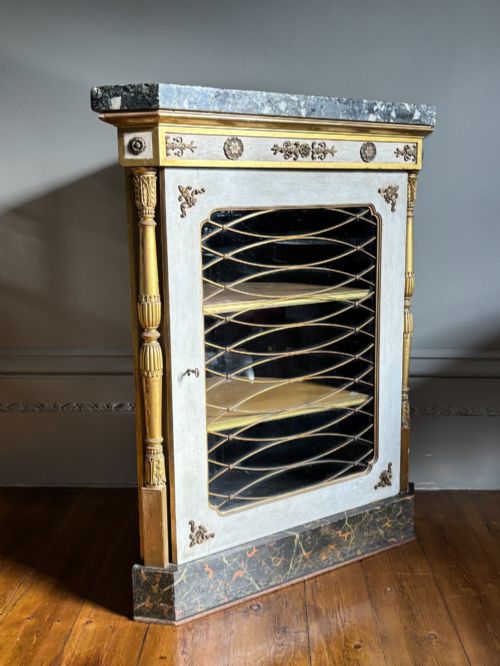
Metal components involved casting bronze or brass, frequently utilising ormolu or gilding techniques to add decorative contrast to the stone elements. Woodworkers employed traditional joinery techniques, turning and carving hardwoods to produce sturdy legs, columns, and aprons that could support the considerable weight of marble.
19th Century Marble Stand Retail Price Guide 2026
Typical asking prices for 19th century marble stand among the pieces listed under this phrase on Sellingantiques today, from the lower quarter to the upper quarter. They describe what is for sale here now, not the wider market.
Rootwood tables appear alongside formal columns, proving that nineteenth-century artisans occasionally let gnawed tree roots dictate the furniture.
What Varies in Quality
Quality depends upon the purity and selection of the stone, where finely figured specimen marbles or evenly veined Carrara panels indicate superior craftsmanship. The precision of the joinery in the supporting wooden frames or the crispness of casting in bronze and ormolu mounts further distinguishes finer examples.
Proportion and decorative integration dictate the standing of a piece, as master carvers achieved balanced weight distribution and harmonious contrast between stone tops and carved bases. Pieces demonstrating refined proportions and intact original surfaces represent the higher tier of surviving items.
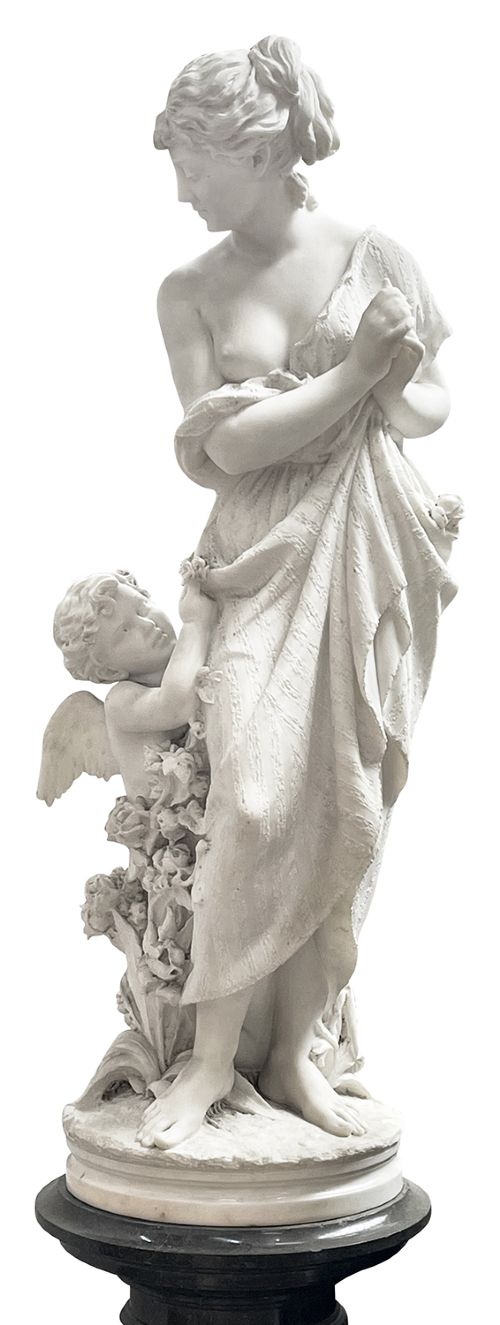
Romanelli·Gabriel Viardot
The 19th Century Marble Stand Glossary
- Ormolu
- Gilt bronze mounted on furniture or decorative objects. This technique involves applying a gold-mercury amalgam to bronze.
- Scagliola
- A composite substance made from selenite, glue, and pigments, mimicking natural marble. Artisans inlay this material to create intricate patterns.
- Hongmu
- A traditional Chinese term for dense hardwoods used in furniture making. These durable woods accommodate intricate hand carving.
- Grand Tour
- A cultural journey undertaken by nineteenth-century Europeans to collect antiquities and souvenir art. Objects from this context often incorporate classical architectural motifs.
- Specimen marble
- Pertaining to decorative work assembled from multiple small pieces of differently coloured stones. This technique creates geometric or pictorial mosaic patterns.
19th Century Marble Stand: Frequently Asked Questions
What were marble stands used for?
Nineteenth-century households utilised these stands to display heavy items such as sculptures, candelabras, and potted plants without risking heat or moisture damage to wooden furniture. Washstands provided a stable, water-resistant surface for basins and ewers in bedrooms.
Smaller occasional tables served next to seating areas to hold lamps, writing implements, or decorative objects. Their sturdy stone tops offered practical durability for daily household routines.
How do I care for marble tops?
Clean stone surfaces using a soft cloth dampened with warm water and mild, pH-neutral soap. Avoid acidic cleaners, vinegar, or citrus products that etch polished marble.
Protect the stone from abrasive objects by placing felt pads under heavy items placed on top. Periodic application of a suitable stone sealer helps guard against staining from accidental liquid spills.
How are French and Chinese styles distinguished?
French pieces from the nineteenth century frequently exhibit Neoclassical, Empire, or Rococo revival characteristics, incorporating gilt bronze, ormolu, and shaped wooden frames. The ornamentation often draws inspiration from classical European architecture.
Chinese stands typically feature carved dense hardwoods, such as hongmu or rosewood, with inset marble panels fitted without metal fasteners. Their forms range from low jardiniere stands to taller pedestals, emphasising natural wood grain and traditional mortise-and-tenon joinery.
What indicates a Grand Tour piece?
Grand Tour items often utilise classical architectural materials like Verde Antico, scagliola, or patinated bronze to evoke ancient monuments. These objects were acquired by travellers touring Italy and other historical European sites.
Items frequently include miniature columns, inkwells, and architectural fragments designed for display on desks or side tables. Their construction reflects a nineteenth-century fascination with classical antiquity.