

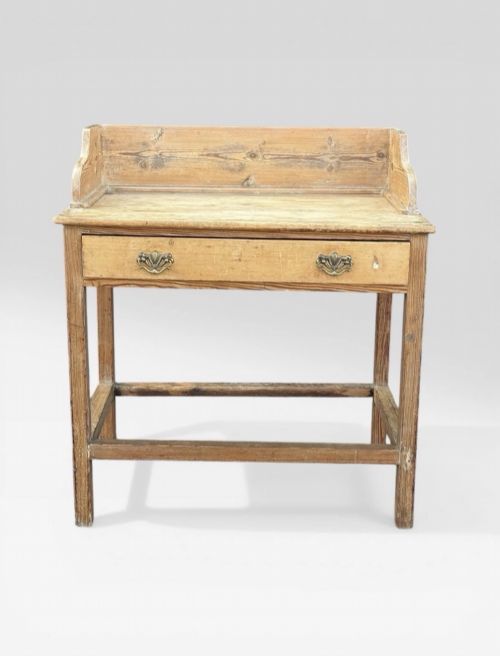


Victorian Washstand with Drawers
Victorian washstand with drawers pieces combine practical daily utility with period character, offering functional storage and distinctive surfaces for a traditional bedroom or living space.
Victorian Washstand with Drawers
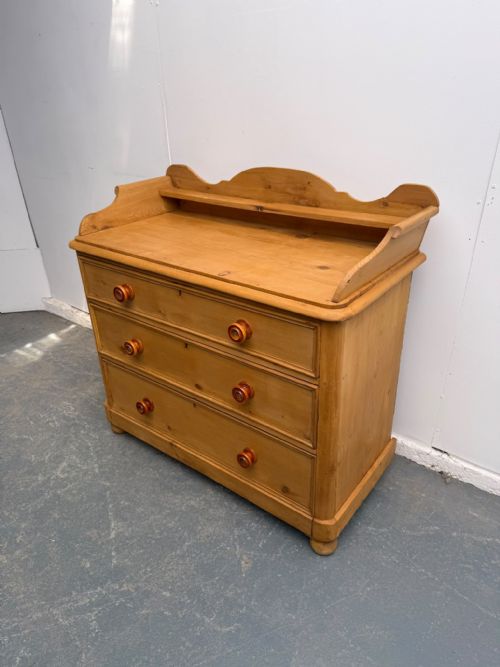
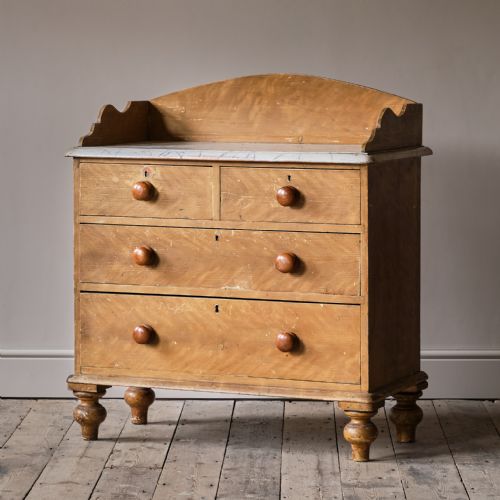
When you search for a victorian washstand with drawers, you encounter utilitarian bedroom furniture designed during the nineteenth century to hold washing equipment while providing enclosed storage. These items typically feature timber frames equipped with functional drawer compartments beneath the main surface.
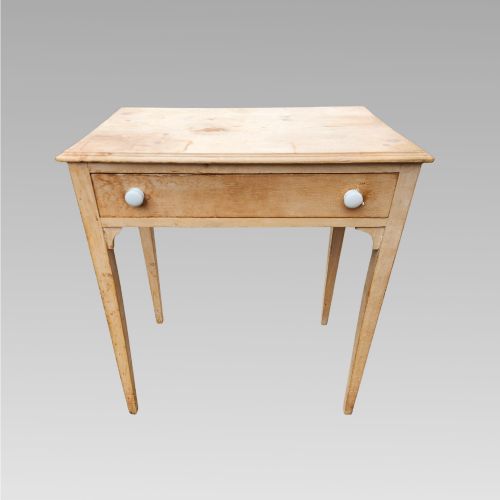
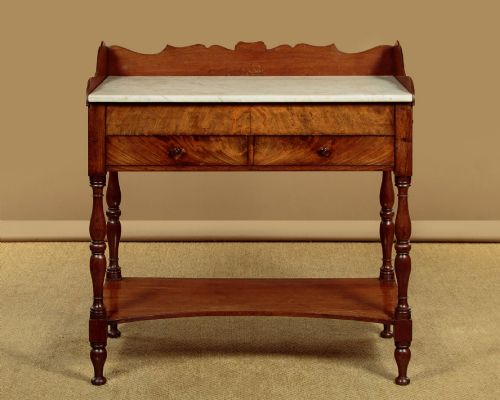
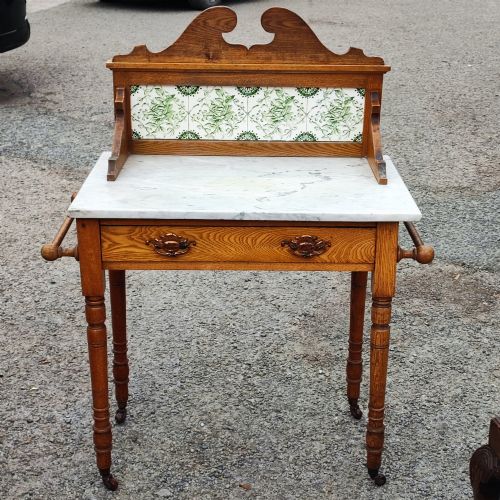
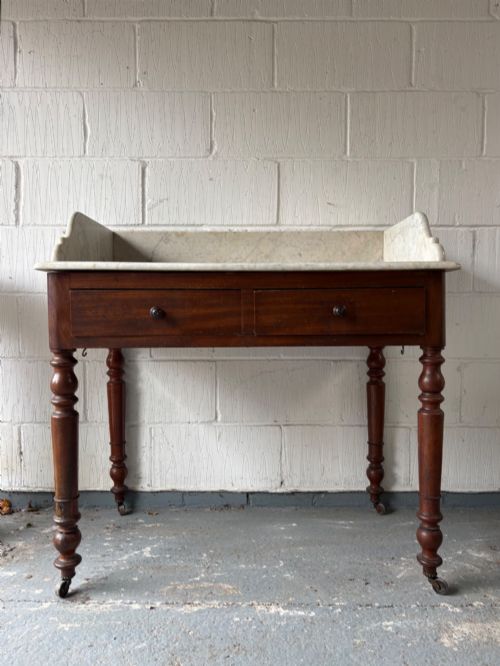
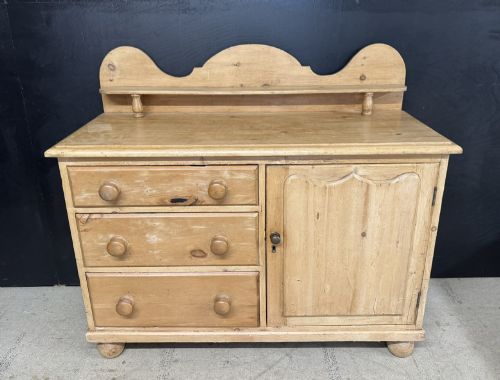
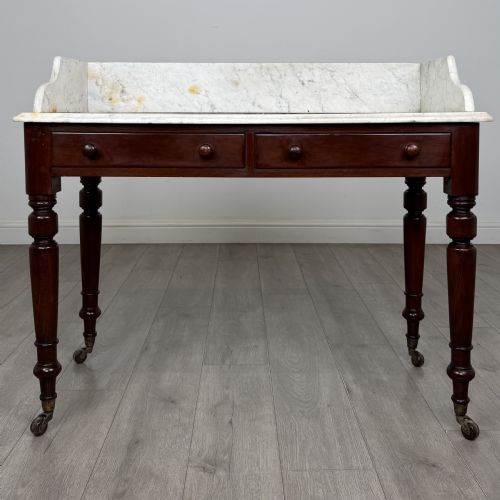
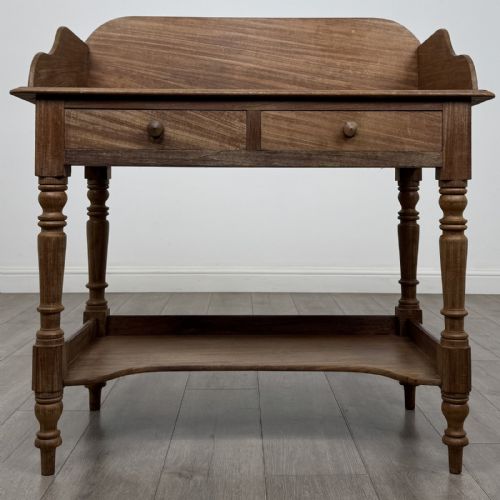
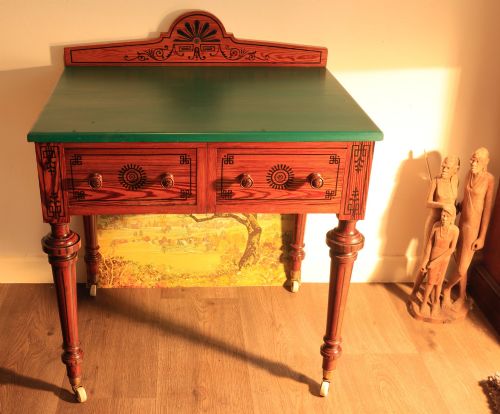
The versions most commonly met on this page span the Victorian period and nineteenth century, appearing in woods such as mahogany and pine. Many examples incorporate protective marble tops, raised gallery backs, and brass castors for mobility.
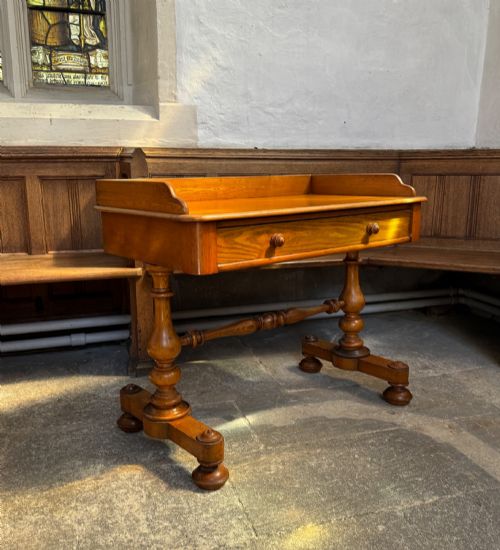
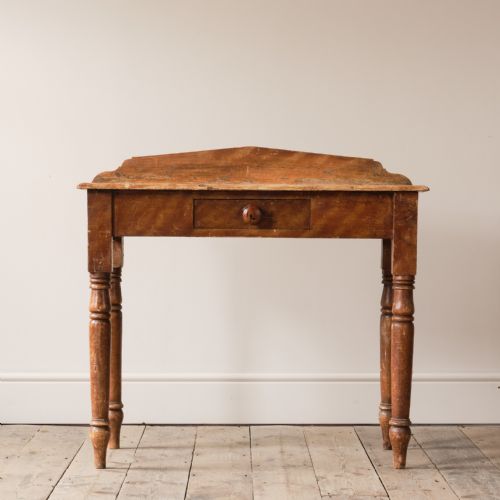
Alternative forms occasionally surface alongside standard washstands, including side tables, console tables, and dressing chests sharing the same period aesthetic. These related pieces maintain the characteristic proportions and drawer arrangements typical of nineteenth-century domestic furniture.
How they were made
Construction relies heavily on traditional cabinet timbers like solid mahogany and pine, often finished with wax or retained in original paint. Carpenters utilised durable joinery to withstand the daily demands of domestic washing routines.
Surface treatments frequently include fitted Carrara marble tops designed to resist water splashes, paired with raised wooden gallery backs. Details such as brass castors and turned wooden handles complete the construction of these functional pieces.
Victorian Washstand with Drawers Retail Price Guide 2026
Typical asking prices for victorian washstand with drawers among the pieces listed under this phrase on Sellingantiques today, from the lower quarter to the upper quarter. They describe what is for sale here now, not the wider market.
Listings feature items from the Victorian period, utilising mahogany, pine, and Carrara marble.
What varies in quality
The calibre of a nineteenth-century washstand rests on the choice of primary materials, ranging from plain pine in original paint to figured mahogany with heavy marble slabs. Superior examples often integrate finer details like raised galleries and maker stamps.
Proportion and structural integrity distinguish individual pieces, particularly where drawers operate smoothly within the wooden frame. The presence of original fittings, including brass castors, contributes significantly to the overall integrity of the piece.
J. Shoolbred
The Victorian Washstand with Drawers Glossary
- Gallery
- A raised wooden edge or rail running along the back and sides of the washstand top. This feature protects bedroom walls from splashes and keeps items secure.
- Carrara marble
- A specific type of white or blue-grey marble sourced from Italy. It provides a durable, water-resistant surface ideally suited for washing stands.
- Castors
- Small wheel attachments fitted to the base of the furniture legs. They allow the washstand to be moved easily across floor surfaces.
- Pitch pine
- A resinous softwood commonly utilised in nineteenth-century cabinet making. It offers durability and a distinct grain pattern.
- Arts and Crafts
- A design movement focusing on traditional craftsmanship and simple forms. Pieces from this style often feature honest construction methods and minimal ornamentation.
Victorian Washstand with Drawers: Frequently Asked Questions
What is a victorian washstand with drawers?
A nineteenth-century furniture piece designed to hold a basin and jug for morning ablutions. These items incorporate integrated drawer storage beneath the top surface.
They served as essential bedroom furniture before plumbed bathrooms became standard in residential homes.
How were marble top washstands used?
The marble surface provided a waterproof platform for heavy ceramic wash bowls and pitchers. Drawers held linen, soap, and personal grooming accessories.
Households relied on this setup for daily washing before running water was installed in bedrooms.
How do I identify a Victorian piece?
Look for characteristic nineteenth-century timber choices such as solid mahogany and pitch pine. Construction methods typically involve hand-cut dovetails and traditional joinery.
Hardware like brass castors and raised gallery backs also point to the Victorian era of domestic manufacturing.
Can I use a washstand today?
These tables adapt well to modern interiors as hallway consoles or side tables. The marble surfaces remain practical for everyday placement in various rooms.
Drawers provide convenient storage for small household items while retaining historical character.