
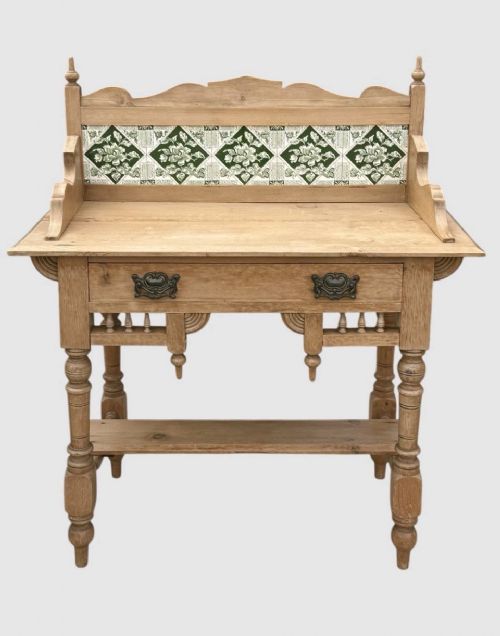


Antique Bathroom Vanity Table
An antique bathroom vanity table is essentially a traditional washstand reimagined for modern use, offering genuine period character alongside a stone surface and practical storage.
Antique Bathroom Vanity Table
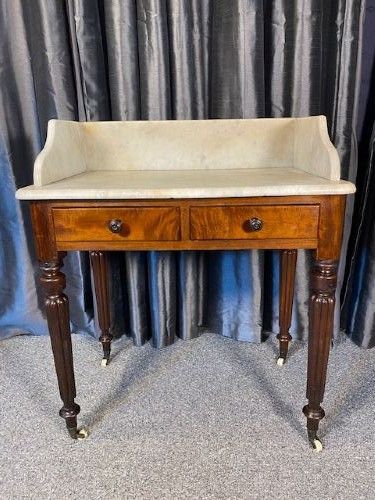
An antique bathroom vanity table is found here primarily in the form of traditional washstands originating from the Victorian and Edwardian eras. These washstands were originally designed for bedroom ablutions before plumbed bathrooms became standard, yet their marble tops and sturdy timber frames adapt readily to contemporary bathroom settings.
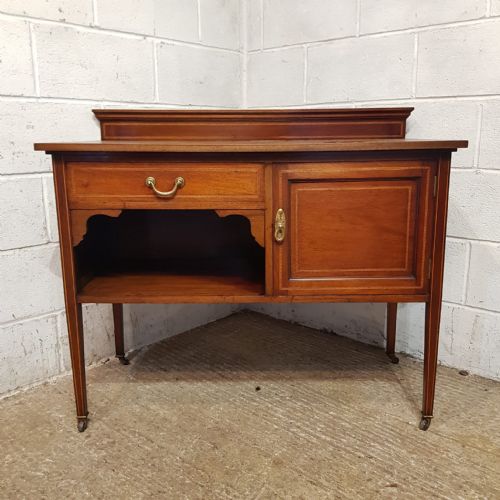
The pieces listed span the nineteenth and early twentieth centuries, encompassing Victorian, Edwardian, and Art Deco periods. Buyers frequently encounter Edwardian mahogany or walnut examples paired with stone surfaces, alongside rustic pine and painted variants.
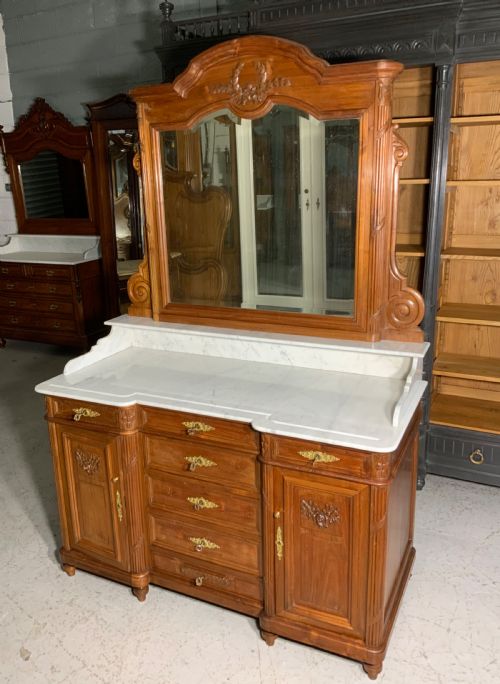
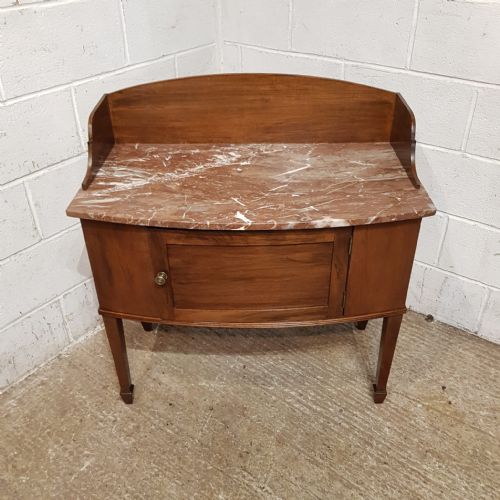
Makers and designers of the period worked within distinct aesthetic movements, producing everything from French Rococo Revival and Arts and Crafts pieces to bow-fronted designs and aesthetic style washstands. Each object type functions effectively as a wash stand or basin unit today.
How they were made
Makers utilised solid timbers such as mahogany, walnut, satinbirch, oak, and pine to construct the robust frames necessary to support heavy stone. Joinery methods relied on traditional cabinetmaking techniques to ensure stability across decades of daily use in domestic bedchambers.
Slab marble served as the definitive top surface to resist water splashing during washing, frequently complemented by ceramic tiles set into a low splashback. Brass hardware, metal brackets, and inset ceramic basins completed the construction of these functional furniture items.
Victorian washstands once concealed the morning washbasin behind closed doors, keeping bedroom water jugs safely out of sight until needed.
What varies in quality
Quality rests significantly upon the choice of timber and the natural figuring of the grain, with selected mahogany and satinbirch sitting apart from utility pine. The thickness, colouration, and veining of the marble top further distinguish standard production from finer cabinet work.
The ambition of the design dictates the overall standard, moving from plain painted pine wash stands to carved French Rococo Revival pieces or detailed aesthetic movement framing. Original hardware, intact ceramic tiles, and well-executed decorative carving elevate the standing of an individual piece.
The Antique Bathroom Vanity Table Glossary
- Washstand
- A piece of bedroom furniture designed to hold a basin, jug, and washing accessories. They form the direct historical precedent for the modern bathroom vanity table.
- Marble top
- A polished stone slab fitted to the upper surface of the washstand to provide a waterproof working area. This material offers both durability and resistance to moisture.
- Aesthetic Movement
- A late nineteenth-century design style emphasising visual beauty over narrative or moral function. Pieces from this movement often display refined lines and artistic detailing.
- Splashback
- A raised vertical panel attached to the rear of the washstand to protect the wall from water splashes. These often incorporate decorative ceramic tiles or matching timber.
- Bow front
- A convex curved cabinet front that softens the angles of the furniture piece. This shaping demands advanced woodworking skill from the maker.
Antique Bathroom Vanity Table: Frequently Asked Questions
How do I use an antique washstand as a vanity?
These pieces accommodate modern plumbing through careful adaptation by a professional installer. The solid timber top provides ample space for a countertop basin and tap fixtures.
Lower storage areas and cupboards typically conceal modern pipework while retaining the external period appearance of the cabinet.
Are marble tops original to these tables?
Most pieces from the Victorian and Edwardian periods retain their fitted marble tops, which were standard for wash furniture. The stone protected the wood underneath from water damage during daily use.
Matching the stone thickness and edge profile helps determine historical accuracy when evaluating an individual table.
How do I clean a marble top safely?
Gentle soap and warm water suit polished stone surfaces best, avoiding acidic cleaners that etch the marble. Regular wiping preserves the natural finish against cosmetic marks from modern toiletries.
Professional sealing compounds can also protect older stone surfaces from moisture penetration.
What is the difference between Victorian and Edwardian washstands?
Victorian examples often feature heavier proportions, darker timbers like mahogany and walnut, and elaborate aesthetic detailing. They frequently utilise rich wood grains and decorative tile inserts.
Edwardian pieces tend to display lighter framing, simpler lines, and a greater use of satinbirch or painted pine finishes suited to brighter rooms.