

19th Century Mantel Urns
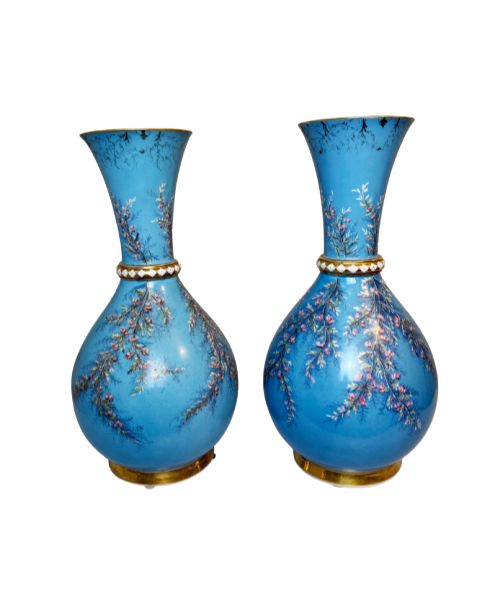
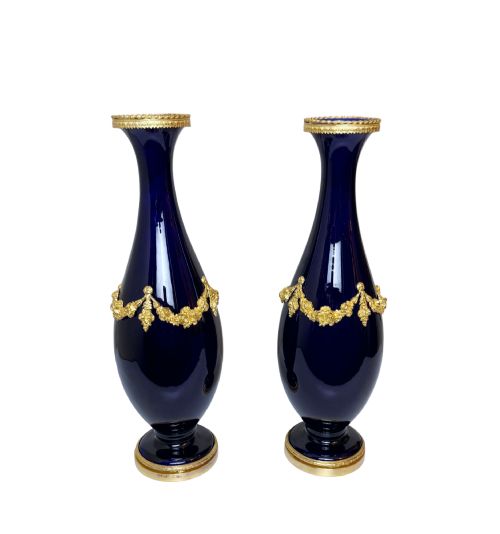
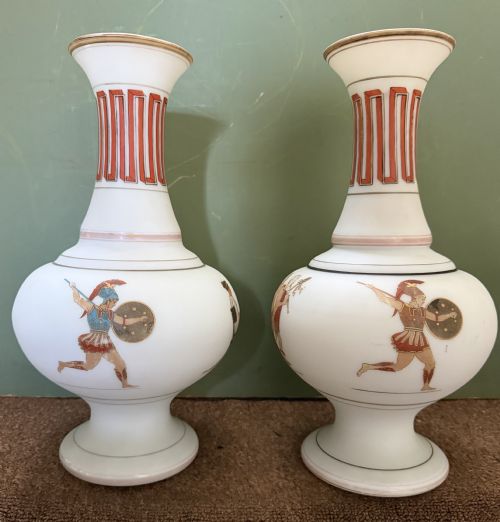
19th century mantel urns are decorative vessels and garnitures placed upon fireplace shelves, combining sculptural metalwork and painted ceramics to anchor a formal interior.
19th Century Mantel Urns
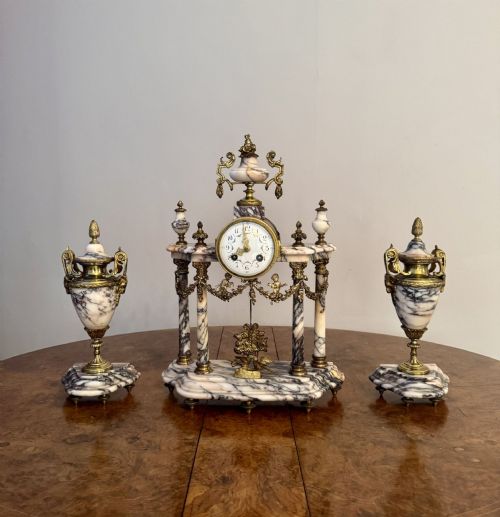
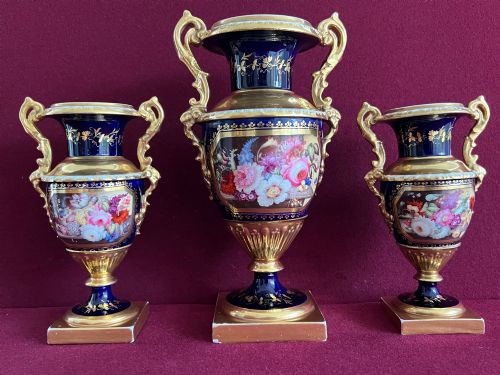
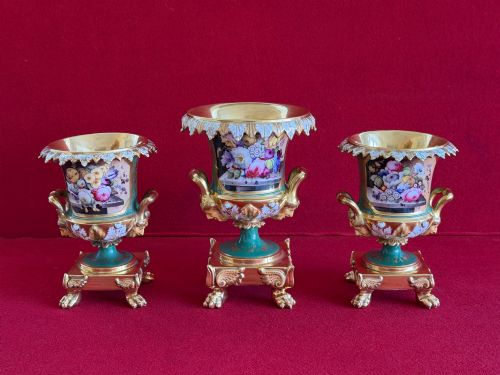
When buyers search for 19th century mantel urns, they encounter matching pairs of decorative vases, campana urns, and central mantel clocks flanked by matching garnitures. These objects originated in workshops across France, Britain, and Italy, serving as symmetrical centrepieces for domestic chimneypieces.
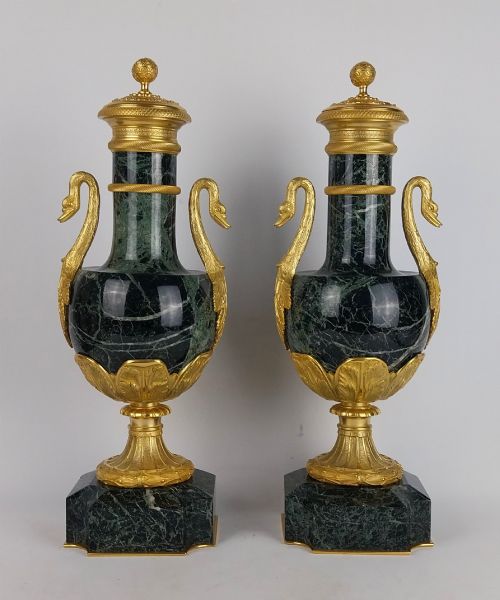
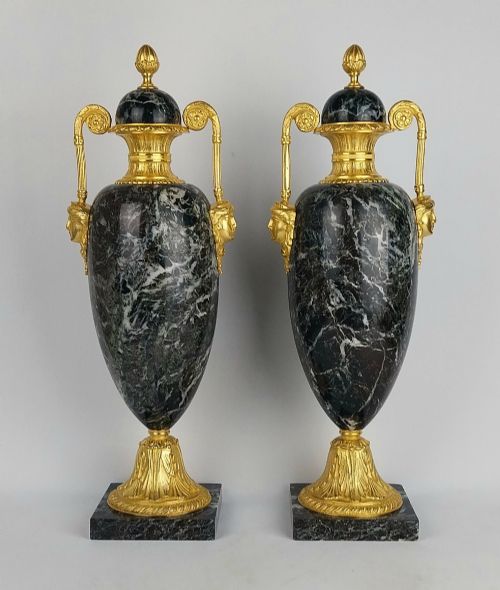
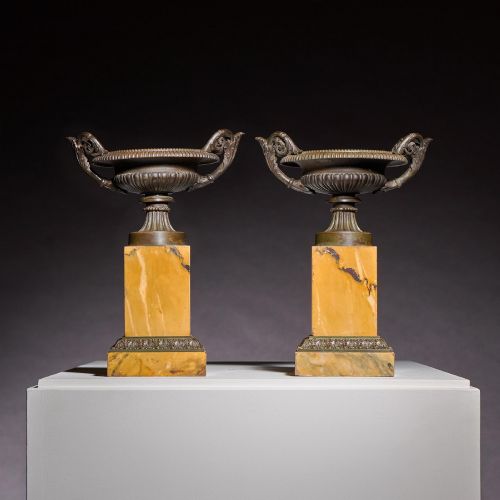
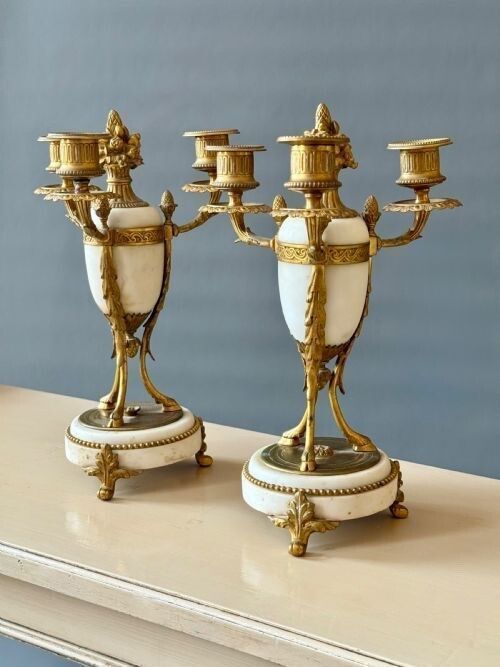
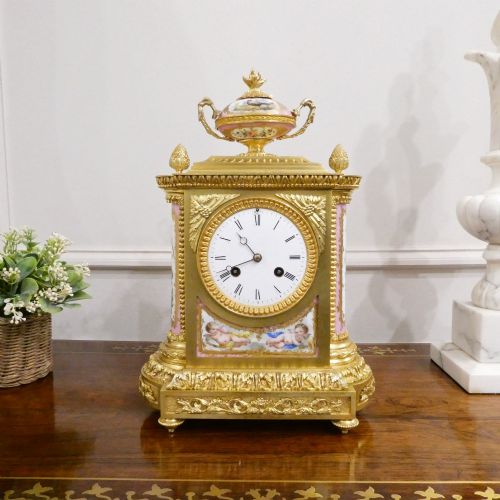
The version most commonly met on this page is the French bronze and marble urn or clock garniture dating from the second half of the century. Such pieces often draw upon neoclassical, Louis XVI revival, or baroque design motifs, reflecting the historicism popular during the Victorian and Meiji periods.
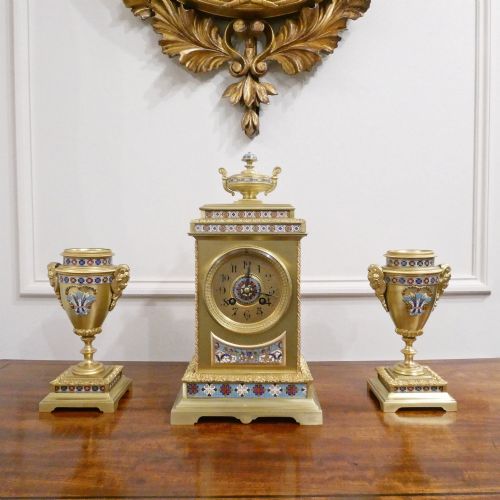
Beyond standard ceramic vessels, the category encompasses gilt bronze tazzas, spelter campana urns on stepped plinth bases, and cloisonné or champlevé enamel pieces. These diverse forms share a common purpose of ornamental display upon a mantel shelf.
Materials and Construction Techniques
The manufacture of these pieces relies heavily on cast metals such as bronze, ormolu, and spelter, frequently combined with carved natural stones including white marble, Siena marble, and white onyx. Foundries cast these components in sections before finishing them with patination, gilding, or fire-gilding.
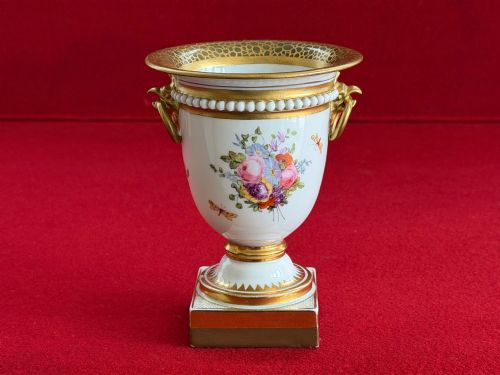
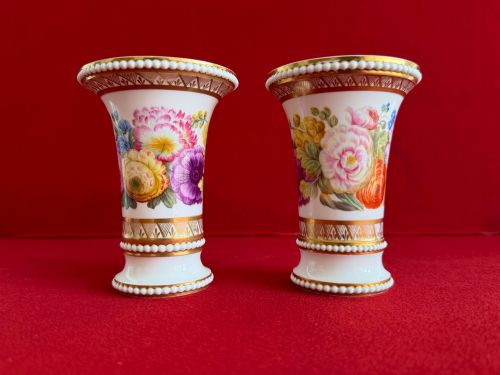
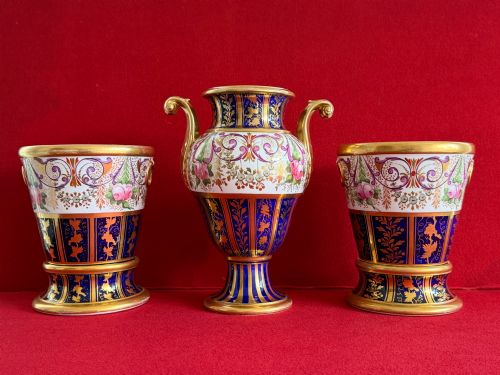
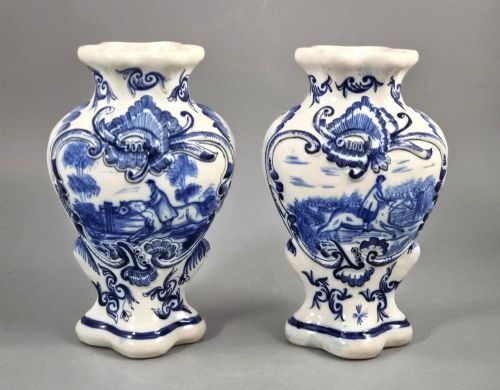
Ceramic elements utilise hard-paste porcelain, earthenware, or faience, often painted by hand with floral motifs, pastoral scenes, or orientalist designs. Where enamel is present, artisans employ champlevé techniques to fuse coloured glass pastes into recessed metal channels.
Many items incorporate mixed media, pairing turned walnut or glass bodies with cast metal mounts, handles styled as bacchic masks or egrets, and integrated marble bases. Assembly is achieved through threaded rods and internal fixings rather than simple adhesives.
19th Century Mantel Urns Retail Price Guide 2026
Typical asking prices for 19th century mantel urns among the pieces listed under this phrase on Sellingantiques today, from the lower quarter to the upper quarter. They describe what is for sale here now, not the wider market.
Materials appearing across current items include gilt bronze, ormolu, porcelain, champleve enamel, Siena marble, and turned walnut.
Distinctions in Quality
Quality in these objects is determined by the crispness of the metal chasing and the depth of the casting. Superior pieces exhibit sharply rendered details in foliage, figures, and masks, whereas lesser examples rely on soft, uniform surfaces cast from worn moulds.
The choice of base materials establishes a tier of craftsmanship, distinguishing solid natural marble and heavy fire-gilded bronze from lighter spelter mounts and painted substitutes. The integration of hand-painted porcelain panels by named decorators elevates an object far above standard factory production.
Spode Porcelain·Minton Porcelain·Thomas Steel·Jean-Baptiste Delettrez·Japy Frères·Fourmaintraux-Courquin
The 19th Century Mantel Urns Glossary
- Garniture
- A set of ornamental objects designed to be displayed together, typically comprising a central clock flanked by a matching pair of vases, urns, or candelabra.
- Campana urn
- A bell-shaped vessel with a flared rim and footed base, heavily utilised in classical and neoclassical decorative arts.
- Ormolu
- Finely chopped high-karat gold applied to a bronze base through a mercury amalgamation process, creating a durable golden finish.
- Champlevé
- An enamelling technique where troughs are dug into a metal surface and filled with vitreous paste before firing.
19th Century Mantel Urns: Frequently Asked Questions
How were mantel urns used?
Mantel urns served purely decorative functions rather than practical storage roles, acting as focal points within formal drawing rooms and parlours. They demonstrated the household's taste and appreciation for classical antiquity and refined craftsmanship.
Placed above the hearth, they caught the flickering light of fires and oil lamps, enhancing the ambient atmosphere of the room.
How do I style these urns at home?
To live with these pieces successfully, place them centrally on a mantel shelf, sideboard, or console table where their sculptural profiles can be appreciated without obstruction. Pairing them with mirrors or paintings hung directly above creates a cohesive classical display.
Ensure they are positioned away from high-traffic areas or vibrations that might cause accidental displacement from elevated surfaces.
How do I tell periods apart?
Differentiating periods involves examining the stylistic revival cues, such as the restrained lines of Regency pieces compared to the more exuberant decoration of late Victorian or Louis XVI revival items. Material combinations, such as early nineteenth-century soft-paste or hard-paste porcelain versus later spelter and champlevé, provide further chronological clues.
Maker marks, foundry stamps, and pattern numbers stamped into the base or movement backplates offer the most reliable dating evidence.