

19th Century Mahogany Stool
A 19th century mahogany stool brings architectural timber warmth and classic upholstered comfort to traditional and modern interiors alike.
19th Century Mahogany Stool
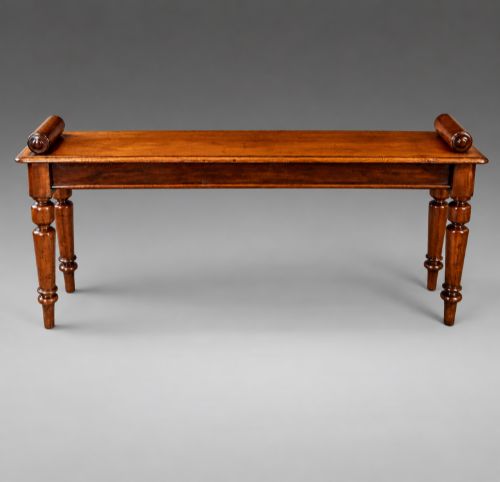
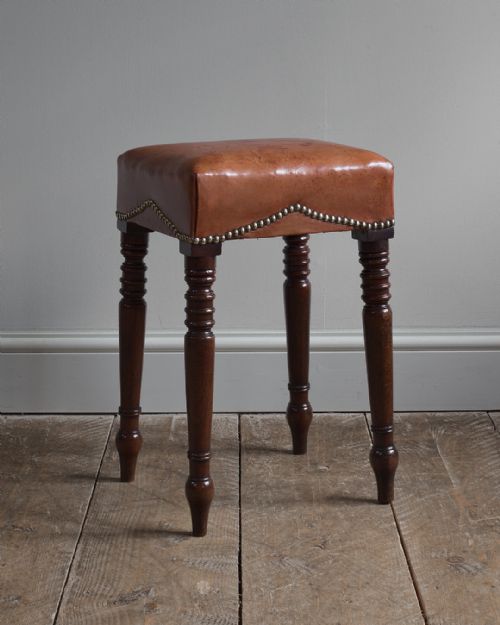
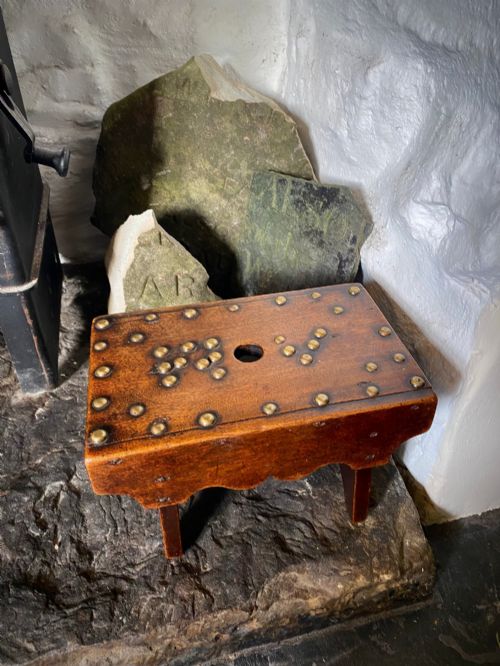
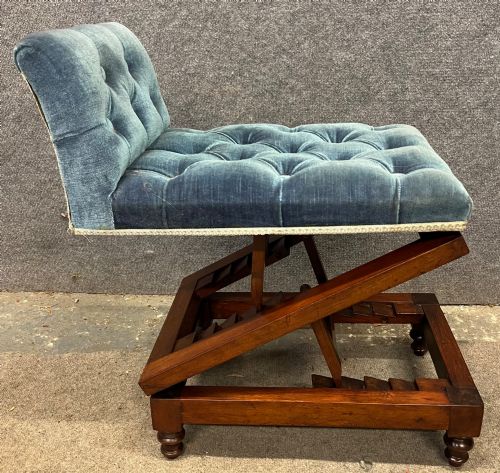
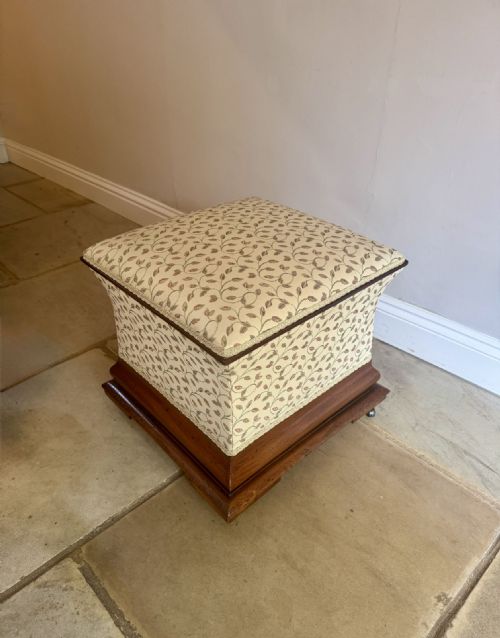
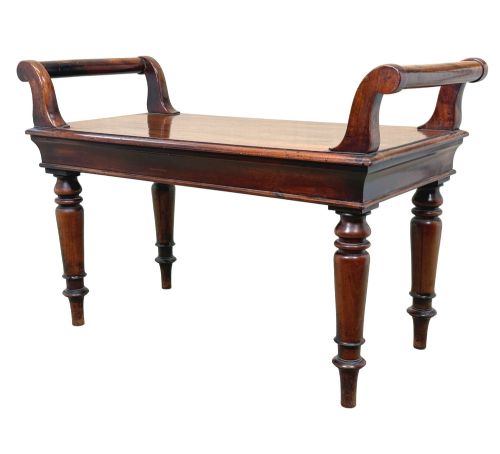
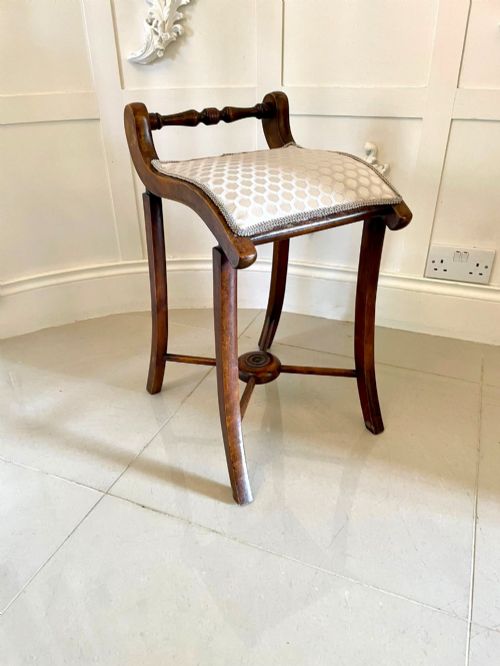
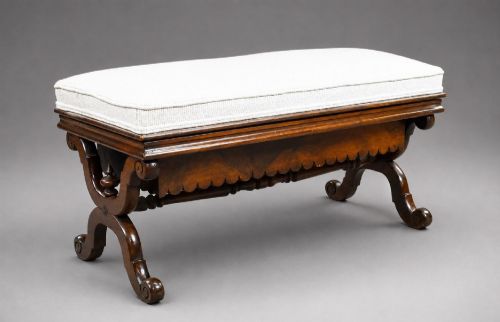
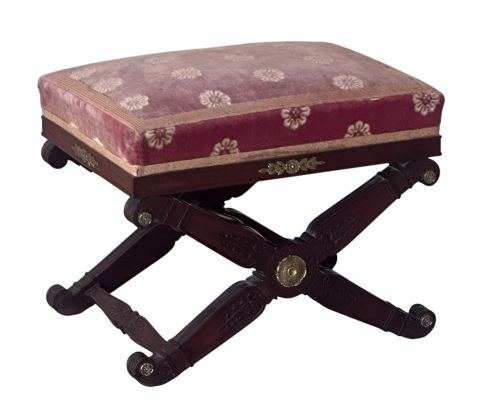
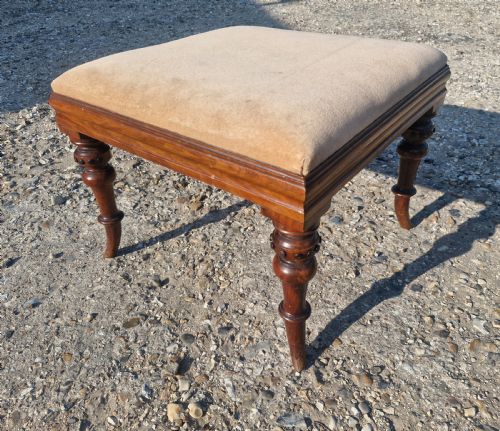
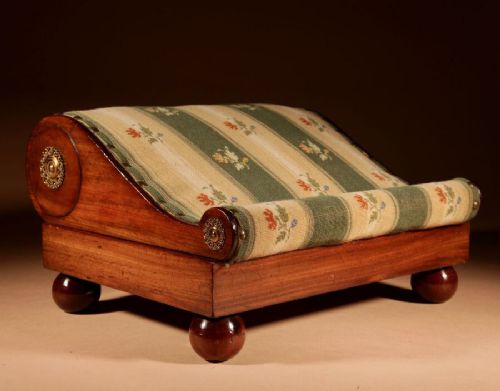
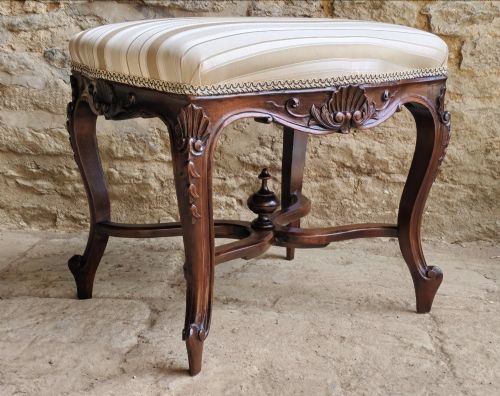
A 19th century mahogany stool encompasses a diverse group of seating furniture, ranging from compact footstools and piano stools to larger ottomans, window seats and X-frame folding designs. These pieces span multiple distinct periods including Regency, William IV, Victorian, and various revival styles like French Empire and Rococo.
The selections available typically include low footstools, adjustable music seats, box stools with storage, and long benches intended for hallways or bedrooms. Originating across England, Ireland, and continental Europe, the construction marries sturdy timber frames with diverse seating options.
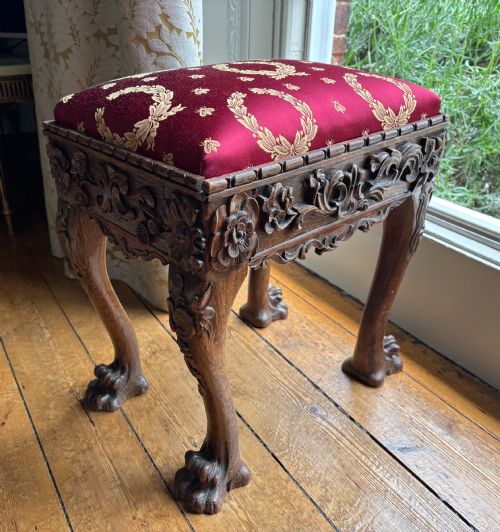
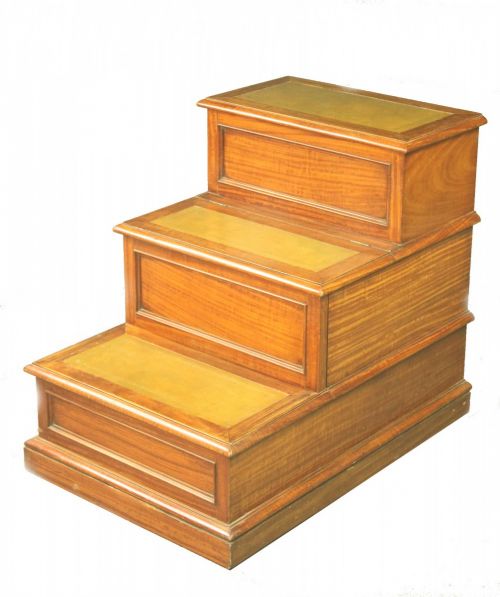
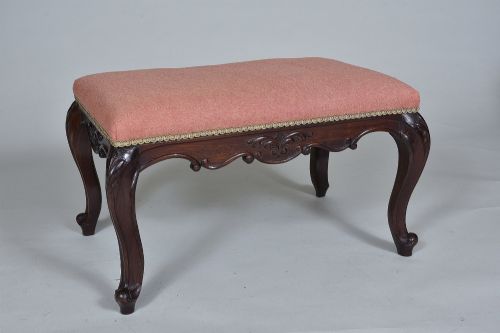
Buyers encounter everything from simple cabriole-legged footrests to elaborate library steps and X-frame stools supported by brass castors or lions paw feet. Each form reflects the domestic functional needs of the nineteenth century, adapting rich dark woods for daily household use.
What Varies in Quality
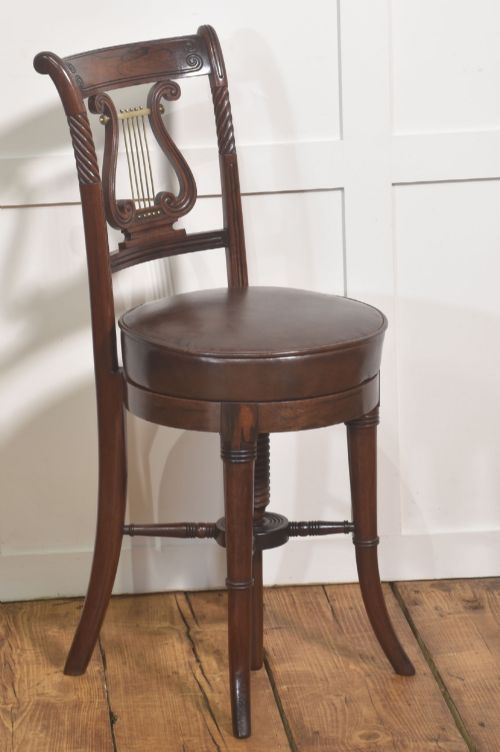
The distinction between standard utility seating and exceptional pieces lies in the crispness of the timber carving, the choice of well-figured mahogany grain, and the integrity of original joinery. Superior examples demonstrate refined proportions, such as balanced X-frame curves or precise turning on adjustable piano mechanisms.
Original upholstery survivals, hand-worked needlepoint, or documented maker attribution elevate certain pieces significantly above straightforward domestic furnishings. Subtle details like fine satinwood stringing, substantial brass castors, and intact internal storage boxes denote higher workshop standards.
19th Century Mahogany Stool Retail Price Guide 2026
Typical asking prices for 19th century mahogany stool among the pieces listed under this phrase on Sellingantiques today, from the lower quarter to the upper quarter. They describe what is for sale here now, not the wider market.
Listings feature diverse Victorian and Regency forms, including adjustable piano stools, X-frame campaign pieces, and library steps in solid mahogany.
Jennens and Bettridge·Gillows Lancaster
The 19th Century Mahogany Stool Glossary
- Mahogany
- A durable, reddish-brown tropical hardwood prized throughout the nineteenth century for its stable grain and suitability for fine carving and polishing.
- X-Frame
- A cross-legged structural design forming an X shape from the side elevation, frequently utilised for folding campaign furniture and decorative Regency stools.
- Ottoman
- A padded upholstered seat or bench, often featuring internal storage space beneath a hinged lid for blankets or household items.
- Cabriole Leg
- A furniture leg featuring a double curve, bulging outward at the knee and tapering inward toward the foot, popular in revival designs.
- Gout Stool
- A specialised adjustable footrest designed to elevate and support the foot or leg at variable angles for comfort.
19th Century Mahogany Stool: Frequently Asked Questions
How do I identify a Regency period stool?
Regency pieces often display classical architectural influences, such as bold scroll toes, X-frame supports, or carved brass details reflecting early nineteenth-century neoclassical tastes.
Look for clean lines, dark dense mahogany timbers, and structural references to French Empire styles popular during the 1820s.
What is an adjustable piano stool used for?
These specialised seats featured a mechanical screw mechanism allowing musicians to raise or lower their seating height precisely while playing keyboard instruments.
They commonly incorporate circular revolving tops or square upholstered pads supported by central wooden pillars.
Can I use an antique footstool daily?
Most nineteenth-century timber frames possess robust structural integrity suitable for everyday placement in modern living rooms or studies.
Checking the stability of the joints and ensuring the upholstery support remains sound will protect the historic timber during regular household use.
What distinguishes a window seat from a footstool?
Window seats are longer, bench-like forms designed specifically for placement beneath architectural windows, often featuring arms or raised ends.
Footstools remain lower and more compact, intended primarily to support seated occupants rather than provide standalone seating.