
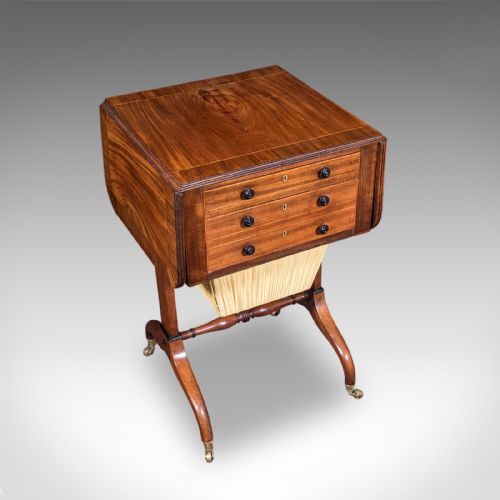
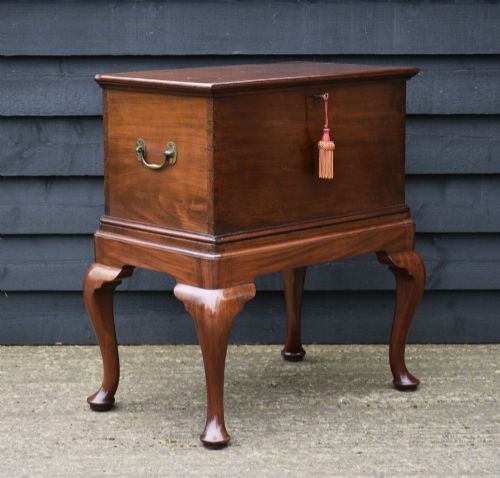
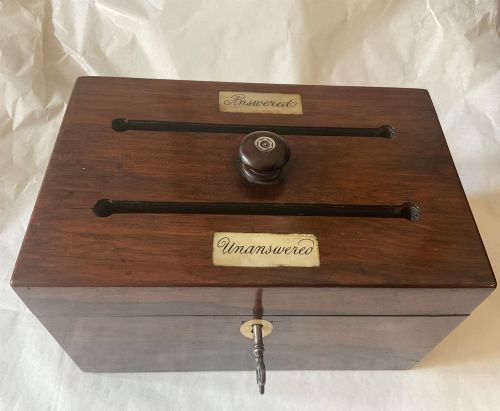
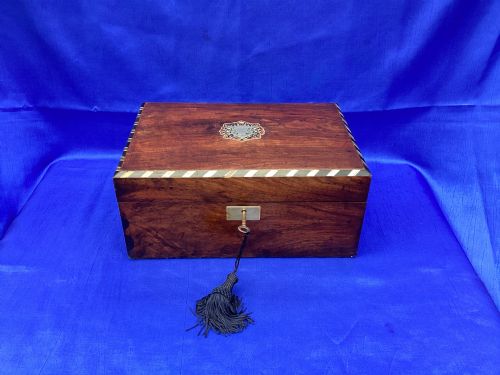
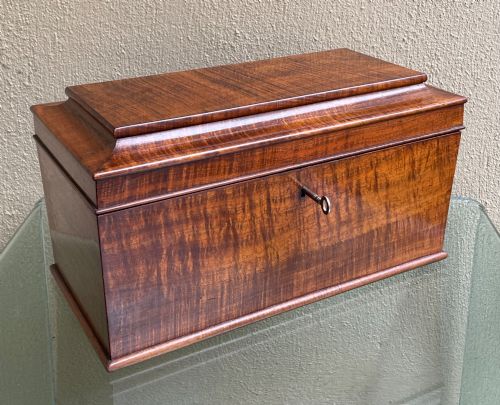
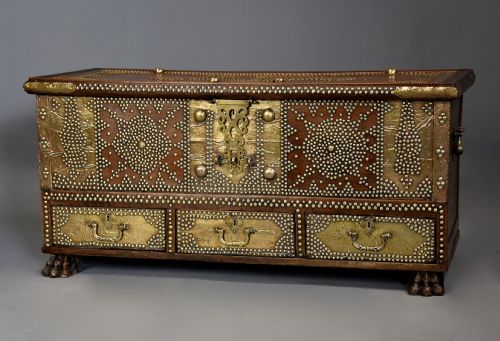
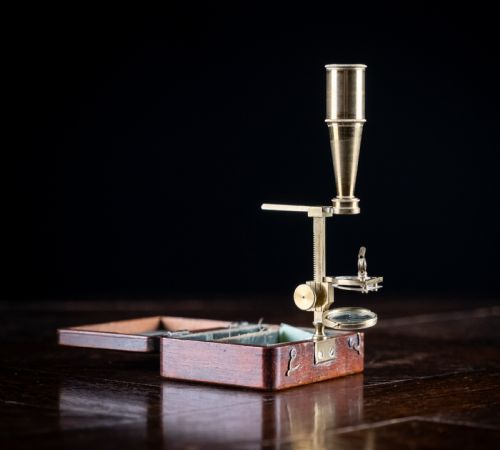
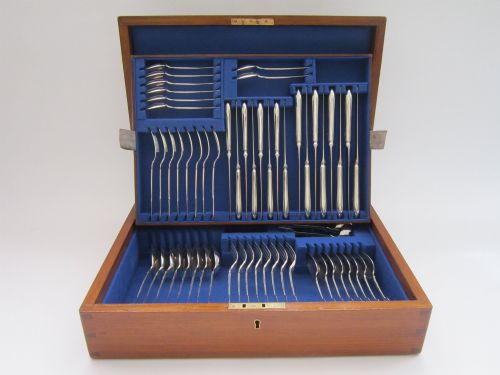
19th Century Mahogany Box
When you handle a 19th century mahogany box, you hold a sturdy timber vessel designed for tea, writing, or travel that has survived through honest daily use.
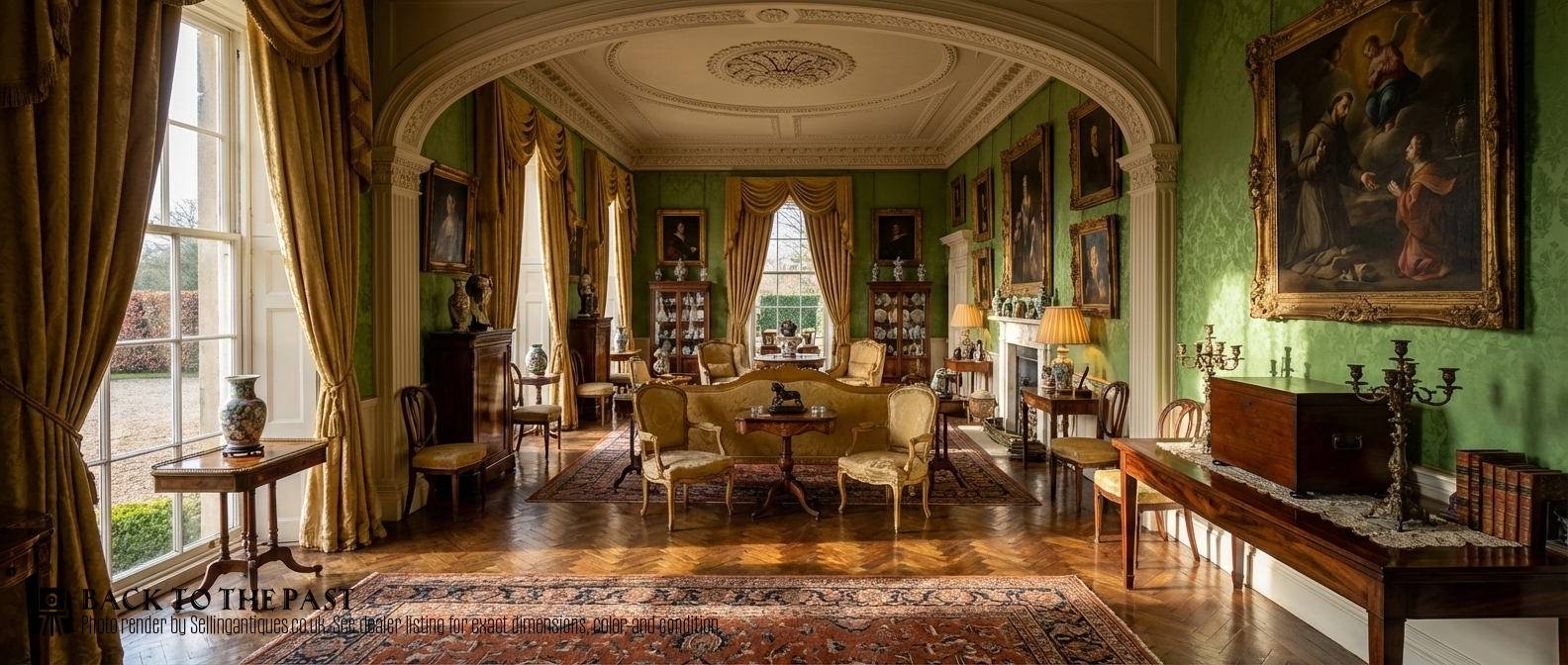
19th Century Mahogany Box
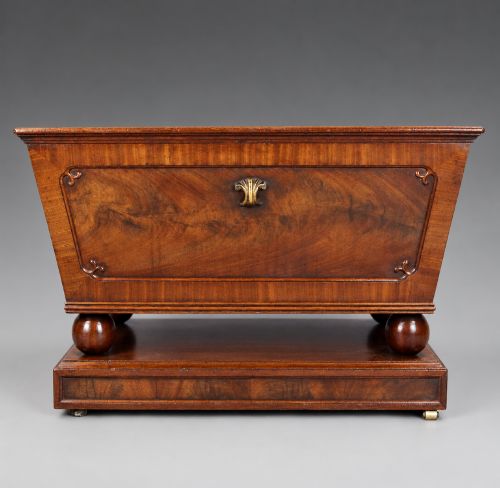
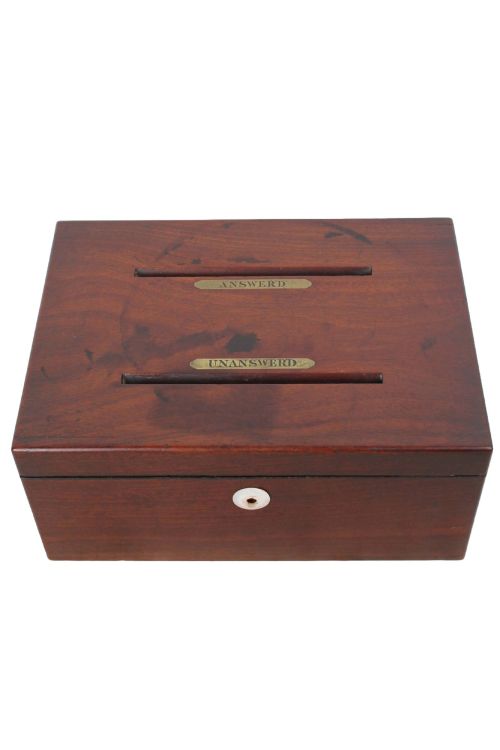
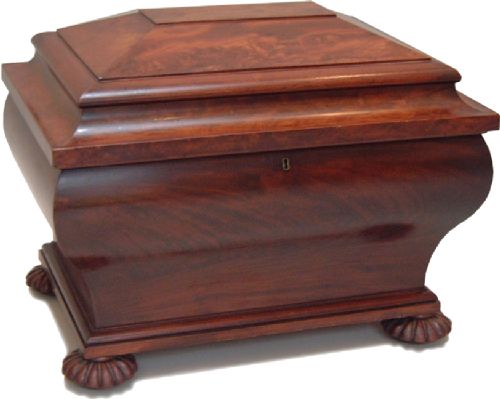
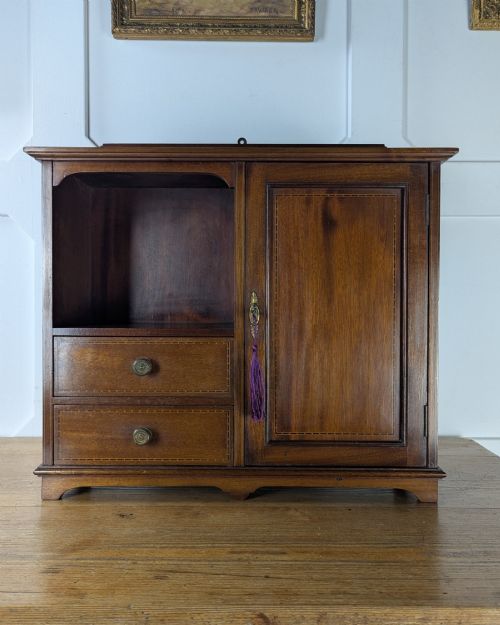
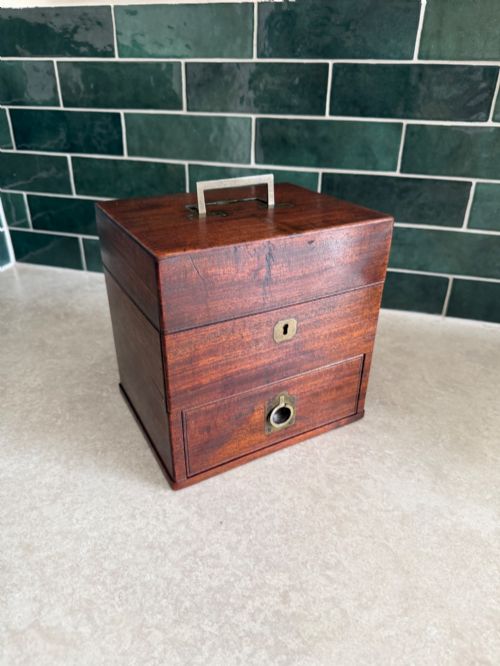
A 19th century mahogany box encompasses a wide variety of utilitarian and decorative wooden containers spanning the Georgian, Regency, and Victorian periods. Buyers search for these pieces to acquire period storage that ranges from simple writing slopes and tea caddies to heavily brass-bound campaign chests and apothecary cabinets.
Makers utilised mahogany for its stability and deep reddish-brown tone, often pairing the timber with brass handles, bone escutcheons, and velvet linings. Whether intended for a country house desk or a mariner's cabin, each container served a specific domestic function with precise internal compartments.
Materials and construction methods
Cabinetmakers constructed these vessels using solid mahogany or applied flame mahogany veneers over secondary timbers, secured with dovetail joints at the corners. Brass banding, corner reinforcement plates, and flush-fitting carrying handles were frequently added to protect edges and facilitate transport during travel.
Internal layouts typically incorporated cedar or satinwood secondary woods, fitted with secret drawers, glass decanters, velvet-lined slots, and bone or ivory turnings. Surfaces were finished with shellac polishes or French polish, which built up a deep lustre over decades of handling.
Listings feature mahogany containers from the Georgian, Regency, and Victorian periods, incorporating materials like brass, bone, glass, and velvet.
Distinguishing quality across the range
Quality in these containers is determined by the selection of timber grain, such as figured flame mahogany or contrasting boxwood stringing, alongside the precision of the joinery. Superior examples maintain their original internal fittings, working locks with matching keys, and tightly fitted pigeonholes rather than replaced components.
The refinement of the hardware, including heavy cast brass carrying handles and hand-engraved escutcheons, separates standard utility items from high-status bespoke commissions. Original secondary woods and undisturbed patination on the exterior surfaces indicate an uncompromised piece of period craftsmanship.
The 19th Century Mahogany Box Glossary
- Flame mahogany
- A veneer cut from the fork of the mahogany tree where the branch meets the trunk, producing a distinctive rippled, flame-like pattern. This figured wood was prized for the lids of superior tea caddies and writing slopes.
- Cellarette
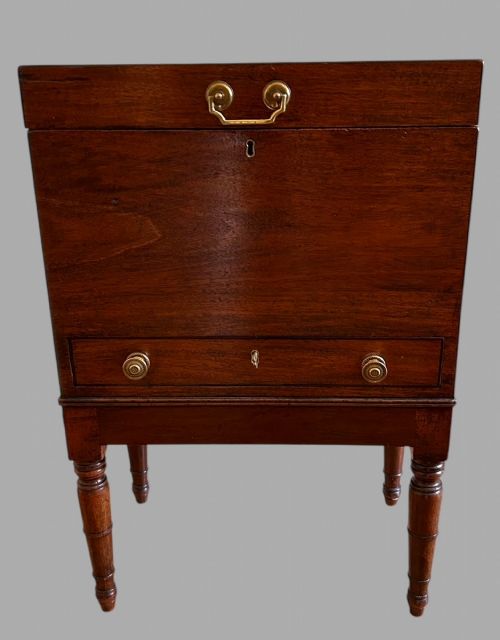
- A lockable container designed to hold wine bottles and decanters safely near the dining table. They frequently appeared during the Regency and Georgian periods in substantial mahogany frames.
- Escutcheon
- A protective plate surrounding a keyhole, usually fashioned from brass, bone, or mother-of-pearl. It prevents the surrounding timber from splitting around the lock.
- Campaign box
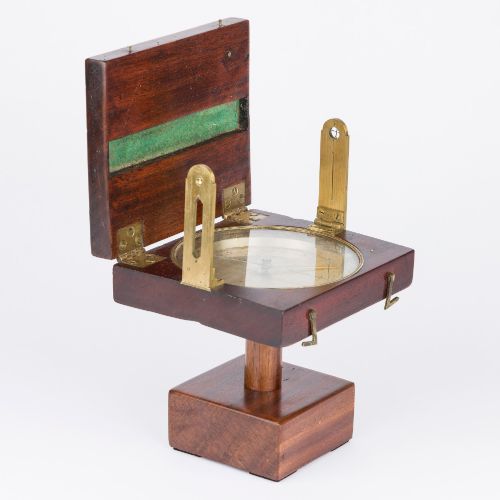
- Portable furniture made for military officers or travellers, characterised by recessed brass handles and reinforced corners. These containers broke down or packed securely for long journeys.
- Teapoy
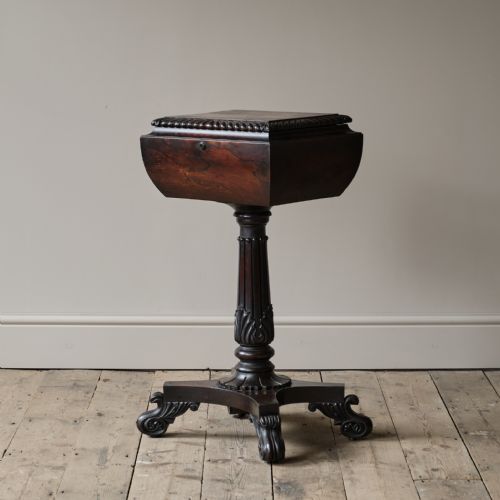
- A small stand or box on legs intended to hold several varieties of tea, often featuring internal mixing bowls and lidded canisters. They became essential drawing-room items during the early nineteenth century.
19th Century Mahogany Box: Frequently Asked Questions
What were mahogany boxes used for?
These containers served specific domestic and professional duties, ranging from storing loose leaf tea and writing correspondence to housing medical supplies or jewellery.
Owners kept them in drawing rooms, studies, and bedchambers to protect valuable possessions from dust, light, and theft.
How do I identify a Regency box?
Regency examples generally display crisp brass inlay, bold mahogany veneers, and classical architectural proportions inspired by ancient designs.
They often rely on clean geometric lines rather than the heavier carvings found in later Victorian furniture.
Are original keys usually included?
Original keys are uncommon because locks were frequently forced open or keys were lost over generations of household moves.
Many period pieces retain their original working locks even when the winding key has been replaced at a later date.
How should I clean the wood?
Maintenance requires only a soft, dry cloth to remove dust without disturbing the historic polish accumulated on the surface.
Moisture and modern chemical polishes can damage the aged shellac and should be avoided entirely.